Can You Drink Tap Water In Hiroshima?
Yes, tap water in Hiroshima is safe to drink. The city's Water Bureau tests it continuously and publishes quarterly results; here is what the official data shows.
The Hiroshima City Water Bureau inspects its water at 8 source locations, 7 purification plants and 91 taps, and every regular test result it has published meets or exceeds the national Japanese water quality standards. Tap water in the city is treated, disinfected and continuously monitored, and the bureau publishes its full results every three months on its official website.
This page reports what the Water Bureau and the national water law framework actually say, section by section, so a traveller planning a visit can decide whether to drink from the tap, fill a bottle at the hotel sink or carry a filter. The short version: the official data supports drinking it. For the wider question of whether the city rewards a visit at all, see the separate answer on whether Hiroshima is worth visiting.
Yes, tap water in Hiroshima is safe to drink according to the Hiroshima City Water Bureau, whose regular water quality test results all meet or exceed Japanese national water quality standards. The water is drawn mainly from the Ota River, filtered and disinfected at purification plants, and checked at 91 taps across the supply area, with results published every three months.
That answer rests on the bureau's own published record rather than on traveller anecdote. Japanese water law requires free residual chlorine of 0.1 mg/L or higher at every tap, and the Hiroshima bureau maintains that level throughout its network while running continuous 24-hour monitoring of chlorine at purification plant outlets. Daily checks of colour, turbidity and residual chlorine are carried out at 28 taps in the supply area. In short, the water that reaches a Hiroshima hotel sink has passed through multiple independent layers of testing before it arrives.
One caveat that surprises some first-time visitors: safety and taste are different questions. Chlorinated water that meets every legal standard can still taste of chlorine to a palate used to unchlorinated bottled water. That is a matter of preference, not of safety, and it is dealt with below.
Where Does Hiroshima Tap Water Come From?
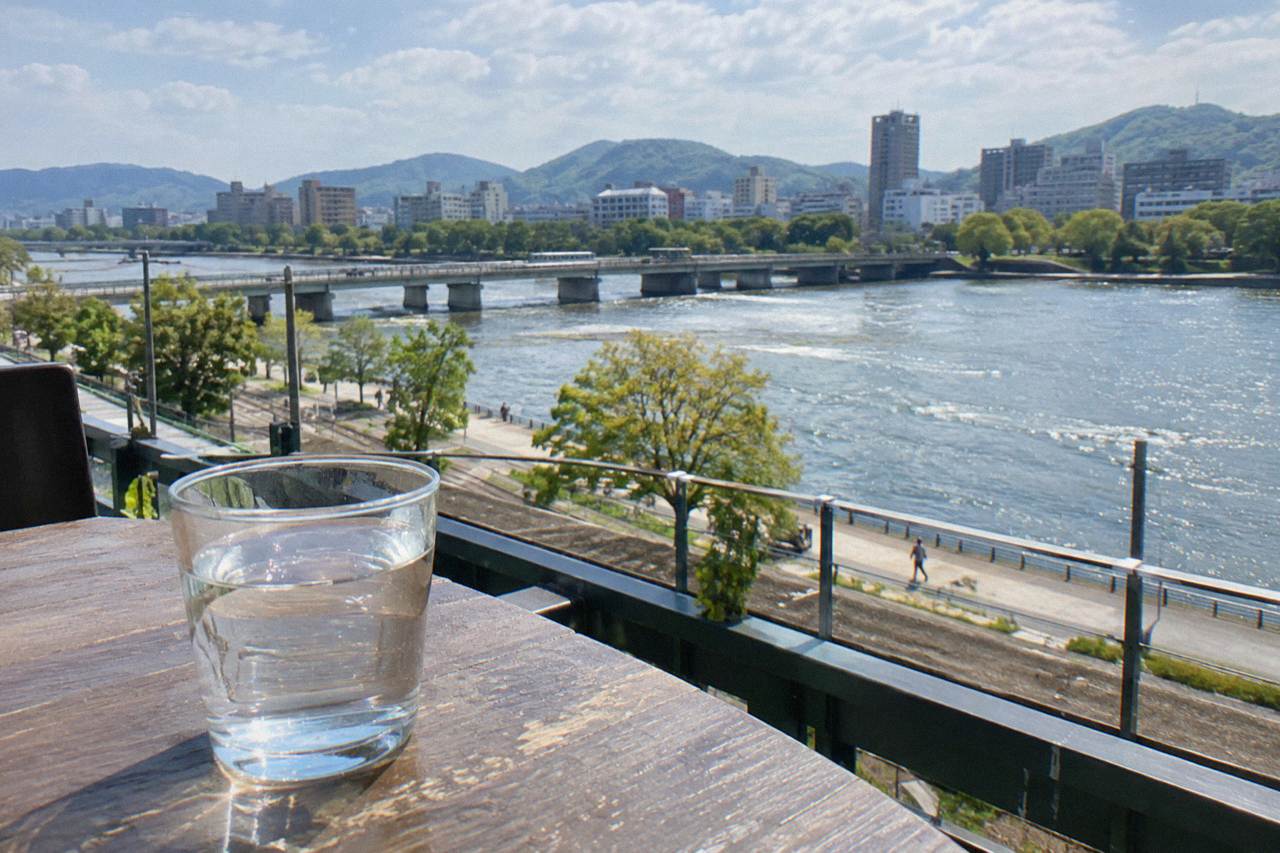
Hiroshima's water supply is treated at seven main purification plants, reported to include the Ushita, Midorii and Koyo plants, before distribution across the city's supply area. The Water Bureau inspects its raw water sources at 8 locations, including the Ota River and its tributaries.
The river relation matters for understanding the city's geography as well as its plumbing. At the purification plants the water undergoes filtration and disinfection, and turbidity at the plant outlets is held below 0.1 degrees using high-sensitivity monitors, a stricter operational target than simply meeting the legal limit.
| Stage of the supply | What the Water Bureau reports |
|---|---|
| Source | 8 inspection locations, including the Ota River and its tributaries |
| Treatment | Filtration and disinfection at 7 purification plants |
| Turbidity at plant outlets | Maintained below 0.1 degrees with high-sensitivity monitors |
| Network checks | 91 taps used for water quality inspection |
| Daily checks | Colour, turbidity and residual chlorine at 28 taps |
| Monitoring | Continuous 24-hour chlorine monitoring at plant outlets |
The testing load is not trivial. Between source inspections, plant monitoring and network taps, the bureau keeps watch at more than a hundred distinct points between the river and the glass, and the whole record is compiled and published every three months.
How Is Hiroshima Tap Water Tested?
Hiroshima City Water Bureau tests its water at 8 water sources, 7 purification plants and 91 taps, carries out daily inspections of colour, turbidity and residual chlorine at 28 taps in the supply area, and runs continuous 24-hour monitoring of chlorine at purification plant outlets. All results are compiled and published every three months on the bureau's official website.
The bureau's water quality laboratory holds Japan Water Works Association certification for reliable testing, which means the analyses are performed by an accredited laboratory rather than an in-house unchecked one. The quarterly publication matters for a visitor in one practical way: any question about the water on a given date can be answered against a published, dated record rather than against rumour. Japan has a strong culture of tap water confidence in general, and Hiroshima's system is a documented example of it.
The checks are layered by design. Source water is inspected before treatment, plant outlets are monitored around the clock, and the distribution network is sampled at fixed taps so that problems anywhere between river and sink leave a measurable trace. The fresh answers a traveller usually want, on chlorine taste and on PFAS, are covered in the next two sections.
What About PFAS And PFOS In Hiroshima Water?
No PFAS compounds, including PFOS and PFOA, have been detected in any raw water or tap water sample from Hiroshima City Water Bureau facilities, according to the bureau's published results. Testing for PFOS and PFOA is reported to have been carried out at least four times per year since 2020 at all purification plants.
PFAS, sometimes called forever chemicals, have become one of the most watched contaminants in municipal water worldwide, and Hiroshima's published record on them is unambiguous: no detections, across the entire city supply area, despite increased testing frequency at certain plants. As of 2026 updates, the bureau confirms all tap water samples comply with national standards including for organic fluorine compounds. The question sometimes arrives tangled with the city's history, and it is worth separating the two cleanly: the residual radiation questions raised by the 1945 bombing are answered in the separate page on whether Hiroshima is still radioactive, and they are an entirely different subject from modern water treatment.
For visitors whose evening plans run to food rather than chemistry, an all-inclusive guided food walk is one way to eat and drink through the city with a local lead; the all-inclusive Hiroshima nighttime food and cultural immersion covers dinner and drinks in one price, and Check availability shows the current rate.
Does Hiroshima Tap Water Taste Of Chlorine?
Hiroshima tap water is legally required to carry free residual chlorine of 0.1 mg/L or higher at every tap, and the Water Bureau maintains that level across the network, so a slight chlorine taste is normal even though the water is safe. Japanese law sets the minimum, the bureau meets it, and the taste fades if water is left to stand.
That 0.1 mg/L figure is a floor, not a ceiling, and it exists to keep water safe through the distribution system. Daily chlorine measurements across the network confirm the legal minimums are held. Travellers from countries that do not chlorinate, or who drink mostly bottled water at home, sometimes notice the taste on the first day and stop noticing it afterwards. Practical steps that cost nothing: fill a bottle, cap it and let it stand a while, or refrigerate it, both of which let the chlorine dissipate before drinking. Boiling water for tea, which Japan does constantly, removes the question altogether.
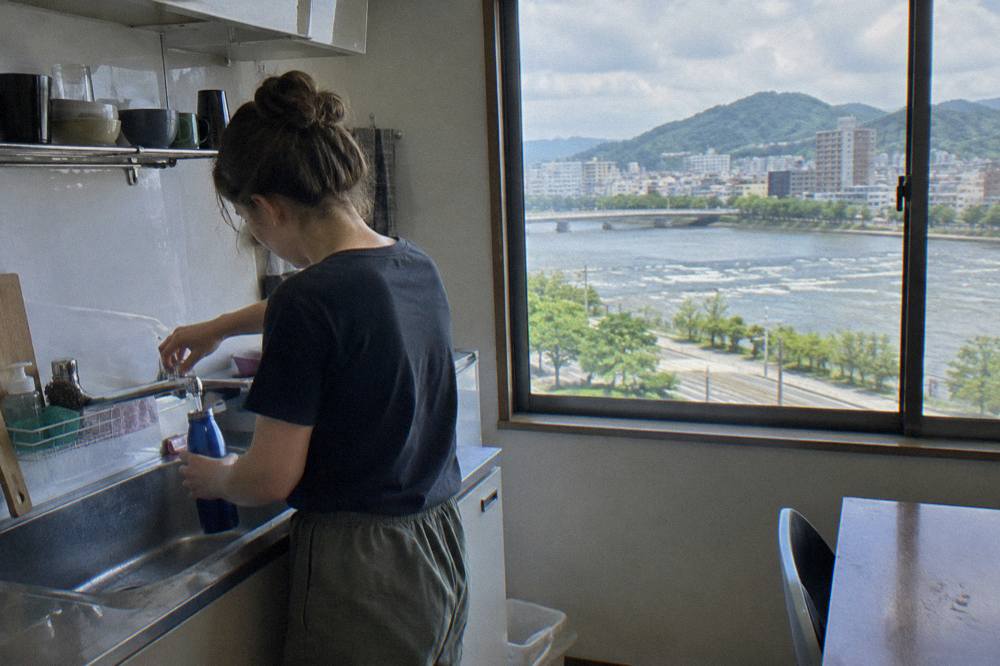
Bottled water is widely sold in Hiroshima's convenience stores for those who prefer it, but the official record gives no safety reason to choose it over the tap.
Should You Bring A Water Filter To Hiroshima?
There is no safety-based reason to bring a water filter to Hiroshima: the Water Bureau's published results show all regular tests meeting or exceeding Japanese national water quality standards, with no PFAS detections and continuous chlorine monitoring across the supply. A filter is a taste preference, not a health precaution.
The planning logic is straightforward. A filter adds weight and fuss to luggage for a benefit the official data does not support. The one honest argument for one is chlorine sensitivity: a simple activated carbon filter removes chlorine taste, and some travellers carry a filter bottle for exactly that reason in any chlorinated-water country, including their own. Anyone with a specific medical sensitivity should follow their own medical advice, which no travel page replaces. For everyone else, a reusable bottle filled from the tap is the cheapest and simplest arrangement in a city whose water system is documented to this standard.
The same reasoning applies to ice in restaurants and to tap water used in cooking. All of it comes from the same monitored supply.
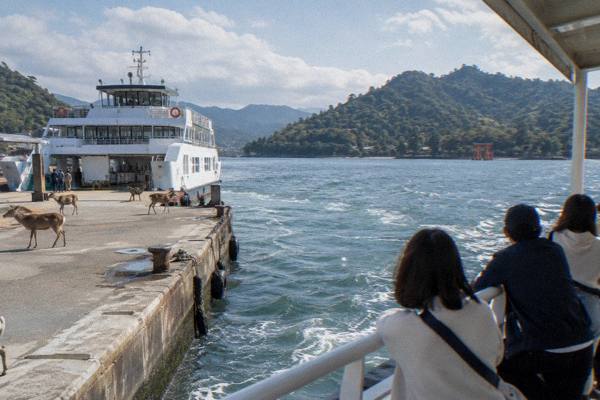
Can You Drink Tap Water On Miyajima?
The Hiroshima City Water Bureau's published results cover its city supply area, and all regular tests in that record meet or exceed national standards, but Miyajima falls outside it. Miyajima is in Hatsukaichi City, supplied by the Hatsukaichi waterworks, now run by the Hiroshima Prefecture Water Supply Union, and Hiroshima City Water Bureau data does not cover it.
The water question there is the same question as the water question in the city proper: the Water Bureau reports results across its supply area, and no separate island-specific advisory appears in its published material.
Do Locals In Hiroshima Drink The Tap Water?
Japanese national water law requires tap water to meet strict quality standards, the Hiroshima City Water Bureau maintains and publishes compliance across 91 inspection taps, and drinking tap water is a normal, unremarkable practice in Japanese cities. Hiroshima's published testing record is the documentation behind that normal practice.
No share-of-people figure for who drinks tap water in Hiroshima appears in the bureau's published material, and this site does not invent one. What can be stated is structural: the entire regulatory and publishing apparatus described above exists because the water is treated as an ordinary drinking supply, not as an industrial input requiring home treatment before use. Restaurants serve tap water by default, and the tea culture that accompanies most meals is built on the same supply.
| Common traveller question | What the published record supports |
|---|---|
| Is the tap water safe to drink? | All regular results meet or exceed Japanese national standards |
| Has PFAS ever been detected? | No detection in raw or tap water |
| Why does it taste slightly of chlorine? | Legal minimum of 0.1 mg/L free residual chlorine at every tap |
| Is the testing independent? | The bureau's laboratory holds Japan Water Works Association certification |
| Where do the results get published? | Quarterly, on the Water Bureau's official website |
| Is a filter needed? | Not for safety; only as a chlorine taste preference |
For planning beyond the tap, the root guide to things to do in Hiroshima covers the Peace Memorial Park, the castle grounds, Shukkeien and the ferry to Miyajima, and this Hiroshima Travel Guide keeps the whole question set together.
Common Questions About Tap Water In Hiroshima
Can You Drink Tap Water In Hiroshima?
Yes. The Hiroshima City Water Bureau's regular test results all meet or exceed Japanese national water quality standards, and no PFAS compounds have been detected in any sample.
Is Hiroshima Tap Water Chlorinated?
Yes. Japanese law requires free residual chlorine of 0.1 mg/L or higher at every tap, the Hiroshima bureau maintains that level across the network, and chlorine at purification plant outlets is monitored 24 hours a day.
Where Does Hiroshima's Water Come From?
The primary source is the Ota River. The water is filtered and disinfected at seven main purification plants, reported to include Ushita, Midorii and Koyo.
Has PFAS Been Found In Hiroshima Tap Water?
No. PFOS and PFOA have not been detected in any raw water or tap water sample from the city's facilities, and testing is reported at least four times a year at all purification plants since 2020.
Do I Need To Buy Bottled Water In Hiroshima?
Not for safety reasons. Bottled water is widely sold if you prefer the taste, but the published testing record gives no health basis for choosing it over tap water.
Can I Drink Tap Water On Miyajima?
There is no separate island-specific advisory for Miyajima.