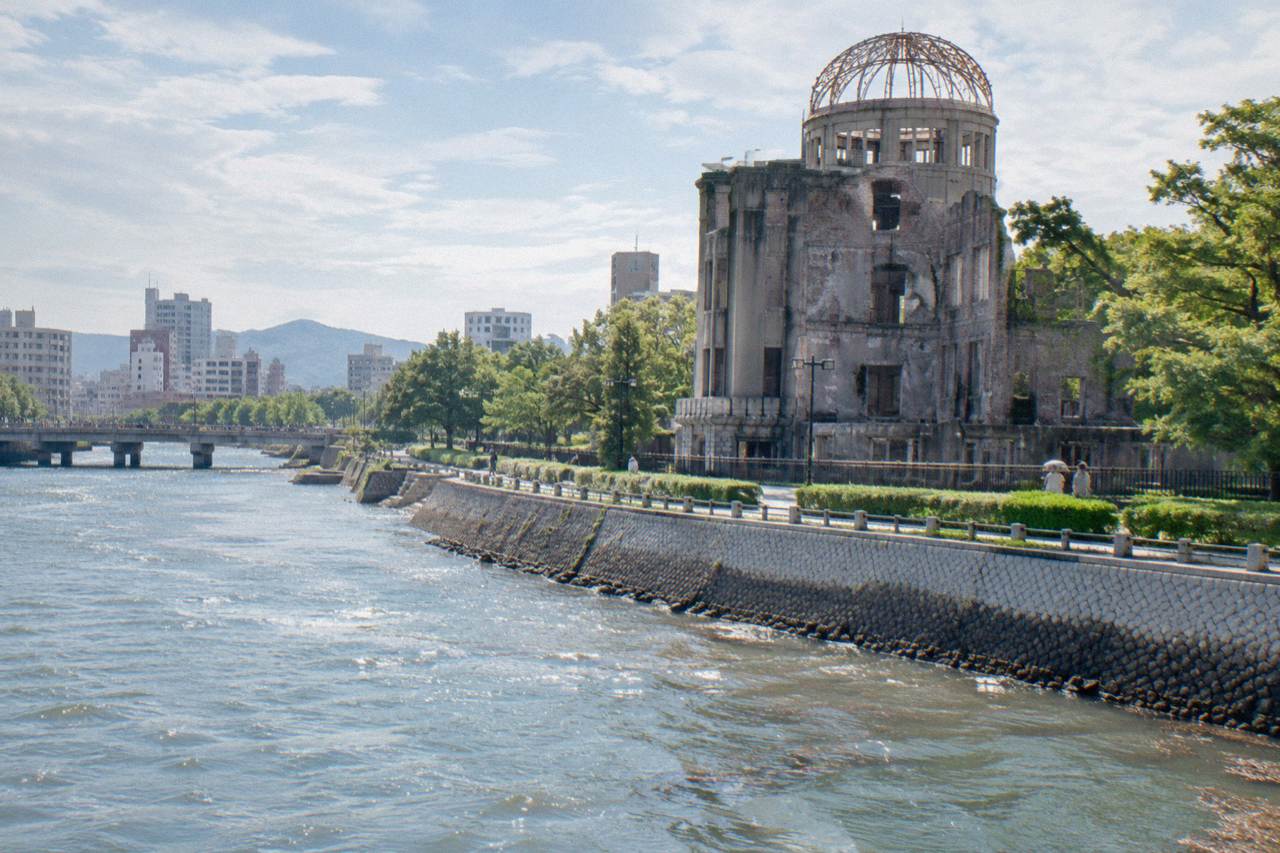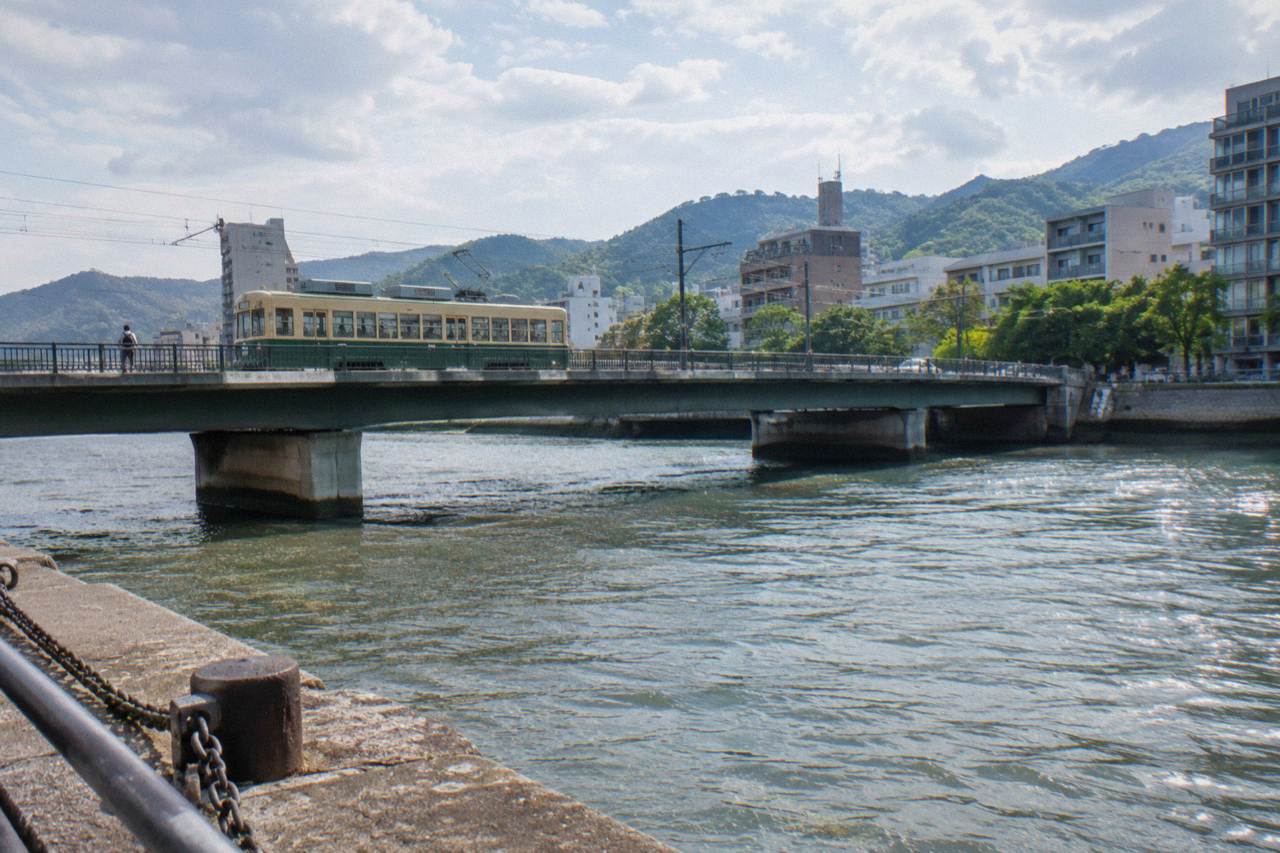
Can I Tour Hiroshima On My Own?
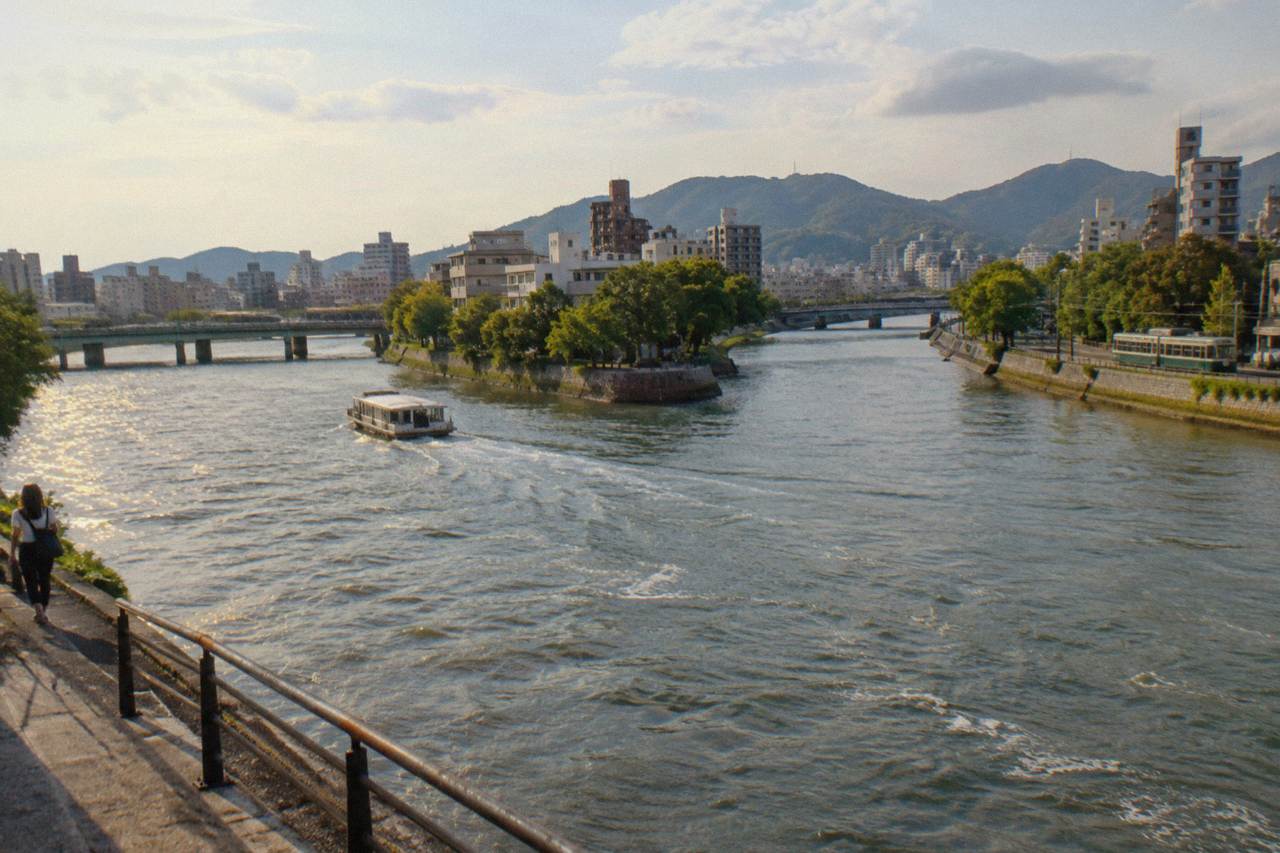
Yes, you can tour Hiroshima on your own. Here is what the fares, opening hours and transport options actually cost for independent visitors to Hiroshima and Miyajima.
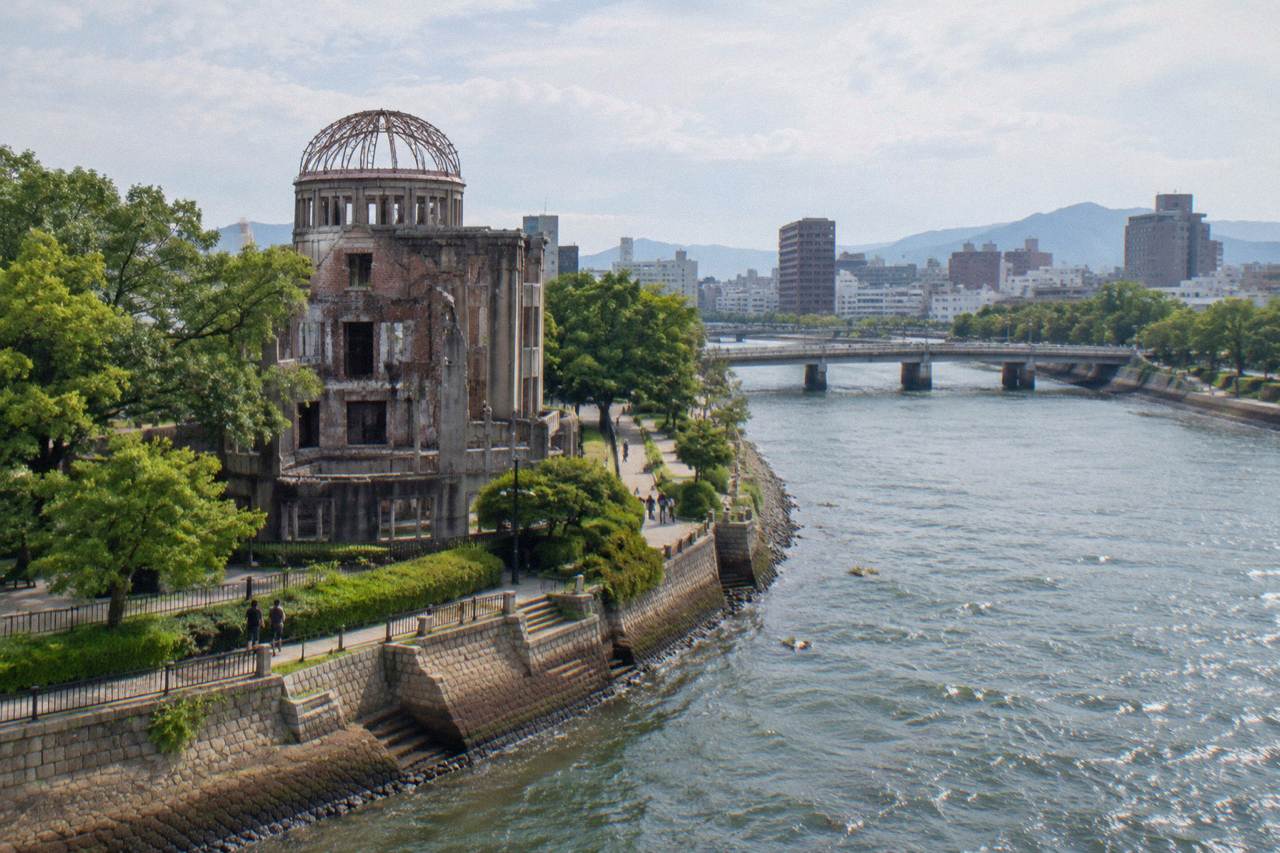
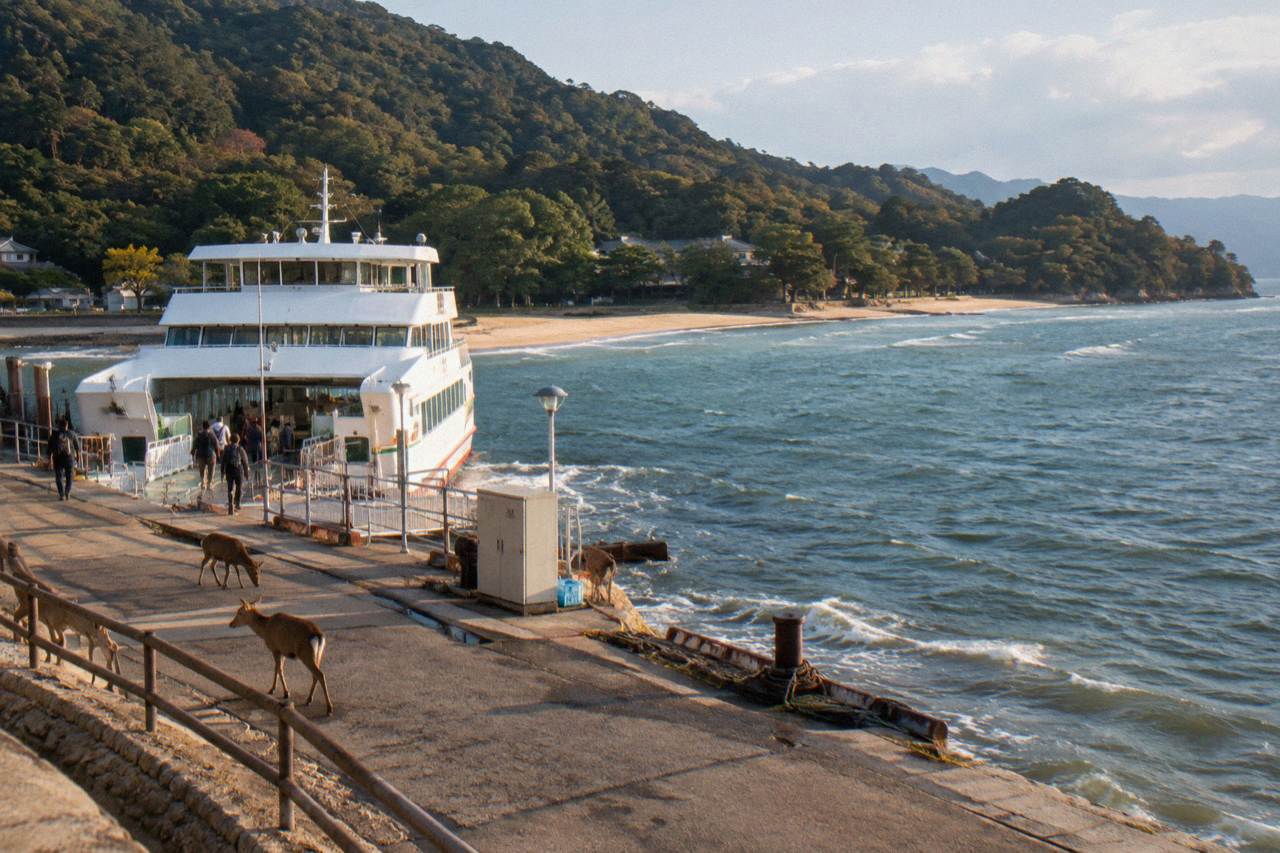
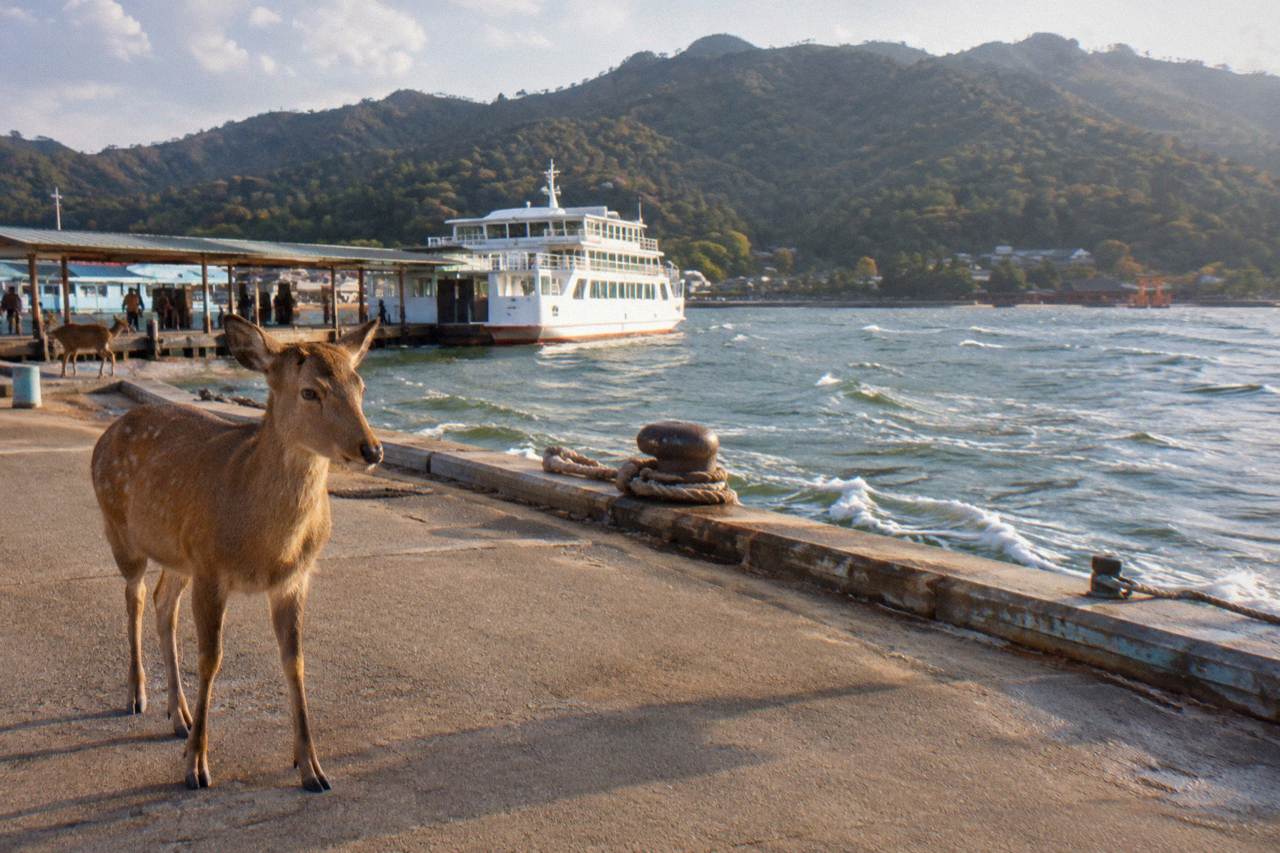
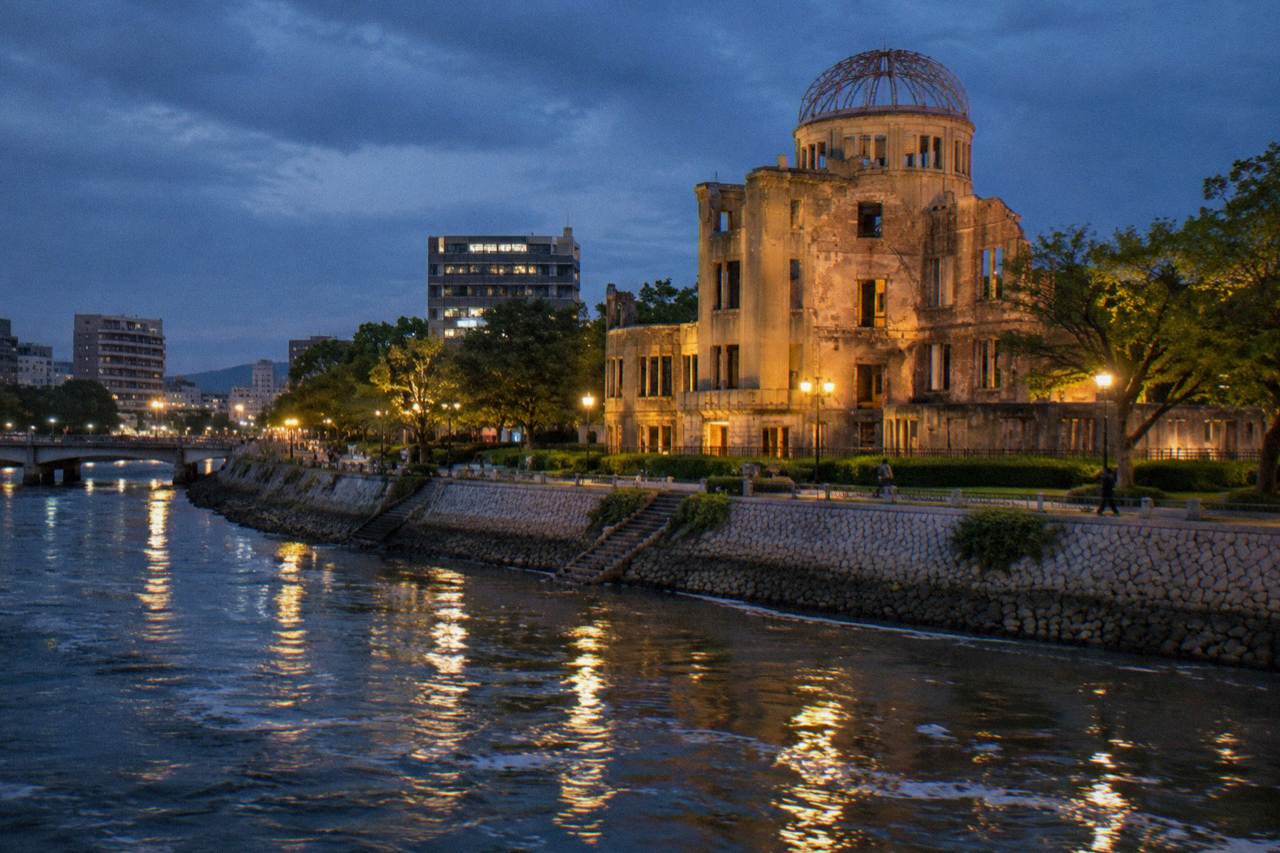
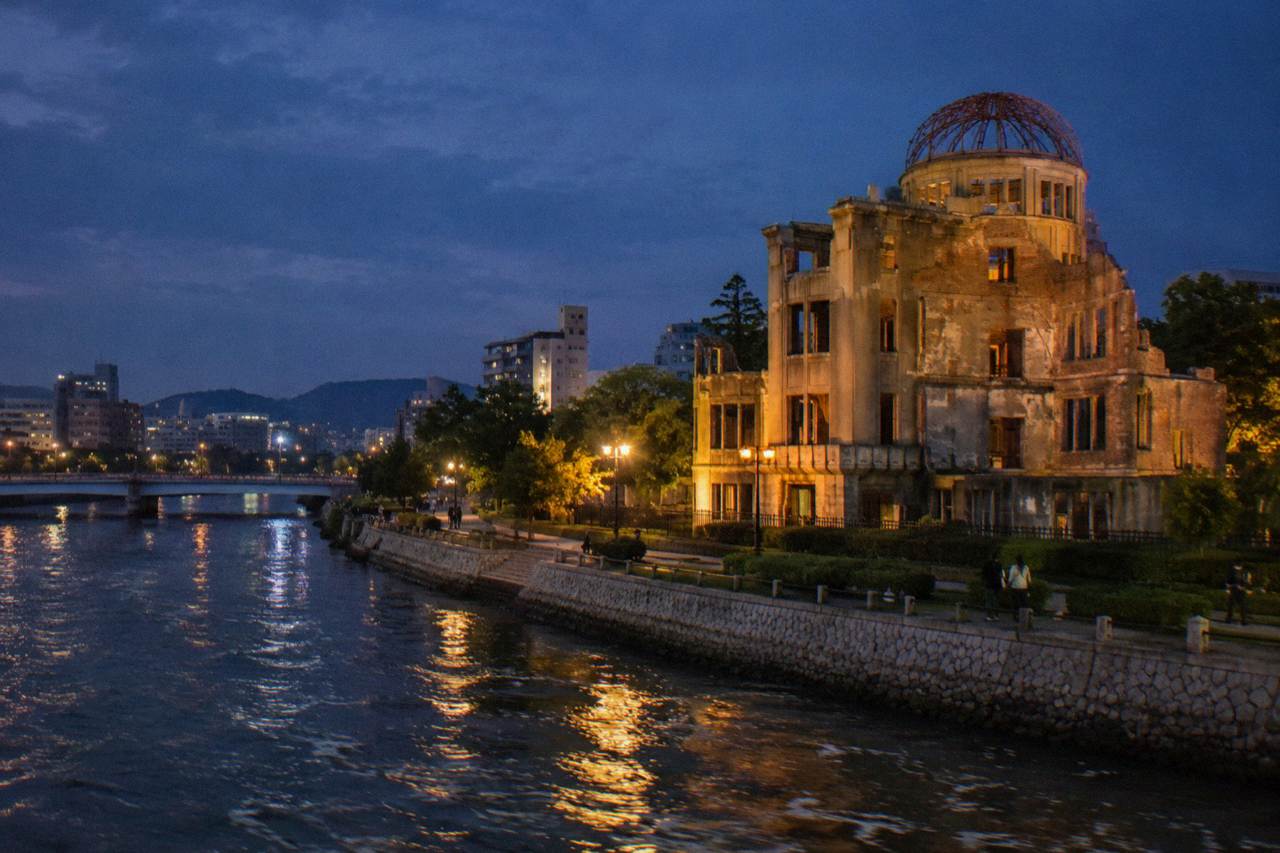
The deer of Miyajima, the A-Bomb Dome at dusk, the ferry queue on a summer morning: visitors keep asking the same honest questions, and this page answers them plainly, from tap water to train times.
Yes, you can tour Hiroshima on your own. Here is what the fares, opening hours and transport options actually cost for independent visitors to Hiroshima and Miyajima.
Yes, tap water in Hiroshima is safe to drink. The city's Water Bureau tests it continuously and publishes quarterly results; here is what the official data shows.
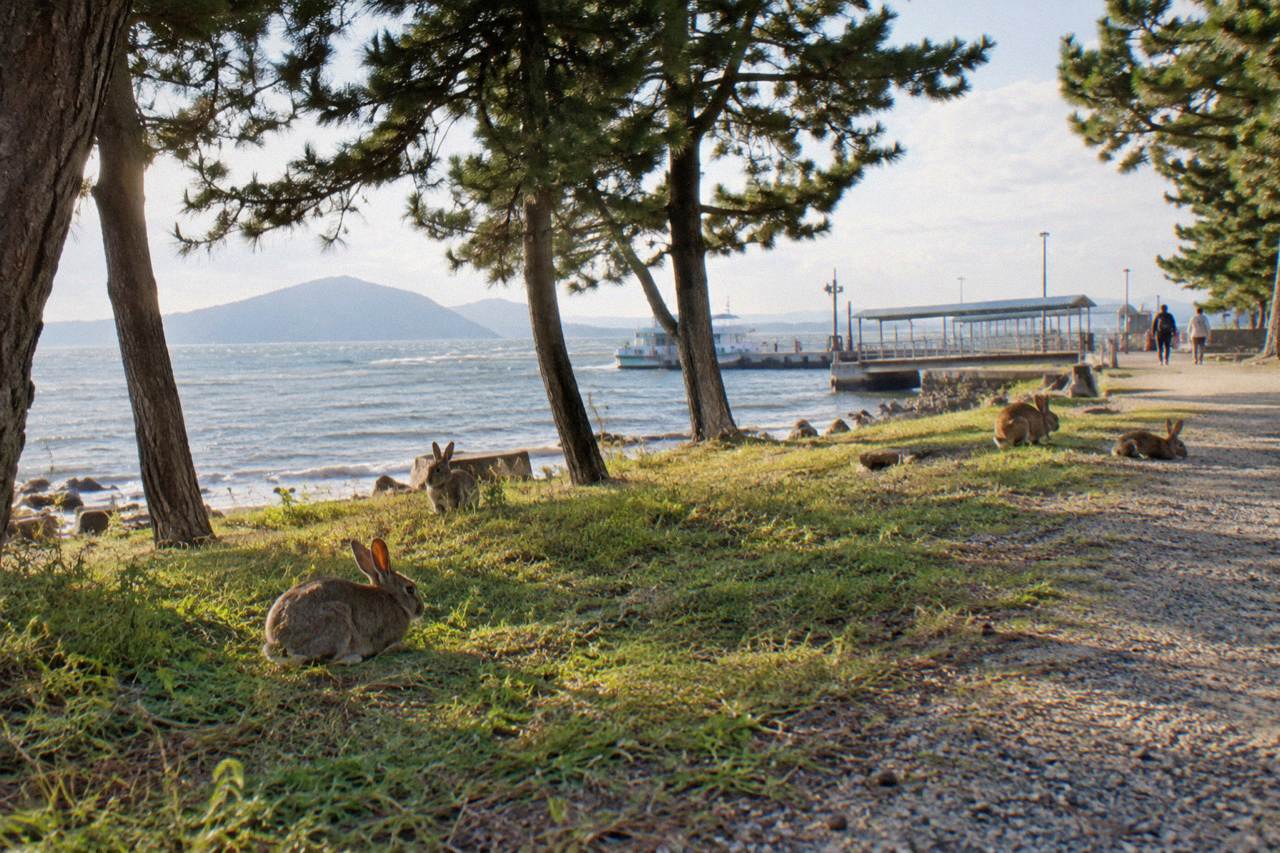
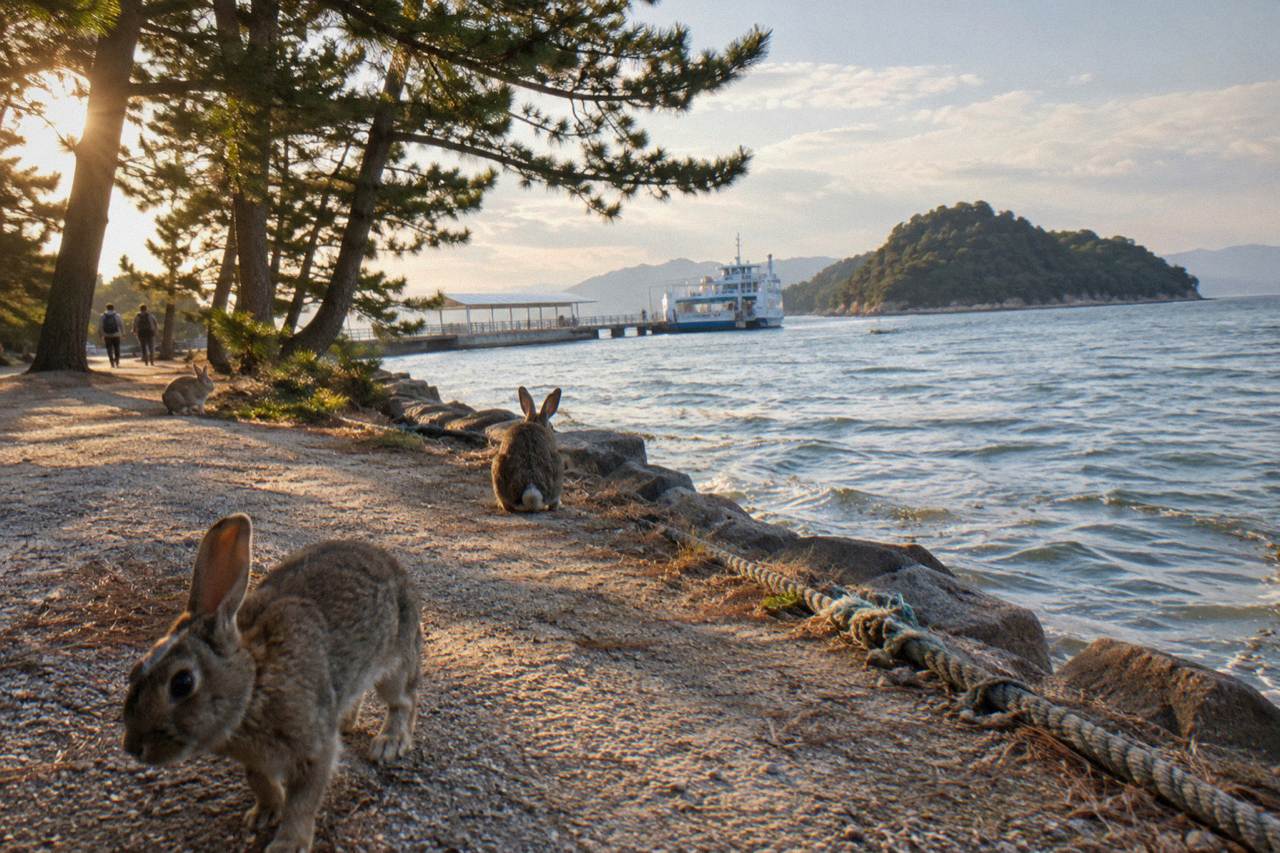
Can you pet the rabbits on Rabbit Island near Hiroshima? The feeding and handling rules for Okunoshima, ferry fares, and how to get there from Hiroshima.
Whether the human shadows left by the Hiroshima atomic bombing can still be seen today, what the city's own records say survives, and where the traces are preserved.
Yes, but not at the shrine. Swimming at Miyajima means Tsutsumigaura beach on the island's northeast coast, with camping, barbecues and a roped summer swimming area in the Seto Inland Sea.
The deer on Miyajima near Hiroshima are wild animals and feeding them has been banned since 2007. Here is what the Miyajima Tourist Association says about touching, feeding and safety.
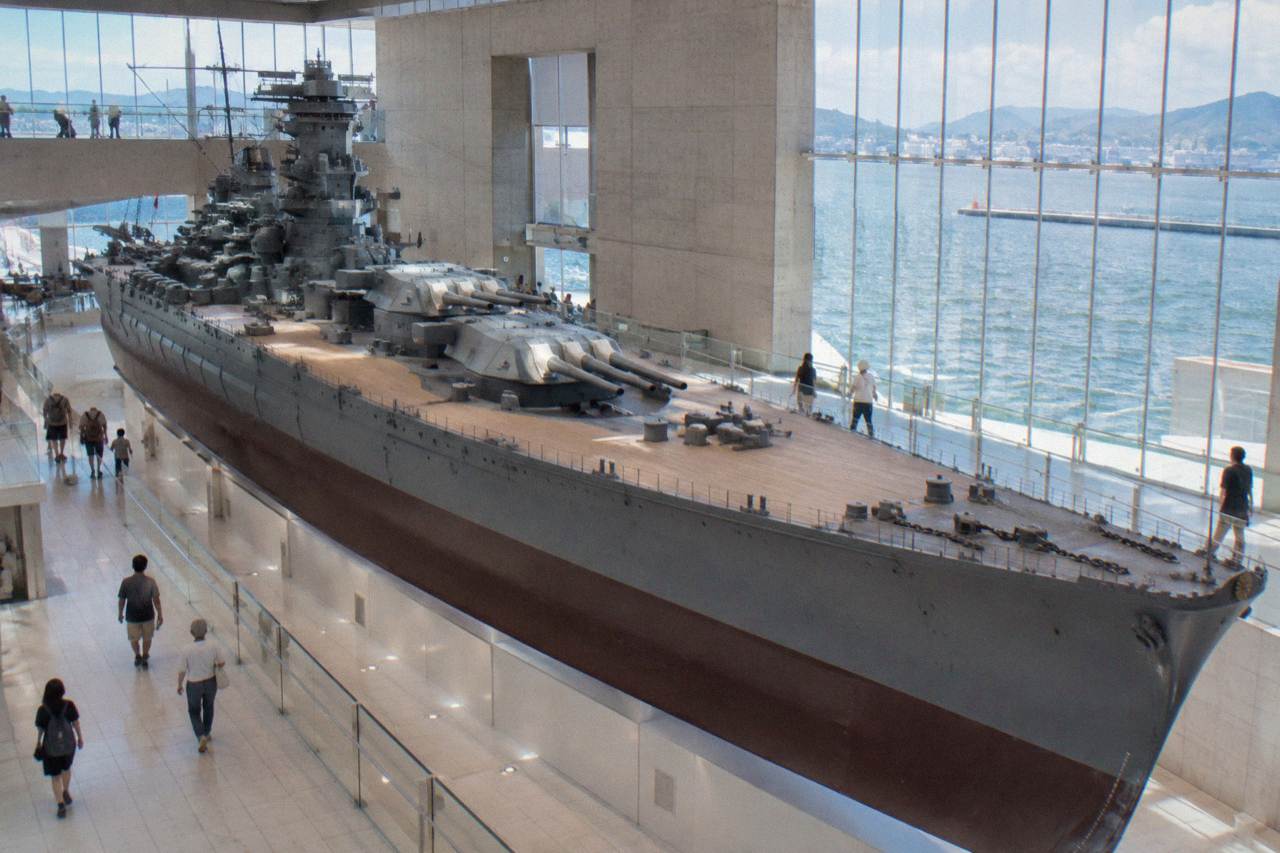
Can you visit the wreck of the Yamato? The battleship lies 340 meters down in the East China Sea and is protected as a war grave, but the Yamato Museum in Kure, near Hiroshima, displays recovered items and a 1/10 scale model.
No sitting or former American president has issued a formal apology for the atomic bombing of Hiroshima. Here is what the documented record actually says, speech by speech.
A sourced answer to whether Japan forgave America for the Hiroshima atomic bombing, with the documented milestones from the 1945 attack to the 2016 Obama visit and the 2023 G7 summit.
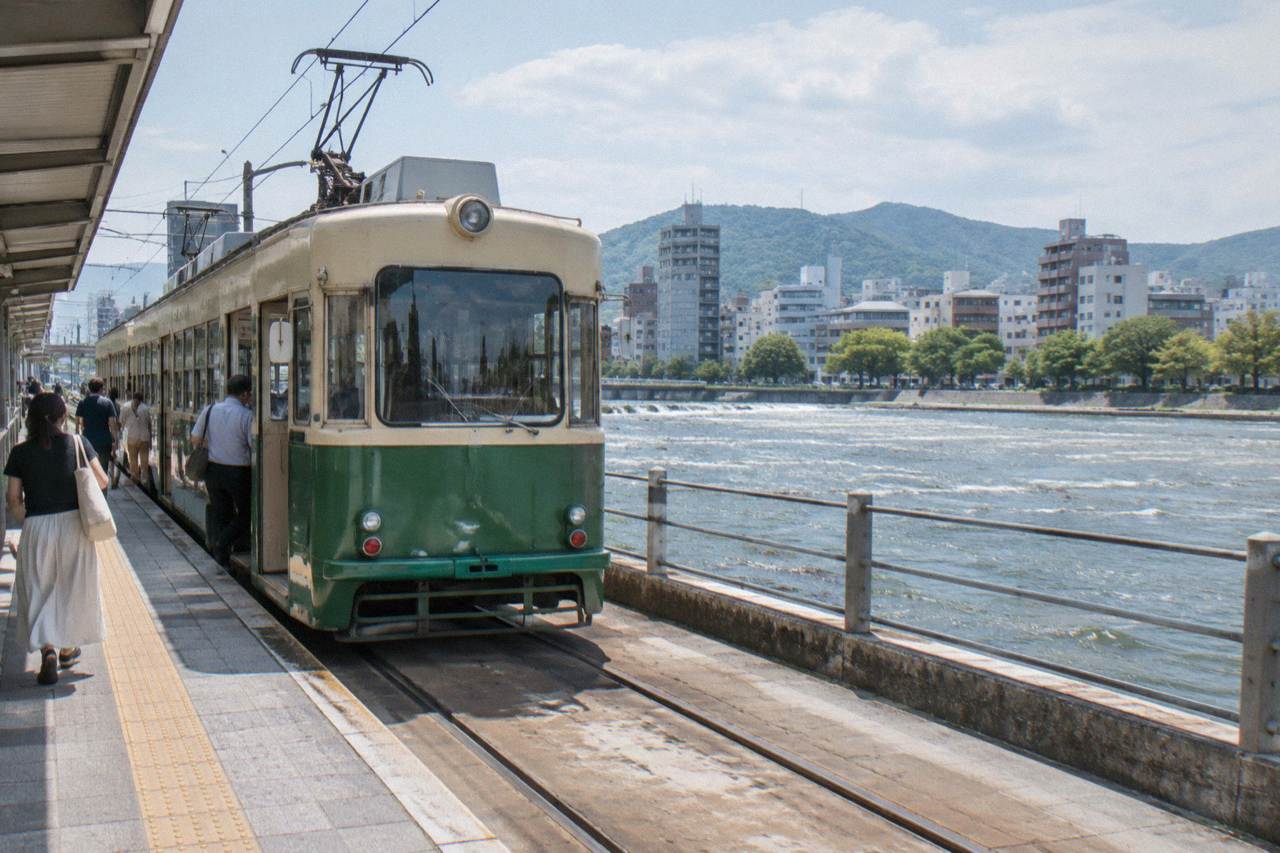
Card, IC and cash payments in Hiroshima: Hiroden streetcar fares and passes, museum and shrine admission in yen, airport exchange and ATM hours, and how much cash to carry.
No, the Hiroshima Peace Memorial Park is a free public park open 24 hours. The museum inside it charges 200 yen. Here is what needs tickets and what does not.
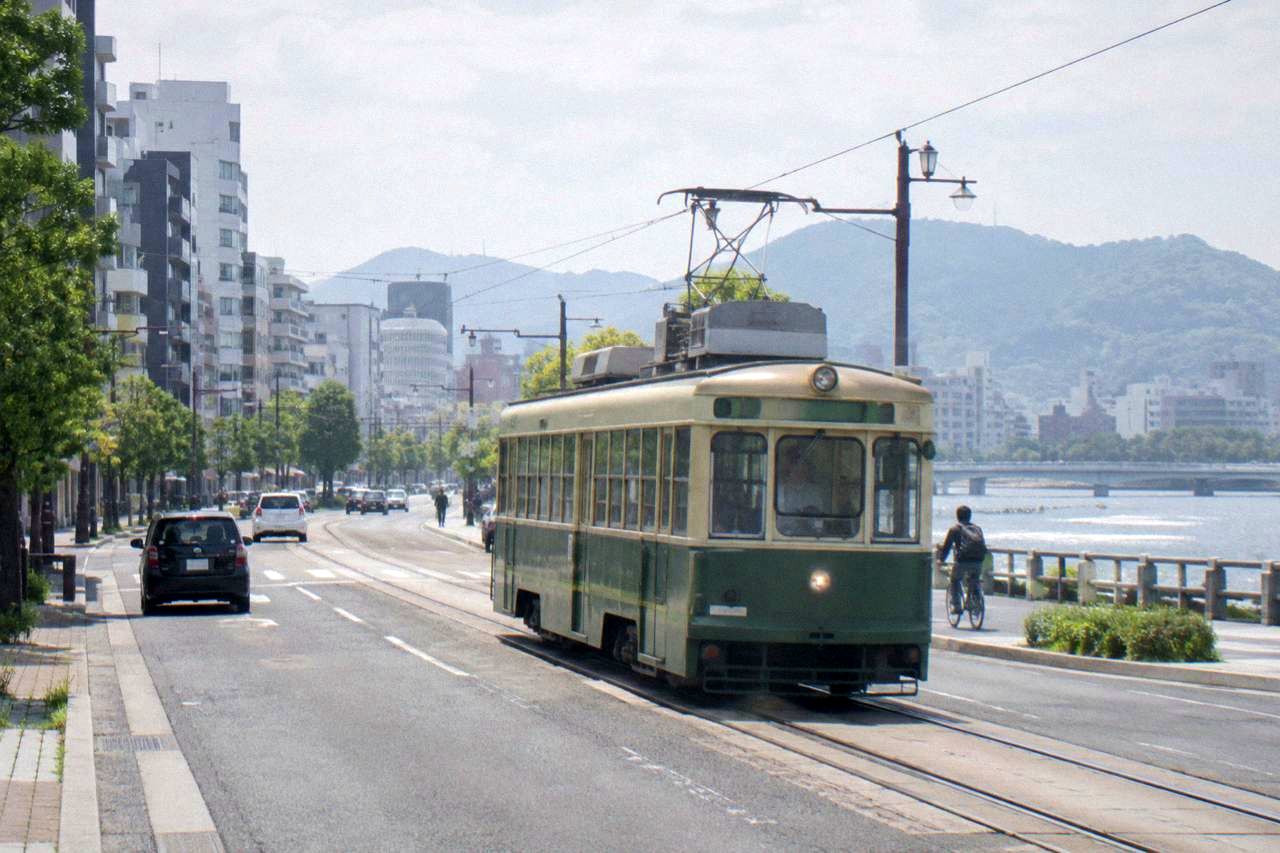
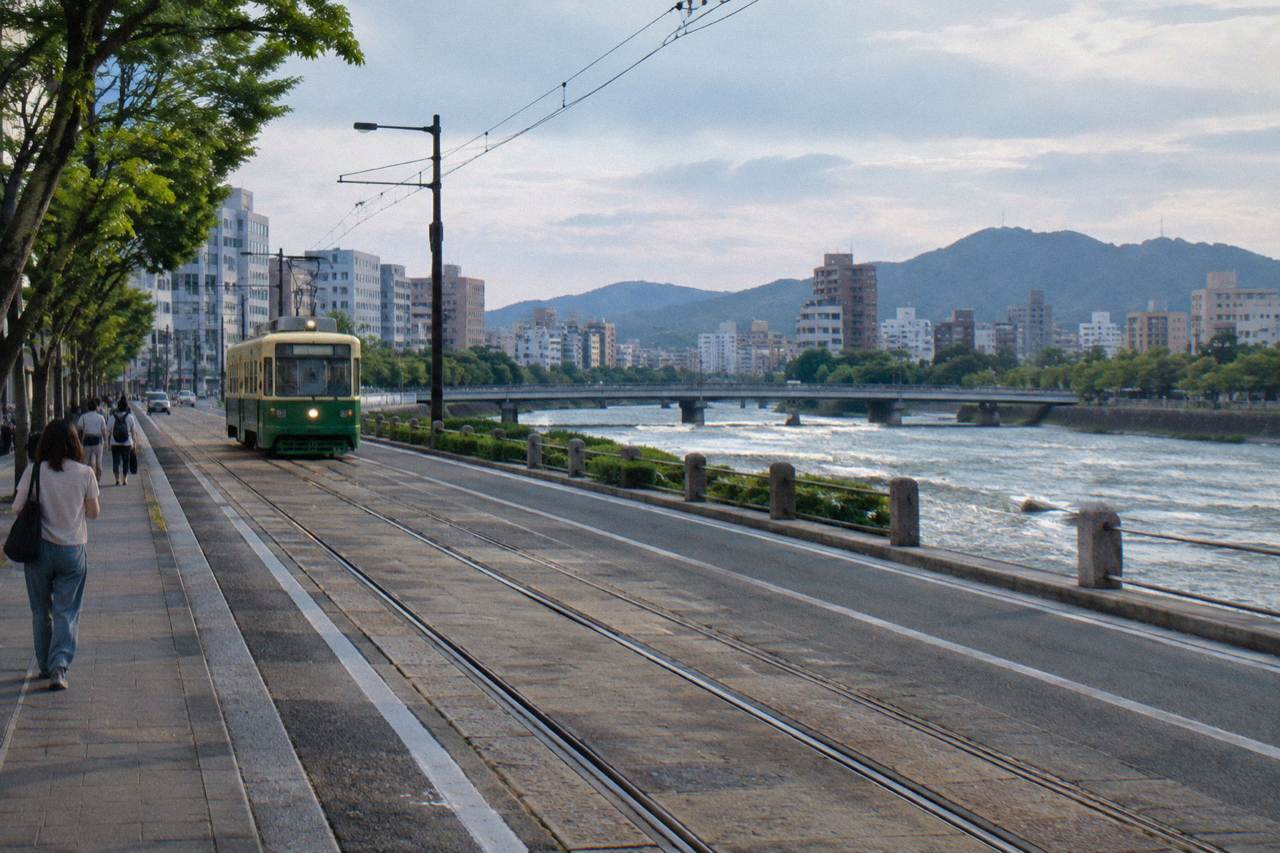
Trams, loop buses and city buses from Hiroshima Station to the Peace Memorial Park: fares, lines, stops and walking times, with museum hours at the park end.
How to say Miyajima, the island in Hiroshima Bay, syllable by syllable, plus how to pronounce Itsukushima, Miyajimaguchi, momiji manju and other names you will meet on the ferry from Hiroshima.
How long was Hiroshima radioactive? The City of Hiroshima's own figures on residual radiation, its rapid decline after 6 August 1945, and what the levels are today.
Two days covers Hiroshima city and Miyajima; three adds a day trip. Here is how the timings break down so you can pick your stay.
How many Hiroshima survivors are still alive today, what the health handbook figures say, and who now carries the survivors' stories forward in Hiroshima.
The Miyajima Visitor Tax is 100 yen per person, collected with your ferry ticket to the island. Here is how it works, who is exempt, and how it fits your ferry fare.
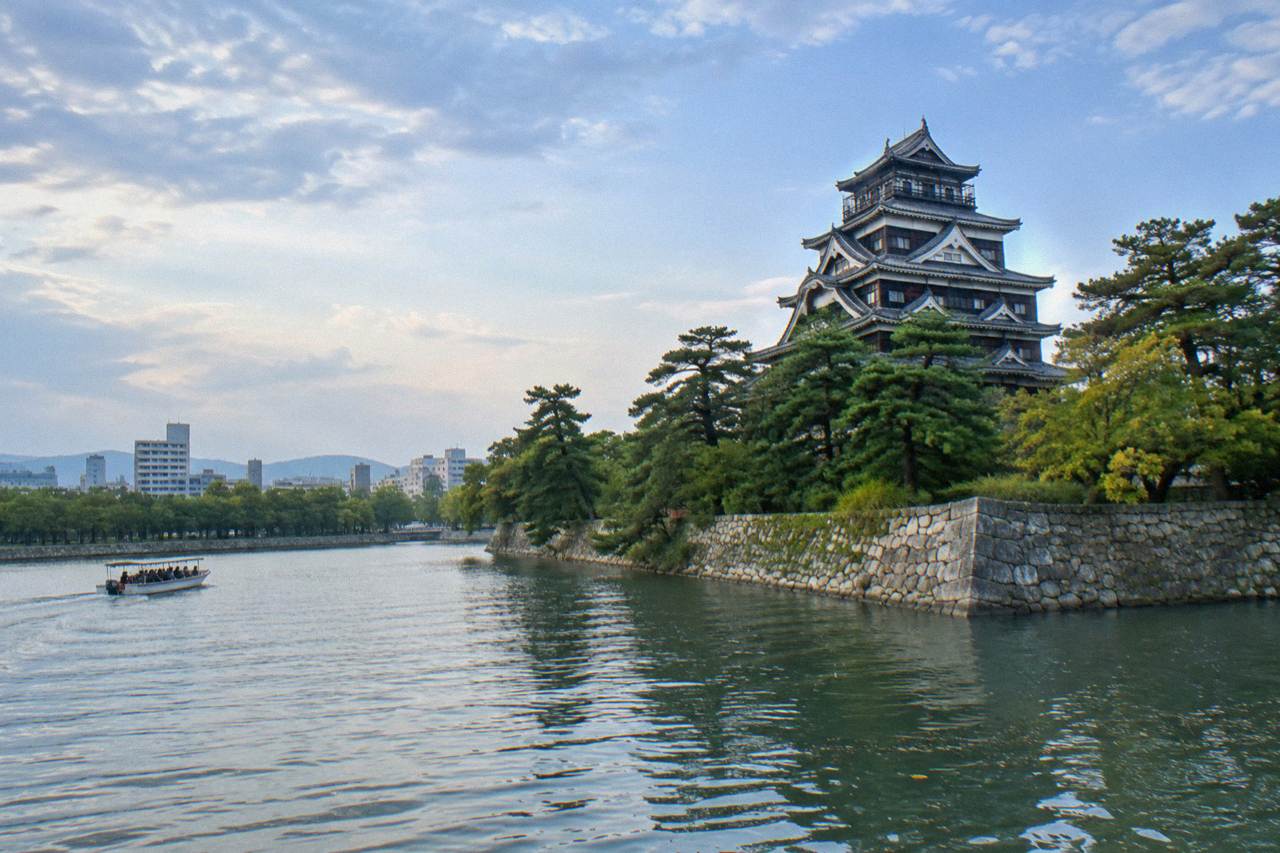
Hiroshima Castle's keep closed to visitors on 22 March 2026, but the grounds, moat, Ninomaru buildings and moat cruise remain open. Here is what is still accessible in Hiroshima.
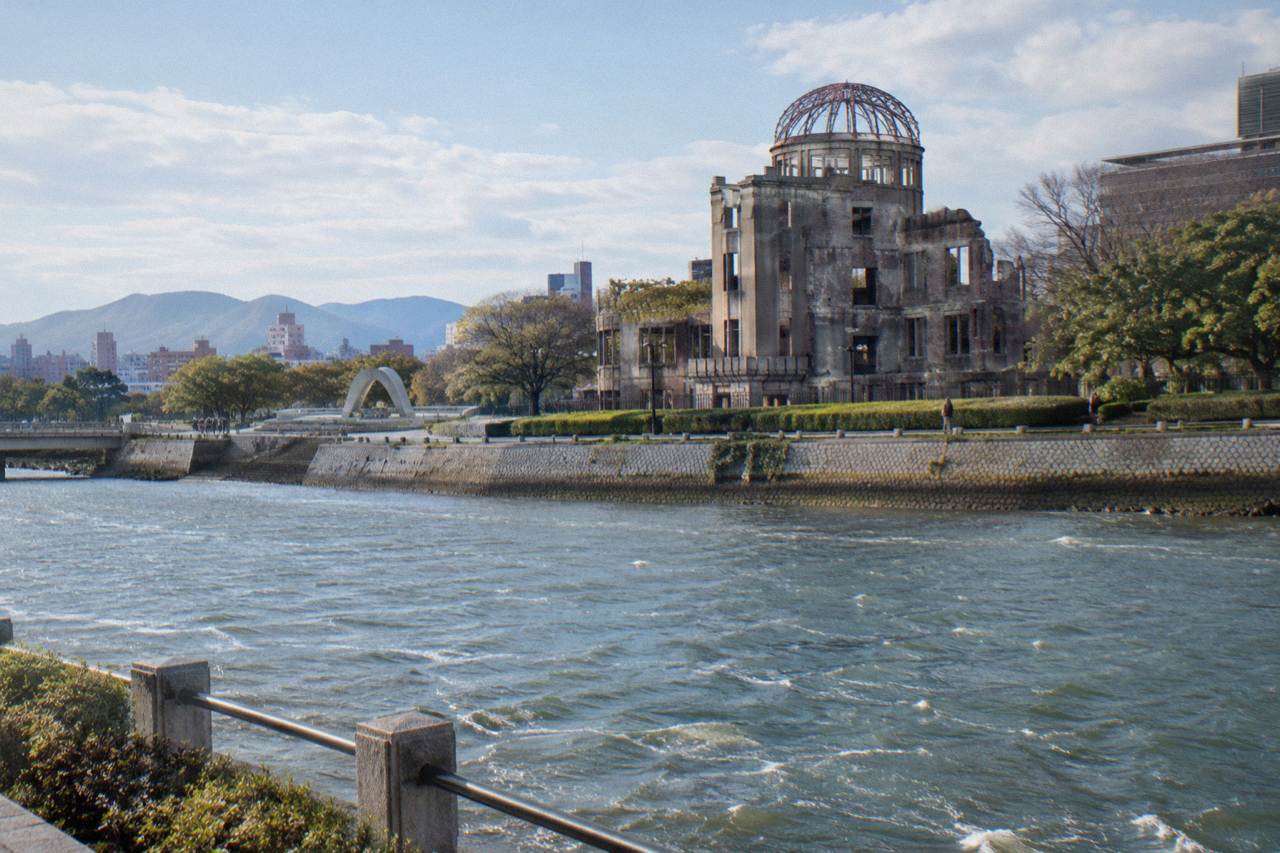
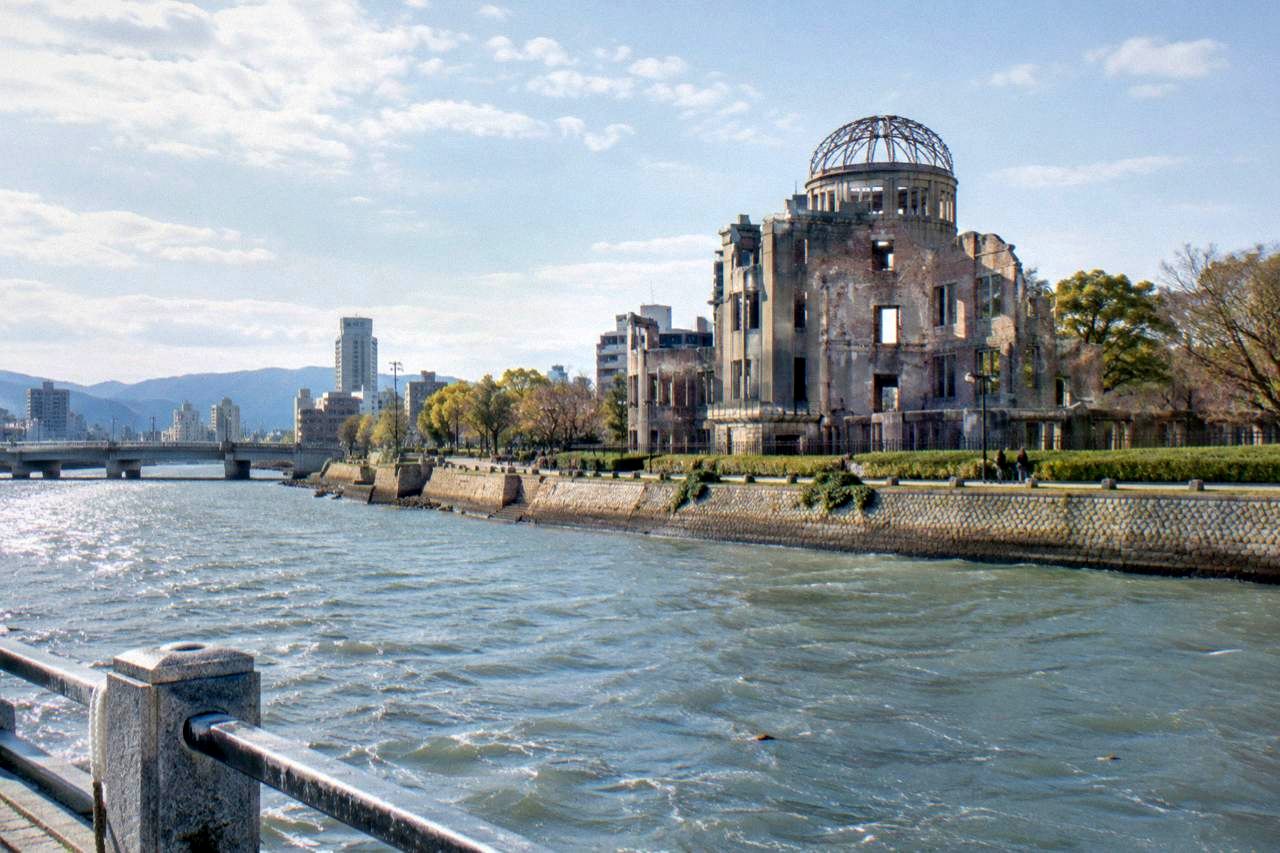
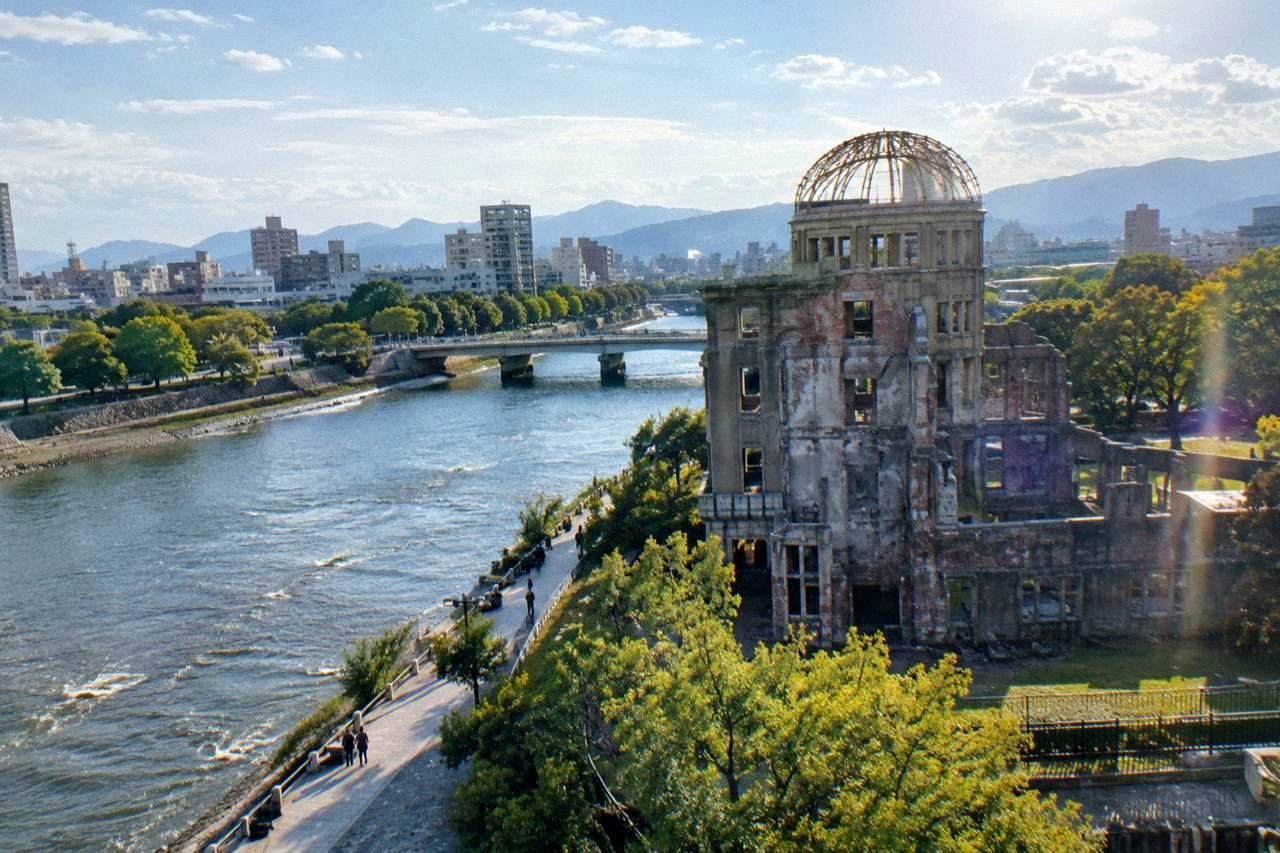
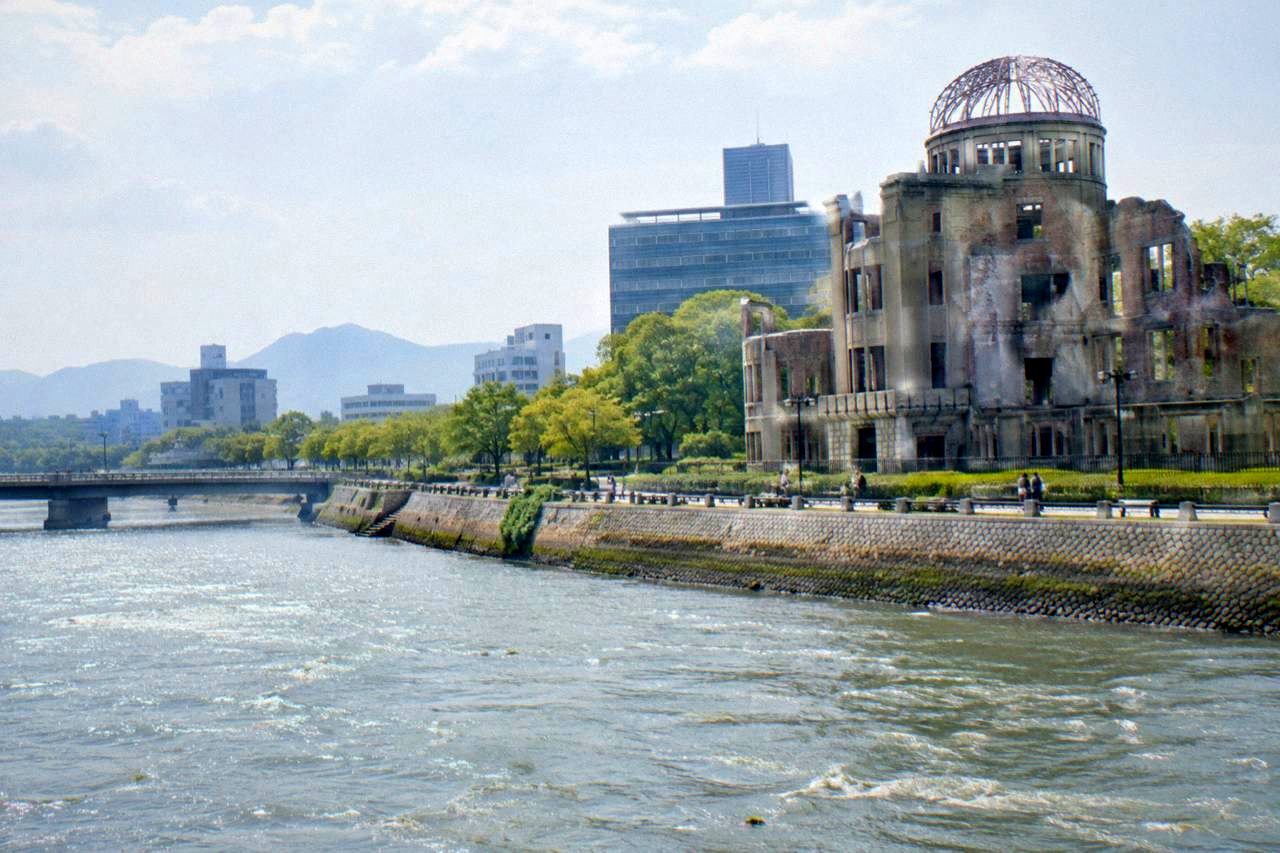
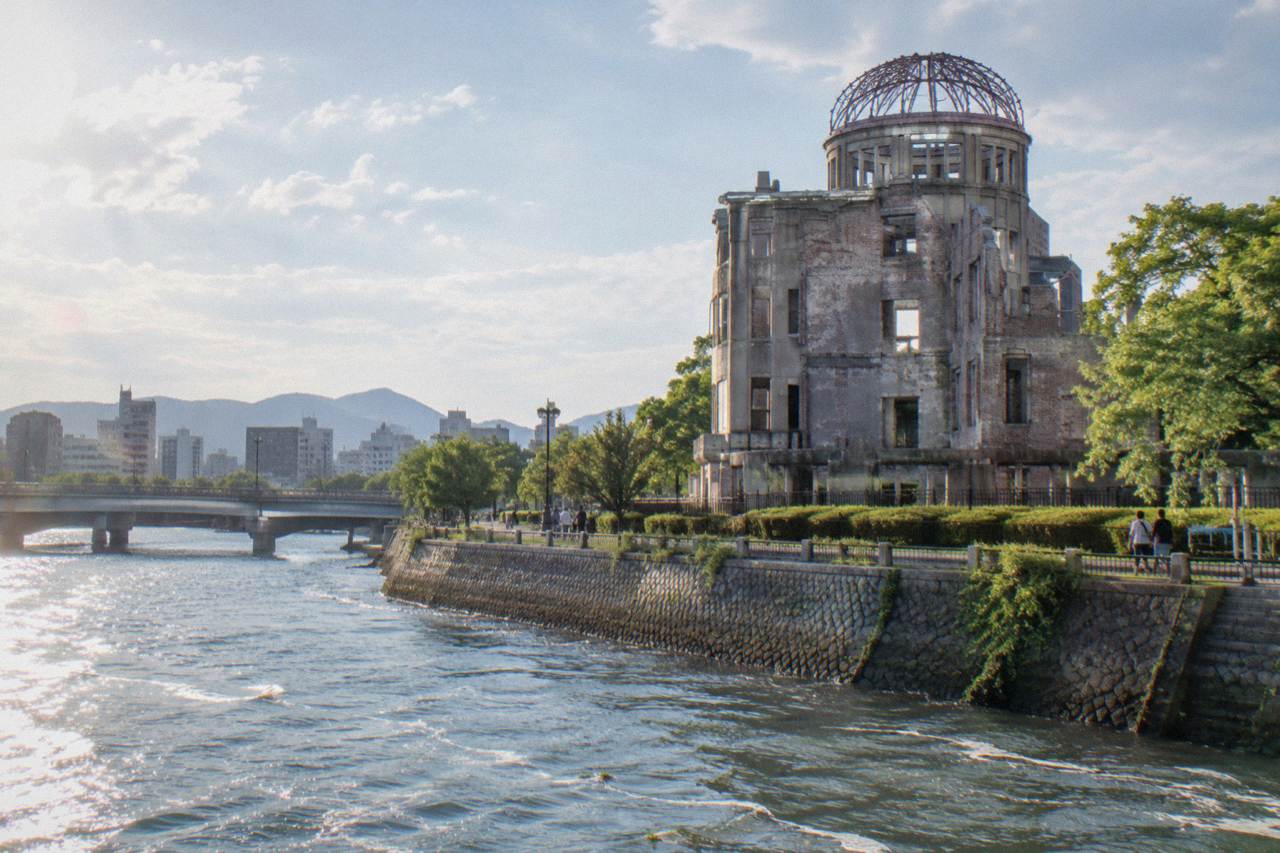
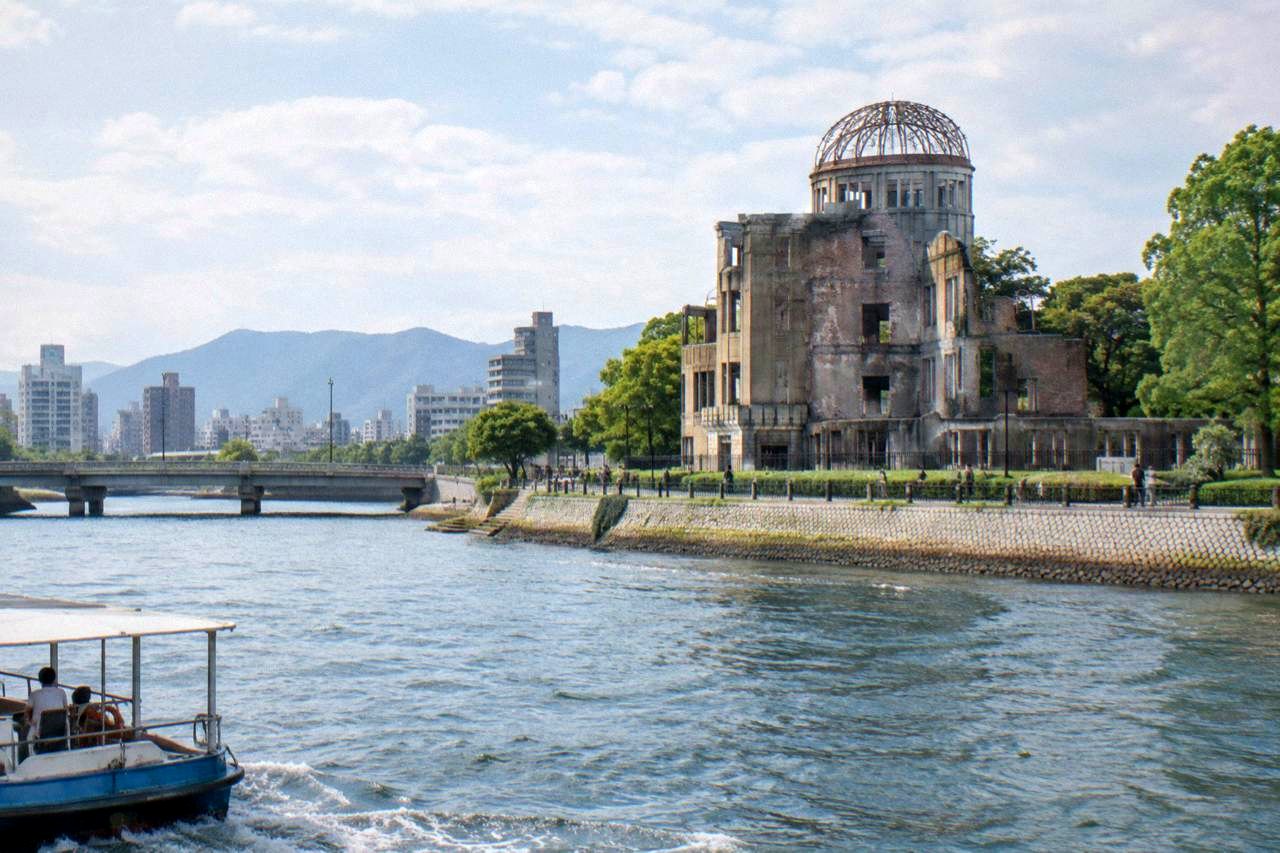
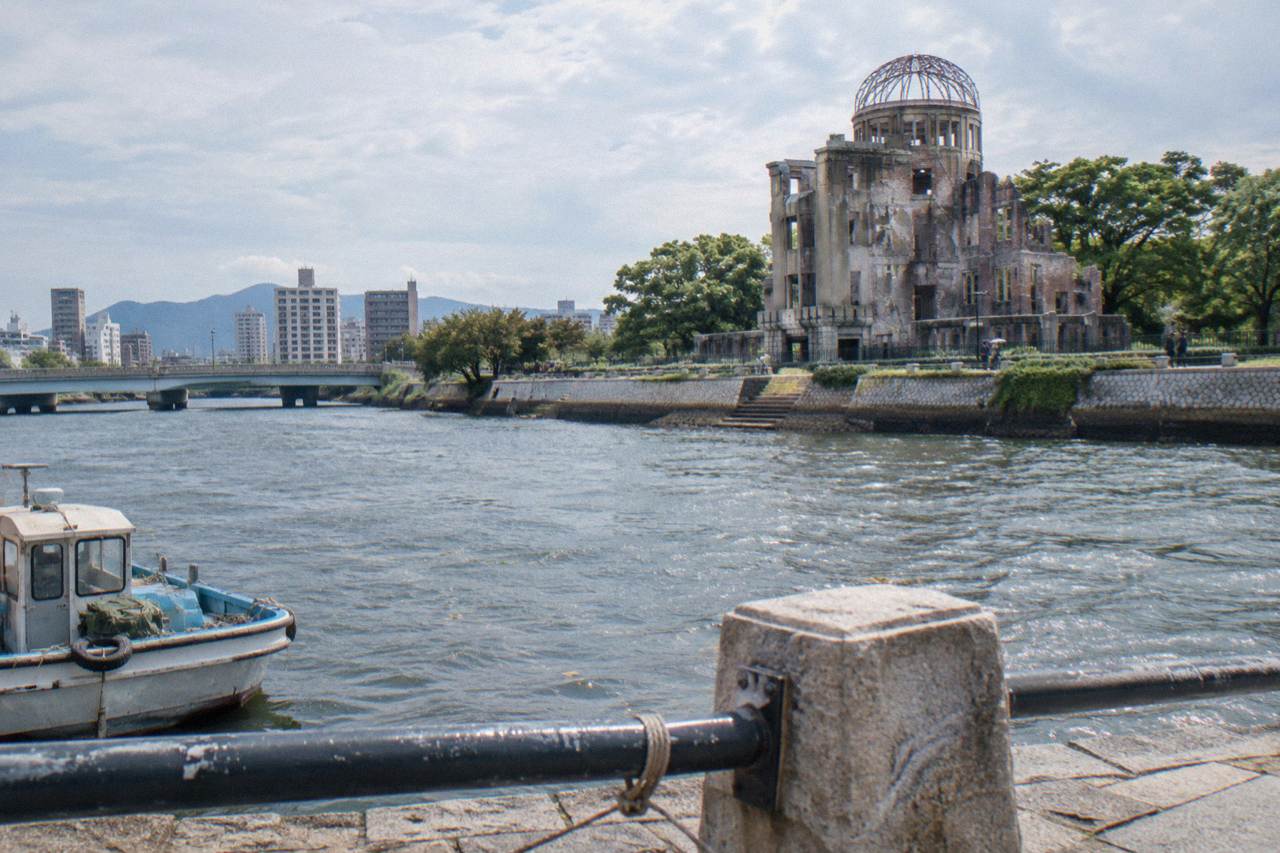
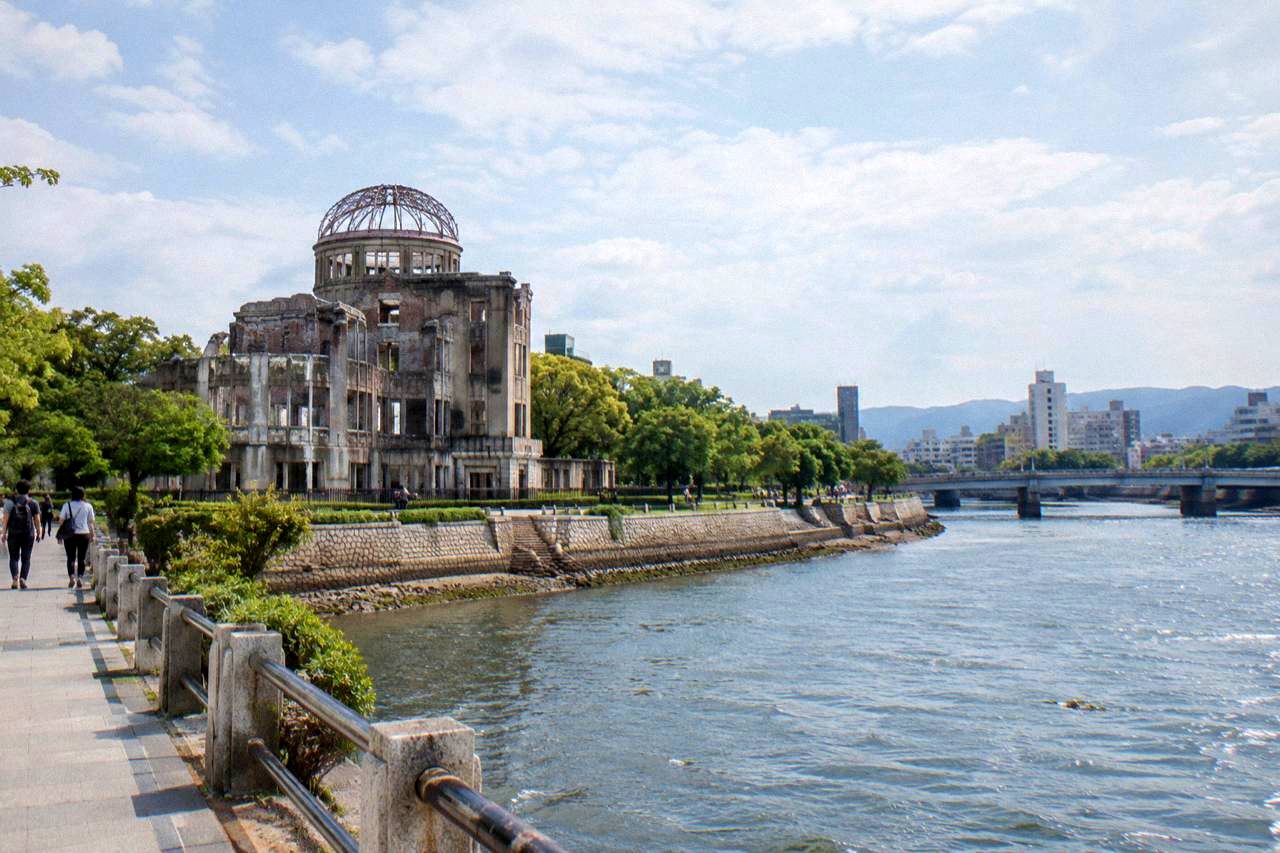
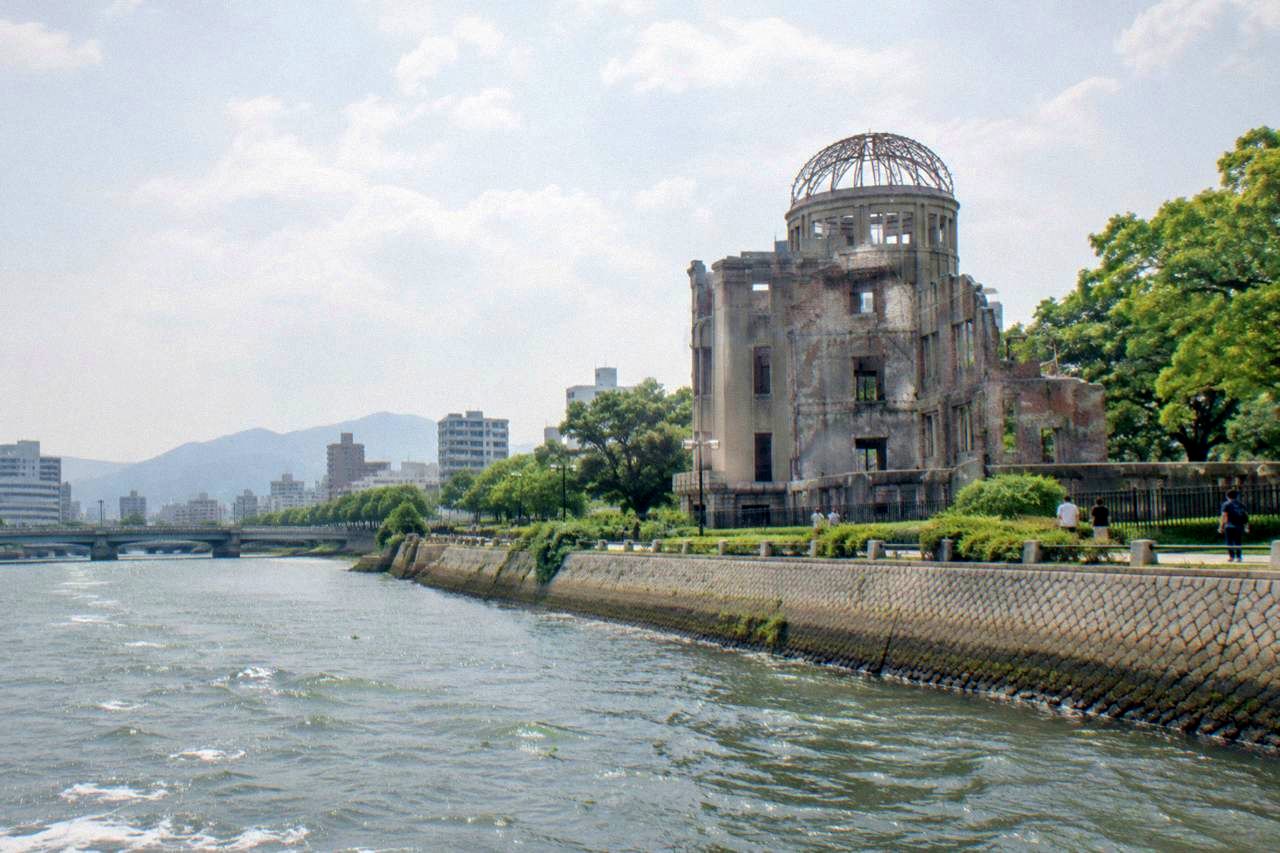
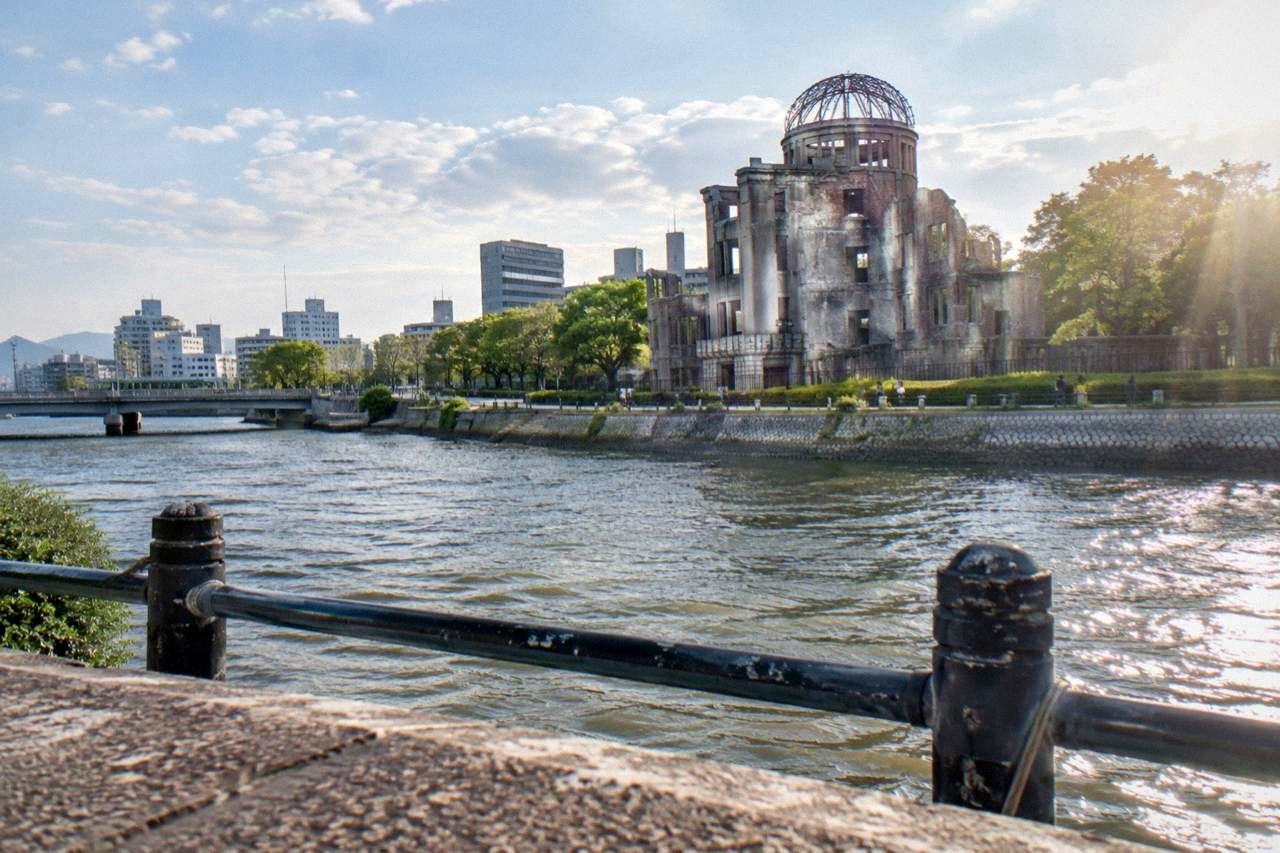
Is Hiroshima dark tourism? A clear answer on what the term means, what the Peace Memorial Museum and city of Hiroshima say, and how to visit the park and A-Bomb Dome respectfully.
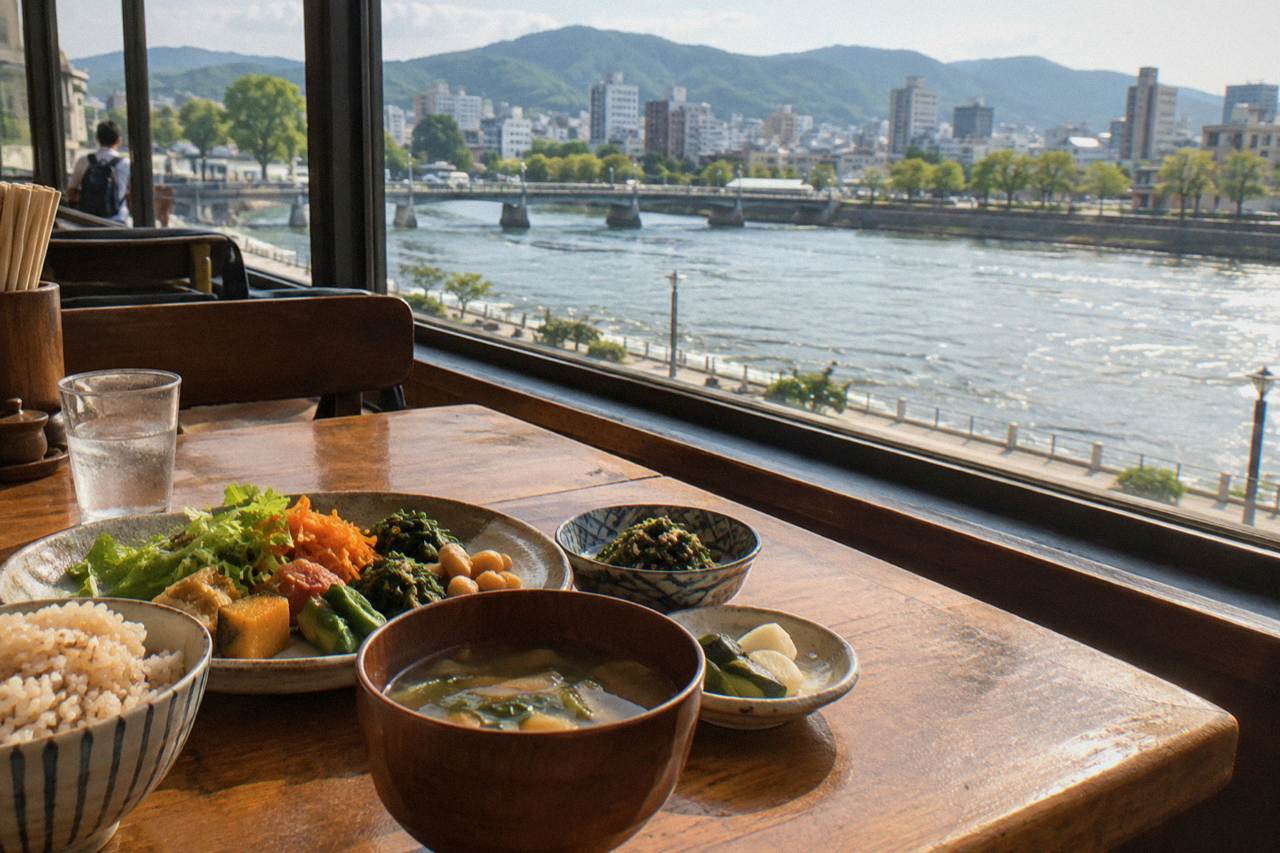
Is Hiroshima good for vegetarians? A practical answer with vegan and vegetarian restaurants, vegan okonomiyaki, prices in yen, and what to order across Hiroshima and Miyajima.
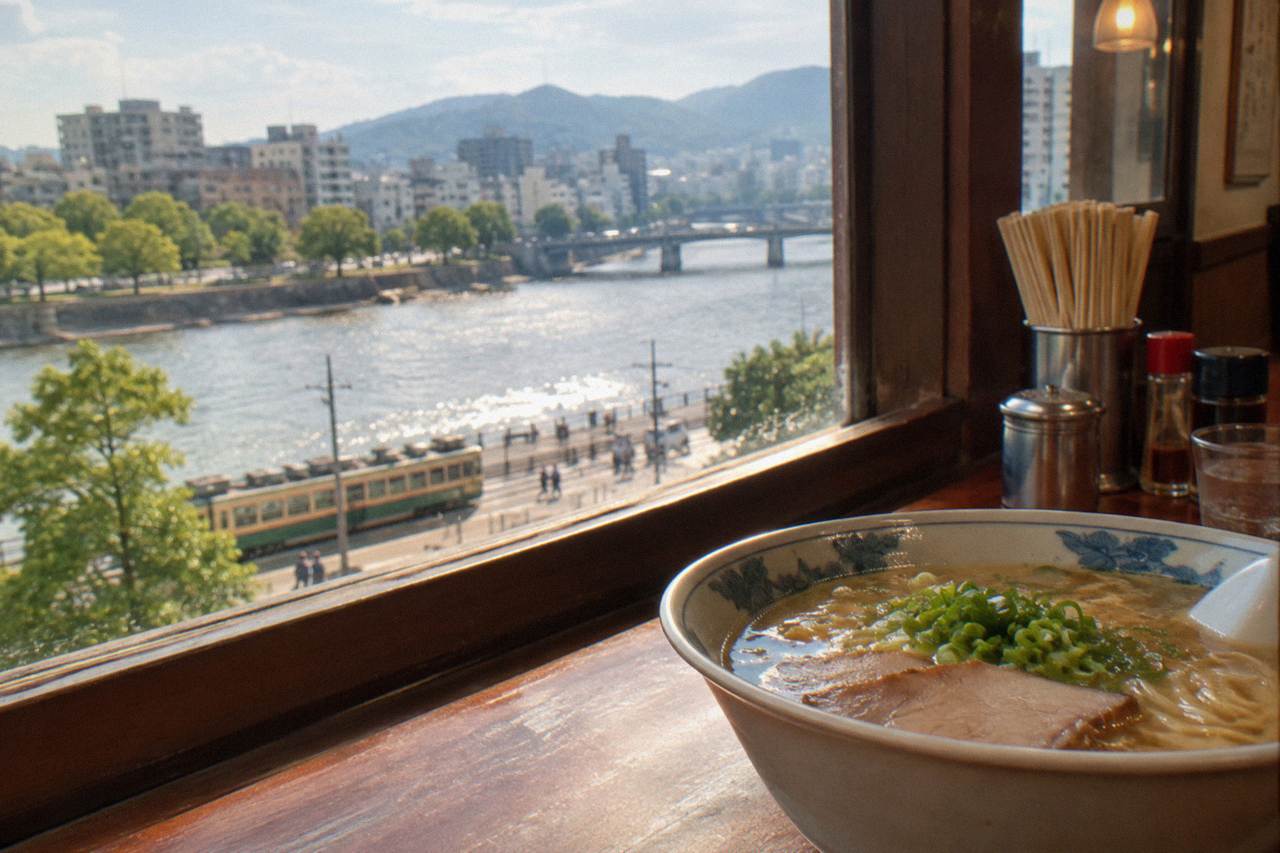
Is Hiroshima known for ramen? The city's noodle identity explained: Hiroshima chuka soba, soupless tantanmen, the postwar stall origins, and how ramen fits beside okonomiyaki.
No, Hiroshima is not still radioactive in any harmful sense: the City of Hiroshima states radiation there today matches natural background levels found anywhere on Earth and has no effect on human bodies.
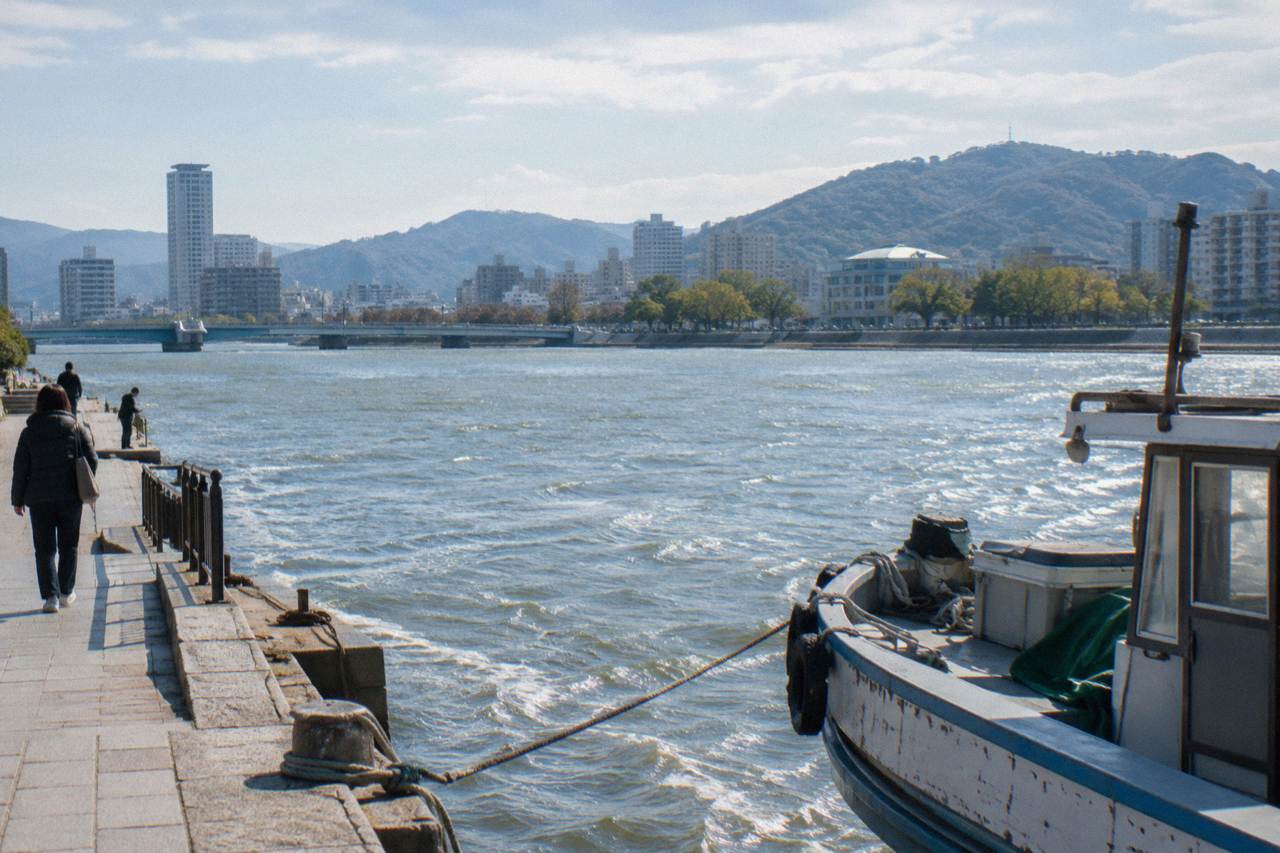
Is Hiroshima walkable? Yes: the city center is compact, flat and served by a 240 yen flat-fare streetcar network, and this guide covers the walking distances, fares and pedestrian routes the official pages publish.
Is Hiroshima worth visiting? A factual look at the Peace Memorial Park, Miyajima, food, costs and transport in the city on the Seto Inland Sea.
Americans visit Hiroshima visa-free, and the city welcomes them. Entry rules, costs in yen, Peace Park etiquette and day planning, reported from official pages.
How healthy is Hiroshima okonomiyaki? Calorie counts, nutrition breakdowns from published analyses, and how the Hiroshima style compares with convenience store versions.
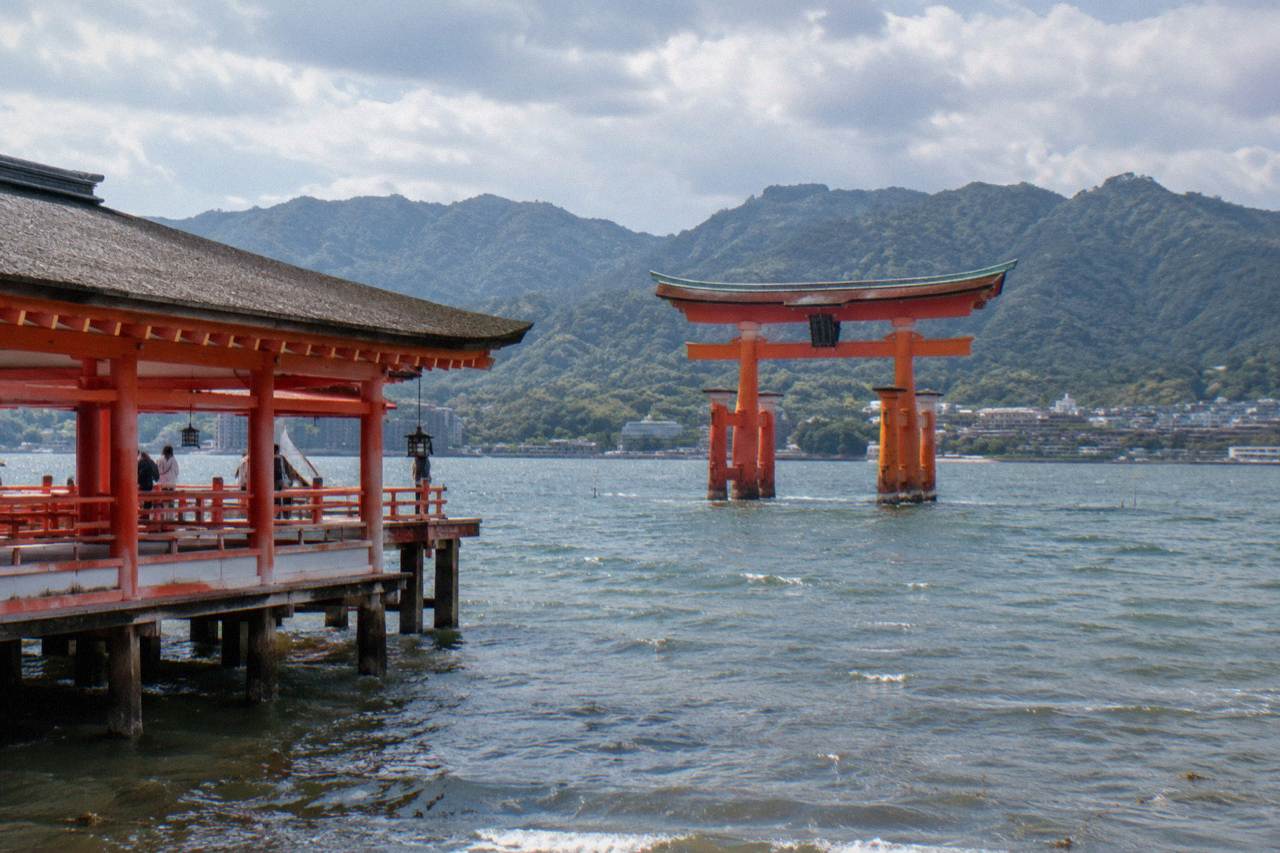
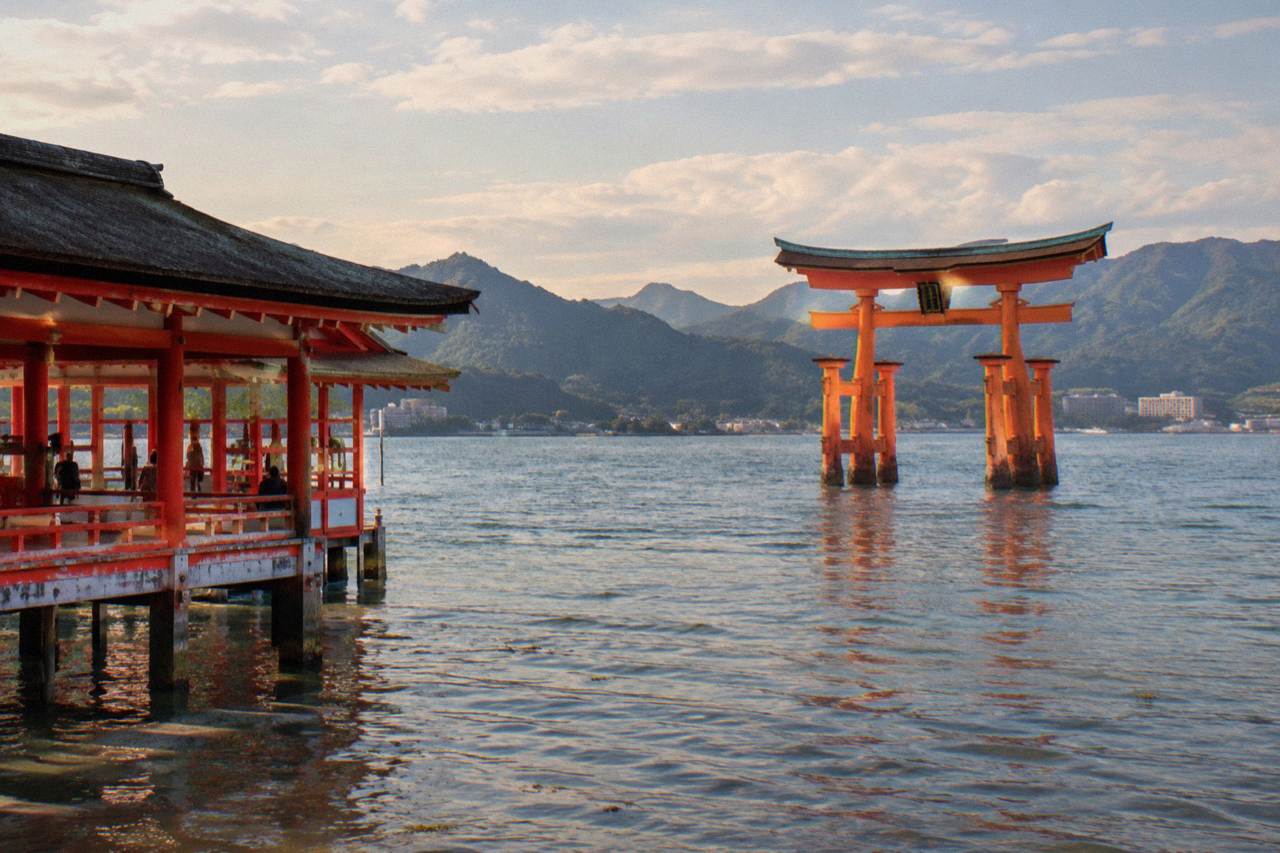
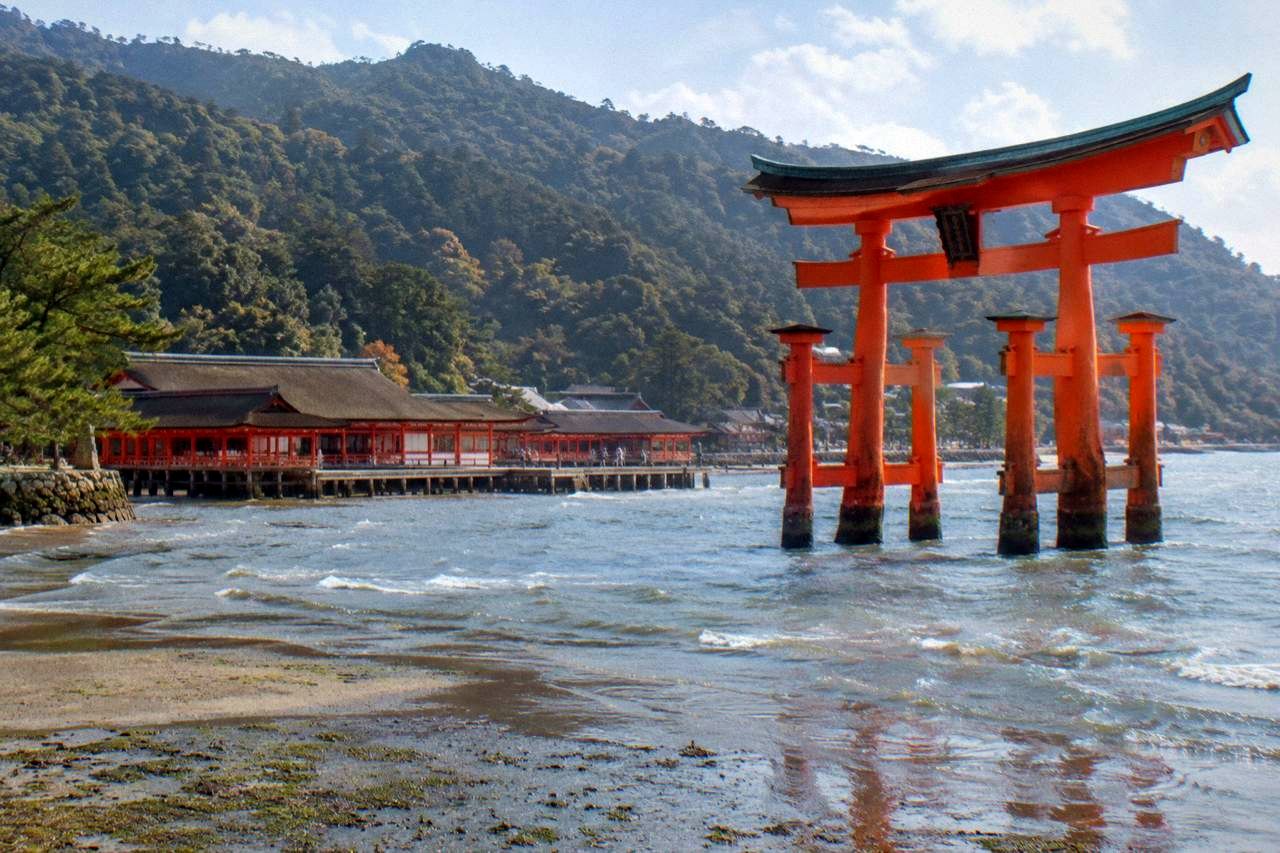
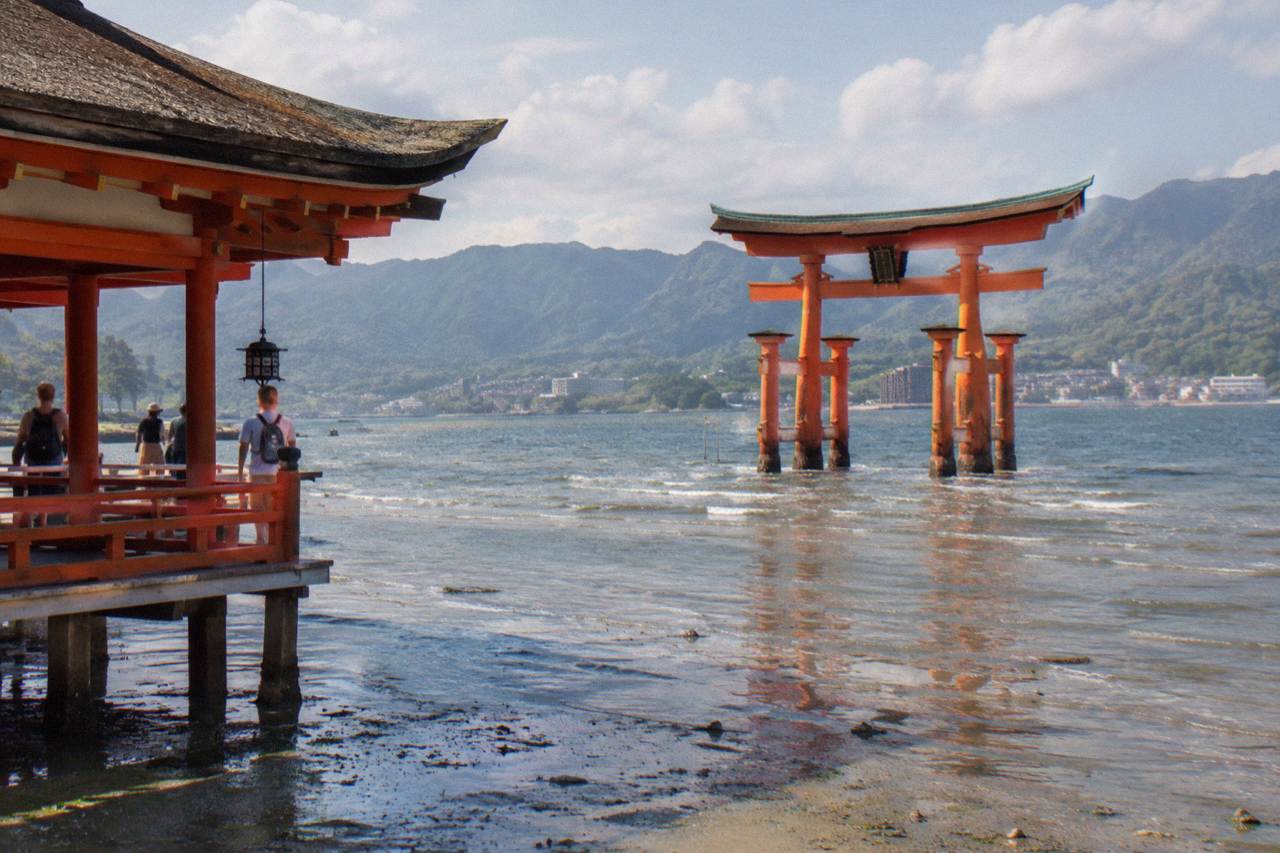
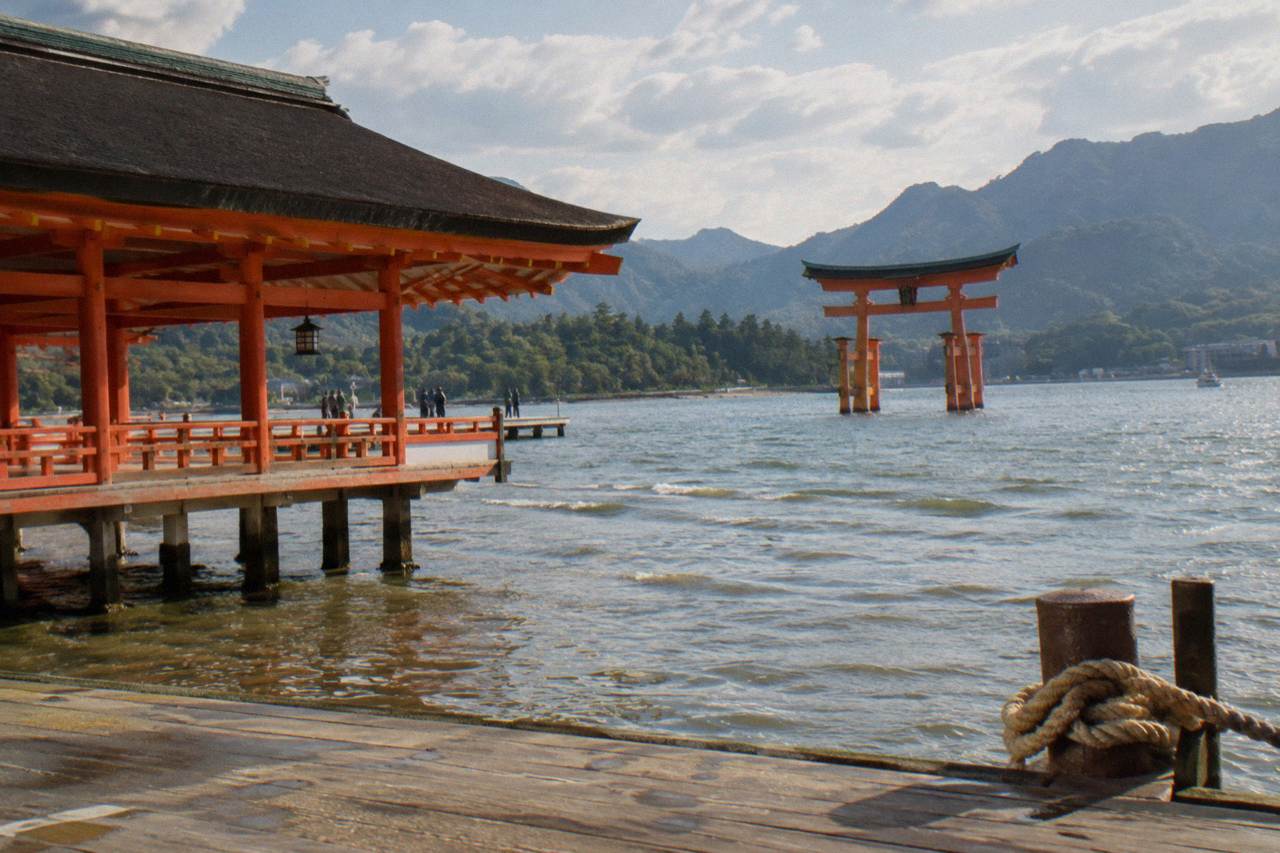
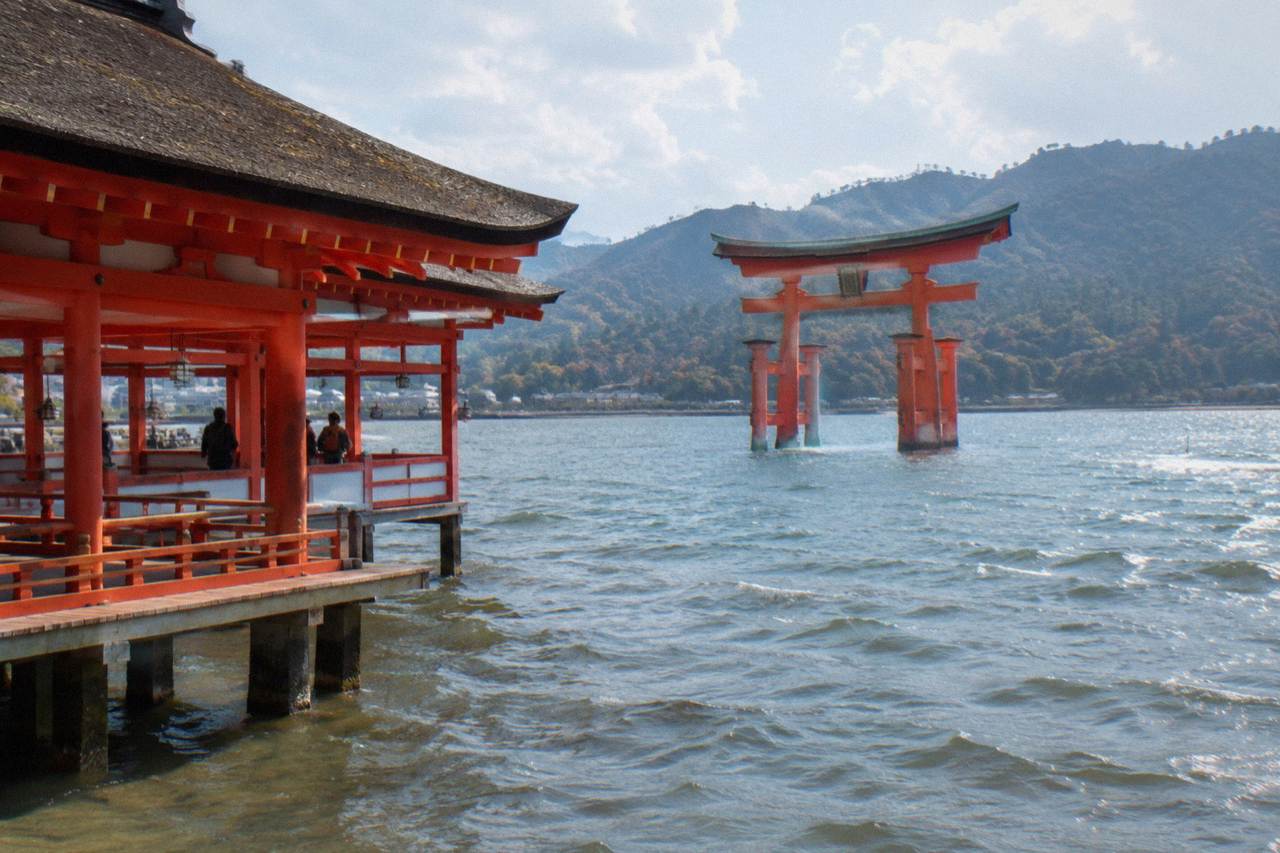
Yes: the Great Torii of Itsukushima Shrine on Miyajima near Hiroshima is illuminated every night from 30 minutes after sunset until 23:00. Hours, viewpoints, night cruises and the last ferry back.
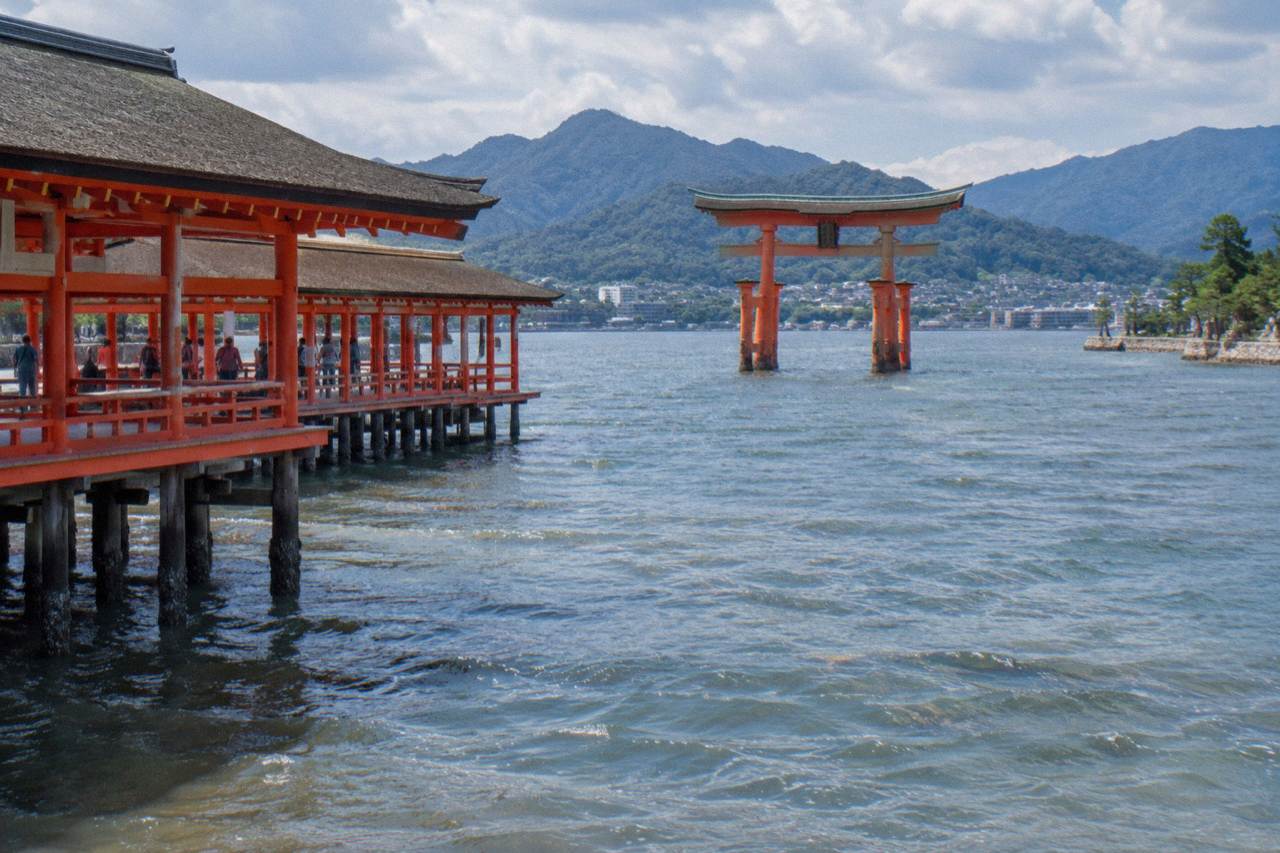
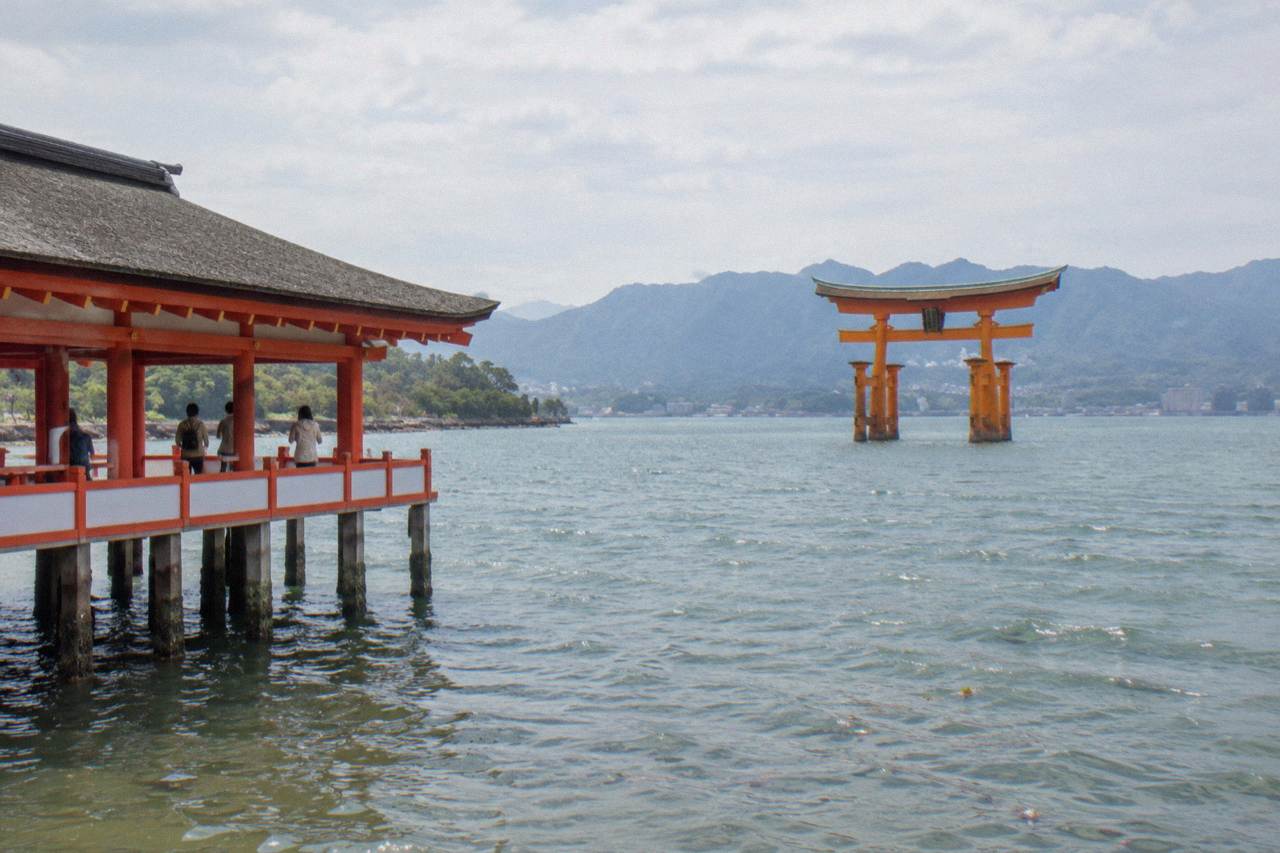
The Great Torii restoration at Miyajima finished in December 2022, but shrine corridor and pagoda repairs run into 2027. Here is what is open, what is scaffolded, and what it means for a visit from Hiroshima.
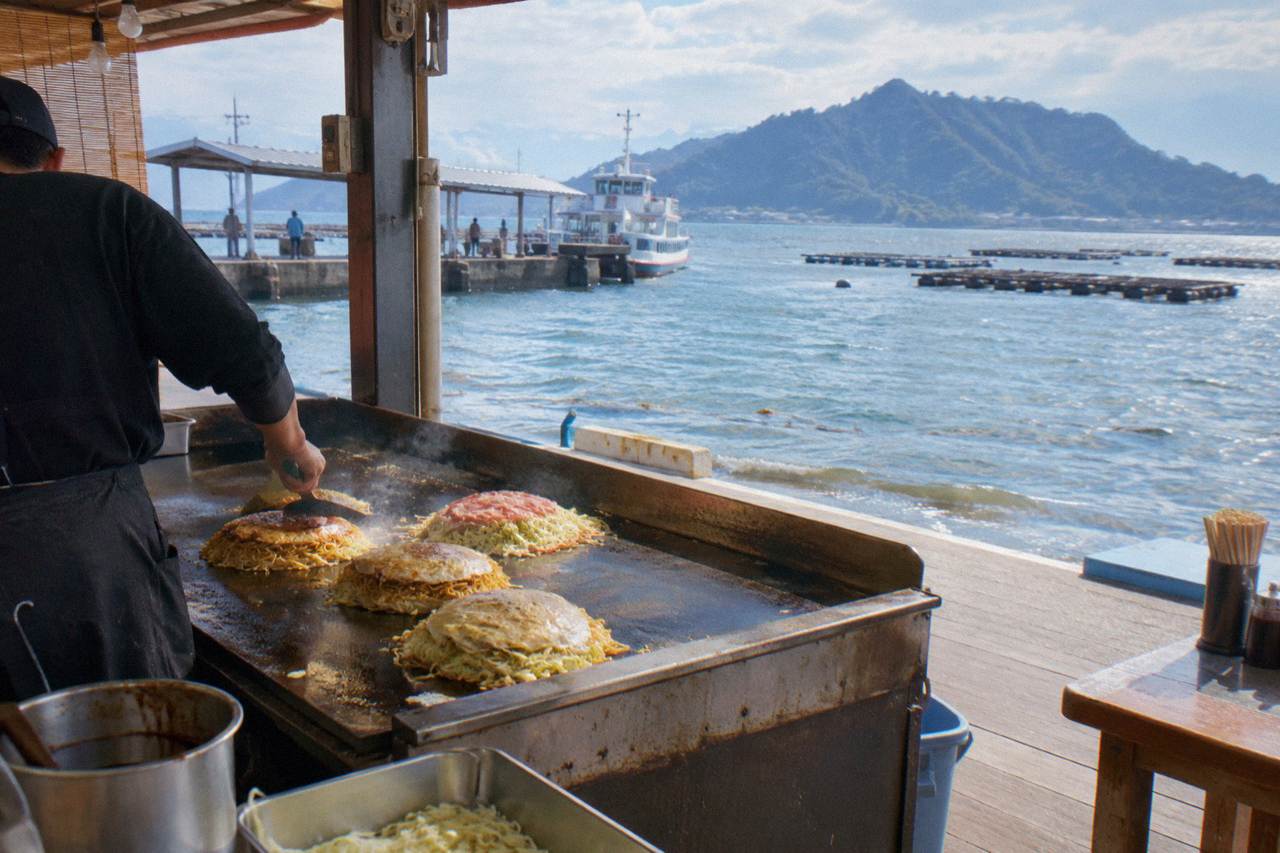
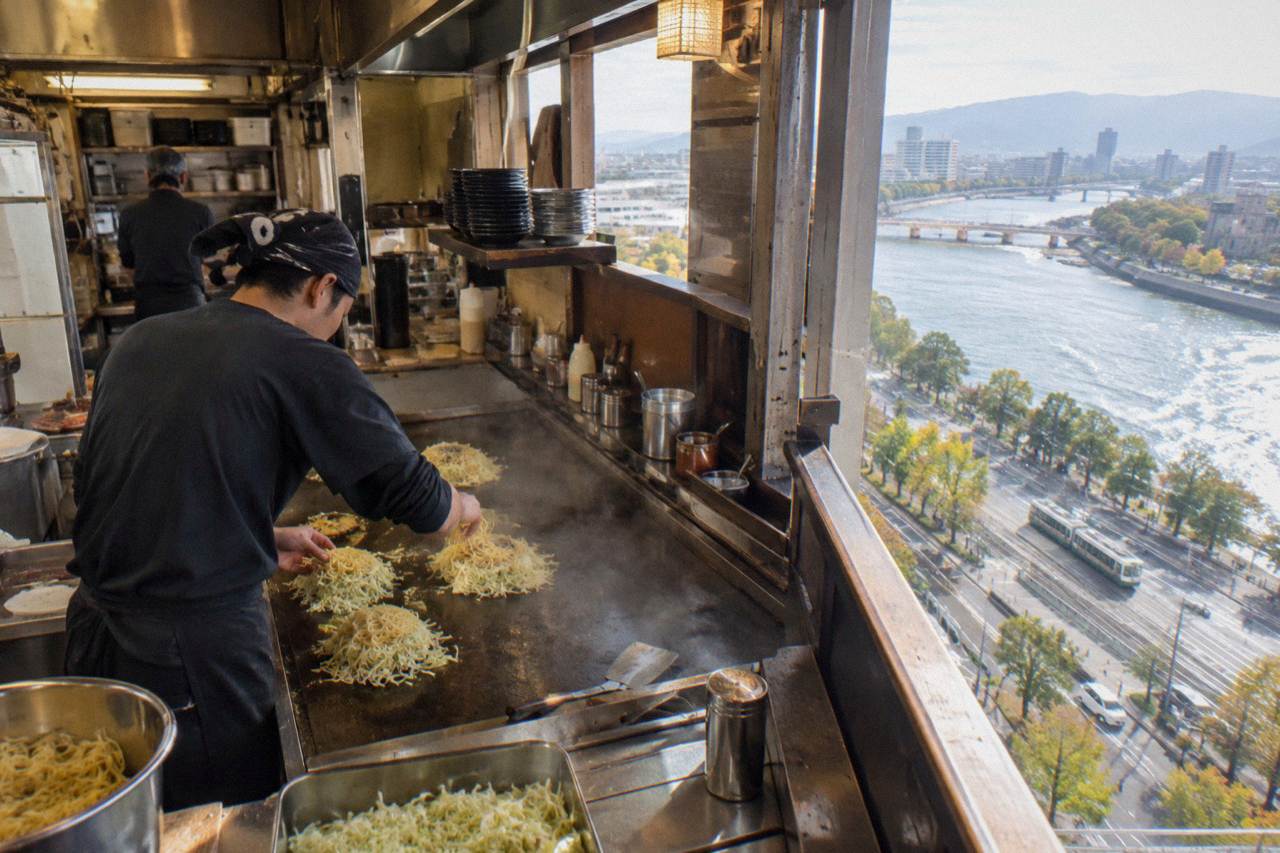
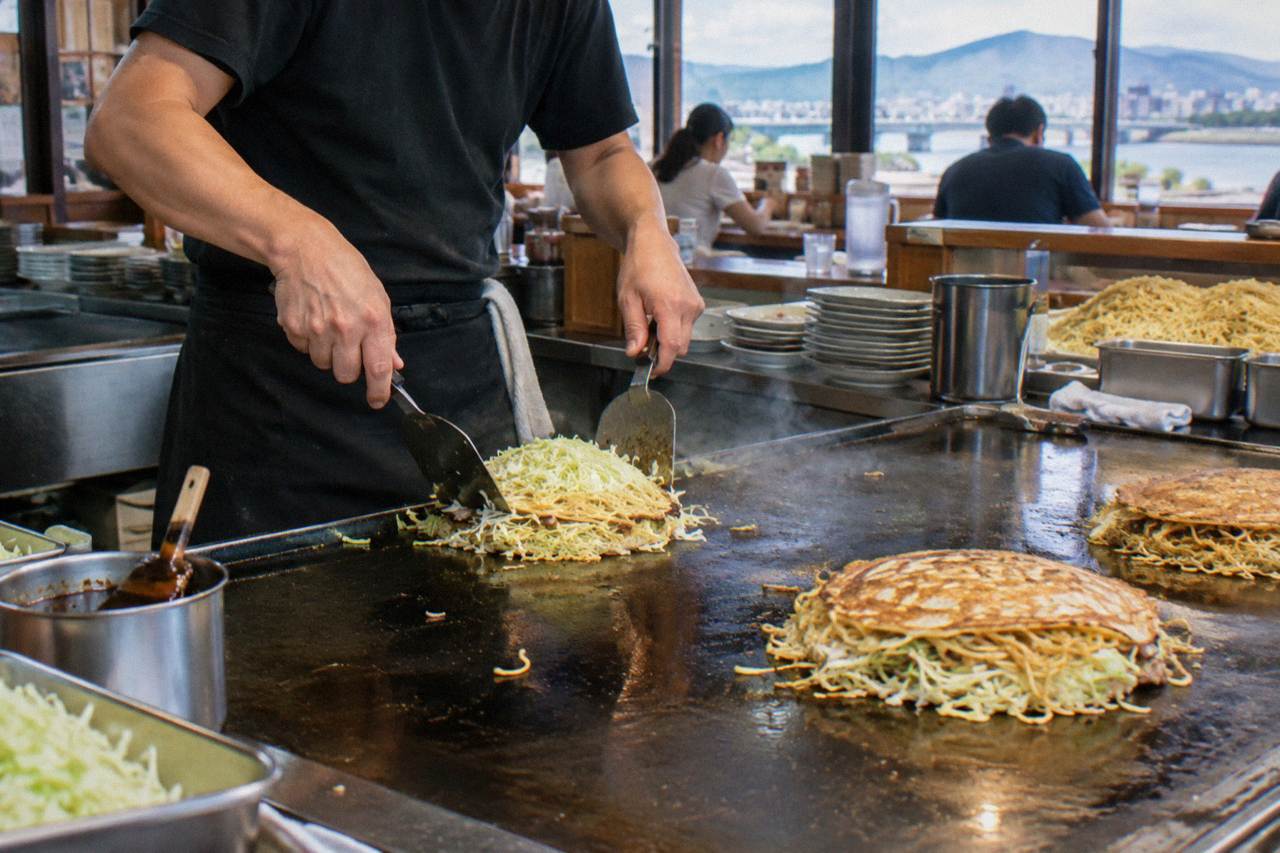
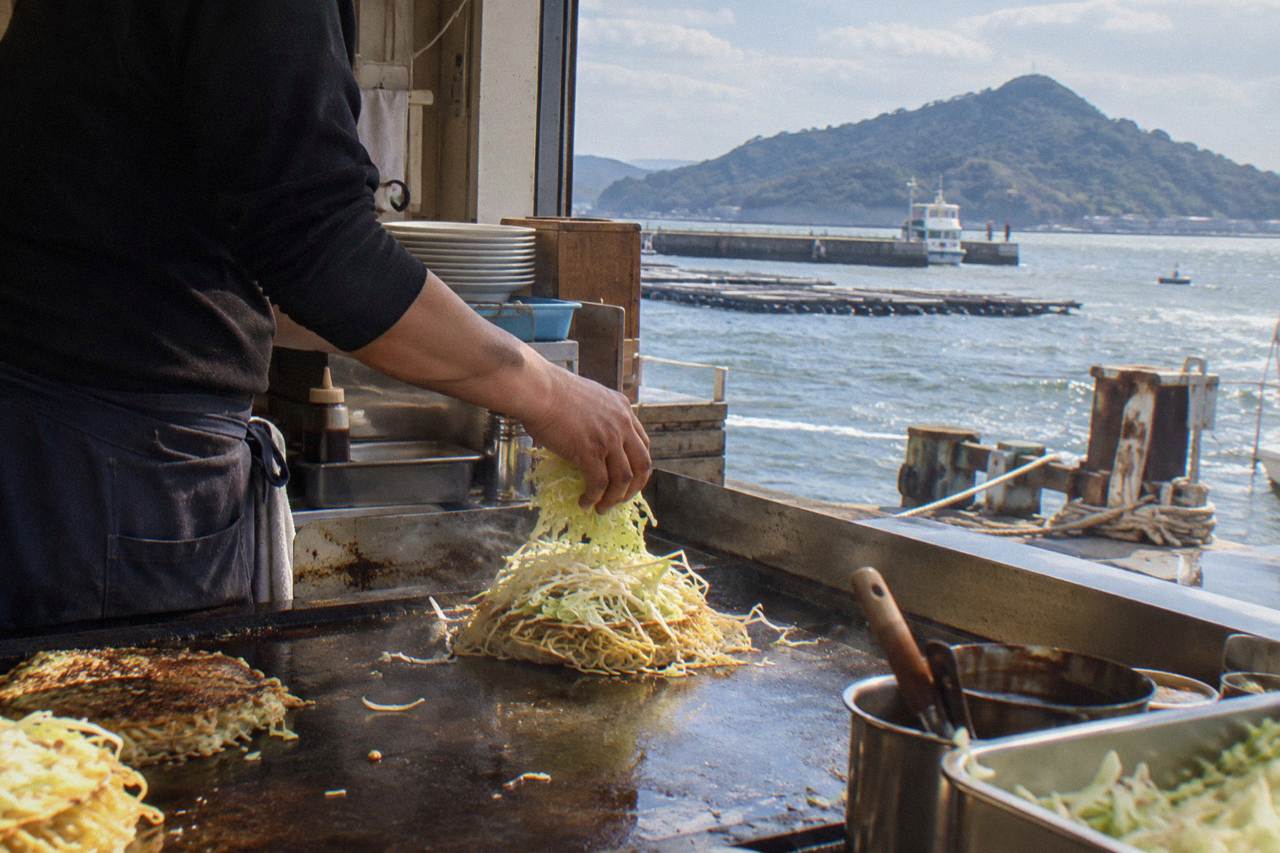
The etiquette rules for eating okonomiyaki at a restaurant in Hiroshima, from the metal spatula and counter seats to the one-per-person rule at small stalls and how to order at Okonomimura.
The name Hiroshima means wide island in Japanese. Here is what the kanji, the city emblem and the 1589 founding actually say about Hiroshima's name.
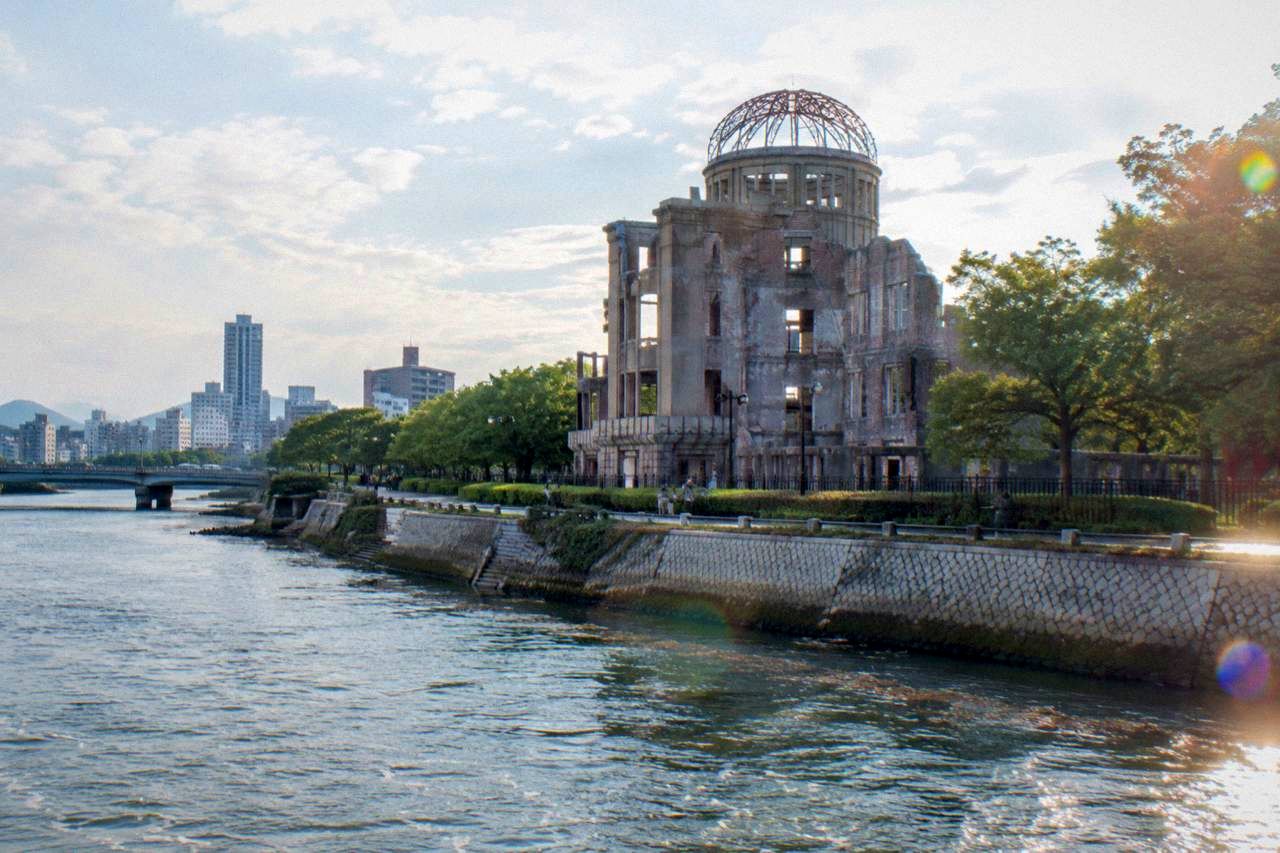
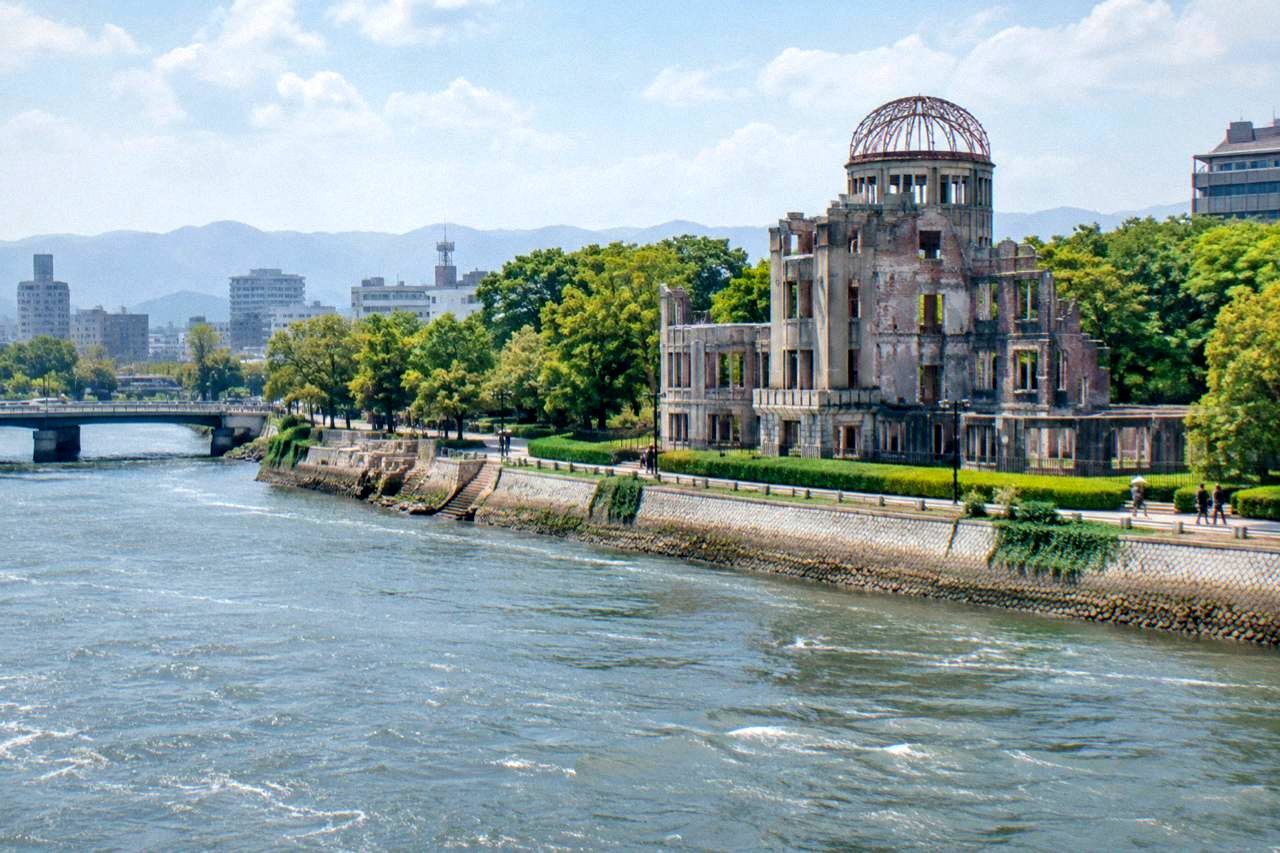
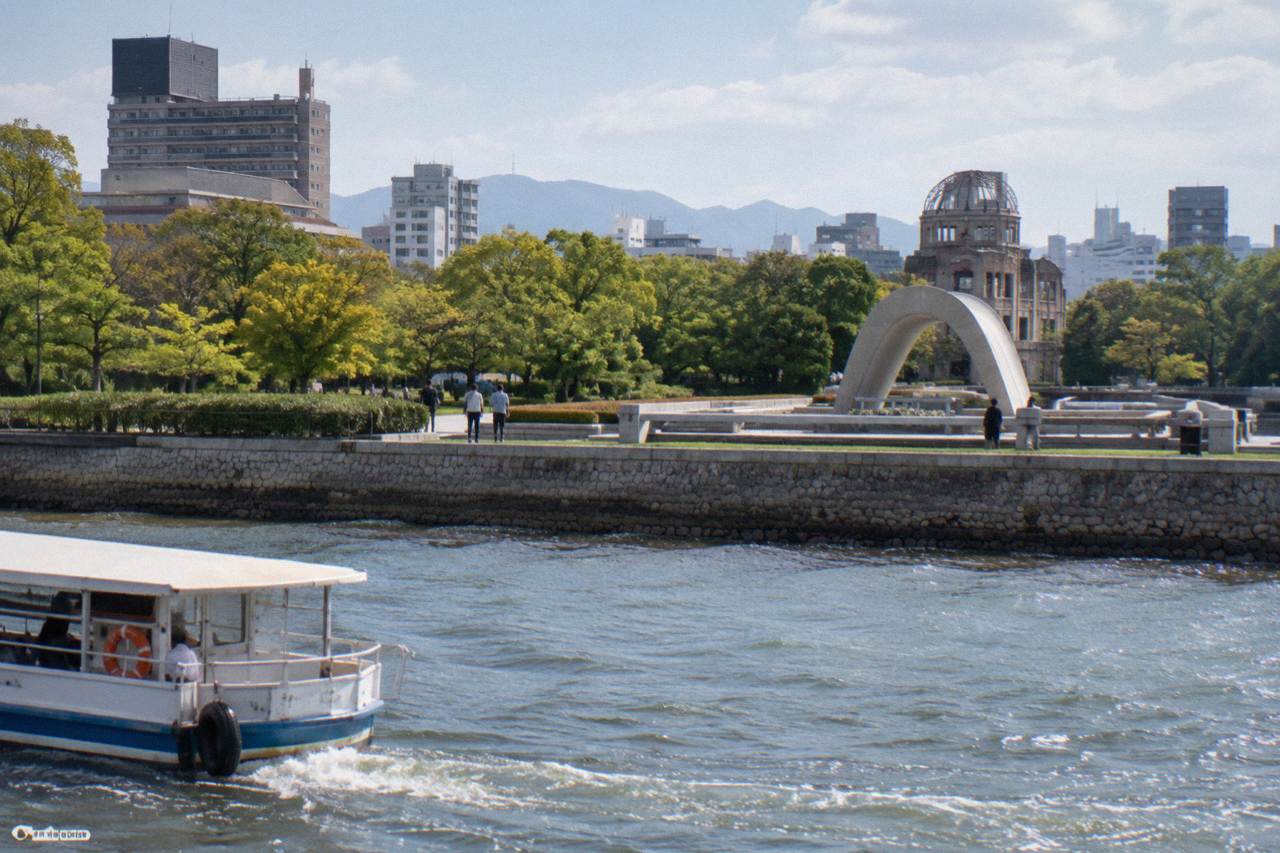
Hiroshima is famous for the Peace Memorial Park and Museum, the A-Bomb Dome, Miyajima's floating torii, and okonomiyaki. Here is what the sources say about each.
Tide, seasons, ferry times and shrine hours decide the best time to go to Miyajima from Hiroshima. A planning guide to hours, weather and costs on the island.
The essential Hiroshima sights: Peace Memorial Park, the museum and the A-Bomb Dome, Miyajima and Itsukushima Shrine, the castle grounds, Shukkeien and okonomiyaki, with current fees and hours.
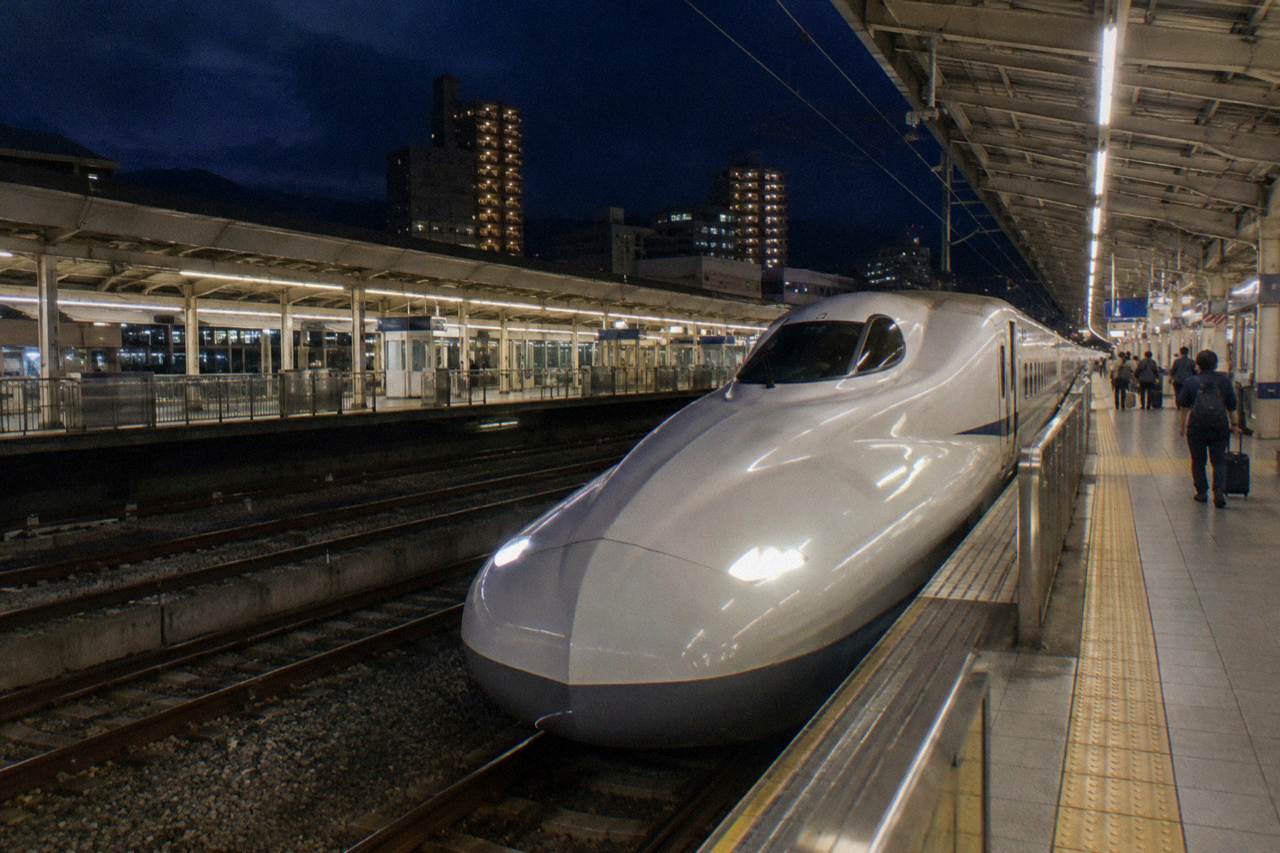
The last Nozomi Shinkansen from Hiroshima to Kyoto departs at 21:03 and arrives at 22:45. Fares, first trains and planning notes for the Hiroshima-to-Kyoto corridor.
Okonomiyaki at ekie and minamoa, ekiben from the station kiosks and late dinners near Hiroshima Station.
Clothing and footwear guidance for Miyajima, the island in Hiroshima Bay, by season and activity: shrine corridors, the Great Torii tide flats and the Mount Misen trails.
Okunoshima, a small island in Hiroshima Prefecture near Takehara, was the site of a secret Imperial Japanese Army poison gas factory from 1929 to 1945. What remains today, and how to visit.
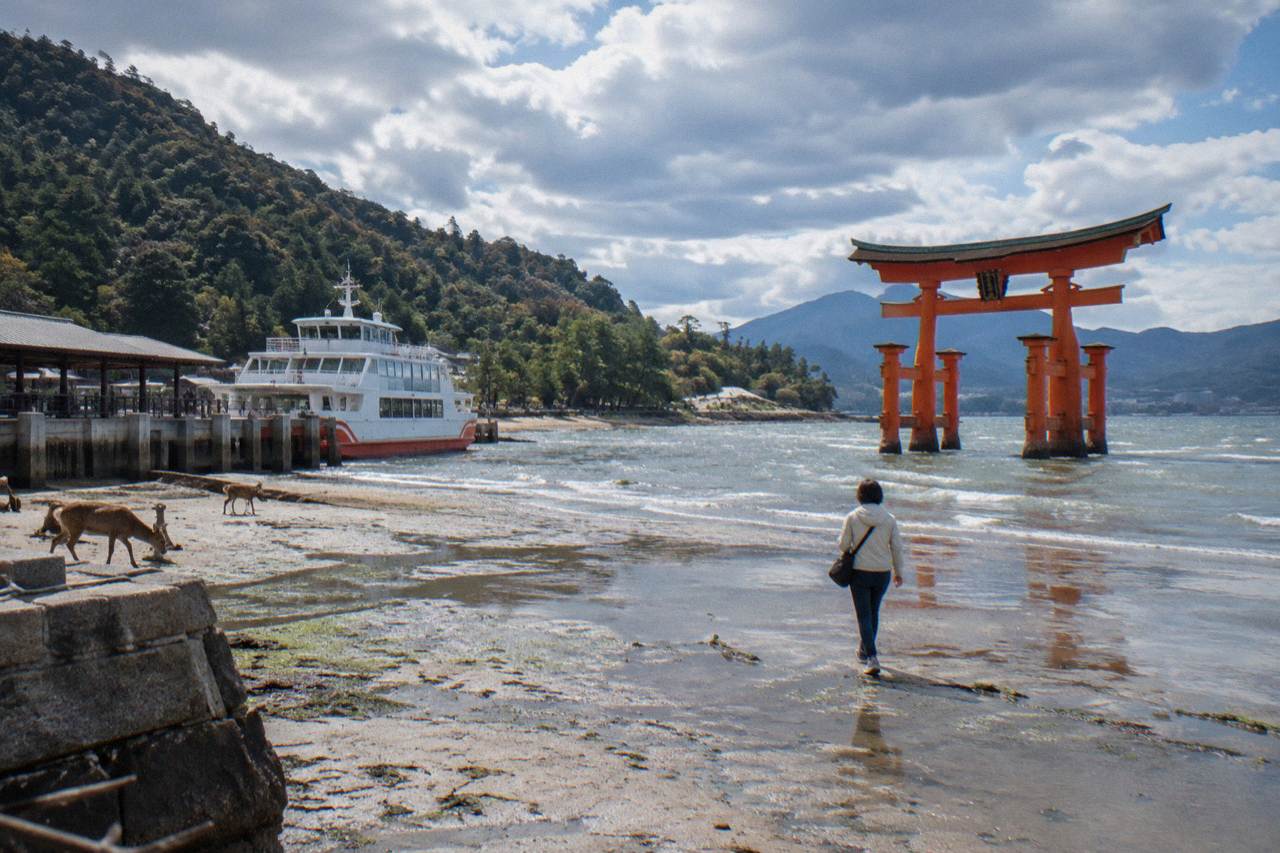
Low tide at Miyajima depends on the day: the Hiroshima Bay tide cycle decides whether you walk to the Great Torii or see the shrine float. Here is how to plan around it.
Itsukushima Shrine on Miyajima, in Hiroshima Bay, was first established in 593 and rebuilt in its present form in 1168. Here is the full dated history, plus hours, admission and access from Hiroshima.
Okonomiyaki in this city on the Seto Inland Sea evolved from a prewar snack called issen yoshoku rebuilt on iron plates after 1945. Here is the documented history.
Hiroshima is the capital of Hiroshima Prefecture in the Chugoku region of western Honshu, on the Seto Inland Sea. Here is exactly where it sits, how big it is, and how to reach it.
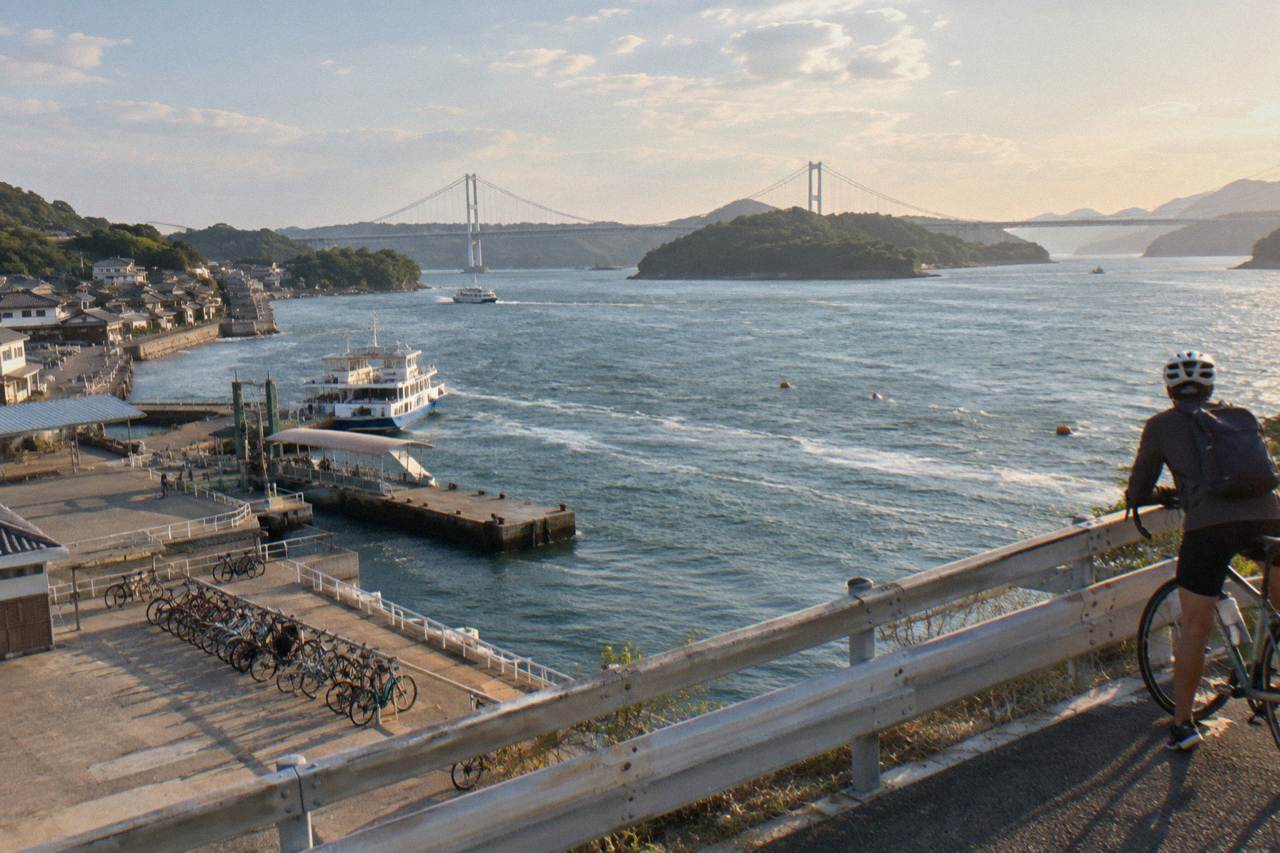
Where to sleep on the Shimanami Kaido cycle route from Onomichi in Hiroshima Prefecture: Setoda, Omishima, Onomichi hotels, campsites, luggage transfer and rental basics.
The Nagasaki bomb, Fat Man, released more energy than the Hiroshima bomb, Little Boy. A plain comparison of the two August 1945 atomic bombs, with figures from the Atomic Heritage Foundation and the Hiroshima Peace Memorial Museum.
A factual comparison of Hiroshima city and Miyajima island: sights, costs, transport and how to choose between them for your trip.
A fact-based comparison of Osaka and Hiroshima for travellers: costs, sights, transport between the two, and which city fits which trip.
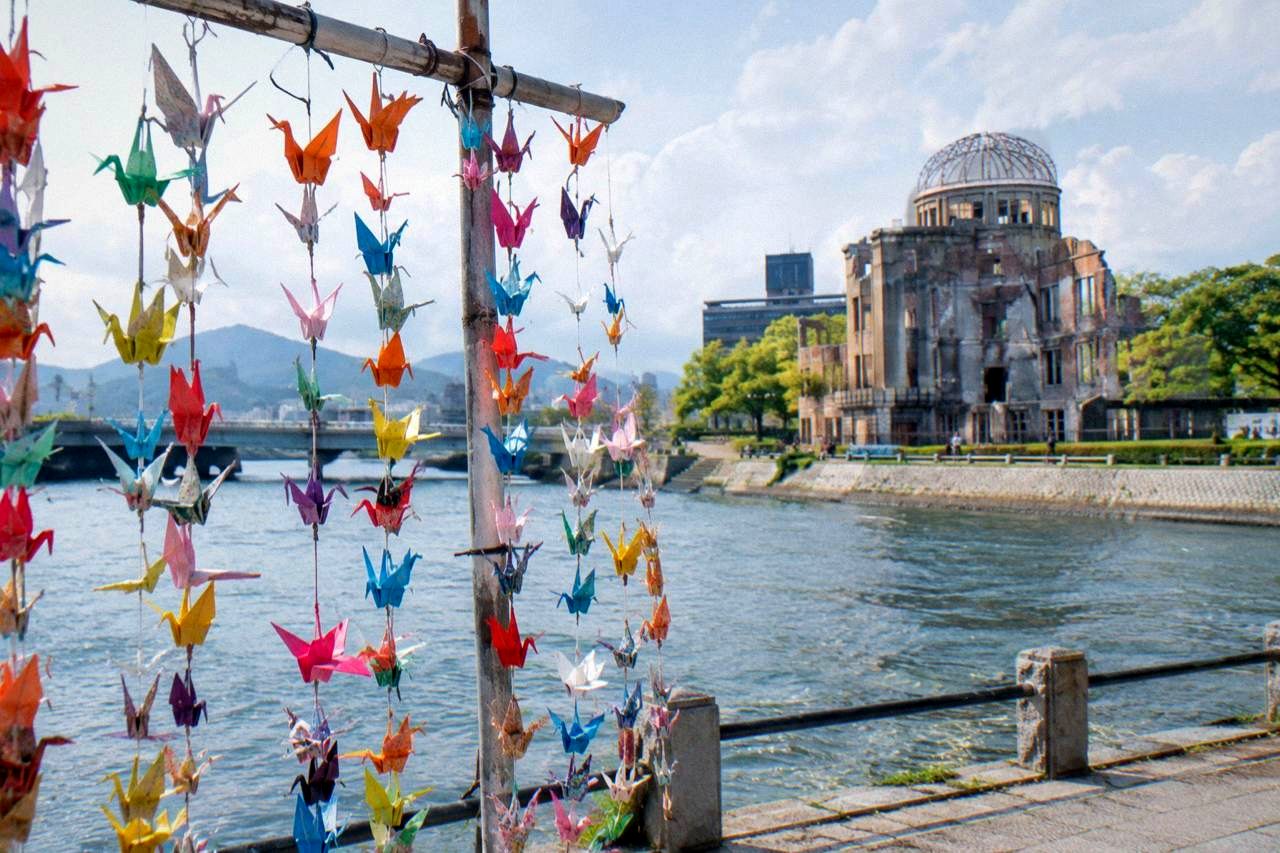
Who was the Hiroshima girl behind the Children's Peace Monument and the paper cranes of Peace Memorial Park? Her story, told from what the city's own pages say.
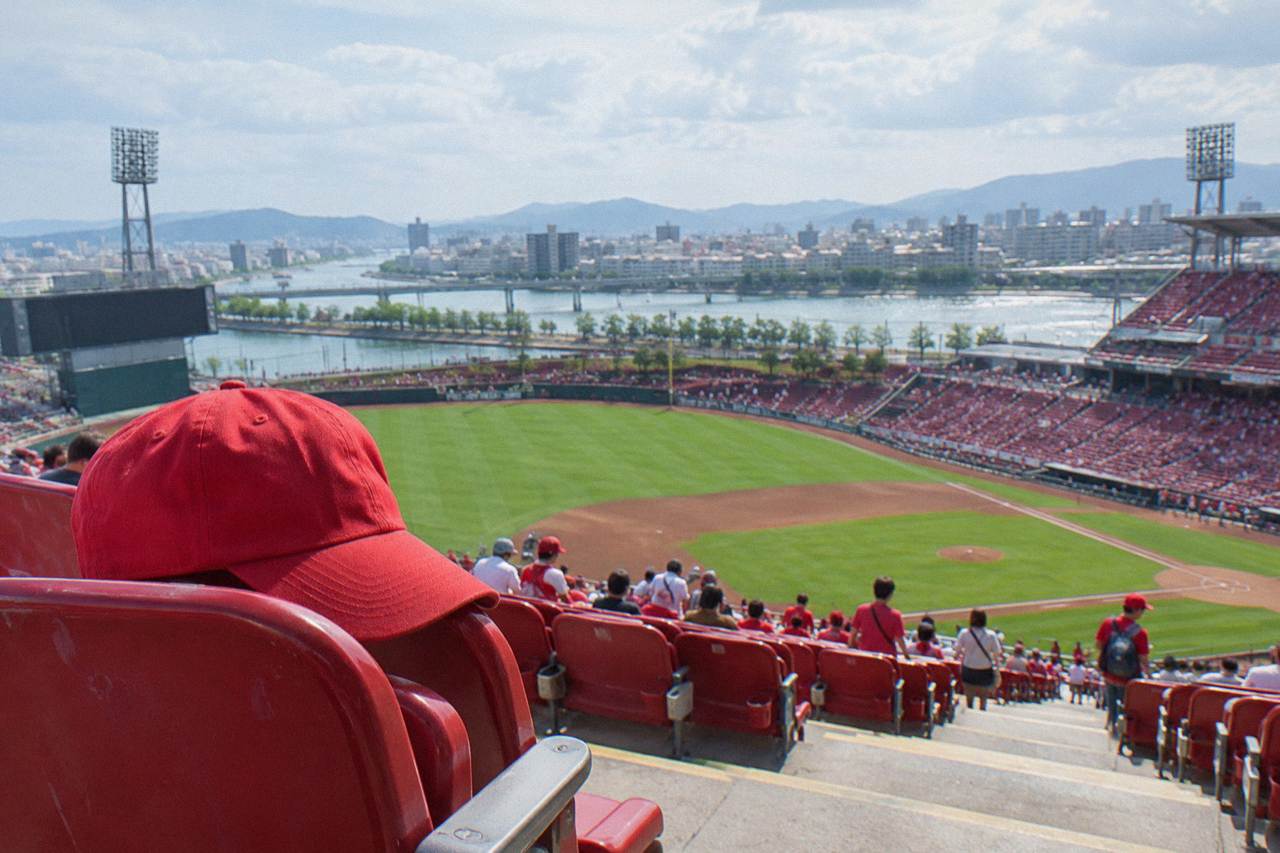
The Hiroshima Carp baseball team takes its name from Hiroshima Castle's nickname, Carp Castle, and from a fish that climbs waterfalls. Here is the full story of the name.
Hiroshima today has background-level radiation because the 1945 bomb released most of its energy as blast and heat, and its residual radiation faded within days, while Chernobyl's reactor fire scattered long-lived fallout for days on end.
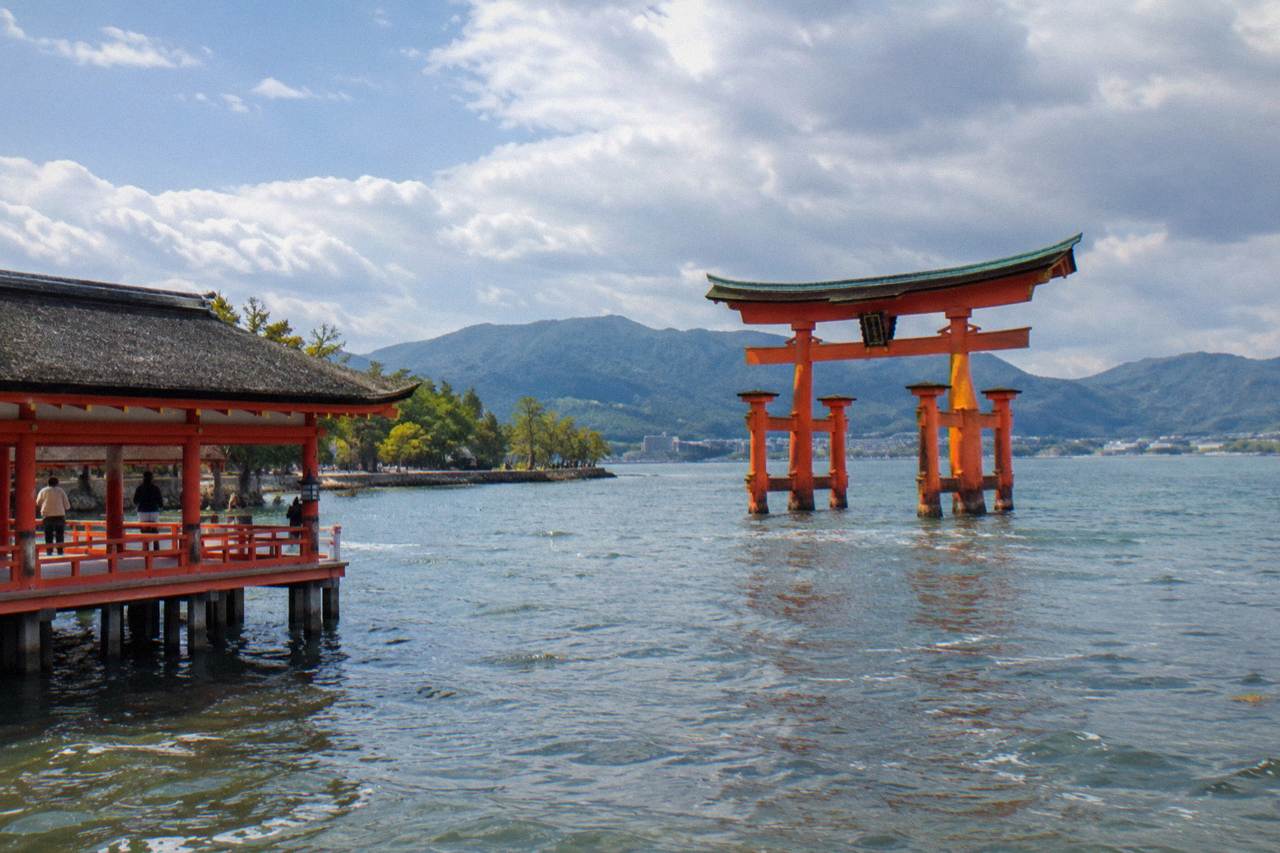
The Great Torii of Itsukushima Shrine on Miyajima stands in the sea because the shrine was built to venerate the island itself, and the tide turns it from a floating gate to a walkable monument.
The Target Committee of April and May 1945 selected Hiroshima as a target for its military role, its size and its geography, and the full recommendation record explains each reason.