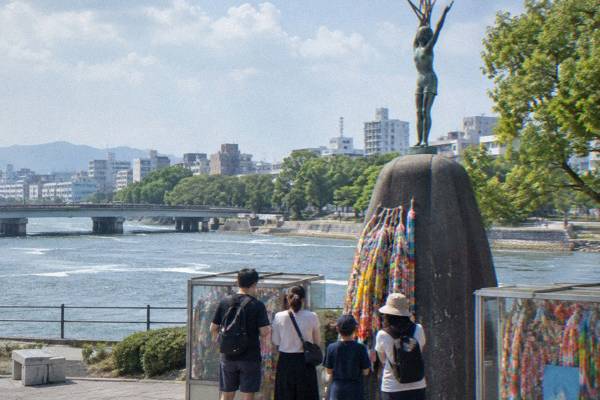
Did Japan Forgive America?
A sourced answer to whether Japan forgave America for the Hiroshima atomic bombing, with the documented milestones from the 1945 attack to the 2016 Obama visit and the 2023 G7 summit.
The City of Hiroshima estimates that approximately 140,000 people had died by the end of December 1945 as a result of the bombing, out of roughly 350,000 who were in the city at the time, counting residents, military personnel and mobilised workers. There is no treaty clause, no signed instrument and no joint declaration titled forgiveness. What exists instead is a documented record of Japanese and American words and gestures, staged largely in Hiroshima's own Peace Memorial Park, and it is that record this page reports.
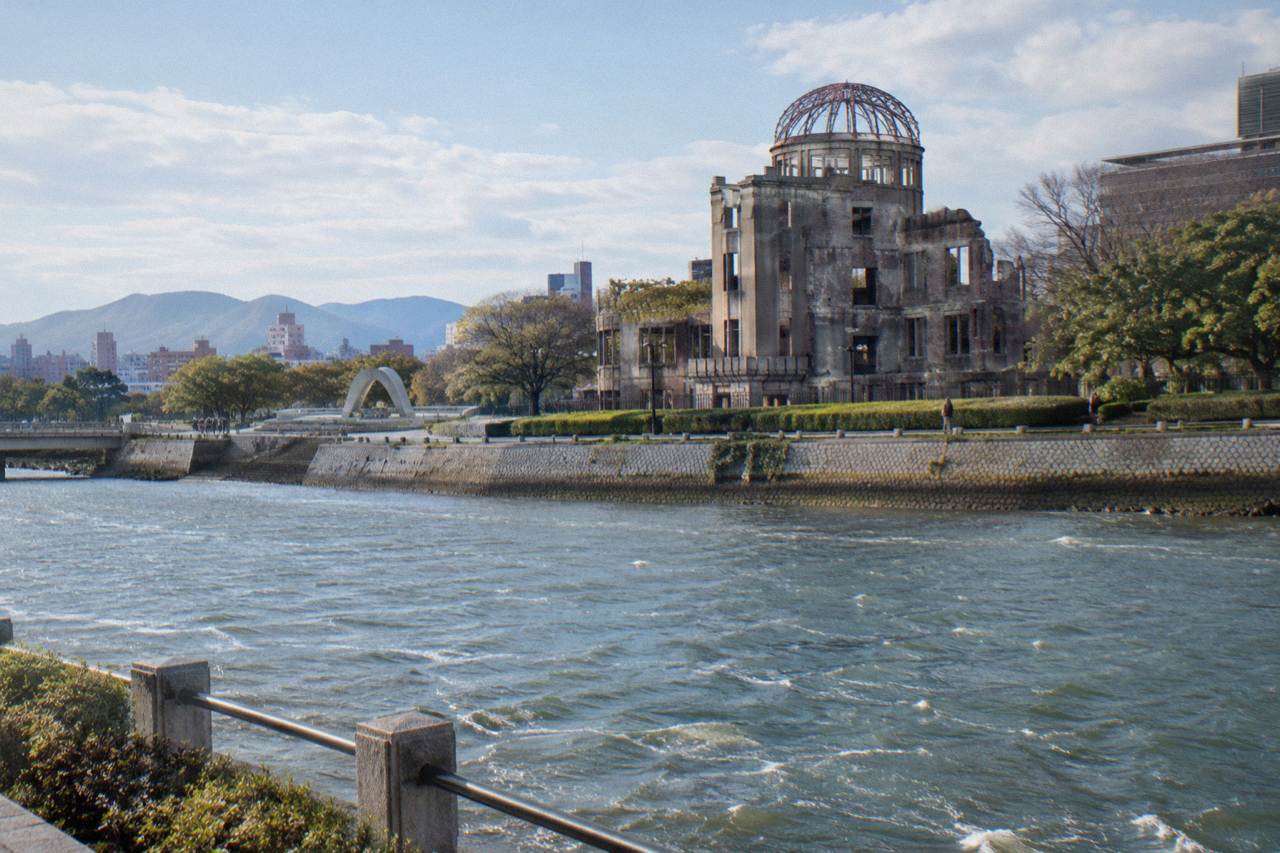
The city's framing matters before any diplomacy is weighed. The Peace Memorial Park, designed by the architect Tange Kenzo, places the Cenotaph for the A-Bomb Victims, the museum and the A-Bomb Dome on one straight axis that the Ministry of Foreign Affairs describes as symbolising peace, and the Flame of Peace in the park has burned continuously since 1 August 1964, intended to remain lit until all nuclear weapons are eliminated. Hiroshima's public message is aimed at the abolition of nuclear weapons rather than at a settled grievance against one nation. That distinction shapes everything that follows.
There is no single act of forgiveness and no single request for one, but the documented record points to reconciliation: Japan and the United States built a postwar alliance, Prime Minister Shinzo Abe said in Hiroshima in 2016 that enemies who fought fiercely had become friends and allies bound in trust and friendship, and in 2009 the UN General Assembly President said at the Hiroshima ceremony that Japan had given the world a magnificent example of forgiveness and reconciliation.
Each of those statements is sourced and each means something slightly different. The Abe remark came on 27 May 2016, standing beside the first sitting United States president ever to visit the Hiroshima memorial. The 2009 remark came from Miguel d'Escoto Brockmann, then President of the UN General Assembly, speaking at the annual Peace Memorial Ceremony, and it is his characterisation rather than an official Japanese government position. Readers should hold the two apart: one is a Japanese prime minister describing the bilateral relationship, the other is a UN official describing Japan's example to the world.
A visitor standing in the park itself can read the city's own language. The practical side of visiting, including tickets and hours, is covered in the guide to the Hiroshima Peace Memorial Park, and the museum's own rules and fees in the Hiroshima Peace Memorial Museum guide.
What Happened In Hiroshima On 6 August 1945?
At approximately 8:15 a.m. local time on 6 August 1945, the United States B-29 bomber Enola Gay dropped the atomic bomb on Hiroshima, detonating about 600 meters above the city, and the City of Hiroshima estimates that approximately 140,000 people had died by the end of December 1945; President Harry Truman announced the attack the same day and stated that Japan faced a rain of ruin from the air unless it surrendered unconditionally.
Those are the anchor facts as the primary sources give them. The City of Hiroshima's English-language page records the time, the aircraft and the detonation height, and puts the roughly 350,000 people present in the city at the time of the bombing. The National Archives document Truman's 6 August statement, including the quoted phrase about a rain of ruin from the air, the like of which had never been seen on this earth. The Atomic Heritage Foundation notes that between 90,000 and 166,000 people are believed to have died in the four months following the explosion, a range that reflects the difficulty of counting deaths from a single morning onward.
The ruined building now called the A-Bomb Dome stands about 160 meters northwest of the hypocenter. The Atomic Bomb Dome can be viewed from outside the fence with no fee, which is the practical situation for every visitor today. The dedicated A-Bomb Dome guide covers the site in detail.
Has An American President Ever Visited Hiroshima?
Yes, Barack Obama became the first sitting United States president to visit the Hiroshima memorial on 27 May 2016, laying a wreath at the Cenotaph and stating that the moment was one to reaffirm the bond between Japan and the United States; he mourned the dead, naming over 100,000 Japanese men, women and children, thousands of Koreans and a dozen American prisoners, and his speech contained no apology for the bombing.
The visit is the single most cited data point in this whole question, so its exact shape matters. Obama spoke at 5:45 p.m. local time. He did not use the word apologize, and the transcript of his remarks shows a speech about mourning, memory and the abolition of nuclear weapons rather than an admission of wrongdoing. Prime Minister Abe spoke immediately after, offering his deepest condolences for all those who lost their lives during World War II and by the atomic bombings, and describing former enemies turned allies. Neither leader apologised to the other, and both described the relationship as a bond.
Seven years later the gesture repeated at scale. The G7 leaders visited the Hiroshima Peace Memorial Museum and laid wreaths at the Cenotaph during the 2023 G7 Hiroshima Summit, hosted by Japan in the city itself. A group museum-and-park visit with a guide is one way travellers engage with the same sites; the Hiroshima Peace Park, Museum and Atomic Bomb Dome group tour is one such product.
How Did Reconciliation Actually Happen?
Reconciliation happened through documented steps rather than a single ceremony: the Peace Memorial Museum opened in 1955 and the park was completed around August 1955, opening to the public on 1 April 1956, the A-Bomb Dome was preserved by city decision in 1966 and made a World Heritage Site in 1996, and the annual Peace Memorial Ceremony, held every 6 August at the Cenotaph, became a venue where American leaders eventually appeared.
The domestic Japanese side of the record is often missed abroad. The decision to keep the Dome's ruins was contested within Hiroshima, and the 1966 city council decision ended that debate by choosing preservation. The park itself, covering about 122,100 square meters, was completed around August 1955 and open to the public since 1 April 1956, with free admission. The museum opened in 1955 and received a record 2.26 million visitors in fiscal 2024, including about 720,000 from abroad, according to a report on the museum's own figures. The museum's East Building added a new HIROSHIMA APPEALS exhibit on 28 March 2026, including hibakusha testimonies and material on the Treaty on the Prohibition of Nuclear Weapons. The full index of guides sits on Hiroshima Travel Guide.
The American side of the record is sparser and later. For readers who want the apology question treated on its own terms, the companion page Did America Ever Apologize For Hiroshima? carries that record, and Is It Okay For Americans To Visit Hiroshima? addresses the etiquette side of the same trip.
What Do Japanese Officials Say When Asked Directly?
When Japanese officials have spoken in Hiroshima alongside American officials, they have used the language of friendship and condolences rather than forgiveness or grievance: Abe in 2016 called the two countries allies bound in trust and friendship, the annual ceremony programme is framed around peace and the abolition of nuclear weapons, and no Japanese government statement in the documented record demands an American apology for the bombing.
That is a negative finding stated carefully: the record this page reports contains no such demand, and it contains repeated affirmations of alliance. It does not contain a Japanese government proclamation that forgiveness has been granted either, and it is worth resisting the temptation to convert warm diplomacy into a legal fact. The 2009 UN General Assembly President's description of Japan's magnificent example of forgiveness and reconciliation is the closest official-adjacent use of the word forgiveness itself in the record, and it was a UN official speaking, not the Japanese state.
The city's own museum voice is the most direct Japanese statement visitors will encounter. Its exhibits state what happened on 6 August 1945 and what followed, present survivor testimony, and, since March 2026, include material on the nuclear prohibition treaty. Readers curious about the deeper background can start with Why Was Hiroshima Chosen As A Target?, and those wondering about the city's physical recovery with Is Hiroshima Still Radioactive?.
Can You See The Reconciliation Story In Hiroshima Today?
Yes, the story is physically legible in the city: the Peace Memorial Park's axis links the Cenotaph, museum and A-Bomb Dome as a peace monument rather than a protest site, the Flame of Peace burns by design until nuclear weapons are abolished, the Peace Bell may be rung once and gently by any visitor, and the museum's 2026 exhibits present survivor testimony alongside treaty history.
A day in the city can follow that thread from the park to the rebuilt streets around it. The park holds about 1,500 tall trees, including about 300 cherry trees, and some A-bombed trees are preserved among them. The Korean Atomic Bomb Victims Memorial in the park honours Korean victims, many of whom were forcibly brought to Japan, and stands within the same grounds, an acknowledgment of the bombing's full human scope.
Visitors who pair the city with Miyajima island, reached by a roughly 10-minute JR ferry from Miyajimaguchi, often take a guided half-day on the island; the Miyajima Island Half-Day Tour is one option, and Check availability before committing to a date. The island carries a very different history: Itsukushima Shrine was founded in 593 and rebuilt in its present form in 1168 by Taira no Kiyomori, centuries before the events this page concerns.
How Should A Visitor Read All Of This?
A visitor should read the record as documented history rather than a settled verdict: Japan and the United States are treaty allies whose leaders have mourned together in Hiroshima, no American apology has been issued, no Japanese demand for one stands in the record, and the city's own institutions frame the site around nuclear abolition and the victims rather than around a bilateral grudge.
That framing is honest about what is known and what is interpretation. The words of Obama and Abe in 2016, the G7 wreaths in 2023, the 1966 preservation decision and the museum's fiscal 2024 record visitation are facts with sources. Whether they amount to forgiveness is a judgement each reader makes. For the practical side of a trip built around this history, How Many Days In Hiroshima Is Enough? and the companion Is Hiroshima Worth Visiting? carry the planning detail.
The following table gathers the milestone events in one place, each drawn from the sourced record above.
| Date | Event | Who | Documented words or act |
|---|---|---|---|
| 6 Aug 1945 | Atomic bombing of Hiroshima | US B-29 Enola Gay | Detonation about 600 m above the city at 8:15 a.m. |
| 6 Aug 1945 | Presidential statement | Harry Truman | Announced the attack, threatened further bombings absent surrender |
| 1955 | Peace Memorial Museum opens | City of Hiroshima | Museum and park completed on Tange Kenzo's axis |
| 1 Aug 1964 | Flame of Peace lit | City of Hiroshima | To burn until nuclear weapons are eliminated |
| 1966 | Dome preservation decision | Hiroshima City Council | Ruins preserved indefinitely after public debate |
| 1996 | UNESCO designation | World Heritage Committee | A-Bomb Dome inscribed as a World Heritage Site |
| 27 May 2016 | First sitting US president visits | Barack Obama | Wreath at the Cenotaph, no apology in the speech |
| 27 May 2016 | Joint remarks | Shinzo Abe | Enemies who fought fiercely had become friends and allies |
| 2023 | G7 Hiroshima Summit visit | G7 leaders | Museum visit and wreaths at the Cenotaph |
Common Questions About Japan, America And Hiroshima
Did Japan Forgive America?
No Japanese government statement proclaims forgiveness and no American statement requests it, but the documented record shows reconciliation: a postwar alliance, Abe's 2016 words in Hiroshima about enemies turned allies, and a UN General Assembly President's 2009 description of Japan's example of forgiveness and reconciliation.
Did America Ever Apologize For The Hiroshima Bombing?
No. President Obama's 27 May 2016 speech in Hiroshima mourned the dead, including over 100,000 Japanese men, women and children, thousands of Koreans and a dozen American prisoners, but did not use the word apologize or issue an apology.
Was Obama The First Sitting US President To Visit Hiroshima?
Yes, on 27 May 2016 he became the first sitting United States president to visit the Hiroshima Peace Memorial, laying a wreath at the Cenotaph.
How Many People Died In Hiroshima From The Atomic Bombing?
The City of Hiroshima estimates approximately 140,000 people had died by the end of December 1945, out of roughly 350,000 present in the city at the time of the bombing.
Is The A-Bomb Dome Preserved As A Protest Against America?
The city's own presentation frames the Dome, the park and the museum around peace and the abolition of nuclear weapons. The Dome was preserved by a 1966 city decision and designated a UNESCO World Heritage Site in 1996.
Is It Appropriate For Americans To Visit Hiroshima?
Yes, and the museum's roughly 720,000 foreign visitors in fiscal 2024, part of a record 2.26 million total, reflect that. The park remains open to visitors.
The record, read in Hiroshima's own park and museum, is one of documented reconciliation between two states and continuing remembrance of the victims, and it is presented that way by the city itself.