Why Are They Called The Hiroshima Carp?
The Hiroshima Carp baseball team takes its name from Hiroshima Castle's nickname, Carp Castle, and from a fish that climbs waterfalls. Here is the full story of the name.
Hiroshima's professional baseball team is called the Carp because Hiroshima Castle has long been known as Rijo, meaning Carp Castle, and because the carp, a fish that in legend swims up waterfalls, was chosen to express the young club's hope that the city would recover after the war. The team's own English team-information page gives both reasons together: the castle nickname and the carp of the Otagawa River.
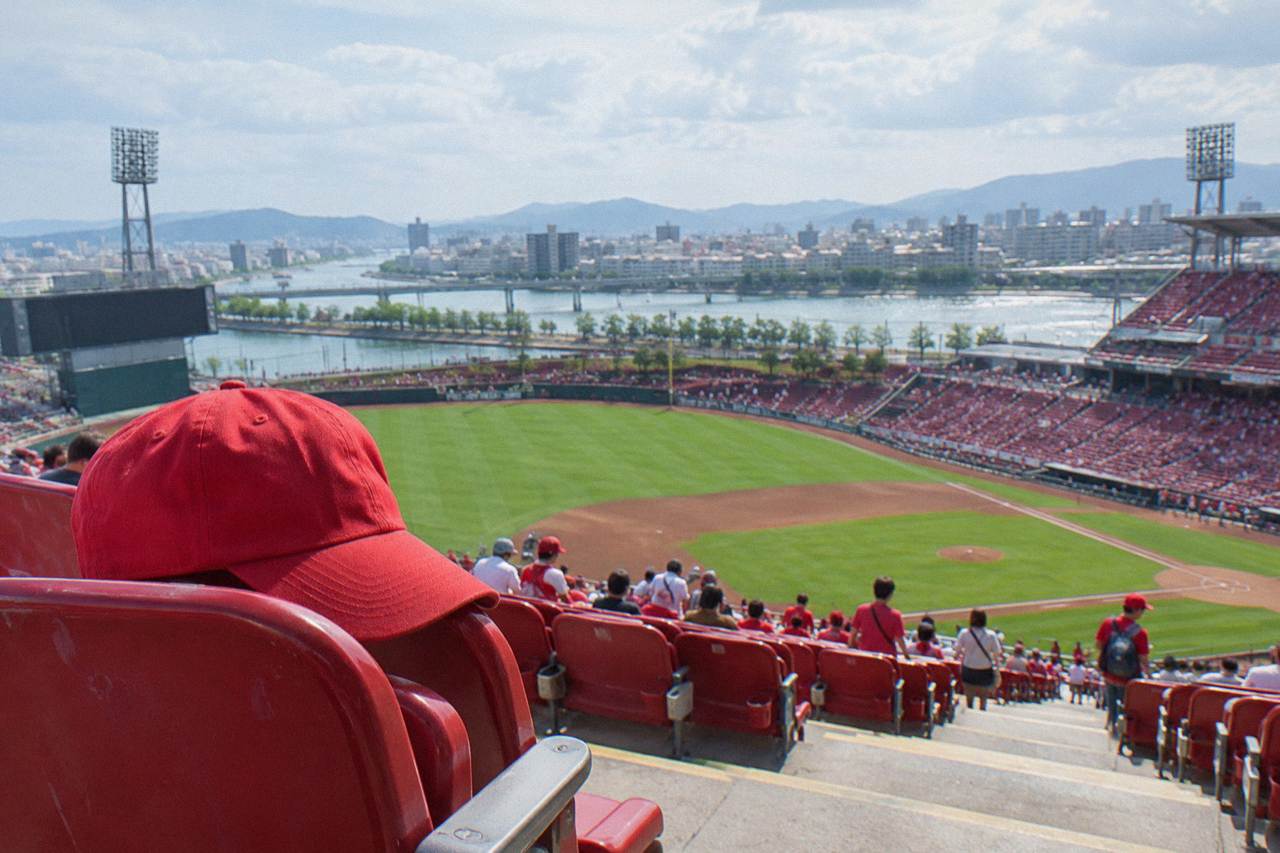
The name carries more history than most team nicknames. Five years after the atomic bombing, the baseball team was founded in Hiroshima, and a local feature published by Dive Hiroshima describes it as a symbol of the city's postwar reconstruction. For visitors planning their time in the city, the main things-to-do overview for Hiroshima covers the stadium alongside the Peace Memorial Park, the castle and Miyajima.
The Hiroshima Carp are named for two linked reasons recorded on the club's own team-information page: Hiroshima Castle is called Rijo, which means Carp Castle, and the Otagawa River flowing through Hiroshima is famous for carp. The name also expressed a hope that the city would recover like a carp that swims up waterfalls, which is how the founding generation described the choice after the war.
The club's own English page states the first two reasons plainly. The river connection is equally concrete.
The waterfall meaning is the emotional half of the name. A feature on the team's history, published by Dive Hiroshima, records that the name was chosen to express the hope that the city would recover like a carp that swims up waterfalls. Wikipedia's article on the club attributes the name's proposal to the politician Noboru Tanigawa, and notes that the koi climbing the rapids of Hiroshima Castle signified Hiroshima's rebirth following the atomic bombing.
Other candidate names existed and lost. Japan Ball's history of Hiroshima baseball lists the runners-up: Bears, Pigeons, Rainbows, Atoms and Greens. Any of those would have aged differently. The Carp won, the club joined the Central League in December 1949 as the Hiroshima Carp, and one year later, in 1950, the professional Hiroshima Carp team was born, according to the Dive Hiroshima feature.
| Fact about the name | Detail | As recorded by |
|---|---|---|
| Castle nickname | Hiroshima Castle is called Rijo, Carp Castle | The club's team-information page |
| River link | The Otagawa River is famous for carp | The club's team-information page |
| Symbolic meaning | Recovery like a carp that swims up waterfalls | Dive Hiroshima feature |
| Name proposed by | Politician Noboru Tanigawa | Wikipedia, Hiroshima Toyo Carp |
| Rejected candidates | Bears, Pigeons, Rainbows, Atoms, Greens | Japan Ball history |
The naming story is one strand of the wider postwar city, and readers who want that context can start with whether Hiroshima is still radioactive and the companion piece on how long Hiroshima was radioactive.
When Was The Hiroshima Carp Team Founded?
The club joined the Central League in December 1949 as the Hiroshima Carp, and the professional Hiroshima Carp team was founded in Hiroshima in 1950, five years after the atomic bombing, as a symbol of the city's postwar reconstruction. The name changed to Hiroshima Toyo in 1968, when the Toyo Kogyo company became chief sponsor, and that company was renamed Mazda in 1984.
The timeline matters because the founding sits so close to the bombing. The team was born into a city still rebuilding, and the Dive Hiroshima feature frames the club as part of that rebuilding rather than as entertainment alone. The Toyo Kogyo sponsorship in 1968 inserted the company's name, producing the full modern name Hiroshima Toyo Carp, and the sponsor's own renaming to Mazda in 1984 is why the stadium the club plays in today carries the Mazda name even though the team does not.
Success took time. The club won its first league championship in 1975, its 26th year since founding, and the victory parade that followed was the catalyst for the Flower Festival, one of Hiroshima's largest festivals, held every year during Golden Week. The parade-to-festival link is recorded in the Dive Hiroshima feature, and it shows how far the team's story reaches into the city's calendar: a baseball celebration in 1975 seeded an annual event that now fills the Golden Week holidays. Japan Series titles followed in 1979, 1980 and 1984, according to Baseball Reference's club page.
| Year | Event |
|---|---|
| December 1949 | The club joins the Central League as the Hiroshima Carp |
| 1950 | The professional Hiroshima Carp team is founded in Hiroshima |
| 1968 | Toyo Kogyo becomes chief sponsor, giving the name Hiroshima Toyo Carp |
| 1975 | First league championship, in the club's 26th year |
| 1975 | The victory parade becomes the catalyst for the Flower Festival |
| 1979, 1980, 1984 | Japan Series titles, per Baseball Reference |
| 1984 | The sponsor Toyo Kogyo is renamed Mazda |
Visitors who want to see where the story plays out today can find the modern ground in the guide to Mazda Stadium, and the older ground it replaced survives as public space.
What Does The Carp Name Have To Do With Hiroshima Castle?
Everything begins with the castle's nickname: Hiroshima Castle is called Rijo, which means Carp Castle, and the team's own team-information page names this as the reason the carp was selected as the club's symbol. The castle keep has been closed to visitors since 22 March 2026, but the nickname long predates that closure and belongs to the castle as a whole, not to the keep alone.
The keep closed permanently to visitors on 22 March 2026, and a Sannomaru history museum is planned for 1 June 2027, so the castle experience is changing. None of that touches the name. Rijo, Carp Castle, is the castle's historic identity, and the baseball club borrowed it in 1949. The wider set of guides lives on Hiroshima Travel Guide.
The mascot extends the borrowing. The team's symbol mark is the so-called Carp Boya, meaning Carp boy, and the Dive Hiroshima feature notes that the team mascot, Carp Boy, appears on manhole covers and car license plates in Hiroshima Prefecture. That is the reach of the name: from a castle nickname of long standing, through a baseball club founded in the ruins of a war, to drain covers underfoot in the modern city. The current manager, per Baseball Reference, is Takahiro Arai.
Do You Need To Know Baseball To Enjoy A Carp Connection In Hiroshima?
No: the Flower Festival that fills Golden Week each year grew out of the team's 1975 victory parade, the former Municipal Stadium survives as the public Hiroshima Gate Park beside the modern Mazda Zoom-Zoom Stadium, and its wide variety of seating and play equipment, according to the Dive Hiroshima feature, makes it a family-friendly venue rather than a purist's one.
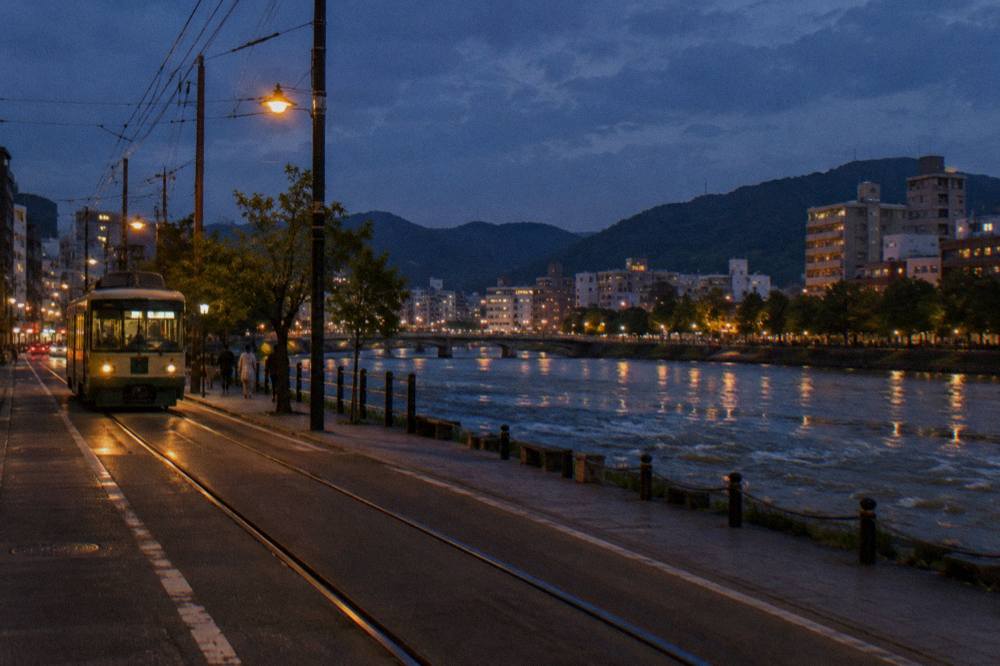
The stadium district connects to the rest of a Hiroshima itinerary by streetcar: the Hiroden flat fare has been 240 yen for adults and 120 yen for children since 1 February 2025, on all lines. A visitor can ride from Hiroshima Station, whose tram now enters the station building's second floor as reported since 3 August 2025, to the stadium area and the Peace Memorial Park on the same fare.
The name also explains a piece of the city's self-image. A club called the Atoms or the Greens, two of the rejected candidates, would have told a different story about Hiroshima in 1949. The Carp said: this city intends to climb. The Dive Hiroshima feature makes that link explicit, describing the team's birth five years after the bombing as a symbol of postwar reconstruction, and the choice of a fish that ascends waterfalls as the expression of that intent.
Readers weighing a first trip may find the pieces on whether Hiroshima is worth visiting and how many days in Hiroshima is enough useful for sequencing a stadium stop against the Peace Memorial Park, whose museum drew a reported 2,580,926 visitors in FY2025, its third straight record year.
Can You Visit The Places Behind The Carp Name In Hiroshima?
Mazda Zoom-Zoom Stadium Hiroshima hosts the team's games, the former Municipal Stadium site is now the open Hiroshima Gate Park, and the Otagawa River delta that gave the city its carp association is the ground the whole city stands on.
A day built around the name can start at the castle grounds, where the Carp Castle nickname began, then follow the Hiroden line toward the stadium district. Visitors who prefer a guide can pair the city with Miyajima on a private basis: the Hiroshima and Miyajima Island UNESCO Sites private tour covers both in one escorted day, and Check availability before locking an itinerary, since private guides book ahead.
For readers who want the deeper postwar context around the team's founding, the article on what Hiroshima is famous for sets out the fuller picture, from the Peace Memorial Museum, whose adult admission is 200 yen, to Miyajima's Itsukushima Shrine across the bay.
Common Questions About The Hiroshima Carp
Why Are They Called The Hiroshima Carp?
The name comes from Hiroshima Castle's nickname, Rijo or Carp Castle, and from the carp associated with the Otagawa River. The club's own team-information page gives both reasons, and the name also expressed the hope that the city would recover like a carp that swims up waterfalls.
When Was The Hiroshima Carp Team Founded?
The club joined the Central League in December 1949 as the Hiroshima Carp, and the professional team was founded in Hiroshima in 1950, five years after the atomic bombing, as a symbol of the city's postwar reconstruction.
Why Is The Team Called Hiroshima Toyo Carp?
The Toyo Kogyo company became the team's chief sponsor in 1968 and inserted its name. That company was renamed Mazda in 1984, which is why the stadium carries the Mazda name today while the team keeps Toyo in its full title.
Who Proposed The Name Carp?
Wikipedia's article on the Hiroshima Toyo Carp attributes the name to the politician Noboru Tanigawa. Other candidates at the time included Bears, Pigeons, Rainbows, Atoms and Greens.
What Is The Carp Boy Mascot?
The team's symbol mark is the so-called Carp Boya, meaning Carp boy.
Where Do The Hiroshima Carp Play?
The club plays at MAZDA Zoom-Zoom Stadium Hiroshima, which the Dive Hiroshima feature describes as featuring a wide variety of seating and play equipment.
The Carp name, in the end, is a short history of the city itself: a castle nickname, a river fish, a club founded five years after the bombing to signal recovery, and a mascot now stamped on the prefecture's manhole covers.