Things To Do In Hiroshima
Hiroshima pairs its Peace Memorial Park and Museum with the island of Miyajima, castle grounds, gardens, food halls and day trips across the Seto Inland Sea, each with its own costs and demands.
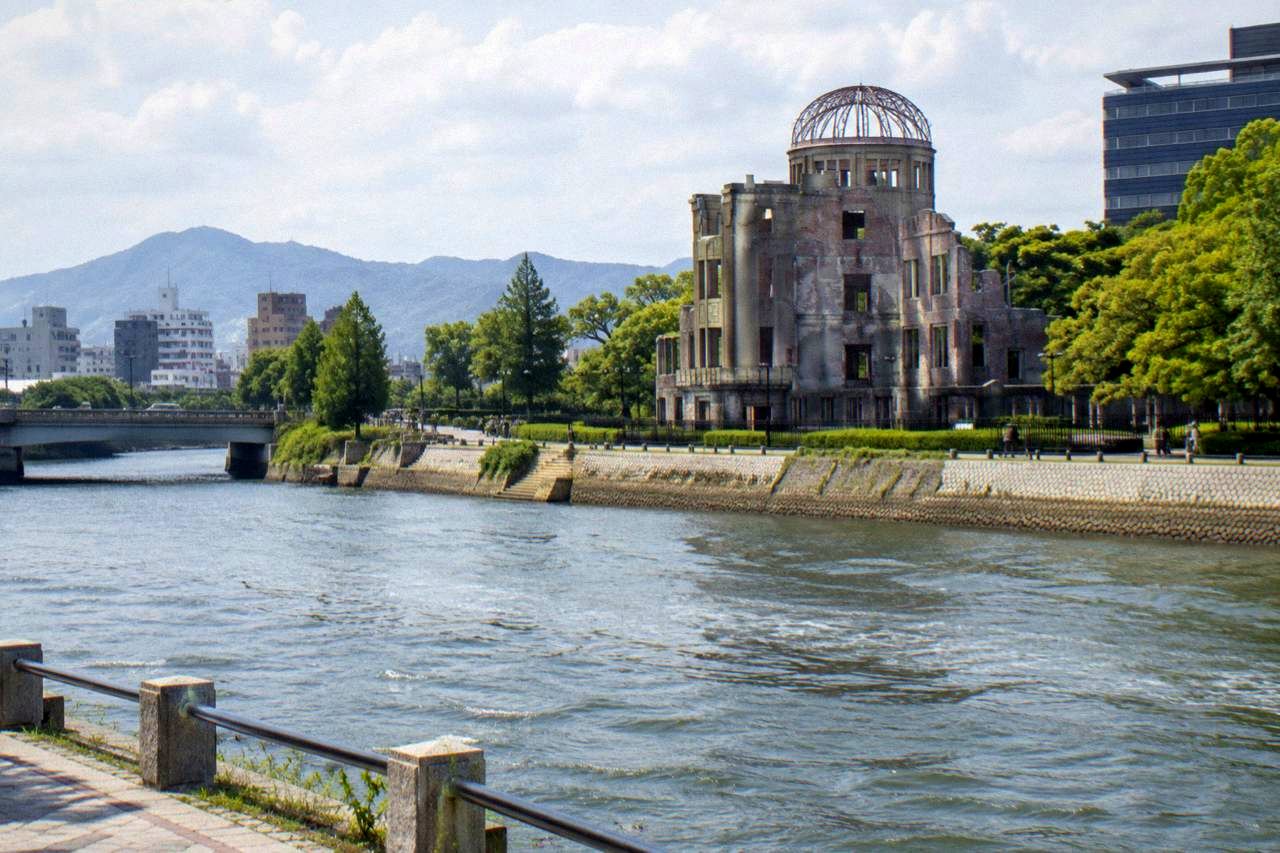
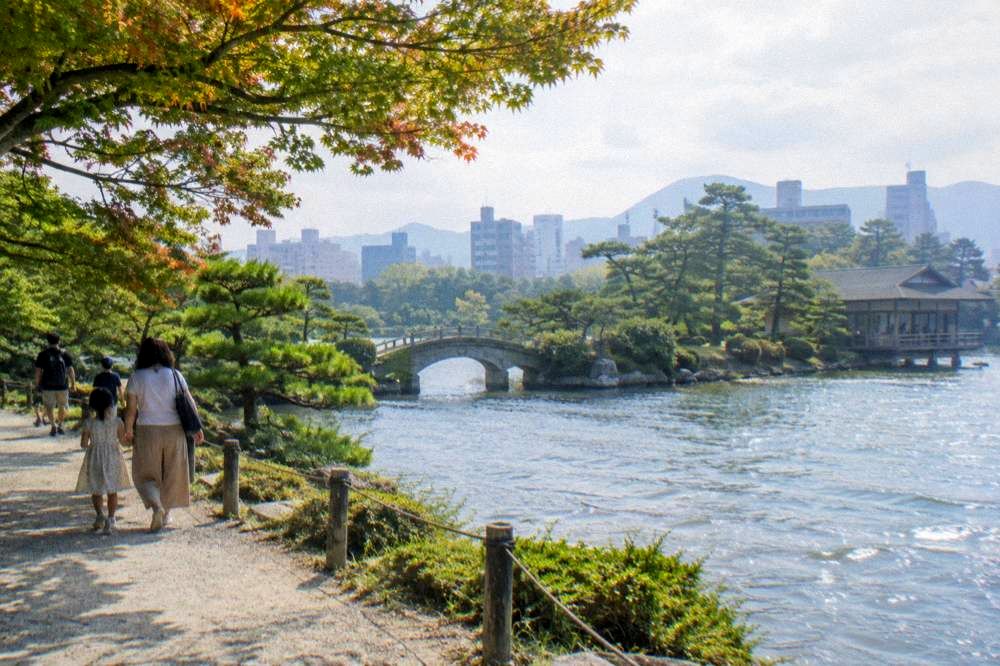
The core of a Hiroshima visit is Peace Memorial Park and the Peace Memorial Museum, at 200 yen adult admission, followed by the ferry to Miyajima for Itsukushima Shrine at 300 yen and the Great Torii, plus castle grounds, Shukkeien garden and okonomiyaki food halls in the city.
This page from the Hiroshima Travel Guide lists what to do in each, with the admission fees, hours and transport figures the official pages publish.
Things To Do In Hiroshima: The Short List
Hiroshima attractions include the Peace Memorial Museum at 200 yen, the Atomic Bomb Dome viewed from outside for free, Shukkeien garden at 350 yen, and Itsukushima Shrine on Miyajima at 300 yen, reached by a JR ferry of about 10 minutes costing 200 yen one way plus a 100 yen visitor tax. The castle keep has been closed since 22 March 2026, but its exterior, moat and grounds are free.
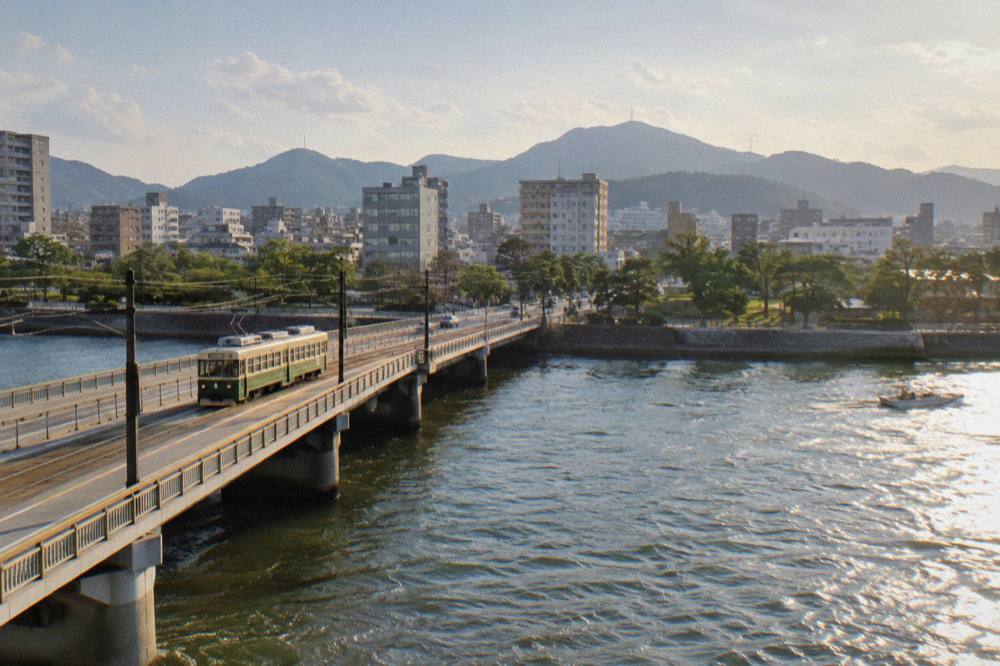
Each of these sits on or near a Hiroden streetcar line, and the flat fare is 240 yen for adults and 120 yen for children on every line, including the Miyajima line. A one-day streetcar pass costs 700 yen for adults and 350 yen for children, and a one-day pass that adds the Matsudai ferry to Miyajima costs 1,000 yen, per the Hiroden ticket pages.
Two caveats shape current planning. The Hiroshima Castle keep has been closed to visitors since 22 March 2026, so the castle experience is now the exterior, the moat and the free grounds. And the Peace Memorial Museum's extended early-morning and late-afternoon slots require an online reservation in advance, per the museum's own information page.
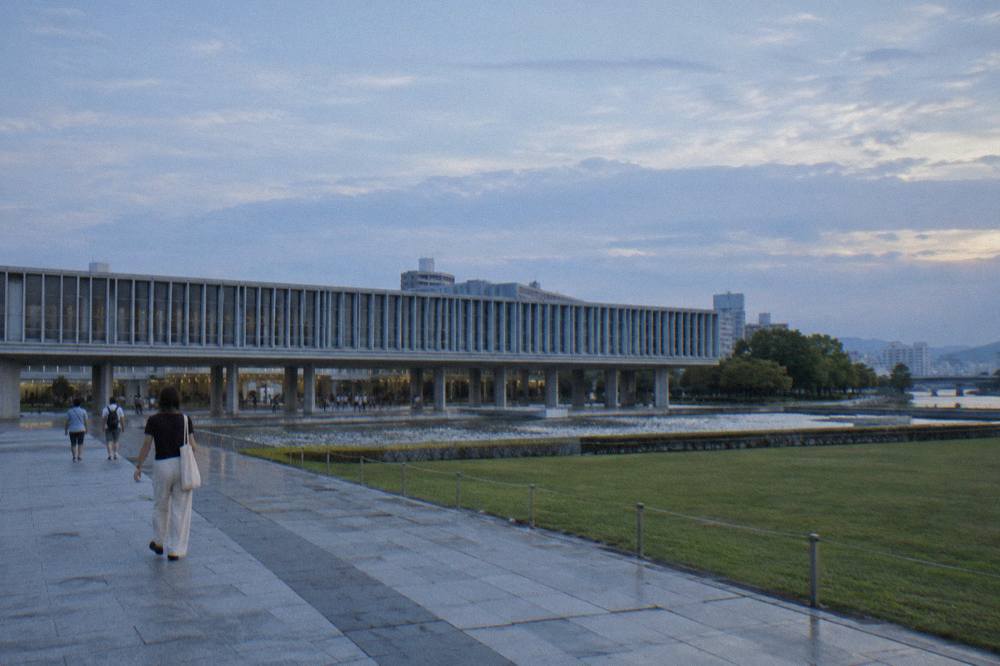
Things To Do In And Around Peace Memorial Park
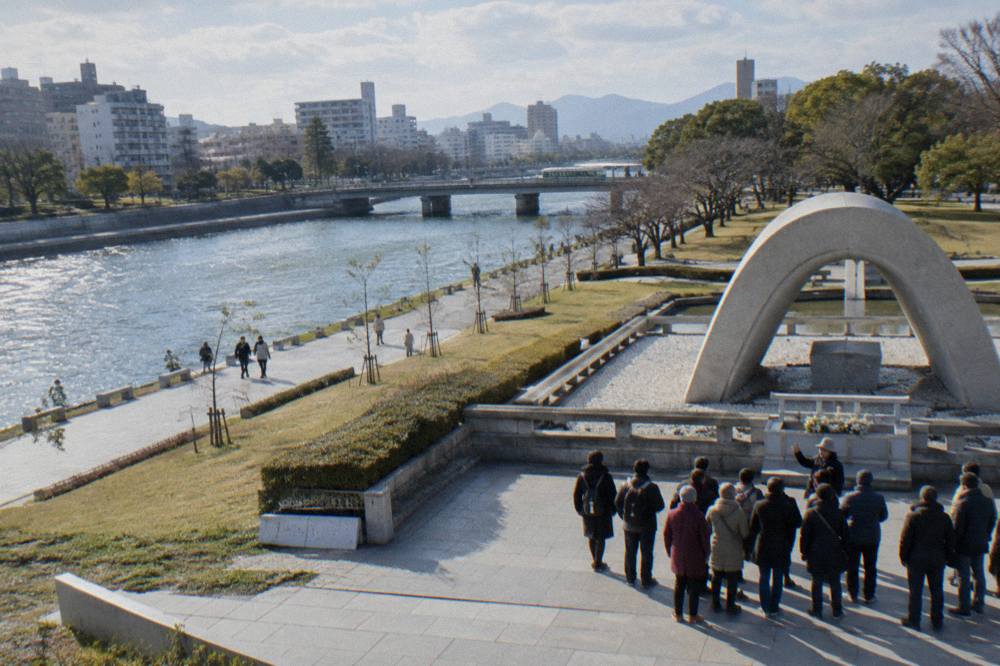
The park covers over 120,000 square metres between the Motoyasu and Hon rivers. The museum is the anchor. Its admission is 200 yen for adults, college age and up, 100 yen for high school students, free for junior high students and younger, and 100 yen for visitors 65 and older who show a passport. Photography without flash is permitted inside for personal use, while tripods and selfie sticks are not. There is no public parking at the park or its museums, so arriving by streetcar or on foot is the practical route; the Genbaku Dome-mae stop is 2.2 km along the main line from Hiroshima Station.
The National Peace Memorial Hall for the Atomic Bomb Victims, inside the park, is free to enter and open 8:30 to 18:00 from March to July and September to November, later in August, and to 17:00 from December to February.
| Peace Memorial Museum | Details |
|---|---|
| Adult admission (college and up) | 200 yen |
| High school student | 100 yen |
| Junior high and younger | Free |
| Visitors 65+ with passport | 100 yen |
| Hours March to July | 7:30 to 19:00 |
| Hours August | 7:30 to 20:00 (to 21:00 on 5 and 6 Aug) |
| Hours December to February | 7:30 to 18:00 |
| Closed | 30 and 31 December, mid-February |
Museum extended-hours slots, 7:30 to 8:30 in the morning and the late-afternoon periods, require a prior online reservation. If the visit lands on 6 August, the Peace Memorial Ceremony runs 8:00 to 8:50 in the park, with about 7,000 seats plus about 2,200 indoor seats at the International Conference Center, per the city's English page. Deeper background on the district is in the Peace Park walking route guide and the Peace Memorial Museum guide.
Things To Do On Miyajima
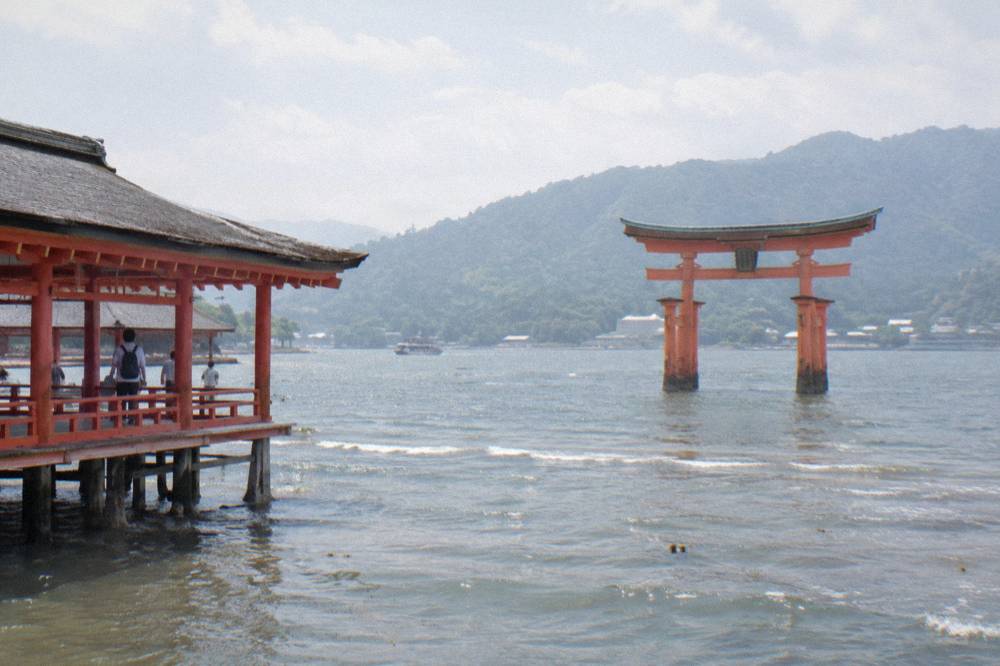
On Miyajima, see Itsukushima Shrine and the Great Torii, ride Mount Misen and stroll Momijidani Park. The shrine opens at 6:30 except on 1 January, and costs 300 yen for adults. Below about 100 cm tide you can walk to the torii; above about 250 cm it appears to float. The ropeway runs 9:00 to 16:00 at 2,000 yen return, and Momijidani Park is free.
Miyajima sits in Hiroshima Bay, reached from Miyajimaguchi by the JR West ferry or Matsudai Kisen, both running roughly every 15 minutes through the day; the crossing takes about ten minutes. The Japan Rail Pass covers the JR ferry, though the 100 yen visitor tax, charged on entering the island and exempt for preschool children, is separate. Itsukushima Shrine opens at 6:30 except on 1 January, when it opens at 0:00, and closes at 18:00 from March to mid-October, earlier from mid-October through winter; admission is 300 yen for adults, 200 yen for high school students and 100 yen for elementary and junior high students, cash only, with a 500 yen combined ticket covering the Treasure Hall. The shrine's corridor floorboards have gaps that let high tide pass through, so comfortable shoes are the practical choice.
The tide governs the torii. At tide heights below about 100 cm the gate can be walked to; above about 250 cm it appears to float, per guide figures, so check the live tide block rather than a printed time. The ropeway runs 9:00 to 16:00 uphill with the last descent around 16:30; adult fares are 2,000 yen return or 1,100 one way, child fares 1,000 and 550.
| Miyajima item | Adult cost |
|---|---|
| Itsukushima Shrine | 300 yen |
| Combined shrine and Treasure Hall | 500 yen |
| Mount Misen ropeway return | 2,000 yen |
| Miyajima visitor tax | 100 yen |
| Momijidani Park | Free |
The shrine is open while East Corridor reinforcement runs to December 2026 and five-storey pagoda repair continues to 2027, per the shrine's construction page. Getting there is covered in full in the Hiroshima to Miyajima transport guide, and the island's autumn colour in the Miyajima autumn leaves guide.
On the JR ferry, the first boat out of Miyajimaguchi leaves about 6:25 and the last about 22:00, with the full daytime timetable running from 8:00 and Great Torii sailings listed between 9:10 and 16:10. Matsudai Kisen begins its service around 7:00. Groups of eight or more pay 160 yen per adult each way on the JR boats. The Hiroden tram charges a flat 240 yen for adults and 120 yen for children on all lines, including the Miyajima line.
Two further sights keep their own hours. The Treasure Hall opens 8:00 to 17:00, Senjokaku 8:30 to 16:30, and for the combined shrine and Treasure Hall ticket high school students pay 300 yen while elementary and junior high children pay 150 yen. Seasonal closing times settle at 17:30 from 15 October to 30 November, 17:00 in December, and 17:30 again from 4 January through the end of February. New Year reverses the pattern, with the shrine opening at midnight on 1 January and closing at 18:30, then holding that closing time on 2 and 3 January.
Budget the mountain realistically. A ropeway round trip, allowing time to look around at the top, takes about an hour, and travelers who continue on foot to the summit should add roughly another hour, so an early start protects the whole outing. The Great Torii's latest restoration work was completed in December 2022.
Things To Do In Hiroshima At Night
At night in Hiroshima, view the illuminated Itsukushima Shrine and Great Torii on Miyajima, lit from about 30 minutes after sunset until around 11:00 pm and viewable from outside for free, with the last JR ferry back during illumination events leaving at 10:14 pm; eat Okonomiyaki, the city's signature dish; join a guided izakaya walk with a local; or buy a Kagura entry ticket.
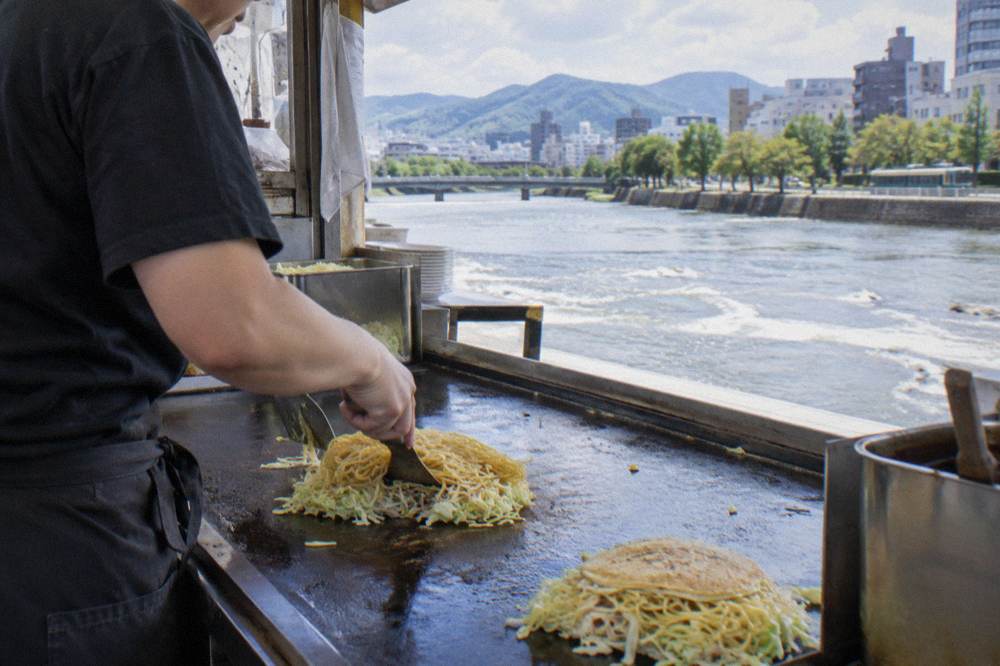
Okonomiyaki is the city's signature dish, a layered savoury pancake cooked on a teppan in front of the diner; the etiquette and styles are covered in the Hiroshima okonomiyaki guide.
Across the bay, Miyajima's illumination makes an evening crossing viable: the last JR ferry back from the island during illumination events leaves at 10:14 pm, so the timing is checkable against the timetable. A guided izakaya walk is one way to enter the bar lanes with a local along, and a Kagura entry ticket is a sit-down culture option that does not depend on the weather.
Things To Do In Hiroshima With Kids
The things to do in Hiroshima with kids lean on free and nearly free entry: junior high students and younger enter the Peace Memorial Museum free, school students enter Shukkeien garden free, the Hiroden child fare is 120 yen flat, and Miyajima adds the ropeway at 1,000 yen child return and the aquarium as a ticketed stop.
The castle grounds, outer moat and Ninomaru are free to enter, and the keep itself is closed, so the visit is an outdoor one. On Miyajima, the child ropeway return is 1,000 yen and the child shrine admission 100 yen for elementary and junior high students.
The table below collects the child and student fares the official pages publish, which makes a family budget easy to sum before setting out.
| Attraction | Child / student fare |
|---|---|
| Peace Memorial Museum high school | 100 yen |
| Peace Memorial Museum junior high and younger | Free |
| Itsukushima Shrine high school | 200 yen |
| Itsukushima Shrine elementary and junior high | 100 yen |
| Mount Misen ropeway child return | 1,000 yen |
| Hiroden streetcar child flat fare | 120 yen |
| Shukkeien school students | Free |
For pacing, the Hiroshima with kids guide expands this into full-day plans.
Things To Do In Hiroshima When It Rains
Hiroshima offers good indoor options when rain arrives. July averages 279.8 mm and June 226.5 mm, so summer visitors should expect downpours. The National Peace Memorial Hall is free, and Hondori, the dry spine of the centre, is about 15 minutes from Hiroshima Station on streetcar lines 1, 2 or 6.
Rain in Hiroshima is a monthly question of degree rather than kind. The Japan Meteorological Agency (JMA) 1991-2020 normals for Hiroshima station put July at 279.8 mm of rain on average, June at 226.5 mm and August at 131.4 mm, against 46.2 mm in January and 54.0 mm in December, so a summer visit plans for downpours and a winter one mostly does not.
Hondori is the dry spine between the Peace Park side of the centre and Hacchobori, reached from Hiroshima Station in about 15 minutes on streetcar lines 1, 2 or 6.
| Rainy-day stop | Entry | Hours (typical season) |
|---|---|---|
| Peace Memorial Museum | 200 yen adult | 7:30 to 19:00 (Mar to Jul, Sep to Nov) |
| National Peace Memorial Hall | Free | 8:30 to 18:00 (Mar to Jul, Sep to Nov) |
| Itsukushima Treasure Hall | 300 yen adult | 8:00 to 17:00 |
| Senjokaku | 100 yen | 8:30 to 16:30 |
The Hiroshima rainy day guide and the Hiroshima weather guide carry the full wet-weather list and the month-by-month figures behind it.
Things To Do In Hiroshima By Season
Highlights include the 6 August Peace Memorial Ceremony at 8:00 in summer, Momijidani Park's maples peaking roughly 10 to 30 November in autumn, and mild, dry winters near 10 °C daytime averages, per the Japan Meteorological Agency (JMA) 1991-2020 normals for the city.
The normals give the frame. Average daily highs run from 9.9 °C in January to 32.8 °C in August, with average lows from 2.0 °C to 25.1 °C across the same span, and the rainy peak sits in July. Summer days are hot and humid; winters are mild by Japanese standards.
| Month | Avg high °C | Avg low °C | Avg rain mm |
|---|---|---|---|
| Jan | 9.9 | 2.0 | 46.2 |
| Feb | 10.9 | 2.4 | 64.0 |
| Mar | 14.5 | 5.1 | 118.3 |
| Apr | 19.8 | 10.1 | 141.0 |
| May | 24.4 | 15.1 | 169.8 |
| Jun | 27.2 | 19.8 | 226.5 |
| Jul | 30.9 | 24.1 | 279.8 |
| Aug | 32.8 | 25.1 | 131.4 |
| Sep | 29.1 | 21.1 | 162.7 |
| Oct | 23.7 | 14.9 | 109.2 |
| Nov | 17.7 | 8.9 | 69.3 |
| Dec | 12.1 | 4.0 | 54.0 |
On Miyajima, Momijidani Park holds about 700 maples, of which about 560 are iroha-momiji, with colour typically peaking 10 to 30 November, and entry is free year-round. The Senjokaku ginkgo trees peak late November into early December and cost 100 yen to view. The 6 August ceremony, 8:00 to 8:50 in the Peace Memorial Park, is the one dated event to build a summer trip around. Season-by-season detail sits in the best time to visit Hiroshima guide, the cherry blossom guide and the 6 August ceremony guide.
Things To Do Near Hiroshima: Day Trips
Iwakuni, Okunoshima, Kurashiki and the island of Miyajima, each reachable from Hiroshima by train or ferry, make easy day trips. To string several together, the JR West Hiroshima-Yamaguchi Area Pass gives five days of unlimited regional travel for 15,000 yen per adult and 7,500 yen per child.
Each of these destinations is named for what it is known for, and the dedicated guides carry the specifics.
The JR West Hiroshima-Yamaguchi Area Pass costs 15,000 yen for adults and 7,500 yen for children for five days of unlimited travel in the region, per the JR West pass page, which is one way to string several of these together.
| Getting out of Hiroshima | Cost |
|---|---|
| Hiroden flat fare, all lines | 240 yen adult, 120 yen child |
| One-day streetcar pass | 700 yen adult, 350 yen child |
| One-day streetcar and Matsudai ferry pass | 1,000 yen adult |
| JR West Hiroshima-Yamaguchi Area Pass, 5 days | 15,000 yen adult, 7,500 yen child |
Regional transport planning is covered in the JR pass for Hiroshima guide and the getting around Hiroshima guide.
Hiroshima Tours Worth Booking
The Hiroshima tours worth booking are the guided walks of Peace Memorial Park and the museum, the combined Hiroshima and Miyajima day tours that fold the ferry and shrine into one itinerary, the bike tours that link the riverside stops, and the evening food tours of the izakaya lanes, with the standout single booking being a UNESCO bus day that covers both world heritage sites.
A guided walk suits the Peace Park because the interpretation is the value there, and the group tour that bundles park, museum and dome is among the lower-priced entries in the roster. Combined Hiroshima-and-Miyajima days suit visitors with one full day: the Peaceful Hiroshima & Miyajima UNESCO 1 Day Bus Tour is the site's featured pick, an eight-hour day that reaches both world heritage sites without a visitor assembling trains and ferries, and it can be checked alongside the site's own UNESCO bus day tour page or booked directly: Check availability. The Kansai Hiroshima Area Pass in the picks below suits a wider Kansai-and-Hiroshima rail itinerary.
For independent visitors, the answer to whether a guide is needed at all is worked through in the can I tour Hiroshima on my own answer, and one-day and two-day self-guided sequences sit in the itineraries section.
Things To Do In Hiroshima: Questions Visitors Ask
Two days cover Hiroshima's core sights, with day one for Peace Memorial Park and Museum plus the castle and garden quarter, and day two for Miyajima; a third day is optional. Museum admission is 200 yen for adults, the Miyajima ropeway return costs 2,000 yen, the castle keep has been closed since 22 March 2026, and okonomiyaki is the food to try.
How Many Days Do You Need For Things To Do In Hiroshima?
Two days cover the core: Peace Memorial Park and Museum plus the castle and garden quarter on day one, Miyajima on day two. A third day is optional.
What Does The Hiroshima Peace Memorial Museum Cost?
Admission is 200 yen for adults, college and up, 100 yen for high school students, free for junior high students and younger, and 100 yen for visitors 65 and older with a passport shown.
Can You Go Inside Hiroshima Castle?
No. The castle keep has been closed to visitors since 22 March 2026 for safety reasons. The grounds, outer moat and Ninomaru remain free to enter and view, and a Sannomaru history museum is planned for 1 June 2027.
How Much Does A Miyajima Day Cost?
The published figures are the 100 yen visitor tax on entry, 300 yen Itsukushima Shrine adult admission, 2,000 yen adult ropeway return, and 240 yen each way on the Hiroden Miyajima line if going by streetcar. Momijidani Park is free.
Is Everything In Hiroshima Closed On Mondays?
The Peace Memorial Museum closes 30 and 31 December and mid-February for exhibit change, not Mondays. Itsukushima Shrine opens daily at 6:30 except on 1 January, when it opens at midnight. Check specific museums individually, as closing days vary.
What Is The One Food To Try In Hiroshima?
Okonomiyaki, the city's layered savoury pancake, cooked on a teppan in front of the diner. The main places to find it are covered in the okonomiyaki and what-to-eat guides.
The full list of bookable days, walks and tickets is in the tours section, and the deeper guides linked above carry each sight's hours, fees and transport in full, so a Hiroshima itinerary of any length can be assembled without guesswork.