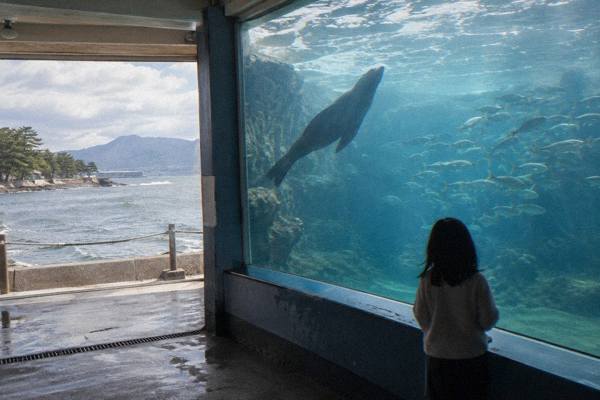
Hiroshima With Kids: How To Handle The Museum And What Else To Do
Hiroshima works well with children: junior high school students and younger enter the Peace Memorial Museum free, the Hiroden streetcar charges a flat 120 yen for kids on every line, and Miyajima adds deer, ferries and a seaside torii an easy ride away.
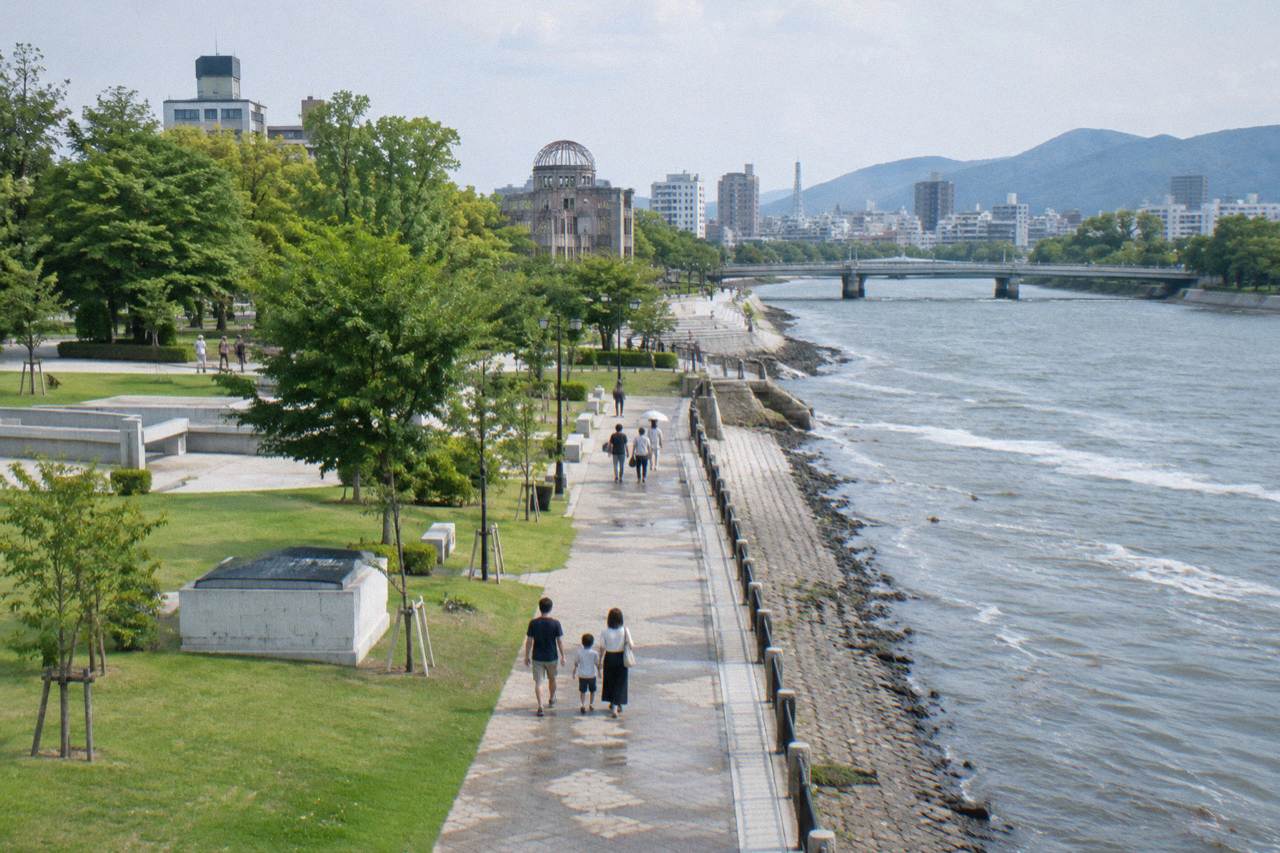
Yes. Hiroshima is a compact, tram-served city where children pay reduced fares at the Peace Memorial Museum (free through junior high), on the Hiroden and at Itsukushima Shrine, and Miyajima Island adds a 10-minute ferry, wild deer and tide-flats walking.
The Hiroden streetcar network charges a flat fare of 120 yen for children on every line, junior high school students and younger enter the Hiroshima Peace Memorial Museum free, and Miyajima, with its wild deer and tide-flats, sits a 10-minute ferry ride away. This guide sets out what the official pages say about child fares, hours and logistics, and builds a realistic family plan from them. The basics of the wider city are covered in things to do in Hiroshima.
Is Hiroshima A Good City To Visit With Children?
Yes, and the reasons are structural rather than subjective: Hiroshima is a flat, compact city linked by a flat-fare streetcar network, its Peace Memorial Museum admits junior high school students and younger free of charge, and its headline island excursion, Miyajima, is a 10-minute ferry crossing with a 100 yen visitor tax for those who pay it. The city's two World Heritage registers, the Peace Memorial and Itsukushima Shrine, sit at either end of one easy tram-plus-ferry chain. Between them are gardens, museums and food halls that suit families with primary-age children as much as teenagers. The pages below give the figures a family needs: fares, hours and admission prices.
For a general orientation before the family specifics, the first time in Hiroshima itinerary covers the geography, and the two-day and three-day plans can be slowed down with children. This page assumes roughly that route but at a child's pace.
How Do You Handle The Hiroshima Peace Memorial Museum With Children?
Admission is 200 yen for adults, 100 yen for high school students, and free for junior high school students and younger, with the museum open from 7:30am, and the museum's own rules ask visitors to keep quiet and not touch exhibits or display cases, which makes briefing children before entry the single most useful preparation. Non-flash photography and video are allowed for personal use, but tripods and selfie sticks are prohibited. There is no public parking in the Peace Memorial Park itself, so families arriving by car use nearby paid facilities. The museum's practical-information page lists all of these rules plainly.
The hours are generous and seasonal. The museum opens at 7:30am every day and closes later in summer than in winter, and some early-morning and late-afternoon permanent exhibition slots require a prior online reservation, which matters for families who want to avoid queueing with tired children.
| Period | Hours | Notes |
|---|---|---|
| March to July | 7:30am to 7:00pm | Reservation needed for 7:30 to 8:30am slots |
| August | 7:30am to 8:00pm | Until 9:00pm on August 5 and 6 |
| September to November | 7:30am to 7:00pm | Evening slots may need reservation |
| December to February | 7:30am to 6:00pm | Closed December 30 and 31 and mid-February |
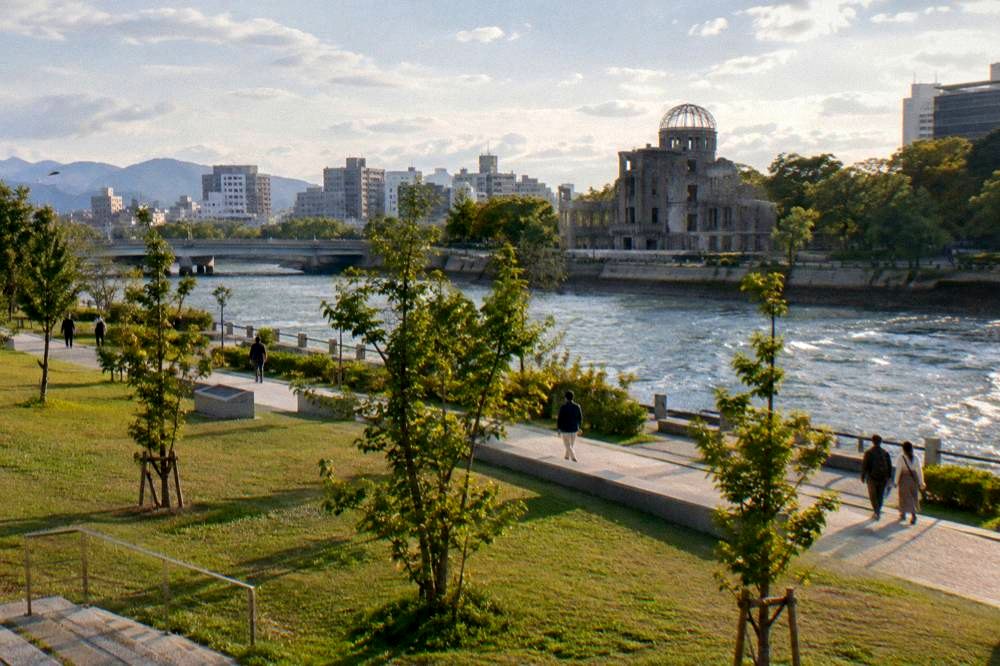
Admission detail from the museum's page: adults means college students and up, visitors 65 and older pay 100 yen with a passport, groups of 30 or more adults pay 160 yen each, and groups of 20 or more high school students enter free. The Park and the A-Bomb Dome cost nothing to see: the Peace Memorial Park and the Atomic Bomb Dome are free to enter, and the dome is viewed from outside its fence. The room-by-room layout of the building is covered in the Hiroshima Peace Memorial Museum guide, which lists what each floor holds so a parent can decide in advance what suits their child's age.
The subject matter deserves a word of planning rather than emotion. The museum presents Hiroshima before the bombing, the dangers of nuclear weapons and survivor video testimony across its East Building floors. Parents know their own children best; the museum's own etiquette rules, quiet behaviour and no touching, give the frame for that conversation. More on conduct around the park is in the Peace Park walking tour guide.
What Does Miyajima Offer Families With Kids?
On Miyajima, wild deer roam freely but must not be fed, the Great Torii can be walked to across the sand at low tide, and the Mount Misen ropeway, running 9:00 to 16:00 with a last descent at 16:30, suits families with children old enough for a mountain path. A 100 yen visitor tax applies on entry, with preschool children exempt. Itsukushima Shrine charges 300 yen for adults, 200 yen for high school students and 100 yen for elementary and junior high students. The shrine's corridor floorboards have gaps that let high-tide water pressure through, and the admission page itself advises comfortable shoes, which is worth knowing before putting children in sandals.
The tide is the island's free show. At low tide the sand flats open and the torii can be approached on foot; at high tide the gate appears to float. Rather than guessing, treat the tide as a live question and plan the ferry day around it. The mechanics of the crossing are covered in detail in the Hiroshima to Miyajima guide.
Child-specific figures on the island:
| Item | Adult | Child / Student | Notes |
|---|---|---|---|
| Miyajima visitor tax | 100 yen | Preschool free | Charged on entering the island |
| Itsukushima Shrine | 300 yen | 200 yen high school, 100 yen elementary and junior high | Combined ticket with Treasure Hall also sold |
| Mount Misen ropeway | 2,000 yen return | 1,000 yen return | 9:00 to 16:00, last descent 16:30 |
| JR ferry | 200 yen one way | 100 yen one way | Crossing about 10 minutes, covered by JR passes |
The Mount Misen ropeway runs from 9:00 to 16:00 with a last descent at 16:30, and the fare page puts a return trip with sightseeing at about one hour. The summit walk adds about an hour more, so the ropeway suits families with children old enough for a mountain path; the deer and the shrine fill a day easily for younger ones.
A rickshaw ride around Miyajima can be checked via the Check availability link.
How Do You Get To Miyajima With Children And What Does It Cost?
The Hiroden Miyajima line runs all the way to Miyajimaguchi on the same flat fare as every other line, 240 yen per adult and 120 yen per child since 1 February 2025, and a 1-day streetcar and ferry pass at 1,000 yen adult and 550 yen child includes both the ferry and the 100 yen Miyajima visitor tax. That pass figure comes from the Hiroden fare page and is the cleanest single purchase for a family making the island round trip in one day. A streetcar-only 1-day pass is reported at 700 yen adult and 350 yen child for families staying in the city.
The JR ferry from Miyajimaguchi departs roughly every 15 minutes from 8:00 into the evening, with a first sailing at about 6:25 and a last at about 22:00, and the crossing takes about 10 minutes. Japan Rail Pass and JR-West rail passes are valid on it, which matters for families touring on a pass. Matsudai Kisen runs a second ferry on its own timetable, about every 15 minutes from 7:00 into the evening.
| Transport | Adult | Child | Notes |
|---|---|---|---|
| Hiroden streetcar, single | 240 yen | 120 yen | Flat fare, all lines including Miyajima line |
| Hiroden 1-day streetcar pass | 700 yen | 350 yen | Reported on the Hiroden pass page |
| Hiroden 1-day streetcar and ferry pass | 1,000 yen | 550 yen | Includes the 100 yen island tax |
| Airport limousine bus to station | 1,500 yen | 750 yen | About 50 minutes, Shinkansen exit |
Staying on the island overnight changes the day's shape entirely, and the Miyajima overnight itinerary covers it. For most families the round trip is enough, and the one-day city-plus-island plan in Hiroshima and Miyajima in one day is the template to slow down.
Which Hiroshima Museums Work Best For Kids?
The Mazda Museum is free, open Monday to Friday by reservation only with no walk-in visits, and lets visitors view the actual vehicle assembly line from Zone 9, while the Yamato Museum in Kure is built around a 26.3-metre, 1/10-scale model of the battleship Yamato with admission of 1,000 yen for adults, 300 yen for high school students and 200 yen for elementary and junior high students.
| Museum | Adult admission | Child / student | Booking |
|---|---|---|---|
| Peace Memorial Museum | 200 yen | 100 yen high school, free junior high and younger | Reservation for some slots |
| Mazda Museum | Free | Free | Reservation only, no walk-ins |
| Yamato Museum, Kure | 1,000 yen | 300 yen high school, 200 yen elementary and junior high | Closed Tuesdays |
| Shukkeien Garden | 350 yen | 150 yen university, school students free | None listed |
The Mazda Museum's reservation rule is the planning point: it is closed on Saturdays and Sundays in principle, with selected Saturday openings, and visitors gather in the head office lobby before a shuttle bus to the museum. Photography is permitted in Zones 1 to 8 and 10 but prohibited in Zone 9, the assembly-line viewing zone. Its address is 3-1 Shinchi, Fuchu-cho, and it is a 5-minute walk from JR Mukainada Station South Exit to the lobby. The full visit mechanics are in the Mazda Museum guide.
The Yamato Museum in Kure is an easy day trip on the JR Kure Line, an 8-minute walk from Kure Station, open 9:00 to 18:00 with last admission at 17:30 and closed Tuesdays except in set holiday periods. Besides the scale model, exhibits include a preserved Zero carrier fighter and a Kaiten manned torpedo, and a 4F terrace overlooks Kure Port. Details are in the Yamato Museum guide.
Shukkeien Garden rounds out the list: 350 yen for adults, 150 yen for university students and free for school students since 14 April 2025, open 9:00 to 18:00 in the warmer half of the year and 9:00 to 17:00 in the cooler half, with last entry 30 minutes before closing.
For the city's art options, the Hiroshima Museum of Art and Hiroshima MOCA guides carry the details, and rainy-day alternatives are pooled in Hiroshima on a rainy day.
How Do You Get Around Hiroshima With Children?
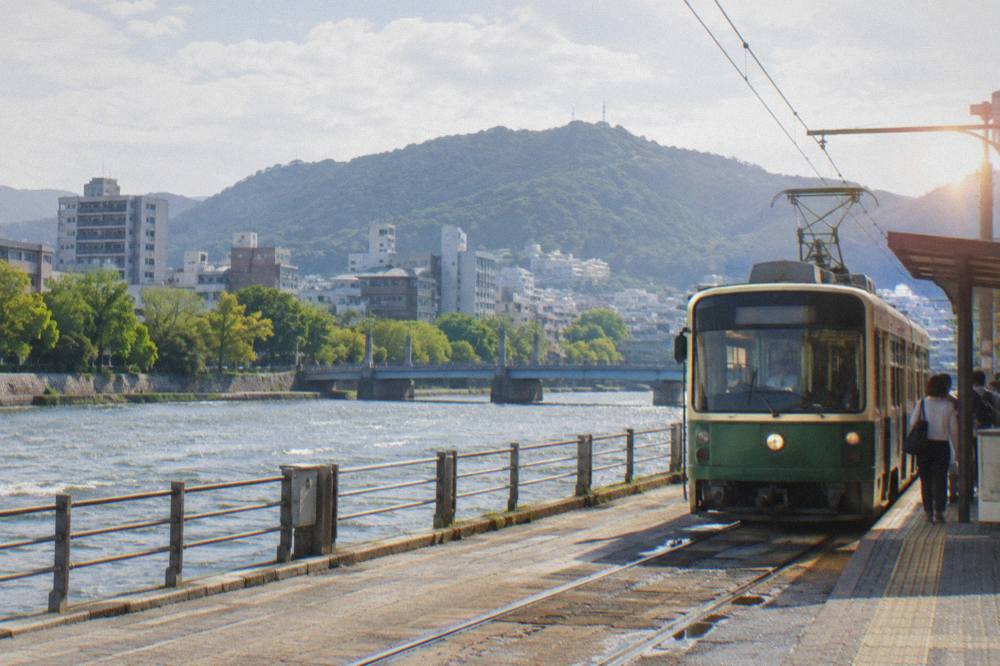
The Hiroden streetcar is the family workhorse: a flat 240 yen adult and 120 yen child fare on every line, and, as reported since 3 August 2025, the tram now enters the Hiroshima Station building itself, so a family arriving by Shinkansen steps from platform to streetcar without crossing a street. From JR Hiroshima Station the streetcar takes about 25 minutes to the Genbaku Dome-mae stop followed by a 10-minute walk to the Peace Memorial Museum, per the museum's access page; another source gives about 15 minutes for the station-to-dome ride, so treat both as rough planning figures rather than timetables.
Flying in with the kids instead. Book a flight to Hiroshima here.
Two passes sit above the single fares. The streetcar-only day pass at a reported 700 yen for adults breaks even after three rides, and the streetcar-and-ferry pass at 1,000 yen covers the island round trip and the tax in one purchase. The city's wider pass options are compared in the Hiroshima tourist pass guide, and the full transport picture, including airport buses, is in getting around Hiroshima.
One note on the castle: the keep closed to visitors on 22 March 2026, and the exterior and grounds are what a family sees today. A Sannomaru history museum is planned for 1 June 2027. The Hiroshima Castle guide keeps the current state of play.
Where Should Families Eat In Hiroshima?
Families should eat at Okonomimura, where children can watch their dinner being made in front of them, and the Okosta okonomiyaki museum offers a cook-it-yourself version for families who want the lesson as well as the meal, while the what to eat in Hiroshima guide is the parent's menu planner for the rest of the city's food, including the station district's quick options.
On arrival day, see what to eat around Hiroshima Station.
What Is The Weather Like In Hiroshima For A Family Trip?
The Japan Meteorological Agency (JMA) station normals for 1991-2020 show Hiroshima summers are hot and humid, with an average August daily high of about 32.8 °C, and winters are mild, with an average January daily high of about 9.9 °C, while July is the wettest month at about 279.8 mm of rain and January the driest at about 46.2 mm. No month is off the table on those numbers alone; they simply tell a family what to pack. The full month-by-month breakdown lives in Hiroshima weather and the seasonal trade-offs in best time to visit Hiroshima.
| Month | Average high °C | Average low °C | Rain mm |
|---|---|---|---|
| January | 9.9 | 2.0 | 46.2 |
| April | 19.8 | 10.1 | 141.0 |
| July | 30.9 | 24.1 | 279.8 |
| August | 32.8 | 25.1 | 131.4 |
| October | 23.7 | 14.9 | 109.2 |
| December | 12.1 | 4.0 | 54.0 |
Two family-relevant readings of the table: June and July carry the heaviest rain totals, so the museum-and-Okosta indoor days belong there, and the August heat coincides with the museum's longest hours, 7:30am to 8:00pm. August 6 brings the Peace Memorial Ceremony to the park from 8:00 to 8:50, with about 7,000 seats plus about 2,200 indoor seats at the International Conference Center; families with young children should know the ceremony is seated and still rather than a festival.
What Does A Two-Day Family Plan For Hiroshima Look Like?
A workable family shape is one day in the city, streetcar to the Peace Memorial Park for the museum and dome in the morning, Shukkeien and the castle grounds after lunch, then okonomiyaki at Okonomimura, and a second day on the streetcar-and-ferry pass to Miyajima for the shrine, the deer and the tide-flats, with the ropeway if the children can take the summit walk. Every figure in that sentence is a fare or hour from the tables above, so the plan scales to a family's own pace. The Hiroshima in 2 days itinerary is the fuller version, and Hiroshima in one day compresses it further.
| Slot | Day 1, city | Day 2, Miyajima |
|---|---|---|
| Morning | Peace Memorial Museum from 7:30am opening | Hiroden Miyajima line and ferry |
| Midday | Shukkeien or castle grounds | Itsukushima Shrine and Omotesando |
| Afternoon | Okosta cooking or an art museum | Tide-flats at low tide or ropeway |
| Evening | Okonomimura for okonomiyaki | Return ferry and streetcar |
Families with three days or more can add Kure and the Yamato Museum, or the Mazda Museum if a weekday slot opens, and the Hiroshima in 3 days plan sequences them. Free filler stops, the park, the dome exterior and the shrine approach streets, are pooled in free things to do in Hiroshima.
For families who prefer the day handled end to end, a guided bus tour of both World Heritage sites removes the streetcar-and-ferry choreography entirely, and a boat day adds a different angle on the bay.
Common Questions About Hiroshima With Kids
Is Hiroshima With Kids A Good Idea?
Yes by the numbers: children ride the Hiroden streetcar for a flat 120 yen, junior high students and younger enter the Peace Memorial Museum free, school students enter Shukkeien Garden free, and Miyajima adds a 10-minute ferry, wild deer and tide-flat walking to the trip.
How Much Does The Hiroshima Peace Memorial Museum Cost For A Family?
Adults pay 200 yen, high school students 100 yen, and junior high school students and younger enter free, per the museum's practical-information page. Visitors 65 and older pay 100 yen with a passport.
Can Children Walk To The Miyajima Torii Gate?
At low tide, yes: the sand flats open and the Great Torii can be walked to. At high tide the gate appears to float. Treat the tide as a live condition and time the visit around it rather than a fixed schedule.
Are The Deer On Miyajima Safe For Children?
Wild deer roam freely on Miyajima and must not be fed, per the island guidance. They are animals, not pets, so children should keep food stored and give them space.
What Is The Miyajima Visitor Tax For Children?
The tax is 100 yen, charged separately on entering the island, and preschool children are exempt. The Hiroden streetcar and ferry day pass at 1,000 yen adult and 550 yen child already includes it.
Is The Mazda Museum Suitable For Children?
Admission is free and the museum includes a viewing zone over the actual vehicle assembly line, but it is reservation only with no walk-in visits, open Monday to Friday in principle, so it suits families who can commit to a weekday slot.
Families who plan around the flat tram fare, the free child admissions and the tide at Miyajima can see both of Hiroshima's World Heritage faces in two unhurried days, and the Hiroshima Travel Guide homepage carries the rest of the city's pages if the trip grows beyond that.