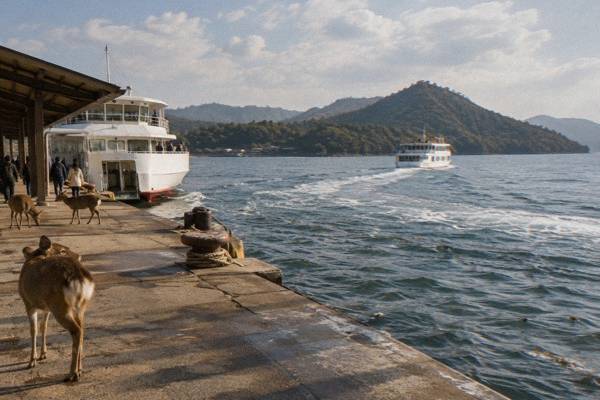
Miyajimaguchi: The Ferry Town Opposite The Torii
Miyajimaguchi, on the mainland shore of Hiroshima Bay, is where JR trains, Hiroden trams and three ferry operators converge for the ten-minute crossing to Miyajima and the Great Torii.
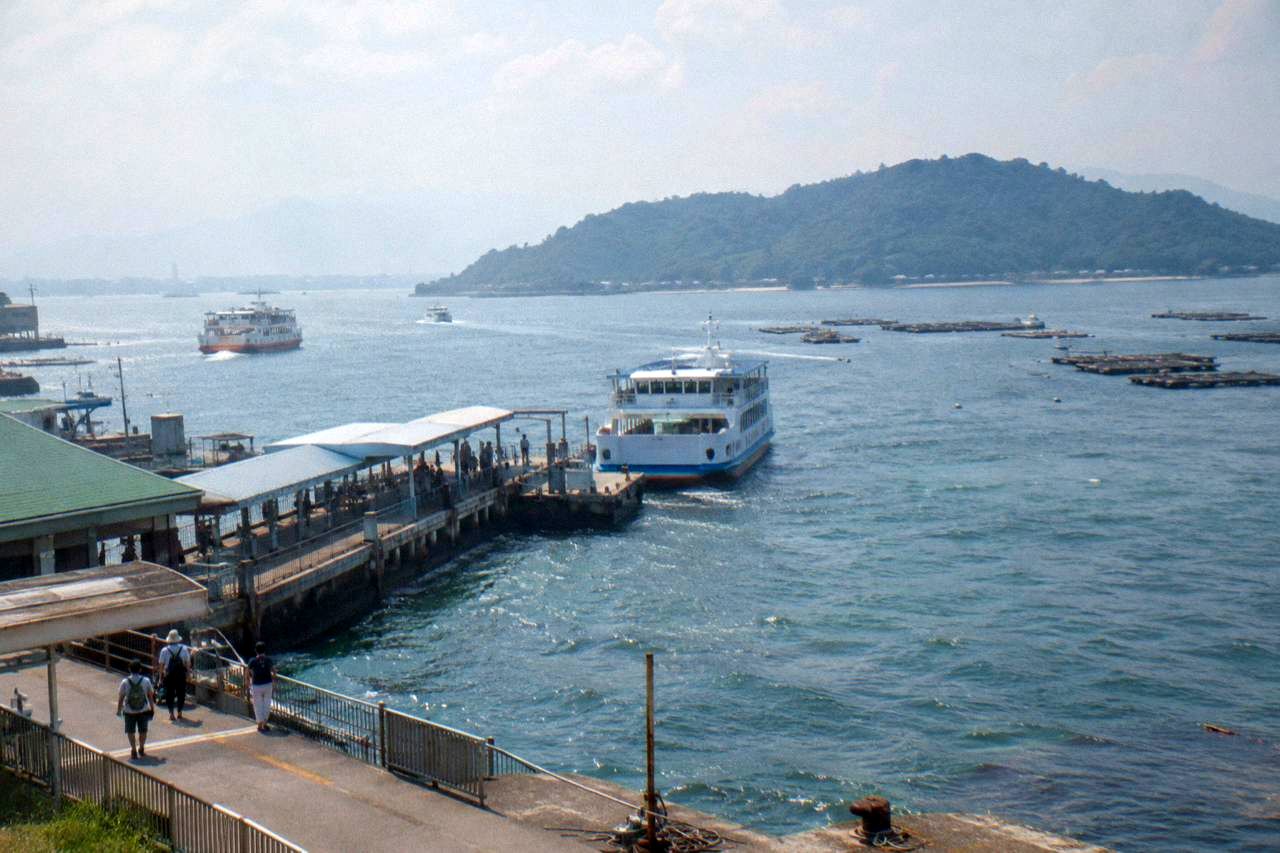
Miyajimaguchi is the port on the Hiroshima mainland where the JR Sanyo Line, the Hiroden Line 2 tram and three ferry operators meet. The JR ferry to Miyajima takes about 10 minutes and runs roughly every 15 minutes through the day.
Miyajimaguchi is the small port town on the Hiroshima mainland shore of Hiroshima Bay, directly opposite Miyajima island and its Great Torii, and for nearly every visitor it is the doorway to the island. The JR ferry page describes the link from JR Miyajimaguchi Station to the ferry terminal as a flat, step-free five-minute walk via an underpass with an elevator, and the crossing itself takes about ten minutes. This guide covers the trains, the trams, the three ferry operators, the fares, the passes and the tide planning that decide how smoothly the crossing goes.
What Is Miyajimaguchi And Why Does Every Miyajima Trip Start Here?
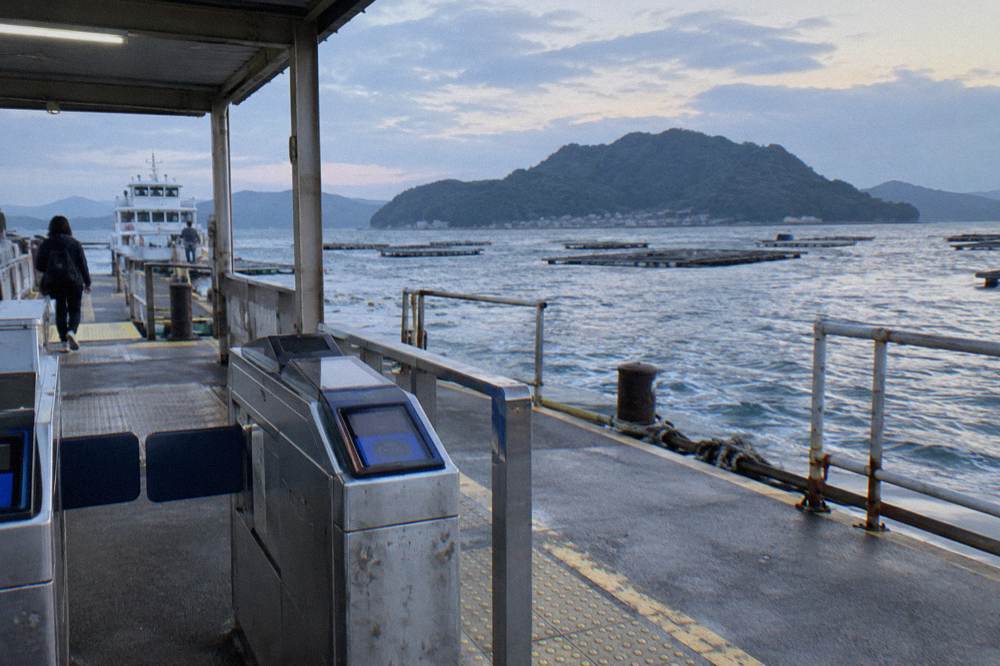
Miyajimaguchi is the mainland ferry port for Miyajima, on the shore of Hiroshima Bay in Hiroshima Prefecture, about 28 to 30 minutes by JR train from Hiroshima Station. Cars cannot be taken onto the island, so the ferries that leave from here are the standard way across, and the walk from JR Miyajimaguchi Station to the ferry terminal is a flat, step-free five minutes through an underpass with an elevator.
That short walk is the whole logic of the place. The JR station, the Hiroden tram terminus and the ferry piers sit within a few minutes of one another on the same narrow strip of coast, with Miyajima filling the view across the water. The JR Miyajima Ferry access page notes that paid parking is available near the pier for those who drive, and that IC cards such as ICOCA and Suica are accepted at the JR ferry ticket gates.
Miyajima, for orientation, is an island in Hiroshima Bay, not in the open sea, and it is not part of any Hiroshima city sightseeing district. It is reached only by boat, and the three operators that serve it all leave from Miyajimaguchi, which makes this port the single choke point of every island itinerary, from a half-day shrine visit to a full Miyajima overnight.
How Do You Get From Hiroshima To Miyajimaguchi?
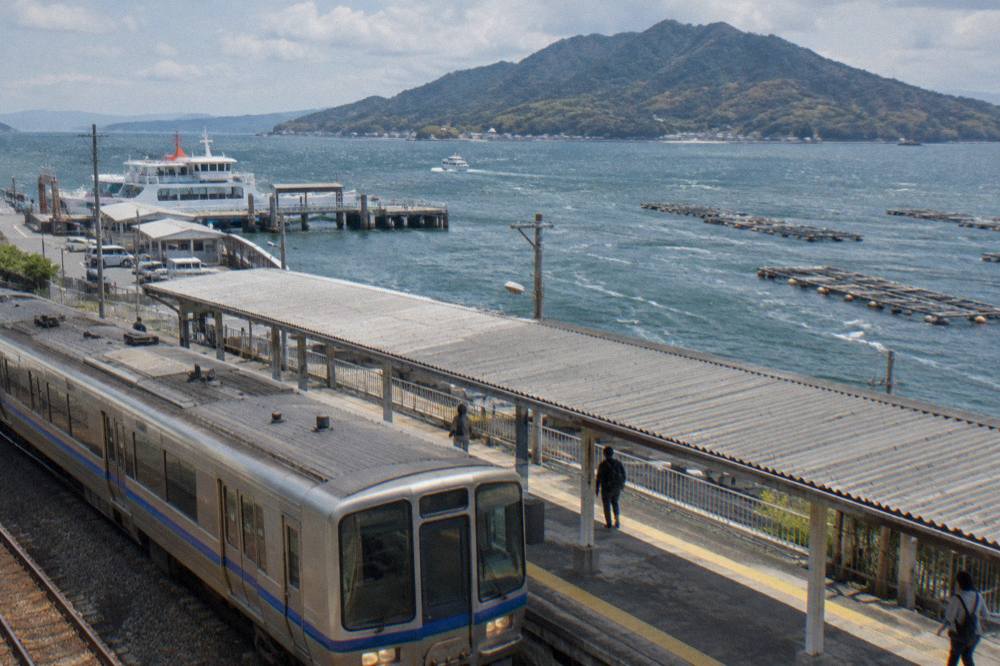
From Hiroshima Station, the JR Sanyo Line to Miyajimaguchi takes about 28 to 30 minutes and costs 420 yen adult, with trains bound for Iwakuni running every 10 to 15 minutes in the daytime. The slower alternative is the Hiroden Line 2 tram from central Hiroshima to the Hiroden-miyajima-guchi terminus, reported at about 66 to 70 minutes on a flat 240 yen adult fare, arriving right beside the ferry piers.
The train is the quick option and the tram is the scenic one, riding street-level through the western suburbs and along the coast. The Hiroden fare has been a flat 240 yen for adults and 120 yen for children on all lines, including the Miyajima line, since February 2025. IC cards work on both modes: the Hiroden accepts ICOCA, Suica and other nationwide IC cards with a tap on boarding and a tap off, a system that replaced the old PASPY card when its service ended on 29 March 2025.
| Route | Operator | Time | Adult fare |
|---|---|---|---|
| Hiroshima Station to Miyajimaguchi | JR Sanyo Line | about 28 to 30 min | 420 yen |
| Central Hiroshima to Hiroden-miyajima-guchi | Hiroden Line 2 | about 66 to 70 min | 240 yen flat |
| Miyajimaguchi Station to ferry terminal | on foot | 5 min flat, step-free | free |
| Hiroden all-day streetcar pass | Hiroden | 1 day | 700 yen |
| 1-Day Streetcar and Ferry Pass | Hiroden | 1 day | 1,000 yen, includes Matsudai Kisen ferry and visitor tax |
The two Hiroden passes deserve a second look before you ride. The 700 yen all-day streetcar pass covers rides to Hiroden-miyajima-guchi but not the ferry, while the 1,000 yen 1-Day Streetcar and Ferry Pass includes the Miyajima Matsudai Kisen ferry plus the 100 yen Miyajima visitor tax, which is why the pricier pass often wins for a round trip to the island in one day.
If you are starting from the Hiroshima Station area rather than the city centre, note that the Hiroden tram now enters the station building itself, reported since 3 August 2025, so the tram to Miyajimaguchi can be boarded without leaving the station complex. For the wider picture of the city end of the line, the Hiroshima Station area guide covers the district around the terminal.
Which Ferry Should You Take From Miyajimaguchi?
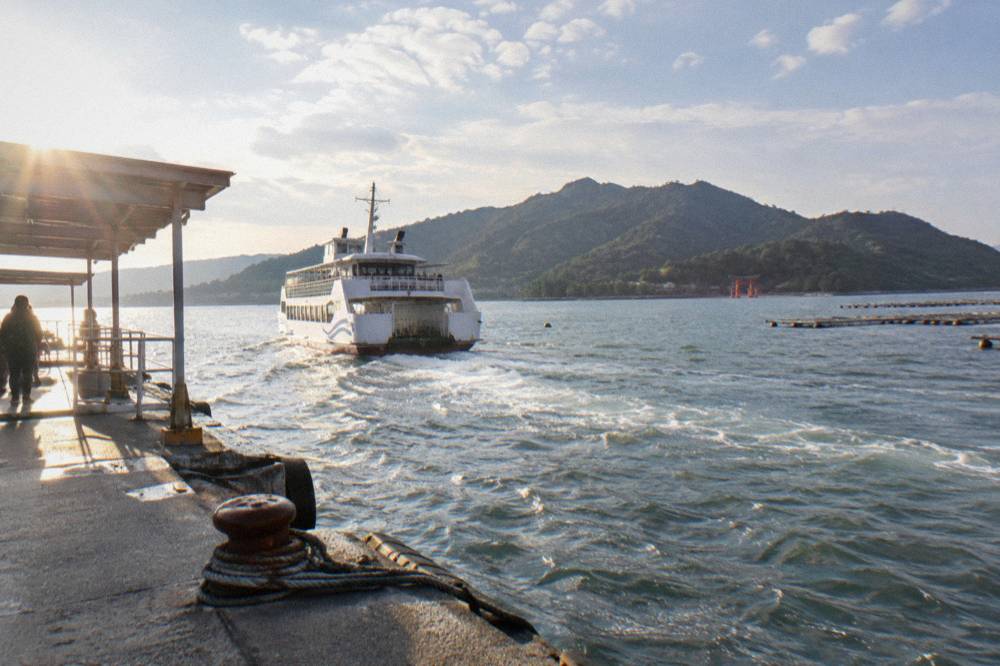
The JR West Miyajima Ferry, about 10 minutes, first departure 6:25 and last 22:42 on the regular schedule, and Miyajima Matsudai Kisen, from 7:15 to about 20:35 on weekdays, serve the route, and a faster Aqua Net high-speed boat makes the same trip in about 5 minutes. Between them the two main operators sail roughly every 15 minutes through the core of the day, so the crossing rarely decides the schedule.
The detail worth knowing is the route. JR West Miyajima Ferry departures from Miyajimaguchi between 9:10 and 16:10 follow the Great Torii route, passing close to the torii on the way, which the timetable page states plainly. If the close pass matters to your photographs, time the sailing to fall inside those hours rather than paying for a separate cruise.
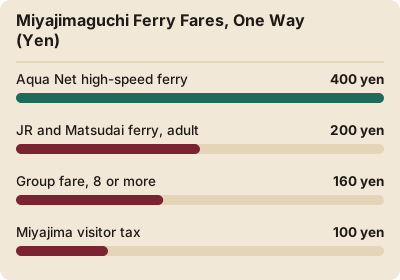
The Aqua Net high-speed ferry is the quick alternative, about 5 minutes across at an adult one-way fare of 400 yen plus the 100 yen visitor tax. Both JR West Miyajima Ferry and Miyajima Matsudai Kisen accept IC cards and cash, and the Japan Rail Pass covers only the JR ferry, not the other operators.
| Operator | Crossing | First from Miyajimaguchi | Last from Miyajimaguchi | Notes |
|---|---|---|---|---|
| JR West Miyajima Ferry | about 10 min | 6:25 | 22:42 | Torii route 9:10 to 16:10; Japan Rail Pass valid |
| Miyajima Matsudai Kisen | about 10 min | 7:15 | about 20:35 weekdays | Included in the Hiroden 1,000 yen day pass |
| Aqua Net high-speed ferry | about 5 min | see timetable | see timetable | 400 yen adult one way plus visitor tax |
Guided island options remove the ferry-and-tide puzzle entirely, since the crossing, the shrine and the timing are handled for you.
How Much Does The Miyajimaguchi Crossing Cost?
The standard one-way adult ferry fare from Miyajimaguchi to Miyajima is 200 yen on both the JR West Miyajima Ferry and Miyajima Matsudai Kisen, with a group fare of 160 yen one way for groups of eight or more on the JR ferry, and every arriving passenger pays the separate 100 yen Miyajima visitor tax, collected with the ferry ticket, with preschool children exempt from the tax.
The tax is not a ferry surcharge. It is collected by the island and added to inbound ferry tickets, and it applies even to Japan Rail Pass holders who ride the JR ferry free of charge, as the JR ferry fare page states.
| Item | Amount | Applies to |
|---|---|---|
| Ferry, one way adult | 200 yen | JR ferry and Matsudai Kisen |
| Ferry group fare | 160 yen one way | JR ferry, groups of 8 or more |
| Aqua Net high-speed ferry | 400 yen one way | adult |
| Miyajima visitor tax | 100 yen | all arrivals, preschool children exempt |
| JR ferry with Japan Rail Pass | covered by pass | tax still payable |
For anyone stacking the island onto a wider Hiroshima stay, the arithmetic is worth a minute. A round trip by JR ferry means the 200 yen fare in each direction plus the 100 yen tax on the way in; the Hiroden 1,000 yen streetcar and ferry pass beats the sum of separate tickets once you add even a single tram ride in the city, because the tram, the Matsudai Kisen crossing and the tax are all inside the one price.
Do Rail Passes And IC Cards Work At Miyajimaguchi?
The Japan Rail Pass and JR-West rail passes are valid on the JR West Miyajima Ferry but on no other operator, and ICOCA, Suica and other nationwide IC cards work on the Hiroden trams, at the JR ferry ticket gates and on the JR train, while the 100 yen visitor tax is always paid separately, pass or no pass.
That boundary catches people who hold a regional pass and board the wrong boat. On the tram side, the card story changed recently: the old Hiroden PASPY card ended service on 29 March 2025, and since then ICOCA, Suica and the other nationwide IC cards, tapped on boarding and tapped off at the exit, plus the MOBIRY DAYS system, are the ways to pay. More of these guides are collected on Hiroshima Travel Guide.
The Kansai Hiroshima Area Pass and the 5-day JR Hiroshima Yamaguchi Area Pass both include JR rail travel in the region, and where a pass covers the Sanyo Line it covers the train to Miyajimaguchi under the same terms as any other JR train. The ferry point above still applies: JR pass, JR ferry, tax separate.
What Can You Do In Miyajimaguchi Itself?
Miyajimaguchi is primarily a transit town, but it holds the ferry piers, the JR and Hiroden stations, paid parking near the pier, the flat step-free underpass walk between them, and a waterfront that looks straight across the strait at the Great Torii, which is viewable from the mainland shore for free.
Most of what visitors do here is waiting done well. The five-minute walk between station and pier passes under the road with elevator access at both ends, and the waterfront around the piers gives the first clear view of the island. Two practical notes shape a stop: the last JR ferry back from Miyajima leaves at 22:14, and the torii and shrine are illuminated every evening from about 30 minutes after sunset until 23:00, which the island's tourist association publishes on its light-up page, so an evening return sailing comes with a lit gate across the water rather than a dark one. The night illumination of the torii is covered in its own answer page.
How Does The Tide Change A Miyajimaguchi Crossing?
The tide does not stop the ferries, but it decides what you see from the boat and on the island: at low tide, when the level referenced to Hiroshima Port falls below about 100 cm, people walk across the seabed to the base of the Great Torii, and at high tide, above about 250 cm, the gate and the shrine appear to float, which is the state the JR ferry's 9:10 to 16:10 Great Torii route is designed to show.
Both figures are guide figures referenced to Hiroshima Port, and the practical version is this: check the live tide block rather than any printed height or time, because the tide shifts through the month and no fixed schedule holds. The island's tourist association and the JR ferry operator publish the tide tables used for planning, and every serious Miyajima itinerary is built around them, whether the goal is standing under the gate or photographing it afloat.
The mechanics of why the gate stands in the water at all, standing on its own weight on driven wooden piles, are explained in why the Miyajima torii gate is in the water.
Where Does Miyajimaguchi Fit In A Wider Hiroshima Trip?
Miyajimaguchi is the western anchor of a Hiroshima itinerary: the city's peace sites, castle grounds, Shukkeien and food districts sit at the tram's eastern end, and every Miyajima day, whether a rushed afternoon or a full island visit with the ropeway up Mount Misen, runs through this port, so its position argues for giving the island a morning or a whole day rather than a squeezed stop between city sights.
The typical shape is a morning ferry, the shrine and the Omotesando shopping street at the island end, then Mount Misen by ropeway, 2,000 yen adult return, running 9:00 to 16:00 with last descent at 16:30, before a return sailing timed against the last boat from the island at 22:14. The Omotesando street guide and the Mount Misen guide cover both halves in depth, and the shrine itself is detailed in the Itsukushima Shrine guide. Visitors with more time can overnight on the island, which frees the evening illumination and the early-morning low tide from the day-trip clock.
One combined way to see both shores in a single day is the Hiroshima and Miyajima by Bike and Boat tour, which links the city and the island by bicycle and boat; Check availability on the operator's live listing if that shape fits.
| Island sight | Adult admission | Hours |
|---|---|---|
| Itsukushima Shrine | 300 yen | 6:30 to 18:00 from 1 Mar to 14 Oct; 6:30 to 17:30 from 15 Oct to 30 Nov; 6:30 to 17:00 in Dec |
| Itsukushima Shrine plus Treasure Hall combined | 500 yen | Treasure Hall 8:00 to 17:00 |
| Mount Misen ropeway | 2,000 yen return, 1,100 one way | 9:00 to 16:00, last descent 16:30 |
| Great Torii from the shore | free | viewable at any time |
For a much longer loop, the ferry networks described in the Matsuyama by ferry guide connect Hiroshima Prefecture across the Inland Sea, but those sailings share nothing with the Miyajimaguchi piers beyond the sea they sit on.
What Should You Know Before The First Sailing Of The Day?
The JR ferry's first departure from Miyajimaguchi is 6:25 and its last is 22:42, Matsudai Kisen starts at 7:15 and finishes about 20:35 on weekdays, and the island's Miyajima visitor tax of 100 yen is collected with the inbound ferry ticket, so the practical checklist is: buy or tap for the ferry, keep 100 yen for the tax unless it is bundled in a pass, and check the tide table and the last sailing before committing to a late evening.
Early crossings reward two groups of people: those heading for the shrine at its 6:30 opening, and those chasing a low-tide walk to the torii before the day warms up. Late crossings reward a different plan, the illuminated gate, lit nightly from about 30 minutes after sunset to 23:00, with the 22:14 JR ferry from the island as the practical deadline.
Weather is a summer-winter question more than a rain question: the Japan Meteorological Agency station normals for Hiroshima, 1991 to 2020, put July at an average daily high of about 30.9 °C with 279.8 mm of rain, and January at about 9.9 °C high and 2.0 °C low with 46.2 mm, and none of that stops the boats.
| Month | Average daily high | Average daily low | Average rain |
|---|---|---|---|
| January | 9.9 °C | 2.0 °C | 46.2 mm |
| April | 19.8 °C | 10.1 °C | 141.0 mm |
| July | 30.9 °C | 24.1 °C | 279.8 mm |
| October | 23.7 °C | 14.9 °C | 109.2 mm |
Source of the climate rows: Japan Meteorological Agency station data, 1991 to 2020, for Hiroshima.
Can You Visit Miyajima From Miyajimaguchi In Half A Day?
Yes, and Miyajimaguchi makes the short version possible: the JR train from Hiroshima Station takes about 28 to 30 minutes, the ferry about 10 minutes more, the shrine needs no more than a steady visit, and ferries run roughly every 15 minutes in both directions, so a half day holds the shrine, the torii from the shore and a walk along the Omotesando, provided the ropeway and Mount Misen are left for a longer day.
The half-day plan lives or dies on the clock at the edges. A morning train soon after 9:00, the Great Torii route sailing between 9:10 and 16:10 for the close pass, an hour or two on the island, and a return ferry well before the last departures around 22:00 gives a comfortable margin.
Half-day guided options exist that start from Hiroshima Station and fold the ferry legs into the itinerary, which suits visitors who would rather not manage the tide table and the timetable at the same time. For anyone weighing the island against the city, the full comparison of sights on both sides of the strait is laid out in things to do in Hiroshima, which places Miyajima in the context of the peace park, the castle grounds and the food districts.
Common Questions About Miyajimaguchi
How Far Is Miyajimaguchi Station From The Ferry Pier?
The walk from JR Miyajimaguchi Station to the Miyajima ferry terminal is a flat, step-free five minutes via an underpass with an elevator, per the JR ferry access page.
How Much Is The Ferry From Miyajimaguchi To Miyajima?
The standard one-way adult fare is 200 yen on the JR West Miyajima Ferry and Miyajima Matsudai Kisen. The Aqua Net high-speed ferry is 400 yen one way. Every arrival also pays the 100 yen Miyajima visitor tax, charged with the ferry ticket, and preschool children are exempt from the tax.
Does The Japan Rail Pass Cover The Miyajimaguchi Ferry?
It covers the JR West Miyajima Ferry only. It does not cover Miyajima Matsudai Kisen or the Aqua Net high-speed ferry, and it does not absorb the 100 yen Miyajima visitor tax, which pass holders still pay.
What Time Is The Last Ferry From Miyajima Back To Miyajimaguchi?
The last JR West Miyajima Ferry departs Miyajima at 22:14, matching the last 22:42 departure from Miyajimaguchi on the regular schedule. Matsudai Kisen finishes earlier, about 20:35 on weekdays from the mainland side.
Can You Take A Car To Miyajima From Miyajimaguchi?
Visitors cannot take cars onto the island. Paid parking is available near Miyajimaguchi Pier, and the crossing is made on foot by ferry.
Is Miyajimaguchi The Same Place As Miyajima?
No. Miyajima is the island in Hiroshima Bay, about ten minutes away by ferry, where Itsukushima Shrine and the Great Torii stand.
Miyajimaguchi earns its place in a Hiroshima plan by being forgettable in the best way: a flat five-minute transfer, a 200 yen boat every quarter hour or so, and a tide table to check before the first sailing, after which the island does the rest.