Is Hiroshima Worth Visiting?
Is Hiroshima worth visiting? A factual look at the Peace Memorial Park, Miyajima, food, costs and transport in the city on the Seto Inland Sea.
Its name is tied worldwide to one event, yet the destination a traveller actually meets includes a 122,100-square-metre peace park that is free and open around the clock, a museum that drew a reported 2,580,926 visitors in FY2025, a UNESCO-listed shrine island ten minutes away by ferry, and a food culture centred on okonomiyaki and Hiroshima Bay oysters. What the primary sources say about the sights, the costs and the practicalities allows the question of worth to be answered with figures rather than impressions.
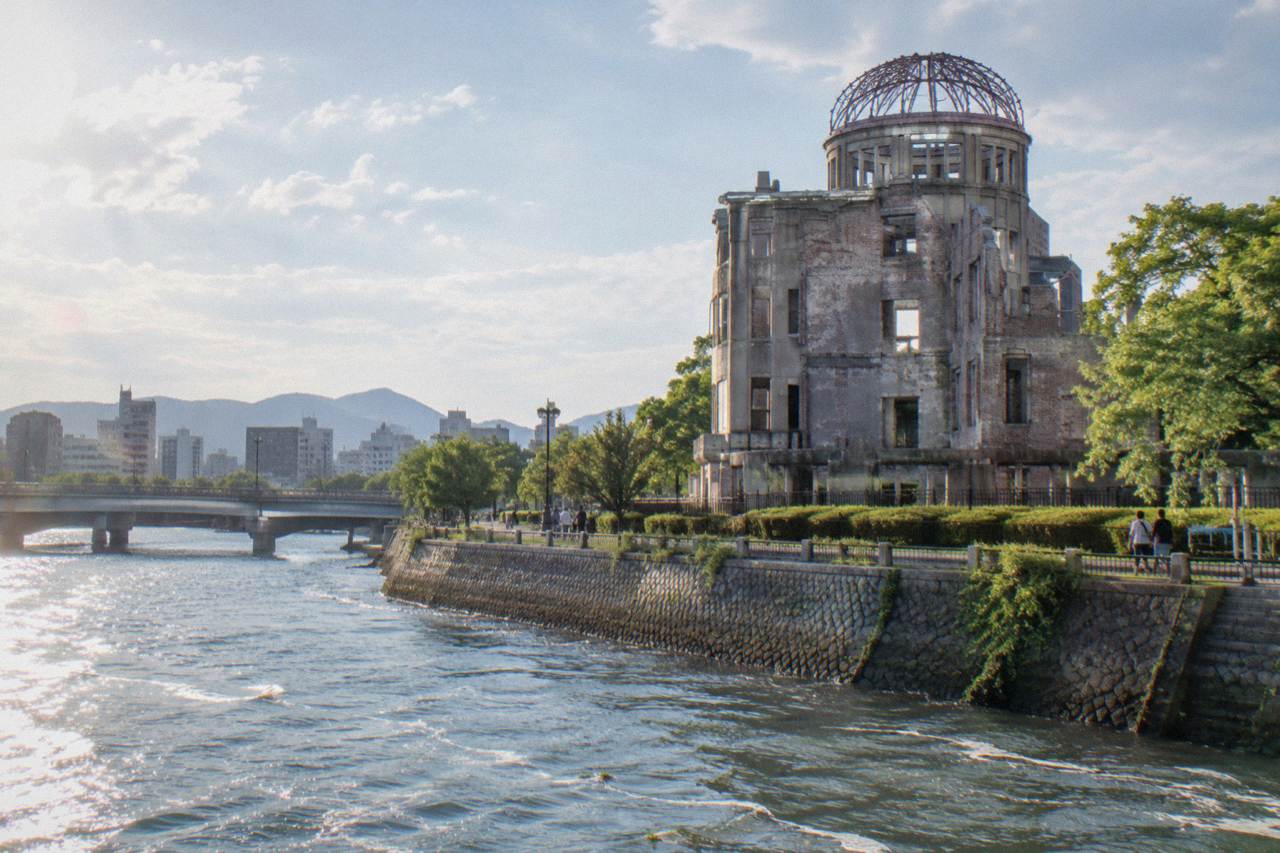
Yes, on the record of the places themselves: Hiroshima city holds a peace park of 122,100 square metres that is free and open 24 hours a day, a museum whose reported FY2025 attendance reached 2,580,926 people, and, ten minutes away by ferry, Miyajima with a UNESCO World Heritage shrine that opens at 6:30 except on 1 January, and charges 300 yen to enter. The honest case for the city rests on three layers.
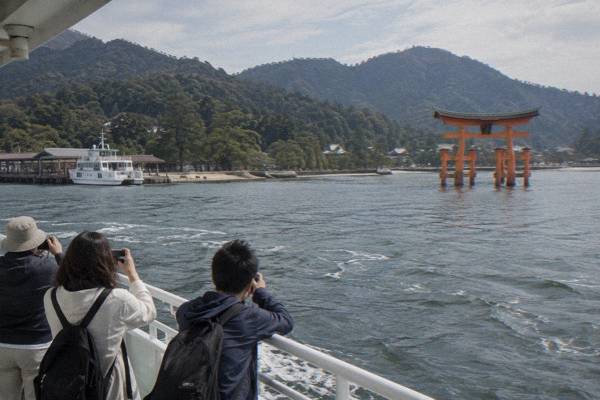
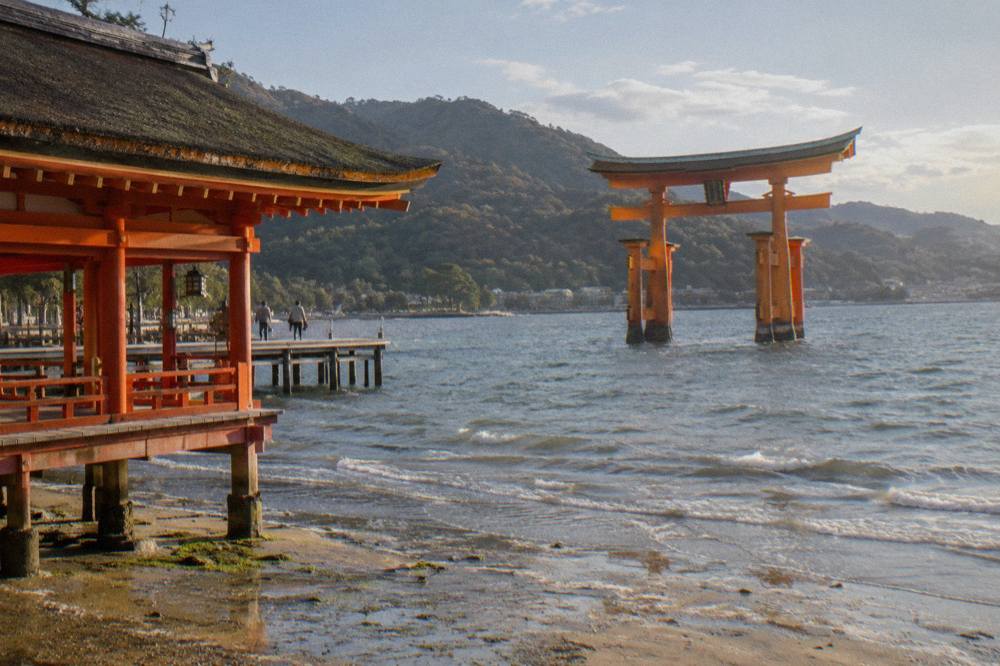
The first is memory: Peace Memorial Park contains 35 monuments, including the Atomic Bomb Dome and the Children's Peace Monument, and the city keeps the park open around the clock with no entry fee. The second is the island: Miyajima, in Hiroshima Bay, holds the Great Torii of Itsukushima Shrine, a 16.6-metre camphor-wood gate that stands in the sea about 160 metres offshore and appears to float when the tide runs high. Worth also depends on what a visit costs, and this city prices low by Japanese standards. The Peace Memorial Museum charges adults 200 yen, high school students pay 100 yen and junior high students and younger enter free, and the park itself costs nothing. A combined Itsukushima Shrine and Treasure Hall ticket is 500 yen. The principal sights of both city and island carry only these small admission fees, and the tables below break them down line by line.
What Are The Main Sights In Hiroshima And Miyajima?
The main sights are Peace Memorial Park with the Atomic Bomb Dome and the Peace Memorial Museum, Hiroshima Castle and Shukkeien in the city, and on Miyajima the Itsukushima Shrine, the Great Torii and Mount Misen, reached by a ten-minute JR ferry from Miyajimaguchi. The park is free, the museum is 200 yen for adults, the shrine is 300 yen, and the ropeway to Mount Misen is 2,000 yen return.
The park anchors any visit. The city's own park page lists 122,100 square metres of ground holding 35 monuments, open 24 hours year-round with no admission charge. The A-Bomb Dome stands inside the park area and is viewable from outside its fence at no fee. The museum's hours are generous: from March to November it opens 7:30 a.m. to 7:00 p.m., extending to 8:00 p.m. in August, and in winter it closes at 6:00 p.m., with last entry 30 minutes before closing throughout. Admission is 200 yen for college age and up, 100 yen for high school students, and free for junior high and younger; visitors 65 and over pay 100 yen with a passport.
Beyond the park, the city keeps a compact set of historic sites. Hiroshima Castle's keep has been closed to visitors since 22 March 2026, so the castle presents its exterior and grounds only, with a Sannomaru history museum planned for 1 June 2027. Shukkeien, the circuit garden laid out beside a pond, charges 350 yen for adults, 150 yen for university students and nothing for school students, a price set on 14 April 2025.
| Sight | Location | Adult admission | Notes |
|---|---|---|---|
| Peace Memorial Park | Hiroshima city centre | Free | 122,100 sqm, open 24 hours, 35 monuments |
| Peace Memorial Museum | South edge of the park | 200 yen | Junior high and younger free |
| Hiroshima Castle grounds | Hiroshima city centre | Grounds viewable | Keep closed since 22 March 2026 |
| Shukkeien garden | Hiroshima city centre | 350 yen | School students free since April 2025 |
| Itsukushima Shrine | Miyajima island | 300 yen | Opens 6:30 a.m. except on 1 January |
| Itsukushima Shrine and Treasure Hall | Miyajima island | 500 yen combined | Single ticket for both |
| Mount Misen ropeway | Miyajima island | 2,000 yen return | 9:00 to 16:00, last descent 16:30 |
Miyajima deserves its own half-day at minimum. The shrine was founded in 593 and rebuilt in its present form in 1168 by Taira no Kiyomori, and its corridors are built with floorboard gaps that let high-tide pressure pass, which is why the shrine's own page advises comfortable shoes. The Great Torii, the ninth on the site, was erected in 1875, weighs about 60 tons and stands by its own weight on driven wooden piles without deep burial in the seabed. Its restoration finished in December 2022; corridor and five-storey pagoda repair work continues while the shrine stays open, as its construction page reports.
For a fuller run of the city's options, the site's things to do in Hiroshima page lists the full set of attractions, and the what Hiroshima is famous for answer covers the claims to fame in detail.
What Does A Day In Hiroshima Cost?
A day in Hiroshima is cheap: 200 yen for the Peace Memorial Museum, 300 yen for Itsukushima Shrine, 240 yen for a single Hiroden streetcar ride and 300 yen for the one-way ferry to Miyajima including the 100 yen island visitor tax. A 700-yen one-day streetcar pass covers unlimited rides if the day involves more tram legs, and a 1,000-yen version adds the Miyajima ferry.
The Hiroden streetcar network runs a flat fare across all lines, including the Miyajima line, of 240 yen for adults and 120 yen for children, effective 1 February 2025. Two passes change the arithmetic. The one-day streetcar pass costs 700 yen and covers unlimited rides on all Hiroden lines. The one-day streetcar and ferry pass costs 1,000 yen, includes the Matsudai ferry crossing to Miyajima and covers the 100 yen Miyajima visitor tax.
The ferry itself, the JR West Miyajima Ferry from Miyajimaguchi, runs about every 15 minutes across a roughly ten-minute crossing, from a first departure around 6:25 a.m. to a last around 10:00 p.m. The one-way adult fare is 200 yen, and the 100 yen Miyajima visitor tax is charged separately on entering the island; preschool children are exempt. Japan Rail Pass holders ride the JR ferry free of charge but still pay the visitor tax.
| Item | Figure | Source basis |
|---|---|---|
| Peace Memorial Museum, adult | 200 yen | Museum admission page |
| Shukkeien garden, adult | 350 yen | Garden site, April 2025 pricing |
| Itsukushima Shrine, adult | 300 yen | Shrine admission page |
| Miyajima ropeway, adult return | 2,000 yen | Ropeway fare page |
| Hiroden single ride, adult | 240 yen | Flat fare since February 2025 |
| Hiroden one-day streetcar pass | 700 yen | Hiroden ticket page |
| Hiroden one-day streetcar and ferry pass | 1,000 yen | Includes ferry and visitor tax |
| Miyajima ferry, adult one way | 200 yen plus 100 yen visitor tax | JR ferry fare page |
Food sits outside these figures, but the guide's Hiroshima okonomiyaki page and the city's own food coverage explain the dish the city is named for eating. For budgeting the whole stay, the how many days question works through the trade-offs.
How Many Days Does Hiroshima Need?
Two days is the working answer the figures support: one for Peace Memorial Park, the museum, the castle area and Shukkeien, all within the flat-fare streetcar network, and one for Miyajima, with its shrine, the Great Torii and, for those who take the ropeway, Mount Misen. A single long day can pair the park with the island, but the museum's hours and the ferry schedule leave little slack.
The museum alone rewards a morning: it opens at 7:30 a.m. and its first hour after opening, like its last hour before closing, runs on online reservation. Miyajima runs on tide and daylight: the shrine opens at 6:30 a.m., closing between 17:00 in December and 18:00 in the March-to-October season, and the torii and shrine are illuminated from about 30 minutes after sunset until 23:00, which rewards staying past the last afternoon ferry pressure even though the boats themselves run to about 10:00 p.m.
Tide planning matters more than clock planning on the island. The Great Torii can be walked out to when the tide level falls to 100 cm or below, referenced to Hiroshima Port, and the shrine appears to float when the level passes 250 cm. Tides shift later each day, with two highs and two lows, so a same-day return visit at a different hour shows a different island. The site's tide answer, when low tide happens at Miyajima, explains the windows in detail.
Is Hiroshima Worth A Day Trip From Osaka?
The Shinkansen covers Shin-Osaka to Hiroshima in about 80 to 85 minutes on a Nozomi service, which puts both the Peace Memorial Park and a Miyajima ferry crossing inside a single day, and the city's flat 240-yen streetcar fare connects the station to the park and to Miyajimaguchi without any transfer planning.
Flying in from further afield. Book a flight to Hiroshima here.
The same logic sells the guided option. The Hiroshima & Miyajima Day Trip by Bullet Train pairs the park and the island into one escorted day from Osaka, and travellers who prefer a structured visit can Check availability for their date. Travellers starting from Tokyo face about 3 hours 45 minutes to 4 hours by the same rail family, which turns the visit into an overnight proposition rather than a day return, as the site's Tokyo-to-Hiroshima coverage explains.
Independent travel is equally workable. From Hiroshima Station the Hiroden tram now enters the station building's second floor, a change reported since 3 August 2025, and the flat fare covers every line in the network. The station-to-park routing is covered in full in how to get from Hiroshima Station to the Peace Park.
What Is The Weather Like In Hiroshima?
Hiroshima has hot, humid summers and mild winters, per the Japan Meteorological Agency (JMA) station normals for 1991-2020: the average daily high peaks at about 32.8 °C in August with an overnight low of about 25.1 °C, while January runs about 9.9 °C by day and 2.0 °C at night, and July records 279.8 mm of rain against January's 46.2 mm.
The normals shape what a visit feels like. March through May moves from about 14.5 °C daytime highs to 24.4 °C, on 118.3 to 169.8 mm of monthly rain. The June-to-August stretch carries the heat and the year's heaviest rainfall months. Autumn cools through 23.7 °C in October and 17.7 °C in November on falling rain totals, and winter stays above freezing on average at night. No month on the table is dry enough or mild enough to call a best month as fact; the numbers let each traveller make that call for themselves.
| Month | Average high °C | Average low °C | Rain mm |
|---|---|---|---|
| January | 9.9 | 2.0 | 46.2 |
| April | 19.8 | 10.1 | 141.0 |
| July | 30.9 | 24.1 | 279.8 |
| August | 32.8 | 25.1 | 131.4 |
| October | 23.7 | 14.9 | 109.2 |
The 6 August Peace Memorial Ceremony, held from 8:00 to 8:50 in the morning in Peace Memorial Park with about 7,000 seats plus about 2,200 indoor seats at the International Conference Center, falls in the warmest part of the year; anyone attending should plan for August conditions on the park's open ground.
Is Hiroshima Still Safe To Visit Today?
On the safety question, the residual-radioactivity issue is treated in full on the site's dedicated pages covering whether Hiroshima is still radioactive, how long the radioactivity lasted, and why Hiroshima differs from Chernobyl in this respect, while related visitor questions, including whether it is okay for Americans to visit, are answered on their own pages with the same sourcing discipline.
The historical weight of the place is real and the city presents it directly through the museum and the park. Questions visitors often arrive with, including whether it is okay for Americans to visit and whether the visit amounts to dark tourism, are answered on their own pages with the same sourcing discipline.
For a fuller verdict on the city's modern character, this Hiroshima Travel Guide covers the present-day city, its neighbourhoods from Hacchobori to Nagarekawa, and the day-trip ring from Iwakuni to Onomichi.
Common Questions About Visiting Hiroshima
Is Hiroshima Worth Visiting?
Yes. The city holds a free 122,100-square-metre peace park open 24 hours, a 200-yen museum, a castle district and Shukkeien garden, plus Miyajima and its UNESCO-listed shrine ten minutes away by ferry, all connected by a flat 240-yen streetcar network.
How Much Is Peace Memorial Museum Admission?
Admission is 200 yen for adults, 100 yen for high school students, and free for junior high school students and younger. Visitors aged 65 and over pay 100 yen with a passport. The park outside is free and open around the clock.
Can You Do Hiroshima And Miyajima In One Day?
Yes. The shrine opens at 6:30 a.m. and the last ferries run to about 10:00 p.m.
What Is The Best Time Of Day To See The Miyajima Torii?
It depends on the tide, not the clock. The Great Torii can be walked out to when the tide level falls to 100 cm or below, and the shrine appears to float above 250 cm, both referenced to Hiroshima Port. Tides shift about 50 minutes later each day.
Do You Need Cash In Hiroshima?
Small denominations help. Food stalls run on cash, so carrying yen is the practical choice for a day in the city and on the island.
Is The Hiroshima Castle Keep Open?
No. The keep closed permanently to visitors on 22 March 2026, and the castle presents its exterior and grounds only. A Sannomaru history museum is planned for 1 June 2027.