Which Is Better To Visit, Hiroshima Or Miyajima?
A factual comparison of Hiroshima city and Miyajima island: sights, costs, transport and how to choose between them for your trip.
The honest answer to which is better depends entirely on what a trip is for. Most itineraries can do both, and the two sit about 45 minutes apart by train and ferry, so the choice is usually about time, not either-or. The desk's companion piece on how to get between them covers the transport in detail.
Neither is simply better: Hiroshima suits a trip centred on history, museums, city food and neighbourhoods, while Miyajima suits a trip centred on a shrine, an island landscape and tide-watching, and the two are close enough, about 45 minutes by JR train and ferry, that a single day can sample both. The deciding factor is time: one full day favours Hiroshima with a Miyajima detour, two days or more allow each place its own block.
The practical case for Hiroshima as the base is weight of content. The Peace Memorial Museum alone reports 2,580,926 visitors in fiscal 2025, its third straight record year, and of those 945,618 were foreign visitors, as reported by Nippon.com from the museum's figures. That is one museum in one city drawing numbers many whole regions envy.
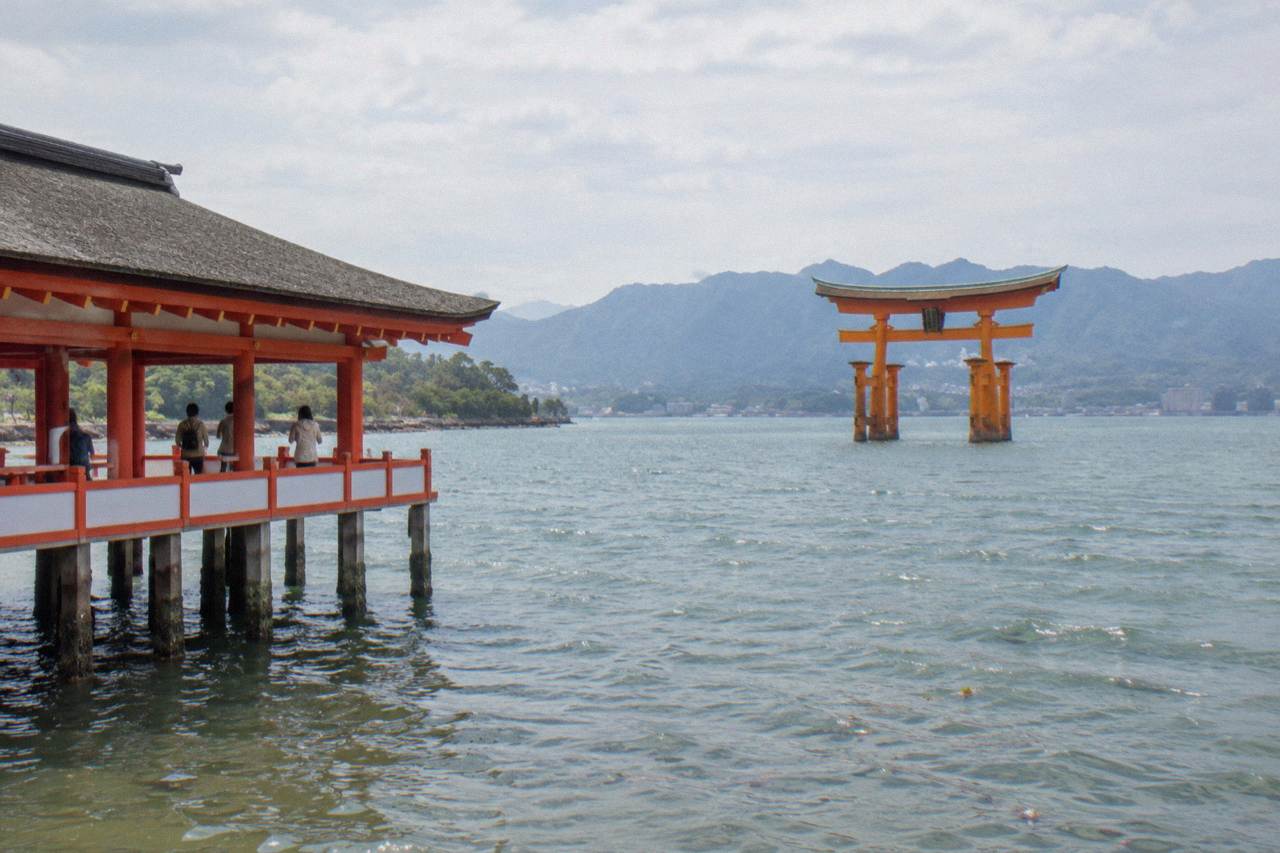
The case for Miyajima is density of a different kind. Itsukushima Shrine, founded in 593 and rebuilt in its present form in 1168 by Taira no Kiyomori, is a UNESCO World Heritage Site, reported as inscribed in 1996, with the Great Torii standing 16.6 meters tall in the bay.
For travellers weighing Hiroshima against a bigger city instead of its own island, the desk has a separate comparison of Osaka and Hiroshima.
What Does Hiroshima City Offer That Miyajima Does Not?
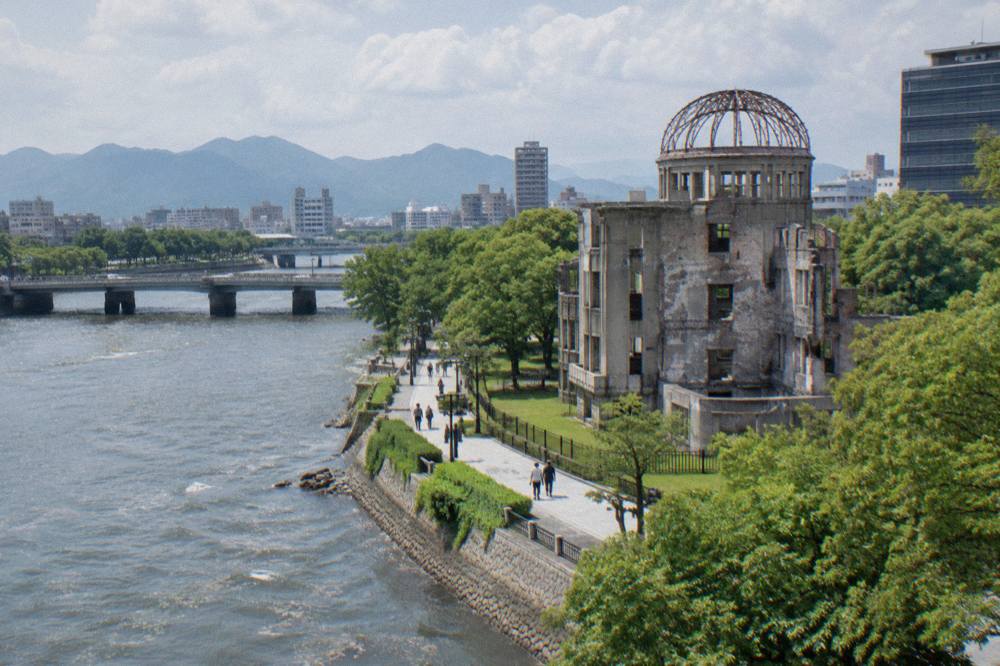
Hiroshima city offers the Peace Memorial Museum and Park, Hiroshima Castle grounds, Shukkeien garden, the A-Bomb Dome, art museums and the downtown food districts, a set of mostly landlocked, history-heavy sights that no island visit replaces; museum entry is 200 yen for adults, Shukkeien is 350 yen, and the castle keep has been closed to visitors since 22 March 2026, leaving the exterior and grounds.
The Peace Memorial Museum is the anchor. Its own practical-information page lists admission at 200 yen for adults, college age and up, 100 yen for high school students, free for junior high and younger, and 100 yen for visitors 65 and over with a passport. Hours run 7:30 to 19:00 from March to July, 7:30 to 20:00 in August, with evening extension to 21:00 on 5 and 6 August, and 7:30 to 18:00 from December to February. It closes on 30 and 31 December and in mid-February for exhibit changes, and some early and late slots in the permanent exhibition need an online reservation.
Shukkeien, a strolling garden a short streetcar ride from the center, charges 350 yen for adults, 150 yen for university students and nothing for school students, a price structure in place since 14 April 2025. Hours are 9:00 to 18:00 from 16 March to 15 September and 9:00 to 17:00 for the rest of the year, with last entry 30 minutes before closing. Hiroshima Castle's keep closed permanently to visitors on 22 March 2026, so a castle stop is an exterior and grounds visit, with a Sannomaru history museum reported as planned for 1 June 2027.
None of that exists on Miyajima, and none of Miyajima's core sights exist in the city either. A full run through the city's sights is laid out on the things to do in Hiroshima page, and the question of whether Hiroshima is worth visiting on its own, without the island, has its own answer page.
What Does Miyajima Offer That Hiroshima Does Not?
Miyajima offers Itsukushima Shrine with the Great Torii standing 16.6 meters in the bay, Mount Misen with a ropeway at 2,000 yen return for adults, Senjokaku hall at 100 yen reported admission, and a deer-roamed island street scene, all within a 10-minute ferry of the mainland; the shrine opens at 6:30 except on 1 January, when it opens from midnight, and charges 300 yen for adults.
To explore these sights with a local guide, book a Miyajima island tour here.
The tide is the island's signature mechanic. The shrine's own figures say the torii appears to float when the tide exceeds about 250 centimetres referenced to Hiroshima Port, and visitors can reportedly walk across the seabed to its base when the tide falls below about 100 centimetres. The same gate looks like two different sights in one day, and the desk's page on why the Miyajima torii gate is in the water explains the design. The Great Torii's own restoration finished in December 2022; East Corridor reinforcement is reported under way to December 2026 and five-storey pagoda repair to 2027, with the shrine open throughout.
Itsukushima Shrine's admission page lists 300 yen for adults, 200 yen for high school students and 100 yen for elementary and junior high students, with a combined shrine and Treasure Hall ticket at 500 yen for adults. Closing time varies: 18:00 from 1 March to 14 October, 17:30 from 15 October to 30 November and from 4 January to the end of February, and 17:00 in December. The Mount Misen ropeway runs 9:00 to 16:00 with last descent at 16:30, at 2,000 yen return or 1,100 one way for adults.
Two island rules matter. Feeding the deer has been prohibited island-wide since 2007, to protect their health, and the Miyajima Visitor Tax of 100 yen is charged separately on entering the island, collected with the ferry ticket, with preschool children exempt. The etiquette of touching the deer on Miyajima has its own page, as does what to wear to Miyajima island, since the shrine's corridor floorboards have deliberate gaps for high-tide pressure and comfortable shoes are the shrine's own advice.
Which Costs More, Hiroshima Or Miyajima?
On entry fees alone Miyajima runs slightly higher: a shrine visit at 300 yen plus the 100 yen visitor tax plus a 2,000 yen ropeway return adds up to about 2,400 yen per adult, while Hiroshima's core set of Peace Memorial Museum at 200 yen and Shukkeien at 350 yen totals about 550 yen; transport to the island adds the JR fare from Hiroshima Station, 420 yen one way for adults, plus the ferry and tax.
The table compares the headline figures from the sources cited above.
| Item | Hiroshima city | Miyajima |
|---|---|---|
| Headline sight entry | Peace Memorial Museum 200 yen adult | Itsukushima Shrine 300 yen adult |
| Second sight | Shukkeien 350 yen adult | Mount Misen ropeway 2,000 yen return adult |
| Reduced rates | Museum high school 100 yen; junior high and younger free; Shukkeien university 150 yen, school students free | Shrine high school 200 yen, elementary and junior high 100 yen; ropeway child 1,000 yen return |
| Island entry tax | none | 100 yen per person per entry, preschool free |
| City transit | Hiroden streetcar flat fare 240 yen adult | covered by the same flat fare on the Miyajima line |
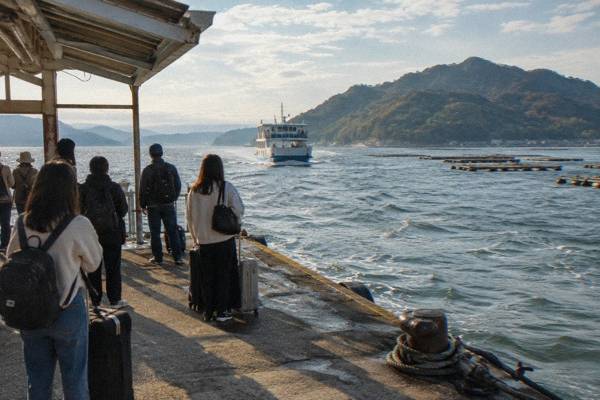
Getting there is a fixed, known cost. The JR Sanyo Line from Hiroshima Station to Miyajimaguchi takes about 27 to 30 minutes and costs 420 yen one way for adults, and the JR West Miyajima Ferry crossing takes about 10 minutes with the 100 yen visitor tax collected separately. The Hiroden streetcar line 2 covers the same ground in about 66 minutes at its 240 yen flat fare, the same fare as any city streetcar ride since the flat fare took effect on 1 February 2025. A Hiroden 1-day streetcar and ferry pass at 1,000 yen for adults, includes the Matsudai Kisen ferry and the visitor tax, and pays for itself only when the day includes other streetcar rides besides the island run. The rest of the planning pages sit on Hiroshima Travel Guide.
Can You See Both Hiroshima And Miyajima In One Day?
Yes: the full one-way journey from Hiroshima Station to Miyajima takes about 45 minutes at a cost of roughly 720 yen including the visitor tax, ferries run about every 15 minutes in the daytime, and the shrine opens at 6:30 while the museum opens at 7:30, so a single long day covers the Peace Memorial Park, the museum and the island's shrine and torii, though it leaves nothing for Shukkeien, Mount Misen or a long lunch.
The timing maths is straightforward. The JR ferry's first departure from Miyajimaguchi is about 6:25 and the last departure from Miyajima is about 22:14, with daytime sailings roughly every 15 minutes from both JR West Miyajima Ferry and Matsudai Kisen; Matsudai's last weekday sailing from Miyajima is 20:15. Between 9:10 and 16:10, JR ferry departures follow the Great Torii route, passing closer to the gate at no extra charge. The desk's timed version of Hiroshima and Miyajima in one day sequences the whole run hour by hour.
A one-day pairing is exactly what the guided bus day is built for, and the Hiroshima and Miyajima 1 Day Bus Tour With lunch is the desk's related pick for travellers who would rather not run the train-and-ferry logistics themselves: Check availability with the operator's live listing. Anyone with two or three days should give each place its own block instead, and the two-day and three-day itineraries split exactly that way, with an overnight option on staying on Miyajima for the evening illuminations, reported daily from about 30 minutes after sunset until 23:00.
Which Should You Choose If Time Is Short?
Choose Hiroshima. The reasoning is structural, not sentimental: Miyajima works best as a slower trip built around a shrine morning, a ropeway afternoon and the tide cycle, while the city keeps the castle grounds, Shukkeien and the museum complex despite the keep's closure since 22 March 2026, and holds the indoor depth that matters in rainy June and July.
Miyajima as a sole destination works best for a slower trip: a shrine morning at opening, a ropeway afternoon, and the tide cycle watched from both states, floating above 250 centimetres and walkable below 100. What it does not have is the depth of indoor programming a city holds, which matters in the rainy June and July months, when the Japan Meteorological Agency's 1991-2020 station normals for Hiroshima show 226.5 mm and 279.8 mm of rain respectively.
Common Questions About Choosing Between Hiroshima And Miyajima
Which Is Better To Visit, Hiroshima Or Miyajima?
Neither is better outright. Hiroshima suits history, museums and city food; Miyajima suits the shrine, the torii and island landscape. They sit about 45 minutes apart by train and ferry, so trips can cover both and the real question is how many days to give each.
How Much Does It Cost To Get From Hiroshima To Miyajima?
The JR Sanyo Line from Hiroshima Station to Miyajimaguchi costs 420 yen one way for adults and takes about 27 to 30 minutes. The ferry crossing is about 10 minutes, and the 100 yen Miyajima visitor tax is charged separately on entering the island. The full one-way journey totals roughly 720 yen including the tax.
Do You Need A Whole Day For Miyajima?
The island's main sights fit a half day. Adding the Mount Misen ropeway at 2,000 yen return for adults, running 9:00 to 16:00 with last descent at 16:30, pushes the visit toward a full day.
Is The Hiroshima Peace Memorial Museum Expensive To Visit?
No. The museum's own page lists 200 yen for adults, college age and up, 100 yen for high school students and free entry for junior high school students and younger. Visitors 65 and over pay 100 yen with a passport.
Can You Stay On Miyajima Overnight?
An evening visit is possible: the shrine and torii are reported illuminated daily from about 30 minutes after sunset until 23:00, and the last ferry back to the mainland leaves about 22:14 on the JR service, so an evening on the island is possible but it ends with the last ferry.
Can You Walk To The Torii Gate?
Reportedly yes, when the tide falls below about 100 centimetres referenced to Hiroshima Port, visitors can walk across the seabed to the base of the Great Torii; above about 250 centimetres the gate appears to float. Check the live tide block on the day rather than a printed time.