Which Is Better To Visit, Osaka Or Hiroshima?
A fact-based comparison of Osaka and Hiroshima for travellers: costs, sights, transport between the two, and which city fits which trip.
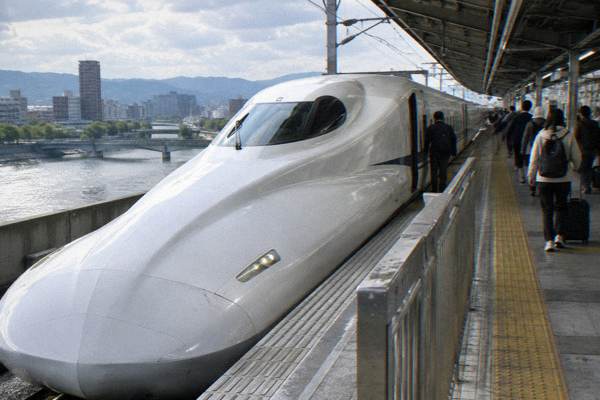
Osaka and Hiroshima sit on the same Shinkansen line about 80 minutes apart, and many Japan itineraries include both, so the choice is less "either or" than a question of time and emphasis. Osaka is one of Japan's largest metropolitan centres, and the two cities reward different interests. This page compares them on documented facts: sights, entry fees, transport costs and the practical question of fitting both into one trip, using figures from the Japan Meteorological Agency, the Hiroshima Peace Memorial Museum, JR West and the city of Hiroshima.
Neither city is objectively better: Hiroshima suits a traveller whose priority is the Peace Memorial Park, the Peace Memorial Museum at 200 yen adult admission, and Miyajima with Itsukushima Shrine, while Osaka suits a traveller whose priority is urban food, nightlife and shopping, with Kansai Airport about 50 minutes away by express train. The two are linked by a Shinkansen ride, so the honest answer for a trip of a week or more is usually both.
The comparison matters most for short trips. A traveller with three or four days in the Kansai and western Japan region has to choose, and the choice follows interest rather than quality. Hiroshima's core sights are concentrated: the Peace Memorial Park is free and open 24 hours year-round with no closing days, per the city's own park page, and the museum beside it charges 200 yen for adults, with high school students at 100 yen and junior high school students and younger free. Osaka's core draws are commercial and culinary districts spread across a much larger city.
Scale matters too. Hiroshima is walkable around its centre and served by a flat-fare streetcar network, the Hiroden, at 240 yen per adult ride on all lines including the Miyajima line. Osaka is a rail metropolis where the main areas are linked by JR and subway lines. Neither pattern is better; they are different kinds of city, and the Hiroshima Travel Guide covers the second one in depth, starting with things to do in Hiroshima.
What Does Each City Actually Offer?
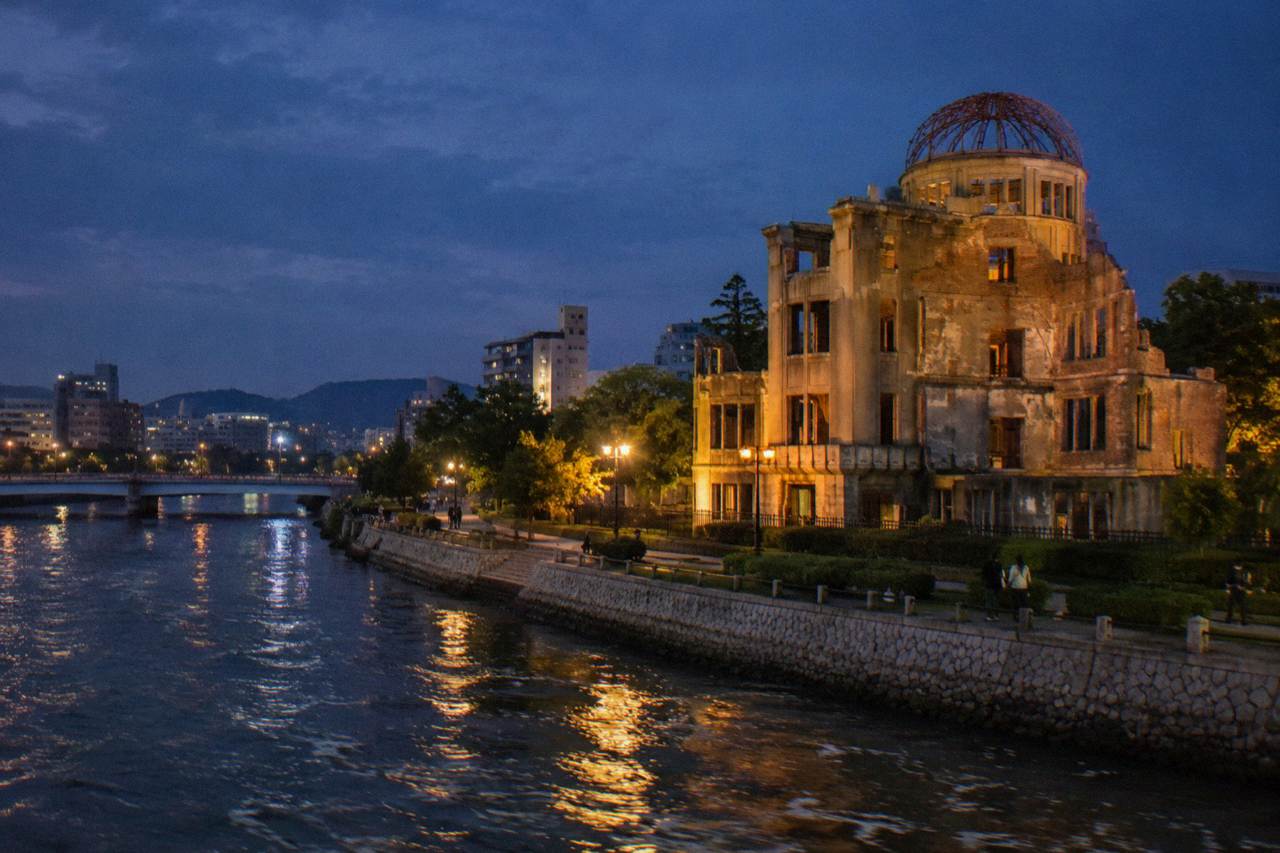
Hiroshima's documented centre of gravity is the Peace Memorial Park and Museum, the A-Bomb Dome viewable from outside the fence at no fee, Hiroshima Castle grounds, the Shukkeien garden at 350 yen adult admission, and Miyajima with Itsukushima Shrine at 300 yen adult admission; Osaka offers a large urban food and entertainment scene, and its castle, aquarium and nightlife districts are the standard anchors. The two lists are not equivalent, and that is the point.
In Hiroshima, the museum's own practical page gives the current hours: March to July 7:30 to 19:00, August 7:30 to 20:00 with 5 and 6 August until 21:00, September to November 7:30 to 19:00, and December to February 7:30 to 18:00. It closes 30 and 31 December and for a mid-February exhibit change. Shukkeien, a historic stroll garden, charges 350 yen for adults, 150 yen for university students and nothing for school students, a pricing change the garden's official page dates to 14 April 2025. The castle keep itself has been closed to visitors since 22 March 2026, so the castle is an exterior and grounds visit, with a Sannomaru history museum planned for 1 June 2027.
Miyajima adds a second dimension. The JR West Miyajima Ferry from Miyajimaguchi takes about ten minutes, a 100 yen visitor tax is collected with ferry tickets on the inbound trip, and preschool children are exempt from that tax. Itsukushima Shrine opens at 6:30 a.m. except on 1 January, when it opens at midnight, with seasonal closing times published on its admission page, and the Great Torii can be walked out to at low tide while appearing to float at high tide. Families on the island can also add the Miyajima Aquarium, a ticket this site covers separately, with Check availability as the booking route.
Neither city's offering substitutes for the other's, which is why the real question is sequence and time, not ranking.
| Sight | City | Adult entry | Source basis |
|---|---|---|---|
| Peace Memorial Park | Hiroshima | Free, open 24 hours | City of Hiroshima park page |
| Peace Memorial Museum | Hiroshima | 200 yen | Museum practical-information page |
| A-Bomb Dome | Hiroshima | Viewable from outside, no fee | City page |
| Shukkeien garden | Hiroshima | 350 yen | Official garden site |
| Itsukushima Shrine | Miyajima | 300 yen | Shrine admission page |
| Mount Misen ropeway | Miyajima | 2,000 yen return | Ropeway fare page |
How Much Does Each City Cost To Visit?
Hiroshima's sightseeing costs include the Peace Memorial Museum at 200 yen, Shukkeien at 350 yen, Itsukushima Shrine at 300 yen, the Hiroden flat fare of 240 yen per adult ride, and the 2,000 yen Mount Misen ropeway return; Osaka's comparable costs are dominated by larger attractions and its rail network. This page therefore quotes Hiroshima's fees precisely and Osaka's only where a documented figure exists.
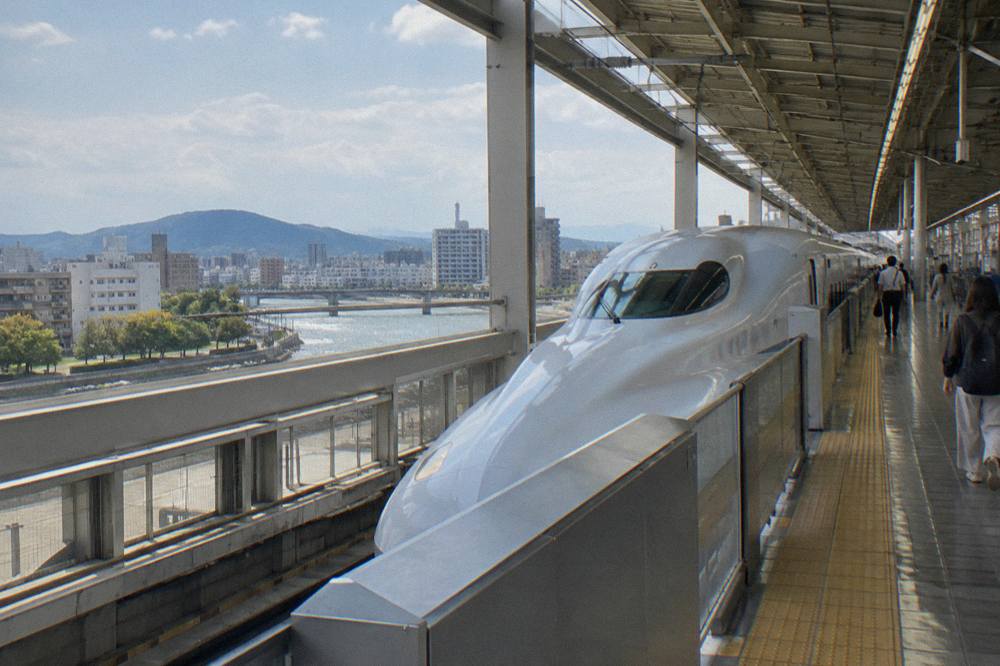
The transport arithmetic between the two is fully documented, however. A one-way Sanyo Shinkansen ticket from Osaka city area stations to Hiroshima city area stations costs 7,900 yen for adults and 3,950 yen for children, per JR West's one-way fare page, with the express seat charge additional. The 5-day Kansai-Hiroshima Area Pass costs 17,000 yen for adults and 8,500 yen for children, covers reserved seats on the Sanyo Shinkansen between Shin-Osaka and Hiroshima, and also includes unlimited use of the JR West Miyajima Ferry between Miyajimaguchi and Miyajima, with the 100 yen visitor tax still collected separately.
For airport access, the Hiroshima Airport limousine bus takes 45 to 50 minutes to Hiroshima Station's Shinkansen gate at 1,500 yen, while from Kansai Airport the JR Limited Express Haruka reaches Osaka Station in about 50 minutes from 2,380 yen, the Nankai Rapi:t reaches Namba in about 35 to 38 minutes at 1,450 yen, and the JR Airport Rapid takes about 70 minutes at 1,200 yen. Travellers weighing a rail pass against single tickets can follow the full breakdown in Osaka To Hiroshima By Shinkansen, Bus Or Car.
| Journey | Cost | Time |
|---|---|---|
| Sanyo Shinkansen, Shin-Osaka to Hiroshima | 7,900 yen adult one way, plus express ticket | About 80 to 85 minutes by Nozomi |
| Kansai-Hiroshima Area Pass, 5 days | 17,000 yen adult, 8,500 yen child | 5 consecutive days |
| Hiroshima Airport bus to station | 1,500 yen | 45 to 50 minutes |
| Haruka, Kansai Airport to Osaka Station | From 2,380 yen | About 50 minutes |
| Nankai Rapi:t, Kansai Airport to Namba | 1,450 yen | About 35 to 38 minutes |
| Same-day luggage delivery, Osaka Station to Hiroshima | 11,000 yen per bag | Drop-off by noon |
Can You Visit Both Cities On One Trip?
Yes, comfortably: the two cities are about 80 minutes apart by Sanyo Shinkansen, a one-way adult ticket costs 7,900 yen, the 5-day Kansai-Hiroshima Area Pass at 17,000 yen covers the reserved-seat Shinkansen between them plus the Miyajima ferry, and same-day luggage delivery from Osaka Station to Hiroshima costs 11,000 yen per bag with drop-off by noon. The practical question is how many days each side deserves.
Hiroshima rewards at least a full day for the Peace Memorial Park and Museum plus a second day or half-day for Miyajima, and travellers deciding how to split time between the city and the island can read Which Is Better To Visit, Hiroshima Or Miyajima?. A day trip from Osaka is also a documented pattern: the plan in Hiroshima Day Trip From Osaka fits the museum's published hours, the JR line to Miyajimaguchi at 420 yen one way, and the ferry's first and last sailings, which run from about 6:25 a.m. to about 10 p.m. from Miyajimaguchi with Great Torii route sailings between 9:10 and 16:10.
The JR Sanyo Line from Hiroshima Station to Miyajimaguchi takes about 27 to 30 minutes at 420 yen one way for adults, and both the JR West Miyajima Ferry and Matsudai Kisen run crossings roughly every 15 minutes in the daytime, with the JR ferry's last departure from the island at 22:14 and Matsudai's last at 20:15 on weekdays. That frequency is what makes a combined Osaka and Hiroshima itinerary work without careful scheduling. The rest of the planning pages sit on Hiroshima Travel Guide.
Which City Suits Which Traveller?
History is the deciding factor for many: Hiroshima suits travelers drawn to the Peace Memorial Park and Museum, gardens, castle grounds, streetcar lines, an okonomiyaki food culture, the Miyajima island shrines and the Seto Inland Sea setting. If those appeal, Hiroshima is the destination and Osaka is the transit hub; if not, Osaka is the destination in its own right.
The question Is Hiroshima Worth Visiting? is answered by what the city holds rather than by ranking. The Peace Memorial Museum reported 2,580,926 visitors in FY2025, its third straight record year, of which 945,618 were foreign visitors, a figure reported by Nippon.com from museum data. That level of interest exists alongside a living city of gardens, castle grounds, streetcar lines and an okonomiyaki food culture, and the museum's 6 August ceremony, held from 8:00 to 8:50 in Peace Memorial Park with about 7,000 seats, is the city's fixed annual anchor event.
The bombing history itself is handled by the museum and the city factually and respectfully, and travellers with questions on that side of the visit can read Is Hiroshima Still Radioactive? or Why Is Hiroshima Not Radioactive But Chernobyl Is? for the documented science. None of this has an Osaka equivalent.
How Does The Weather Compare?
The Japan Meteorological Agency (JMA) 1991-2020 station normals for Hiroshima show mild winters and hot, humid summers, with a January mean daily high of 9.9 °C, an August mean daily high of 32.8 °C, and July averaging 279.8 mm of rain against January's 46.2 mm.
| Month | Mean high °C | Mean low °C | Rain mm |
|---|---|---|---|
| January | 9.9 | 2.0 | 46.2 |
| April | 19.8 | 10.1 | 141.0 |
| July | 30.9 | 24.1 | 279.8 |
| August | 32.8 | 25.1 | 131.4 |
| October | 23.7 | 14.9 | 109.2 |
July's 279.8 mm total is the largest monthly figure on the Hiroshima station table and January's 46.2 mm the smallest, so the rain pattern matters for planning an island day at Miyajima, where the torii experience depends on the tide rather than the weather. The museum's extended summer hours in August, including the late 5 and 6 August openings, partly offset the heat for visitors timing a peace-related visit. No "best month" is stated here as fact; the normals are averages, not a forecast.
Common Questions About Osaka Or Hiroshima
Which Is Better To Visit, Osaka Or Hiroshima?
Neither is objectively better. Hiroshima fits travellers prioritizing the Peace Memorial Park and Museum and Miyajima; Osaka fits travellers prioritizing urban food, nightlife and shopping. They are about 80 minutes apart by Shinkansen, so longer trips usually include both.
How Much Is The Shinkansen From Osaka To Hiroshima?
A one-way Sanyo Shinkansen ticket from Osaka city area stations to Hiroshima city area stations costs 7,900 yen for adults and 3,950 yen for children, plus the express seat charge, per JR West's fare page.
Does A Rail Pass Cover Osaka To Hiroshima And Miyajima?
The 5-day Kansai-Hiroshima Area Pass, 17,000 yen for adults, covers reserved seats on the Sanyo Shinkansen between Shin-Osaka and Hiroshima and unlimited JR West Miyajima Ferry crossings. The 100 yen Miyajima visitor tax is collected separately.
How Much Does The Hiroshima Peace Memorial Museum Cost?
Adult admission is 200 yen, high school students pay 100 yen, and junior high school students and younger enter free, per the museum's practical-information page.
Can You Do Hiroshima As A Day Trip From Osaka?
Yes. The JR Sanyo Line from Hiroshima Station to Miyajimaguchi takes about 27 to 30 minutes at 420 yen one way, ferries run roughly every 15 minutes in the daytime, and the last JR ferry leaves Miyajima at 22:14, which makes a one-day plan workable.
The choice between Osaka and Hiroshima is a choice of emphasis, and the figures above let a traveller price either emphasis precisely: Hiroshima's documented sightseeing fees sit between 200 and 350 yen per site with a 240 yen flat streetcar fare, the link between the cities is a 7,900 yen one-way Shinkansen ride or a 17,000 yen five-day pass that also carries the Miyajima ferry, and both cities can sit in one itinerary when the days allow.