Do You Need Cash In Hiroshima?
Card, IC and cash payments in Hiroshima: Hiroden streetcar fares and passes, museum and shrine admission in yen, airport exchange and ATM hours, and how much cash to carry.
Hiroshima, the prefectural capital on the Seto Inland Sea, sits in an awkward middle ground on payments. A traveler arriving with no yen at all will manage, but will hit small frictions. This page sets out, from the operators' own published information, what each payment method covers in Hiroshima and how much physical cash is genuinely worth carrying.
Not exclusively, but a modest amount of Japanese yen is still practical in Hiroshima. The Hiroden streetcar network accepts national IC cards such as Suica, ICOCA and PASMO, cash works everywhere with exact change, and the Hiroshima Peace Memorial Museum charges 200 yen for adults at its counter, so a few thousand yen in coins and small notes covers a full day of admissions, trams and shrine entries.
The honest framing is that Hiroshima is a mostly cashless-capable city with cash-only edges. The edges are worth knowing in advance because they cluster in exactly the places visitors go: shrine admission boxes, small food counters, and the 100 yen Miyajima visitor tax that is collected separately on entering the island. Nobody needs to change large sums. The pattern that works is a card for hotels, shopping and transport, plus a thin float of yen for the cash-only corners.
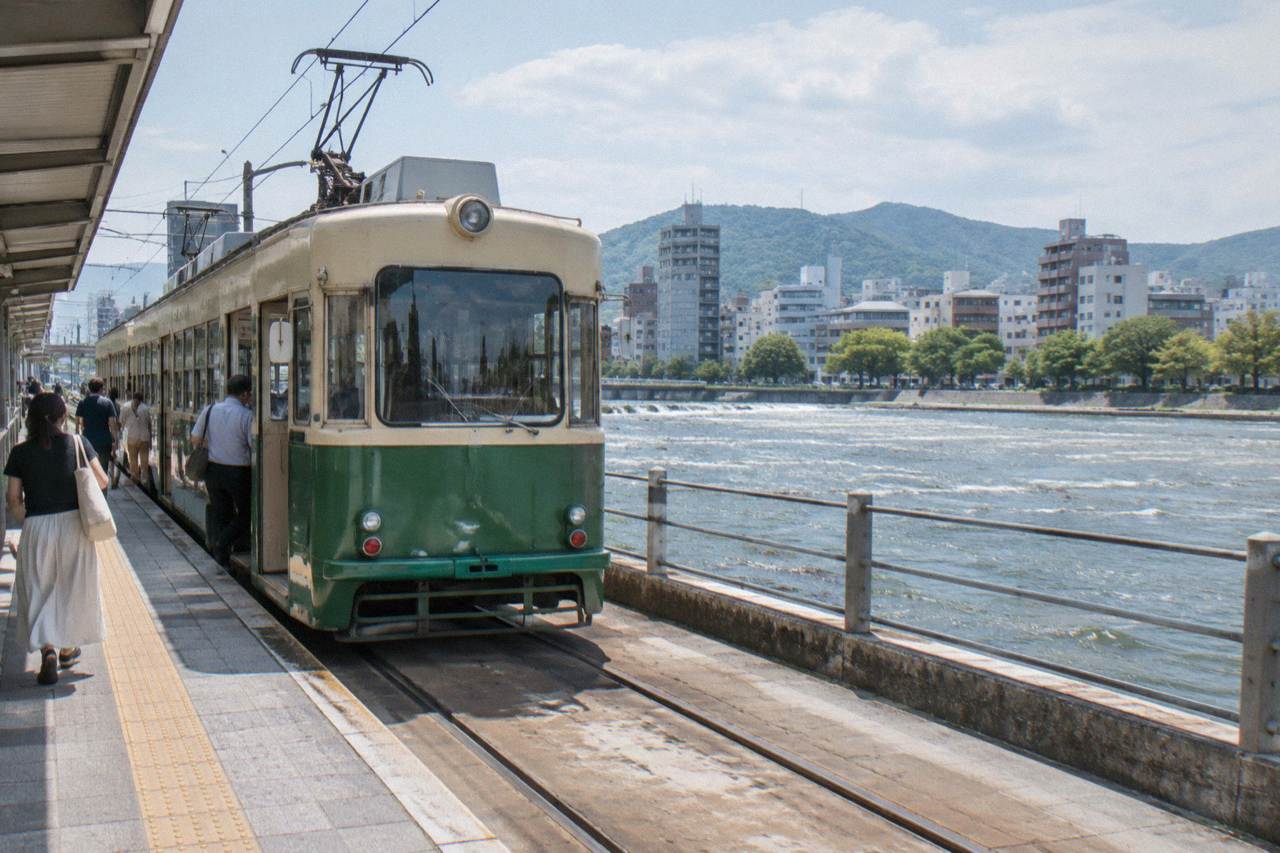
One thing that has genuinely changed is the streetcar. Hiroden, the operator, reports that national mutual-use IC cards are accepted across its streetcars and buses, and that the old local PASPY card was fully discontinued on 29 March 2025. Any Suica, ICOCA or PASMO card bought elsewhere in Japan works in Hiroshima, which was not true for every regional network until recently.
| Payment method | Where it works in Hiroshima | What to know |
|---|---|---|
| National IC cards (Suica, ICOCA, PASMO and others) | Hiroden streetcars and buses | PiTaPa is the one exclusion the operator lists; WAON is also accepted |
| Cash in yen | Everywhere, including cash-only counters | Streetcar cash fares need exact change or the onboard money changer for 100 yen and 10 yen coins |
| Credit cards | Airport limousine buses, ticket machines, city museum shops | Airport bus ticket machines have taken VISA, Mastercard, JCB, AMEX, Diners Club and Discover since 28 March 2025 |
| QR code payments | Some city facility shops, for example the Numaji Transportation Museum shop | PayPay, au PAY, Rakuten Pay and d払い are listed there |
How Does The Hiroden Streetcar Payment System Work?
Every Hiroden streetcar ride in the city, on every line including the Miyajima line, costs a flat 240 yen for adults and 120 yen for children in cash, with no distance variation, and IC cards are read at the same flat rate. A 1 Day Streetcar Pass costs 700 yen for adults, and a combined Streetcar and Ferry Pass including the Miyajima visitor tax costs 1,000 yen.
Those flat fares have applied since 1 February 2025, when Hiroden removed the last distance-based variation across its network. For a visitor, the flat fare makes the maths simple: the pass pays for itself on the third ride of the day. The combined pass is the one that matters for Miyajima, because it folds in the 100 yen island visitor tax and covers the ferry crossing alongside all streetcar lines.
Cash riders have one instruction that matters: Hiroden states that cash fares require exact change, and the onboard money changer handles only 100 yen and 10 yen coins. A pocket of coins solves this completely.
The IC experience has one recent change. Hiroden reports that from 1 July 2026, IC cards on its vehicles require tapping on and off using MOBIRY DAYS readers, a shift from the previous flat-deduction model. Anyone holding an IC card simply taps at boarding and again at exit. Visitors deciding whether a day pass beats per-ride IC taps can compare directly: three single rides in a day already cost more than the 700 yen pass, so the pass wins on a busy day.
| Hiroden fare or pass | Adult | Child |
|---|---|---|
| Single ride, any line, cash or IC | 240 yen | 120 yen |
| 1 Day Streetcar Pass | 700 yen | 350 yen |
| 1 Day Streetcar and Ferry Pass, including Miyajima visitor tax | 1,000 yen | 550 yen |
Getting the streetcar logistics right matters less than getting the day right overall, and the pairing of Miyajima with the city is the classic move. The practical timing of that combination is laid out in how many days in Hiroshima is enough, and the wider sightseeing menu is in things to do in Hiroshima.
Can You Pay By Card At Hiroshima Museums And Sights?
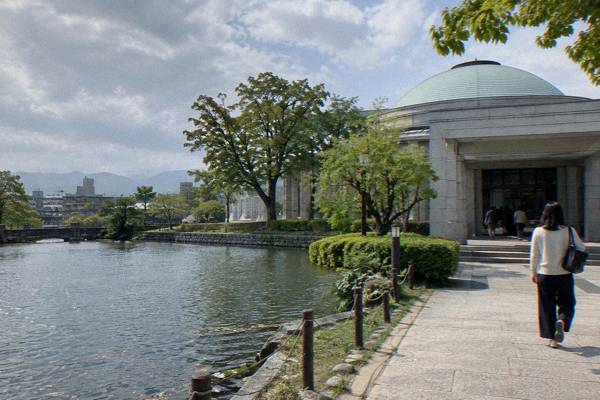
Admission at Hiroshima's main public sights is priced in yen and paid at the counter: the Peace Memorial Museum charges 200 yen for adults, Shukkeien garden charges 350 yen, and Itsukushima Shrine on Miyajima charges 300 yen, with the shrine's English guide page listing its admission as cash only. The Peace Memorial Park itself is a free public park needing no ticket at all.
That last point clears up a common confusion. The National Peace Memorial Hall nearby is also free. The details of what needs a ticket and what does not are covered fully in do you need tickets for Hiroshima Peace Memorial Park.
On Miyajima the cash question sharpens. Itsukushima Shrine's admission page lists 300 yen for adults, 200 yen for high school students and 100 yen for elementary and junior high students, with a combined ticket covering the Treasure Hall at 500, 300 and 150 yen respectively, and the shrine's guide page states plainly that admission is cash only. The Mount Misen ropeway is 2,000 yen return for adults. Add the 100 yen visitor tax collected on the ferry, and a day on the island has several small yen amounts stacked together, which is the single best argument for carrying cash in this region.
Cash is still king at individual counters, and a guided dinner removes that friction for one night at least.
Where Can You Exchange Money Or Withdraw Cash In Hiroshima?
At Hiroshima Airport, the Travelex exchange in international arrivals is open 8:00 to 16:30, the joint ATMs in the same area run 8:00 to 21:00, and a Hiroshima Bank automated foreign-currency machine handles US dollars, euros, Chinese yuan, Korean won, Singapore dollars and Thai baht. Card payment is accepted on the airport limousine buses into the city.
Those airport hours are the detail worth planning around. The exchange counter closes mid-afternoon and the ATMs stop at 21:00, so a late evening arrival means withdrawing before leaving the airport area or waiting until the city. The automated exchange machine's six-currency list covers the common arrivals, and the machine runs alongside the counter rather than replacing it. Everything else covered here is indexed on Hiroshima Travel Guide.
The bus into the city is no longer a cash-only obstacle. Hiroshima Airport's own access pages state that credit-card touch payment is available on the limousine buses to Hiroshima Station and other city stops, and that the ticket machines at the airport and at the station's Shinkansen exit have accepted the major card brands since 28 March 2025. The airport bus fare to the station is 1,500 yen for adults, payable by card, so the journey from plane to hotel can be done without a single yen in hand.
In the city itself, card acceptance at shops and restaurants varies by premises and no source in this page's information set quantifies it, so the safe assumption is the mixed one: cards widely but not universally taken, IC cards on transport, cash for shrines and small counters.
| Service at Hiroshima Airport | Hours or detail | Payment or currencies |
|---|---|---|
| Travelex exchange, international arrivals | 8:00 to 16:30 | Foreign currency to yen |
| Joint ATMs, international arrivals | 8:00 to 21:00 | Cash withdrawal |
| Hiroshima Bank currency machine | International arrivals area | USD, EUR, CNY, KRW, SGD, THB |
| Limousine bus to Hiroshima Station | About 50 minutes, 1,500 yen adult | IC cards and credit-card touch payment; ticket machines take major cards |
How Much Cash Should You Carry For A Day In Hiroshima?
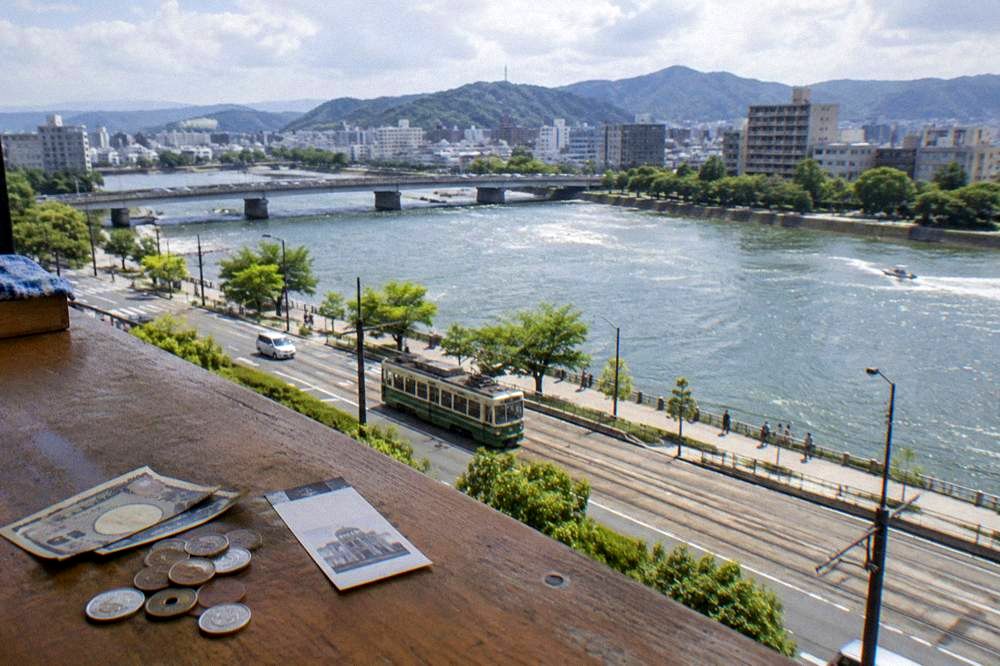
A working float for one person is a few thousand yen per day: that covers a 240 yen streetcar ride each way, the 200 yen Peace Memorial Museum admission, 350 yen at Shukkeien, and a 300 yen shrine admission on Miyajima with coins to spare, while the 100 yen Miyajima visitor tax is charged per island entry and preschool children are exempt.
That figure is not a prediction of spending, it is the arithmetic of the published fees on this page stacked together. Somebody doing the full Miyajima day adds the ferry pass logic: the 1,000 yen Streetcar and Ferry Pass already bundles the visitor tax with all tram rides and the crossing, which makes it a cleaner alternative to carrying the tax in coins.
Coins matter more than notes in Hiroshima, and the reason is mechanical. The Hiroden money changer on board handles only 100 yen and 10 yen coins, so a 1,000 yen note cannot be broken on the tram itself. Breaking notes at a shop before boarding, or riding on an IC card, avoids the situation entirely.
Water, incidentally, is not a cash concern at all: the tap water question is answered separately in can you drink tap water in Hiroshima. And whether any of this planning is worthwhile in the first place, the case for the city is made in is Hiroshima worth visiting, which is maintained alongside the rest of the Hiroshima Travel Guide.
What Changed Recently With Payments In Hiroshima?
Three dated changes matter: Hiroden's old PASPY card was fully discontinued on 29 March 2025, airport bus ticket machines began accepting major credit cards on 28 March 2025, and from 1 July 2026 IC cards on Hiroden require tapping on and off using MOBIRY DAYS readers. Together they make the system more card-friendly while removing one legacy local card.
The PASPY end date is the one that catches long-gap visitors. Anyone who kept a PASPY card from an earlier trip holds an expired piece of plastic; the replacement path is any national IC card, which Hiroden lists as accepted alongside WAON, with PiTaPa the single exclusion. The changeover was completed, not phased.
The July 2026 tap-on, tap-off shift changes behaviour at the door rather than the fare. The flat 240 yen and 120 yen rates are unchanged; what changes is the physical routine, a tap at boarding and another at leaving. For a visitor holding a phone-based or physical Suica, this is the same habit used in Tokyo or Osaka, so nothing new needs learning.
None of this touches the cash-only corners described above, and that is the summary of the whole question: Hiroshima's transport has modernised quickly, its retail is mixed, and its shrines and small counters still want yen. A card plus a few thousand yen per person per day is the configuration the published figures support.
Common Questions About Cash In Hiroshima
Do You Need Cash In Hiroshima?
Not for everything, but yes for some things. Itsukushima Shrine lists admission as cash only, the 100 yen Miyajima visitor tax is charged separately on entering the island, and cash streetcar fares need exact change. A few thousand yen per person per day covers the cash-only edges; cards and IC cards handle the rest.
Can You Use Suica Or ICOCA On Hiroshima Streetcars?
Yes. Hiroden accepts national mutual-use IC cards including Suica, ICOCA, PASMO, Kitaca, manaca, TOICA, SUGOCA, nimoca and hayakaken, with PiTaPa excluded, plus WAON. From 1 July 2026 these cards require tapping on and off using MOBIRY DAYS readers.
Is The Hiroden Streetcar Fare Distance-Based?
No. Since 1 February 2025 every line, including the Miyajima line, charges a flat 240 yen for adults and 120 yen for children, in cash or on IC. The 1 Day Streetcar Pass is 700 yen for adults, so it pays off on the third ride of the day.
Does The Miyajima Ferry Cost Extra Beyond The Fare?
Yes, the Miyajima visitor tax of 100 yen per person is collected separately on entering the island, and preschool children are exempt. The Hiroden 1 Day Streetcar and Ferry Pass at 1,000 yen for adults includes this tax along with all streetcar lines and the ferry crossing.
Can You Exchange Currency At Hiroshima Airport Late At Night?
Only at the ATMs. The Travelex counter in international arrivals closes at 16:30, and the joint ATMs in the same area run until 21:00, so arrivals after that window should plan to withdraw cash in the city the following day.
Do Museums In Hiroshima Take Credit Cards?
The published admission prices are in yen: 200 yen for adults at the Peace Memorial Museum, 350 yen at Shukkeien, 300 yen at Itsukushima Shrine. This page's sources state the prices but not the card policy at each counter, so carrying yen for admissions is the safe arrangement.