How Much Is The Miyajima Visitor Tax?
The Miyajima Visitor Tax is 100 yen per person, collected with your ferry ticket to the island. Here is how it works, who is exempt, and how it fits your ferry fare.
The tax is charged by Hatsukaichi City, the municipality that administers the island, and it is added to the outbound ferry fare rather than paid at a gate on arrival. Preschool children are exempt, and a flat annual rate of 500 yen exists for repeat visitors. The pages below set out exactly how each of those pieces works.
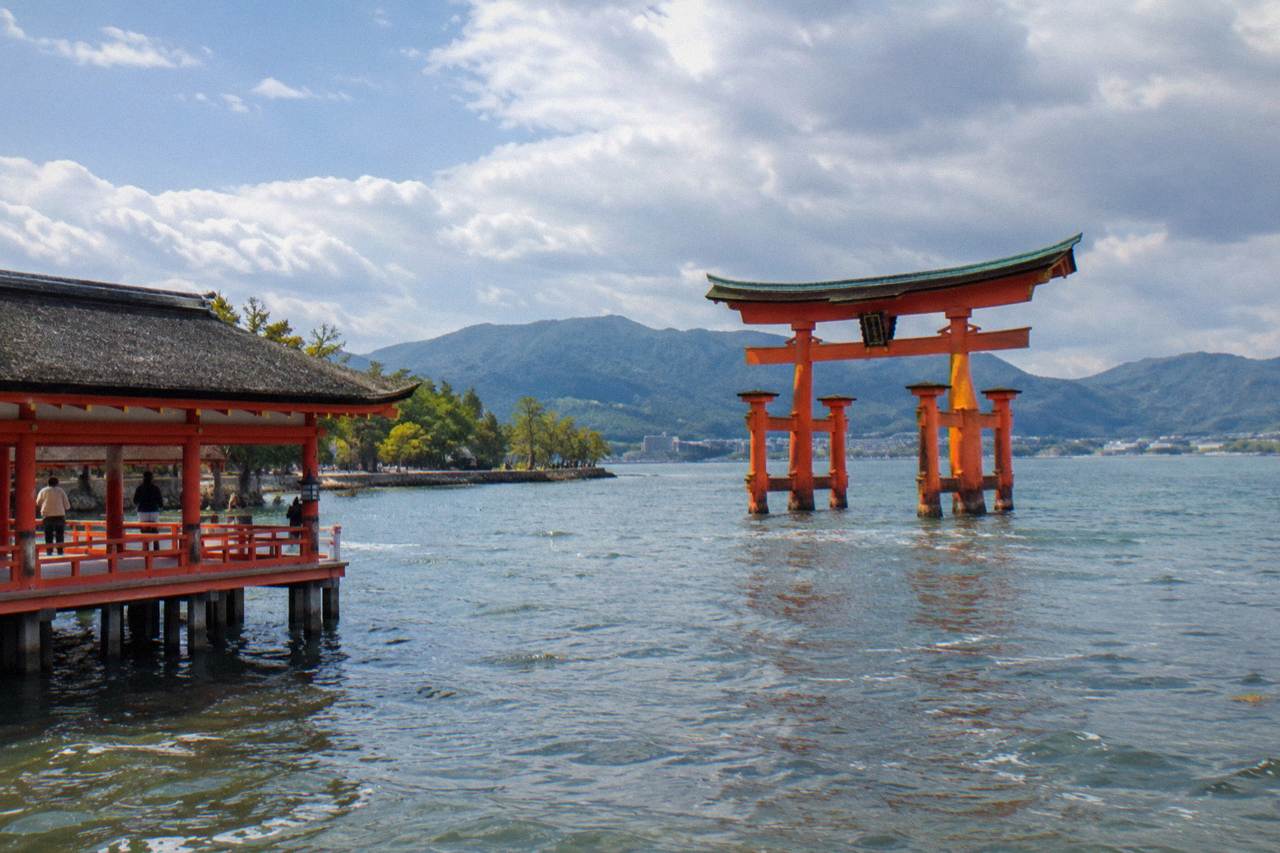
The Miyajima Visitor Tax is 100 yen per person per visit, charged on entering the island of Miyajima in Hiroshima Bay. It is a statutory local tax imposed by Hatsukaichi City under Local Tax Act Article 5 Paragraph 3, and it is collected by the ferry operators together with the boarding fare on the outbound leg from Miyajimaguchi to Miyajima. The return leg carries no tax.
That is the whole mechanism in one paragraph, but a few details change how it feels in practice. The tax is not a shrine fee and not a ferry surcharge in the ordinary sense: it is a local tax that happens to be collected at the point of entry, which on an island means the ferry. Both JR West Miyajima Ferry and Miyajima Matsudai Kisen collect it, through ticket machines, counters, or automatic gates with IC cards. Hatsukaichi City also offers a flat annual rate of 500 yen per person per year, paid in advance at the city hall, the Miyajima Branch, the Ono Branch, or through the city's official LINE account, after which a certificate is issued and shown to the ferry operator instead of paying per visit.
For a single visit the arithmetic is simple. One adult, one entry, 100 yen. A family of four with two school-age children and one preschooler pays 300 yen, since preschool children, those not yet enrolled in elementary school, are exempt. The Miyajima Visitor Tax is distinct from any national taxes, from the Itsukushima Shrine admission of 300 yen for adults, and from any accommodation tax, which Hatsukaichi City began collecting at 200 yen per person per night on 1 April 2026, as reported.
For planning the island day itself, the Hiroshima Travel Guide covers the crossing, the shrine, and the tide behaviour that decides whether the Great Torii can be walked to.
How Is The Miyajima Visitor Tax Collected At The Ferry?
There is no booth or gate on Miyajima where the tax is paid separately: the ferry operator adds the 100 yen to the outbound boarding fare on the Miyajimaguchi to Miyajima leg. Collection happens through the ticket machines, the counter, or the automatic gates with IC cards, and holders of the annual 500 yen certificate show it to the operator instead.
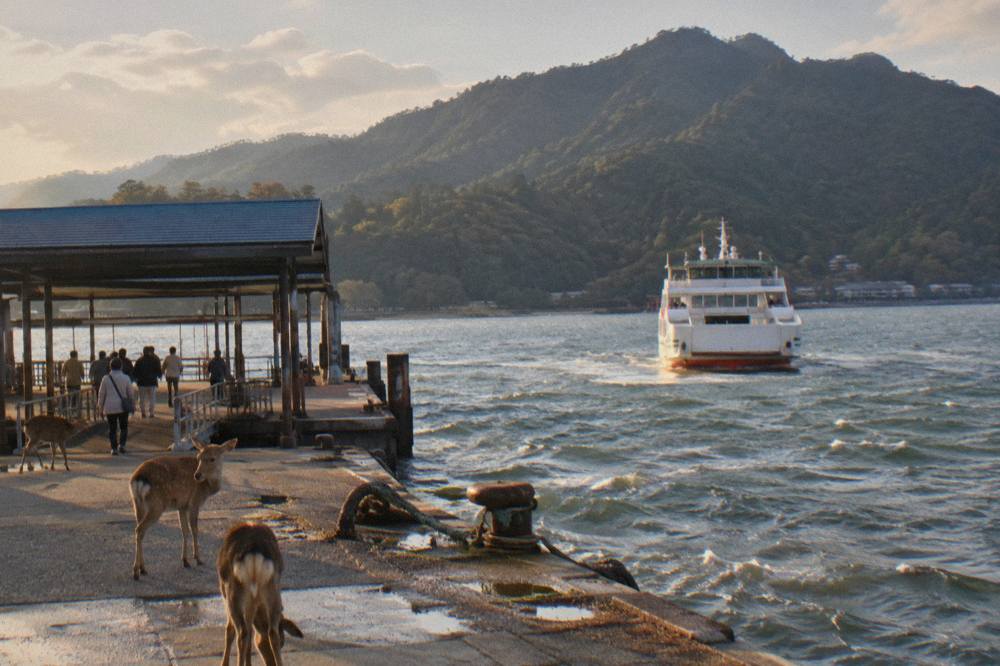
The crossing itself takes about 10 minutes on either operator. JR West Miyajima Ferry runs roughly every 15 minutes from the morning into the evening, with first and last sailings bracketing the day, and Miyajima Matsudai Kisen runs its own timetable at about the same frequency. The tax sits on the outbound leg only. When you leave the island, the return fare is the return fare, with nothing added.
Because the tax rides on the ferry ticket, a few practical points follow. Paying by IC card at the automatic gates settles fare and tax in one tap. Anyone paying cash buys one ticket that includes both amounts. And anyone holding the annual certificate keeps it to hand for the operator to check. The table below separates the moving parts so the numbers do not blur together.
| Item | Amount | Who Pays | When |
|---|---|---|---|
| Miyajima Visitor Tax, per visit | 100 yen | Everyone except preschool children and exempt handbook holders | Outbound ferry leg only |
| Miyajima Visitor Tax, annual rate | 500 yen | Repeat visitors who choose it, paid in advance | By the 10th of the month before the first visit |
| Hatsukaichi City accommodation tax | 200 yen per night | Overnight visitors to the city, as reported | From 1 April 2026 |
Who Does Not Have To Pay The Miyajima Visitor Tax?
Preschool children, meaning children not yet enrolled in elementary school, are exempt from the Miyajima Visitor Tax, and so are holders of a physical disability handbook, a rehabilitation handbook, or a mental disability welfare handbook. Every other visitor to the island pays the 100 yen, including Japan Rail Pass holders, on every entry.
The exemptions are narrow and document-based. A disability handbook carried on the person is what counts, and the exemption applies at the same moment the tax would otherwise be collected, on the outbound ferry.
The Japan Rail Pass case is worth isolating because it catches many visitors out. The Japan Rail Pass and JR-West rail passes are valid on the JR ferry crossing itself, so the fare portion is covered, but the tax is a separate legal instrument and pass holders must still purchase a separate 100 yen ticket for it. The same applies to the 1-Day Streetcar and Ferry Pass from Hiroden, which at 1,000 yen for adults includes the Miyajima Matsudai Kisen ferry plus the visitor tax, settling both in one purchase.
If the ferry-and-tax mechanics are settled, the next question is usually what to do with the day, and a peace cycling tour with a local guide pairs the island with the city's peace sites. The Check availability link beside the Miyajima tour pages shows that option.
Is The Miyajima Visitor Tax The Same As The Ferry Fare?
No: the 100 yen Miyajima Visitor Tax is a local tax of Hatsukaichi City and is charged on top of the ferry fare, not instead of it. The fare and the tax are collected together in one transaction on the outbound leg, but they are different things, and only the fare is covered by rail passes such as the Japan Rail Pass.
The distinction matters most to pass holders and to anyone budgeting the day. A Japan Rail Pass covers the JR ferry fare but not the tax, so the pass holder still buys a 100 yen ticket. A visitor paying normally pays the one-way adult fare plus the tax, added by the operator at the point of sale. The tax is also not the Itsukushima Shrine admission, which is 300 yen for adults, 200 yen for high school students, and 100 yen for elementary and junior high students, with a combined shrine and Treasure Hall ticket at 500 yen for adults. Three separate charges, three separate purposes, one short ferry ride.
Put together, a day on the island stacks up like this for one adult arriving from Miyajimaguchi.
| Charge | Adult Amount | Notes |
|---|---|---|
| Ferry, Miyajimaguchi to Miyajima, one way | fare plus 100 yen tax | Fare included in the single ticket price |
| Miyajima Visitor Tax | 100 yen | Outbound leg only, exempt for preschool children |
| Itsukushima Shrine admission | 300 yen | Combined ticket with Treasure Hall 500 yen |
| Mount Misen ropeway, return | 2,000 yen | One way 1,100 yen, child rates available |
Does The Annual 500 Yen Rate Make Sense?
The annual rate of the Miyajima Visitor Tax is 500 yen per person per year, so it pays for itself on a fifth entry within the year. It must be paid in advance, by the 10th of the month prior to the first planned visit, at Hatsukaichi City Hall, the Miyajima Branch, or the Ono Branch, or via the city's official LINE account, which then issues a certificate.
For almost everyone reading a travel guide, the per-visit 100 yen is the number that applies: a single day trip, one entry, one coin. It is a tax filing, not a ticket: advance payment, a deadline tied to the 10th of the preceding month, and a certificate presented to the ferry operator on each crossing. The certificate replaces the per-visit payment, and presenting it to the operator is what stops the 100 yen being charged again.
The dividing line is honest arithmetic. One to four entries in a year, pay per visit. Five or more, and the annual rate costs less, before counting the convenience of a single transaction. Nobody plans a holiday around that threshold, but anyone based in Hiroshima for a longer stay, or combining the island with repeat visits across seasons, can do the sum in a second.
How Does The Tax Fit A Hiroshima And Miyajima Day?
The Miyajima Visitor Tax applies to a Hiroshima day on top of the ferry, and it is the only mandatory charge on the island itself: the shrine, the ropeway, and the aquarium are optional admissions, while the tax and the ferry ride are not. A one-day plan that starts in the city and ends on the island pays it exactly once.
Hatsukaichi City frames it as a visitor tax on entry, collected at the only entry point an island has. The FY2025 figure reported for the Peace Memorial Museum on the mainland side, 2,580,926 visitors, gives a sense of the scale of tourism in the wider city, and Miyajima absorbs its own share of that flow.
Planning around the island's other moving parts pays better than planning around the tax. The tide decides whether the Great Torii can be walked to or appears to float, and the low tide question at Miyajima and the reason the torii stands in the water are both answered in full on their own pages, as is the deer question that follows most first visits. For the crossing itself, the Hiroshima to Miyajima guide covers operators and timings.
Common Questions About The Miyajima Visitor Tax
How Much Is The Miyajima Visitor Tax?
It is 100 yen per person per visit, collected with the outbound ferry ticket from Miyajimaguchi to Miyajima. Preschool children and holders of the listed disability handbooks are exempt, and a flat annual rate of 500 yen is available for repeat visitors.
Do Children Pay The Miyajima Visitor Tax?
School-age children pay the 100 yen like adults. Children not yet enrolled in elementary school are exempt, as stated on the island's official visitor tax page.
Does The Japan Rail Pass Cover The Miyajima Visitor Tax?
No. The Japan Rail Pass and JR-West rail passes cover the JR ferry fare itself, but the tax is a separate local charge and pass holders must still buy a 100 yen ticket for it.
Is The Miyajima Visitor Tax Included In The Ferry Fare?
The two are collected together in one transaction on the outbound leg, but they are separate charges: the fare pays the operator for the crossing, and the 100 yen is a Hatsukaichi City tax. The return leg has no tax.
Is The Miyajima Visitor Tax The Same As The Hatsukaichi Accommodation Tax?
No. The accommodation tax of 200 yen per person per night, reported to have begun collection on 1 April 2026, applies to overnight stays in the city. The visitor tax applies to island entry, day visitor or overnight guest alike.
Can The Miyajima Visitor Tax Be Avoided By Taking A Different Ferry?
No. The tax is charged by Hatsukaichi City and added to the outbound boarding fare by both operators, JR West Miyajima Ferry and Miyajima Matsudai Kisen, through the ticket machines, the counter, or the automatic gates with IC cards, so switching ferries changes nothing. The exemptions are narrow and document-based: preschool children, those not yet enrolled in elementary school, and holders of a physical disability handbook, a rehabilitation handbook, or a mental disability welfare handbook. Every other visitor, including Japan Rail Pass holders, pays the 100 yen on each entry. The annual 500 yen certificate is not an exemption but a prepayment for repeat visitors, settled in advance at Hatsukaichi City Hall, the Miyajima Branch, the Ono Branch, or through the city's official account, after which the certificate is shown to the ferry operator instead of paying per visit.