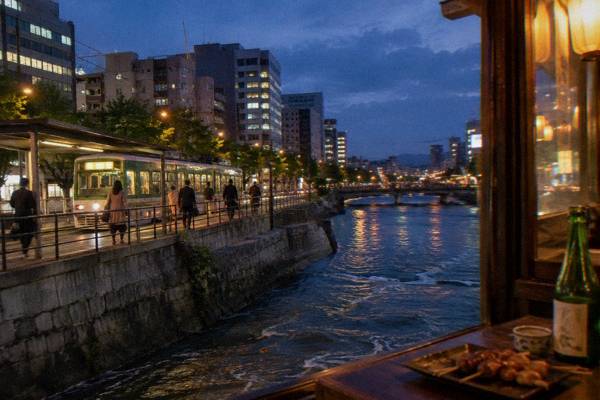
Is Hiroshima Known For Ramen?
Is Hiroshima known for ramen? The city's noodle identity explained: Hiroshima chuka soba, soupless tantanmen, the postwar stall origins, and how ramen fits beside okonomiyaki.
The BBC has counted more than 2,000 okonomiyaki restaurants in the city, and the Okonomimura complex alone houses more than 25 of them across four floors. Ramen sits in second place, but it is a real local tradition rather than an import: Hiroshima chuka soba grew out of postwar food stalls, the city claims a soupless tantanmen sold packaged at JR Hiroshima Station, and the japanramenguide.com directory lists at least 45 top-rated ramen shops, with the heaviest concentration in Nagarekawa and Hondori near the Peace Memorial Park. This page explains what Hiroshima ramen actually is, where to eat it, and how it compares with the Onomichi style up the coast.
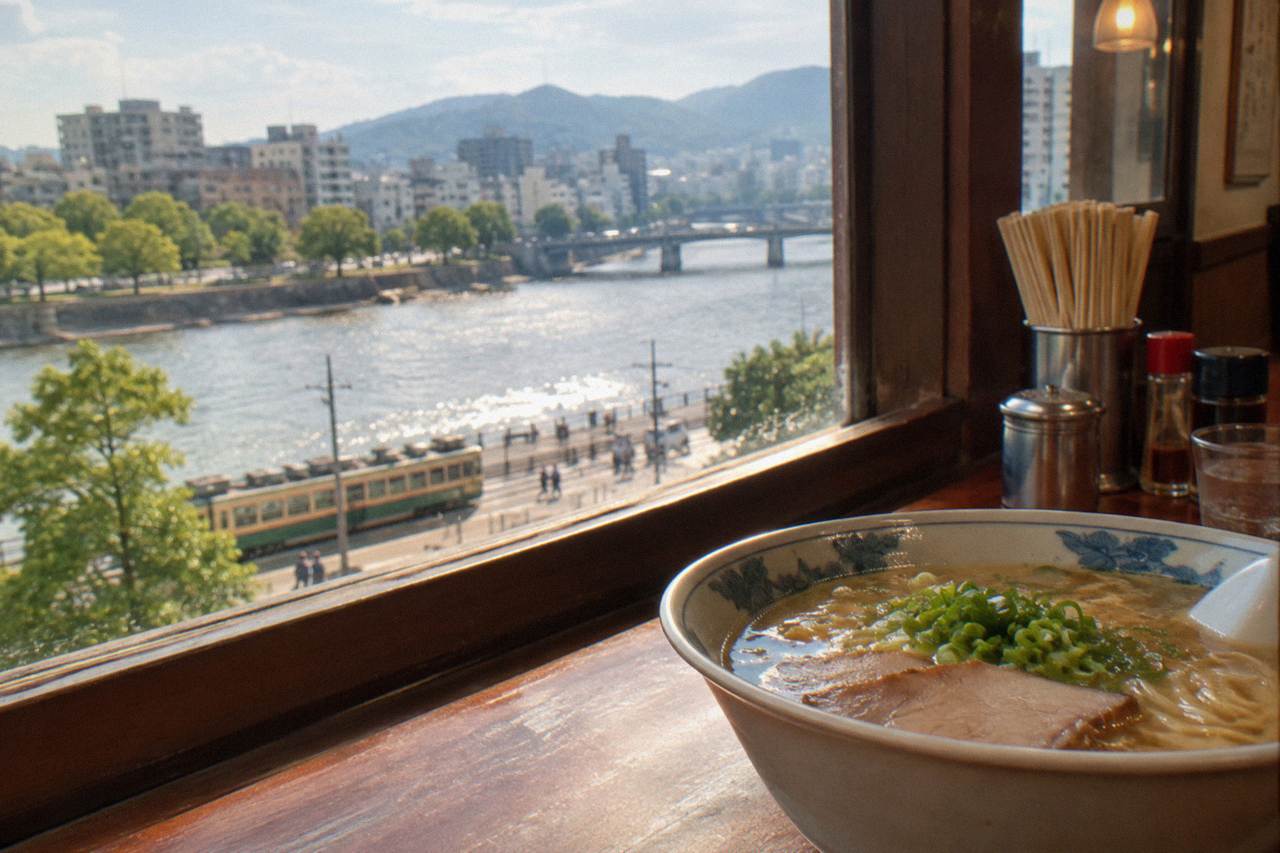
Hiroshima is known for ramen, but as a strong local second rather than the city's headline dish. Okonomiyaki is what Hiroshima is famous for, with more than 2,000 restaurants in the city, while Hiroshima ramen is a distinct postwar style, a light tonkotsu-shoyu or seafood-forward shoyu broth with thin noodles, born from food stalls and served across at least 45 top-rated shops in the city.
The ramen-japan.jp regional guide traces Hiroshima ramen to postwar food stalls, with Minoru Oki credited as an early pioneer and shops such as Youki (1957) and Suzume (1958) among the representative names. Rairaitei, founded in 1948, is described by the same guide as one of the oldest establishments serving the local style. That is a ramen history of nearly eight decades, and it is entirely separate from the okonomiyaki counters the city is better known for.
The city style itself is characterised by its lightness. Japanactivity.com describes Hiroshima city ramen broth as assari, light, compared with the heavier Onomichi style that carries floating squares of pork back fat. Typical bowls are priced between 700 and 1,400 yen, and japanramenguide.com notes that small chuka soba portions run 700 yen with large portions at 770 yen at some shops. This is affordable food, eaten standing or counter-side, and the shops cluster tightly enough that japanramenguide.com says a visitor can reasonably cover two or three ramen shops in a single morning thanks to the compact Nagarekawa and Hondori clusters.
For a wider picture of the city's food reputation beyond noodles, see what Hiroshima is famous for, and for how to fit eating into a short visit, how many days in Hiroshima is enough breaks down the pacing.
What Does Hiroshima Ramen Taste Like?
Hiroshima ramen typically pairs a light tonkotsu-shoyu or seafood-forward shoyu broth with thin noodles, and the style is described as assari, meaning light, in contrast to the heavier back-fat ramen of Onomichi. Bowls in the city generally cost between 700 and 1,400 yen, with some shops listing a 700 yen small and a 770 yen large chuka soba.
The seafood note matters. Shio Soba Maeda at 5-13 Funairihon-machi, Naka-ku, builds a clear salt-based broth from sardine, kombu and bonito, open 11:00 to 15:30 and closed Sundays, according to the explorehiroshima.jp shop guide.
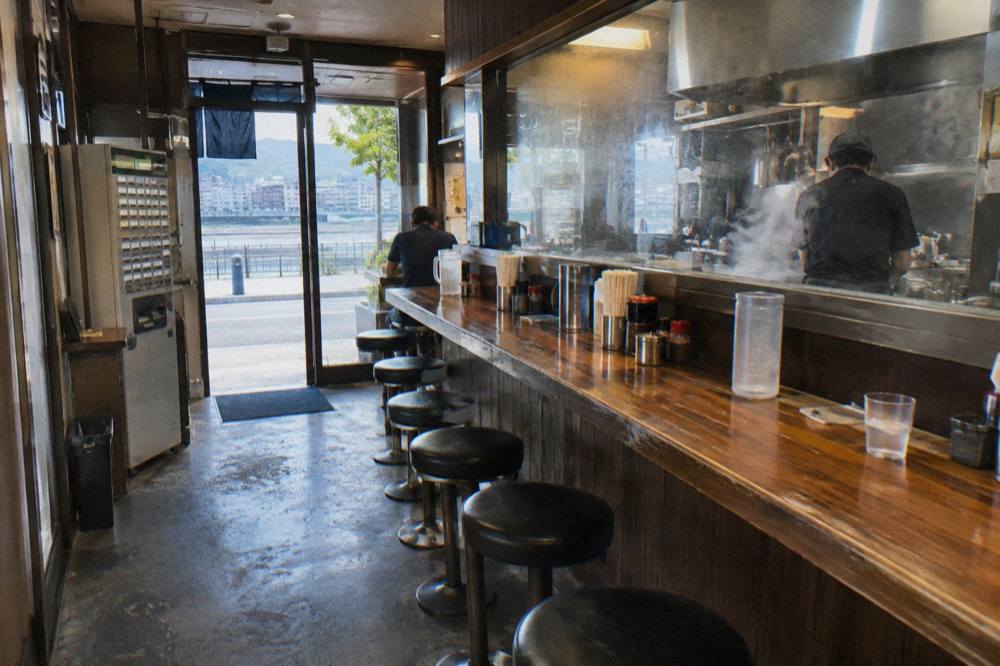
Ordering runs on local convention rather than table service at many shops. Afterdarkjapan.com notes that many Hiroshima ramen shops use ticket machines or numbered tickets for ordering, with cash payment standard. Carry yen, expect counter seats, and do not expect every shop to take a card.
The shop landscape, as the guides list it, looks like this:
| Shop | Address or area | Style | Notes from the shop guides |
|---|---|---|---|
| Chuka Soba Youki (Eba-minami branch) | 3-4-1 Eba-minami, Naka-ku | Hiroshima chuka soba | Operating since 1957; open 11:30 to 13:30 and 18:00 to 24:00; closed the 1st, 12th, 13th and 26th of each month |
| Onomichi Ramen Akatsuki | 8-24 Teppocho, Naka-ku | Onomichi-style shoyu with pork back fat | Open 11:30 to 22:00 daily; closes early if the broth runs out |
| Shio Soba Maeda | 5-13 Funairihon-machi, Naka-ku | Clear salt broth of sardine, kombu and bonito | Open 11:00 to 15:30; closed Sundays |
| Chuka Soba Kunimatsu | 8-10 Hacchobori | Soupless dandan noodles | A noted shop for shiru-nashi tantanmen, the soupless local specialty |
| Onomichi Ramen Ichcho | Central Hiroshima | Onomichi-style shoyu | Rated among the top shops, with prices up to 999 yen |
| Rairaitei | Hiroshima | Rich mellow Hiroshima ramen | Founded 1948; described as one of the oldest establishments |
| Kiyochan | Near Peace Memorial Park | Traditional Hiroshima ramen | A small shop with only about five seats |
What Is Soupless Tantanmen And Why Is It A Hiroshima Specialty?
Soupless tantanmen, called shiru-nashi tantanmen in Japanese, is a bowl of dandan-style noodles served without broth, and in Hiroshima it counts as a genuine local claim: the city's Hiroshima Brand pages list King-ken's packaged version as a Hiroshima specialty, sold at JR Hiroshima Station and highway stops for 972 yen per two servings.
King-ken is the shop name attached to the style. Chuka Soba Kunimatsu at 8-10 Hacchobori is listed by explorehiroshima.jp for its spicy soupless dandan noodles, and the style appears alongside tsukemen in the japanramenguide.com account of local noodle styles concentrated near the Peace Memorial Park and Hondori. Tsukemen, dipping noodles, is the other branch of the family: japanactivity.com pairs Hiroshima tsukemen with soupless tantanmen as the popular local noodle styles beyond the standard bowl.
The packaged versions are what push the specialty beyond restaurant walls. The Hiroshima Brand pages describe the King-ken tantanmen package at 972 yen for two servings, and a second product, Usui Artisanal Noodles' Hiroshima Chuka Soba Ramen, retails for 702 yen for two servings with a 90-day room-temperature shelf life, per the city's English Hiroshima Brand page. The city's pages report both are available as souvenirs at JR Hiroshima Station shops and yume plaza, which makes the station a reasonable last stop before departure for anyone packing noodles home.
Where Are The Ramen Shops In Hiroshima Concentrated?
The heaviest concentration of ramen shops in Hiroshima is in Nagarekawa and Hondori, the downtown entertainment and shopping districts near the Peace Memorial Park and the Hondori shopping arcade, according to the japanramenguide.com directory, which counts at least 45 top-rated ramen shops across the city.
Chuka Soba Kunimatsu's Hacchobori address and Kiyochan's position near the Peace Memorial Park both fall inside or beside this central belt, and japanramenguide.com notes that Hiroshima tsukemen and soupless tantanmen shops concentrate near the Peace Memorial Park and Hondori too. The upshot for a visitor is simple: the noodle scene does not require a detour from the main sightseeing spine of the city.
Hiroshima Station holds its own cluster. Japanramenguide.com lists multiple ramen options on the station's restaurant floors, including chains, and Ichiran runs a Hondori branch offering customizable Hakata tonkotsu ramen with solo booths near the central shopping area. Between the station floors and the downtown clusters, a traveller arriving by Shinkansen can eat well within walking distance of either end of the visit.
Cyclists have a tidy option here. The Peace Cycling Tour with Local Guide loops through the Peace Memorial Park area and the central districts, Check availability if a guided loop suits your morning.
How Does Hiroshima Ramen Compare With Onomichi Ramen?
Onomichi ramen is a soy-based broth with squares of pork back fat and flat noodles, while Hiroshima city ramen is the lighter assari style with thin noodles; the explorehiroshima.jp guide notes that the two cities' styles differ sharply, and that Onomichi is reachable from Hiroshima city by train in 65 to 75 minutes.
The comparison is worth making because Onomichi-style shops operate inside Hiroshima itself. Onomichi Ramen Akatsuki in Naka-ku serves the back-fat-rich original, open daily 11:30 to 22:00, and Onomichi Ramen Ichcho serves Onomichi-style shoyu rated among the city's top shops with prices up to 999 yen. Japanactivity.com frames the difference directly: Hiroshima city broth is assari, light, where Onomichi style is heavier, with fat floating on the surface.
The two bowls are close cousins on paper, shoyu-based and pork-driven, but the mouthfeel is the dividing line, and the shops in Hiroshima city let you run the comparison without leaving town.
Can You Bring Hiroshima Ramen Home As A Souvenir?
Yes: two Hiroshima ramen products are sold as packaged souvenirs, King-ken's soupless tantanmen at 972 yen for two servings and Usui Artisanal Noodles' Hiroshima Chuka Soba Ramen at 702 yen for two servings with a 90-day room-temperature shelf life, per the city's Hiroshima Brand pages, with both reported available at JR Hiroshima Station shops and yume plaza.
The two packages represent the two halves of the local noodle identity. King-ken carries the soupless tantanmen specialty, the style the city lists as its own; Usui carries the chuka soba style that descends from the postwar stalls. Both are dried or semi-dried retail products rather than fresh restaurant stock, and the 90-day shelf life on the Usui package makes it a practical gift rather than a same-week purchase.
The station is the natural buying point. JR Hiroshima Station's restaurant floors hold their own ramen counters for eating in, per japanramenguide.com, and the Hiroshima Brand pages report the packaged noodles in the station's shops, so a departure-morning stop covers both a last bowl and a suitcase filler. The Hiroshima Travel Guide covers the wider souvenir picture, from momiji manju onward, if noodles are only part of the shopping list.
Common Questions About Ramen In Hiroshima
Is Hiroshima Known For Ramen?
Known for it, yes, but not defined by it. Okonomiyaki is Hiroshima's headline dish, with more than 2,000 restaurants in the city, while Hiroshima ramen is a distinct local style, a light chuka soba born from postwar stalls, served across at least 45 top-rated shops listed for the city.
What Kind Of Ramen Is Hiroshima Style?
Hiroshima ramen typically uses a light tonkotsu-shoyu or seafood-forward shoyu broth with thin noodles. Japanactivity.com describes the city style as assari, light, in contrast to the heavier back-fat ramen of Onomichi.
How Much Does A Bowl Of Ramen Cost In Hiroshima?
Typical bowls in Hiroshima range from 700 to 1,000 yen, with the broader shop price range running to 1,400 yen.
What Is Shiru-Nashi Tantanmen?
It is soupless dandan noodles, a spicy bowl served without broth, and in Hiroshima it counts as a local specialty. King-ken's packaged version is listed on the city's Hiroshima Brand pages and sold for 972 yen per two servings.
Where Should I Eat Ramen In Hiroshima?
The japanramenguide.com directory places the heaviest shop concentration in Nagarekawa and Hondori, near the Peace Memorial Park and the Hondori arcade, with more options on Hiroshima Station's restaurant floors. The ramen shops in that central belt sit close together.
Is Onomichi Ramen Different From Hiroshima Ramen?
Yes. Onomichi ramen uses a soy broth with pork back fat and flat noodles, while Hiroshima city ramen is lighter with thin noodles. Onomichi is about 65 to 75 minutes from Hiroshima city by train, per the explorehiroshima.jp guide.
Ramen will never displace the okonomiyaki griddle as the taste of Hiroshima, but the city's noodle tradition is real, traceable to postwar stalls, light in the bowl, and densest in the same downtown blocks a visitor walks anyway, which makes a bowl of chuka soba or soupless tantanmen one of the easiest local meals to add to any Hiroshima itinerary.