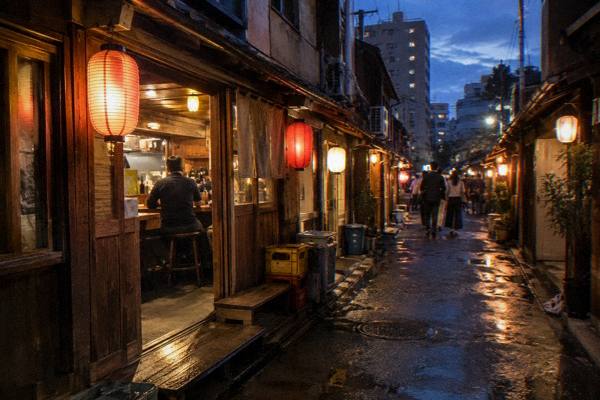
Nagarekawa And Yagenbori: The Bar District
Nagarekawa and Yagenbori are the two bar districts of central Hiroshima, a short Hiroden tram ride from Hiroshima Station, one loud and neon-lit, the other quiet and stacked with small upstairs bars.
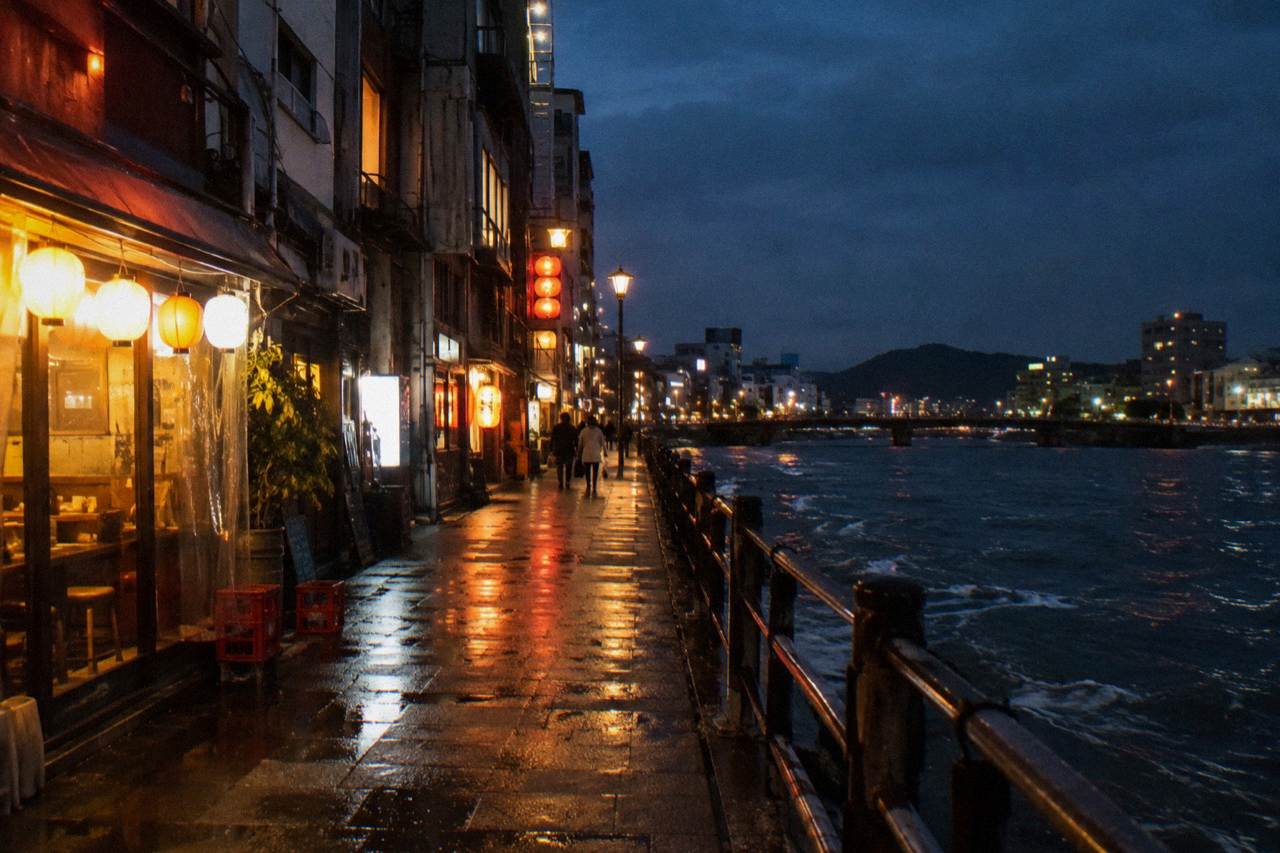
Nagarekawa-dori in Hiroshima is the city's main nightlife strip between Kamiyacho and Yagenbori, about a 10-minute walk from Hiroshima Station and a 3-minute walk from the Hacchobori or Kamiyacho-higashi tram stops. Yagenbori, one block east, is quieter, with bars on the upper floors of thin buildings.
Nagarekawa-dori runs roughly north to south between Kamiyacho and Yagenbori, about a 10-minute walk from Hiroshima Station, and it is the strip most people picture when they think of a Hiroshima night out: dense signage, cocktail bars, izakaya and late-night spots stacked through multi-tenant buildings. One block east, Yagenbori is a different animal, a cluster of narrow streets between Hacchobori to the north and the Nagarekawa zone to the west, noticeably quieter, with older buildings and bars hidden on the third, fourth or fifth floors of thin buildings reached by small elevators and marked by hand-written signs.
Both districts sit inside the central grid covered in the Hiroshima neighborhoods overview, a few minutes from the covered Hondori arcade and the Peace Memorial Park. This page covers where each zone sits, how to reach them on the Hiroden tram, what an evening in each one costs, how the two differ in character, and how a night here fits alongside the bigger sightseeing days described across Hiroshima Travel Guide.
Where Are Nagarekawa And Yagenbori In Hiroshima?
Nagarekawa-dori is the main north-south nightlife strip of central Hiroshima, running between Kamiyacho and Yagenbori about a 10-minute walk from Hiroshima Station, while Yagenbori itself is a cluster of narrow streets one block east, between Hacchobori to the north and the Nagarekawa zone to the west. Both sit in Naka-ku, the central ward, inside the same grid as Hondori and Hacchobori.
That geography matters, because the two zones are treated as one destination in most nightlife plans but behave like two different districts. Nagarekawa-dori is the loud face: neon and tout-heavy along the strip, with signage running from street level up the facades of the buildings. Yagenbori is the lower-key counterpart, an older atmosphere of retro bars and small joints, many of them well above street level.
The practical consequence is simple. A night out here is a walking night. You move between Nagarekawa-dori and the Yagenbori side streets on foot, and both are close enough to the Hacchobori and Kamiyacho commercial blocks, described in the Hacchobori and Kamiyacho area guide, that dinner, bars and the walk home can all stay inside one compact part of the city.
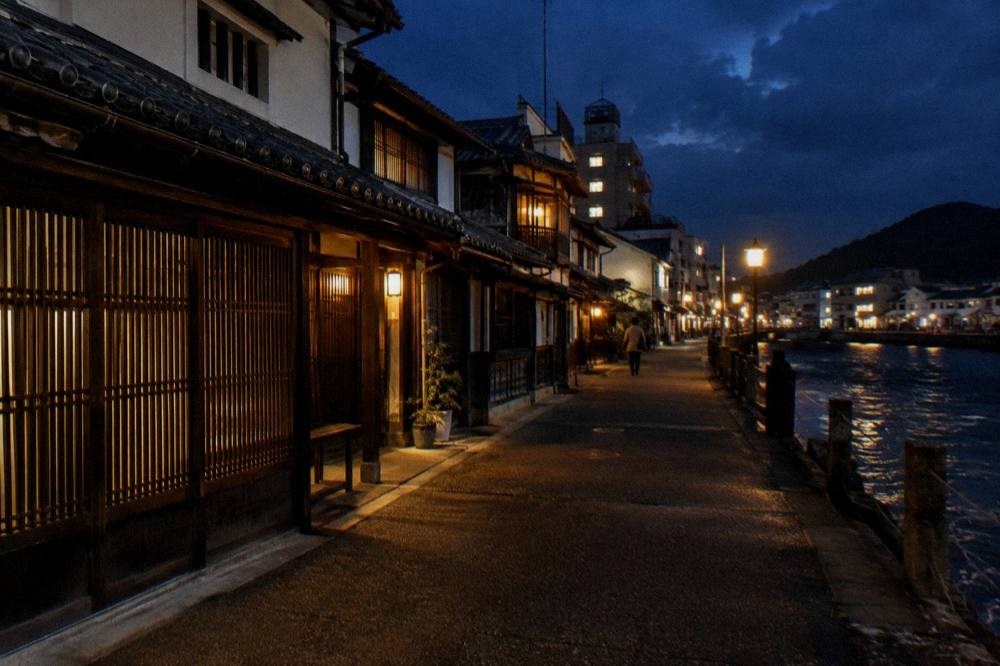
| Zone | Position | Character | Signage style |
|---|---|---|---|
| Nagarekawa-dori | North-south between Kamiyacho and Yagenbori | Neon strip, cocktail bars, late-night spots | Dense vertical signage from street level upward |
| Yagenbori | One block east of Nagarekawa, between Hacchobori and the Nagarekawa zone | Quieter, older buildings, upstairs bars | Hand-written signs, small elevators |
How Do You Get To Nagarekawa And Yagenbori In Hiroshima?
Take the Hiroden streetcar to Hacchobori or Kamiyacho-higashi, from which Nagarekawa-dori is a 3-minute walk, or to Ebisucho or Hacchobori for Yagenbori, about a five-minute walk away. The Hiroden flat fare is 240 yen for adults and 120 yen for children on every line, and the districts are also about a 10-minute walk from Hiroshima Station on foot.
The Hiroden network runs a flat fare across all its lines, including the Miyajima line, set at 240 yen adult and 120 yen child since 1 February 2025, so the tram ride to the bar district costs the same from the station side as from anywhere else on the network. The Hiroden tram now enters the Hiroshima Station building itself, reported since 3 August 2025, which makes the station-to-district run a single easy leg. The station surroundings, including the minamoa and ekie complexes, are covered in the Hiroshima station area guide.
For the return leg, most cocktail bars in the Nagarekawa area close around 2 AM, and some izakaya and late-night spots around Yagenbori run until 4 or 5 AM, so a very late finish can outlast ordinary tram service. Anyone starting the evening from the station side can also eat first inside the station complexes themselves: the ekie dining floor on 1F operates 11:00 to 22:00 with some outlets until 23:00, the minamoa restaurant floor on 6F operates 11:00 to 22:00, and the ekie souvenir floor on 2F runs 8:00 to 21:00, which covers a last souvenir stop on the way back.
| Route | Transport | Fare | Walk at the end |
|---|---|---|---|
| Hiroshima Station to Nagarekawa-dori | On foot | Free | About 10 minutes |
| Any Hiroden stop to Hacchobori or Kamiyacho-higashi | Hiroden streetcar | 240 yen adult, 120 yen child | About 3 minutes to Nagarekawa-dori |
| Any Hiroden stop to Ebisucho or Hacchobori | Hiroden streetcar | 240 yen adult, 120 yen child | About 5 minutes to Yagenbori |
| Station dining floors to the district | On foot after dinner | Free | Same 10-minute walk |
What Does An Evening In Nagarekawa And Yagenbori In Hiroshima Cost?
Plan on a table charge of around 500 to 1,000 yen at most sit-down bars in the Nagarekawa area, whisky pours from 1,200 yen at a standing bar in Yagenbori, and roughly 4,000 to 6,000 yen per person including drinks at a Yagenbori izakaya that runs until about 3 AM. Some standing bars charge no table charge at all, so the shape of the night sets the budget more than the district does.
The otoshi table charge, a small dish served with the seat, is standard practice in this district: most sit-down bars in the Nagarekawa area charge around 500 to 1,000 yen for it. The standing whiskey bar Koba at 6-12 Yagenbori, Naka-ku, opened 18:00 to 01:00 and closed Wednesdays, lists Japanese whisky pours from 1,200 JPY and charges no otoshi. At the other end of the scale, the izakaya Hachiya at 2-15 Yagenbori stays open until roughly 03:00, with costs of 4,000 to 6,000 JPY per person including drinks. Bar Upstairs in Yagenbori opens at 14:00 and operates as a half-cafe half-bar until evening, which gives the district an afternoon option as well as a late one.
| Venue type | Hours (as listed) | Table charge | Ballpark spend per person |
|---|---|---|---|
| Standing whiskey bar (Koba, Yagenbori) | 18:00-01:00, closed Wednesdays | None | Whisky pours from 1,200 yen |
| Sit-down cocktail bar, Nagarekawa area | Until around 2 AM | About 500-1,000 yen | Varies by drinks ordered |
| Izakaya (Hachiya, Yagenbori) | Until roughly 03:00 | Standard practice | 4,000-6,000 yen including drinks |
| Half-cafe half-bar (Bar Upstairs, Yagenbori) | Opens 14:00 | Not stated | Daytime cafe pricing |
What Kind Of Bars Fill Yagenbori In Hiroshima?
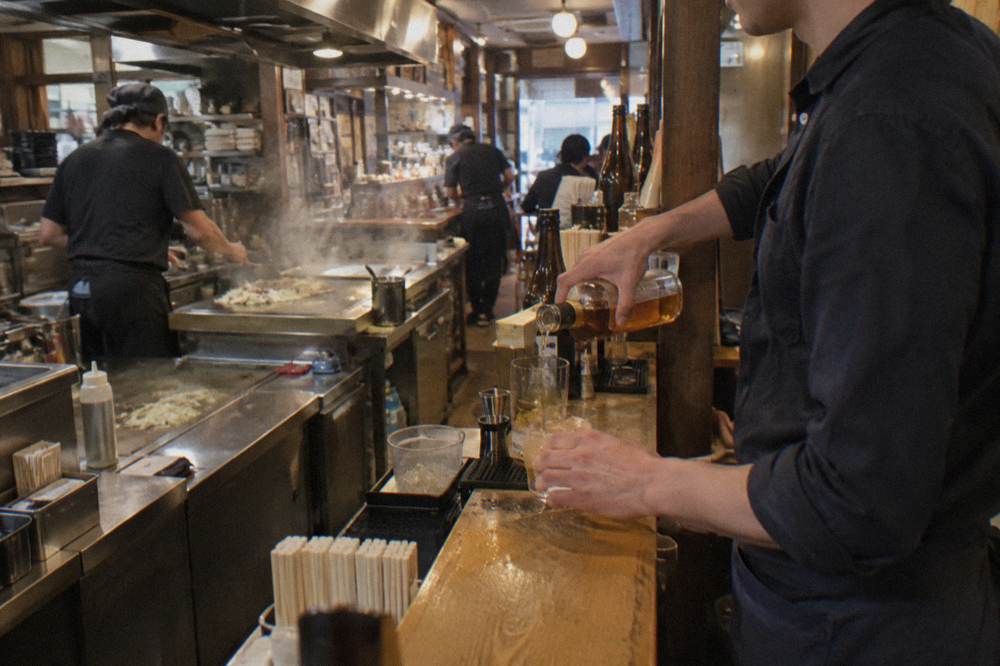
Yagenbori in Hiroshima is a cluster of narrow streets filled with small bars stacked vertically, many of them on the third, fourth or fifth floor of thin buildings, reached by small elevators and marked with hand-written signs, one block east of the neon of Nagarekawa-dori, with an older, lower-key atmosphere than the main strip.
That vertical layout is the defining feature of the district. The buildings are thin multi-tenant blocks, and the good bars sit well above street level, so the street itself can look almost residential while a full night is running overhead. Signage runs up the facades, and a hand-written sign beside a small elevator door is a normal entrance here rather than a mark of a hidden exception.
The zone runs roughly between Hacchobori to the north and the Nagarekawa district to the west, and it is about a five-minute walk from the Ebisucho or Hacchobori streetcar stops. Compared with the neon and tout-heavy Nagarekawa strip, Yagenbori offers the lower-key, older atmosphere, and the two districts work as a pair: dinner and energy on the strip, then a quiet upstairs bar one block east. The vertical stacking also changes how you move. Instead of walking a single street and choosing among visible doorways, you pick a building, ride up, and discover what the floor holds, and a full evening can reasonably stay inside two or three of these thin blocks without ever returning to street level.
How Do Nagarekawa And Yagenbori In Hiroshima Differ?
Nagarekawa-dori is Hiroshima's loud, neon, tout-heavy main strip with cocktail bars and late-night spots closing around 2 AM, while Yagenbori, one block east, is quieter and older, with upstairs bars, some izakaya running until 4 or 5 AM, and a lower-key feel that district guides contrast directly with the Nagarekawa strip.
The contrast is not subtle, and it is the main planning decision of the night. Nagarekawa-dori runs roughly north-south between Kamiyacho and Yagenbori, dense with signage and energy, a 3-minute walk from the Hacchobori or Kamiyacho-higashi tram stops. Yagenbori sits one block east, noticeably quieter, with older buildings and bars on the upper floors of thin buildings.
Neither zone is better in the abstract. The strip suits a big, social night with bars at street reach; Yagenbori suits a slower crawl of small rooms, whiskey standing bars and late izakaya.
| Feature | Nagarekawa-dori | Yagenbori |
|---|---|---|
| Position | North-south between Kamiyacho and Yagenbori | One block east, between Hacchobori and the Nagarekawa zone |
| Atmosphere | Neon, tout-heavy strip | Lower-key, older buildings |
| Bar location | Street level and up | Third to fifth floors of thin buildings |
| Nearest tram stops | Hacchobori or Kamiyacho-higashi, 3-minute walk | Ebisucho or Hacchobori, 5-minute walk |
| Late options | Most cocktail bars close around 2 AM | Some izakaya run to 4 or 5 AM |
What Else Sits Near Nagarekawa And Yagenbori In Hiroshima?
A dinner-and-bars night in Nagarekawa and Yagenbori can follow a full day of the city's main sights, such as the Hondori shopping arcade, Okonomimura, and the Peace Memorial Park and Peace Memorial Museum, the last with a 200 yen adult admission fee, without changing transport.
Hondori Shopping Street, the covered arcade reachable via the Hiroden streetcar, city bus or Astram Line at the Hondori stop or station, keeps typical individual store hours of 10:00 AM to 8:00 PM, which makes it the pre-dinner stretch of this part of the city. Okonomimura, the okonomiyaki building, and the wider food scene are covered in the site's things to do in Hiroshima roundup. West of the arcade, the Peace Memorial Park is open 24 hours a day with free admission to the grounds and outdoor monuments, and the Peace Memorial Museum charges 200 yen for adults, 100 yen for high school students, and nothing for junior high students and younger.
The National Hiroshima Peace Memorial Hall for the Atomic Bomb Victims is open 8:30 AM to 6:00 PM from March to July with free admission, and the Peace Memorial Park Tourist Information Center operates 8:30 AM to 6:00 PM from March 1 to November 30. The etiquette expectations around the park and museum, quiet conduct and respectful photography, are set out in the site's dedicated etiquette pages, and they matter most on the walk between the memorial area and the brighter commercial grid where the bar districts begin.
North of the grid, the Hiroshima Castle grounds, moat and stone walls remain open to the public with free access, and the Ninomaru area is open 9:00 AM to 5:30 PM from April to September and 9:00 AM to 4:30 PM from October to March, also with free admission, though the castle keep itself has been closed to visitors since 22 March 2026. Both make a calm daylight counterweight to the district's late hours.
| Nearby sight | Admission | Hours (as listed) |
|---|---|---|
| Peace Memorial Park grounds | Free | Open 24 hours |
| Peace Memorial Museum | 200 yen adult, 100 yen high school, junior high and younger free | 7:30 AM to 7:00 PM March to July; August to 8:00 PM |
| National Peace Memorial Hall | Free | 8:30 AM to 6:00 PM March to July |
| Hondori Shopping Street stores | Free entry | Typical store hours 10:00 AM to 8:00 PM |
| Hiroshima Castle grounds and Ninomaru | Free | Grounds free access; Ninomaru 9:00 AM to 5:30 PM April to September, to 4:30 PM October to March |
| Shukkeien garden | 350 yen adult, 150 yen university, school students free | 9:00-18:00 mid-March to mid-September, 9:00-17:00 mid-September to mid-March |
Should You Book A Guided Food Night In Hiroshima?
A guided food night in Hiroshima makes sense when you want the Yagenbori-style upstairs bars opened for you rather than found by trial, because the district's best rooms sit on upper floors behind hand-written signs, and a local guide removes the guesswork; independent bar-hopping works well too, since both districts are a short walk from two tram stops and the streets are compact.
To let a local guide lead the night out, book a nighttime food tour here.
The trade-off is control versus access. On your own, the district is legible enough: Nagarekawa-dori between Kamiyacho and Yagenbori, the quieter block east of it, a flat 240 yen tram fare in, and bars closing on a known rhythm from around 2 AM through 4 or 5 AM. With a guide, the small upstairs rooms that do not advertise at street level become part of the plan rather than a happy accident, and the otoshi convention, the 500 to 1,000 yen table charge at most sit-down bars, gets explained as it happens.
For visitors pairing the night with the city's bigger daytime plans, the Hiroshima and Miyajima Island private guided tour is the site's featured pick for the area, a private day with a local guide that leaves the evening free for the bar districts. Check availability on the operator's live listing. The same logic applies to food walks that end with dinner included, which pair naturally with a Nagarekawa evening.
What Should A First Night In Nagarekawa And Yagenbori In Hiroshima Look Like?
Start on foot from Hiroshima Station in about 10 minutes or take the Hiroden to Hacchobori for a 3-minute walk into Nagarekawa-dori, eat first around the Hondori and Okonomimura side, then move one block east into Yagenbori for upstairs bars from around 18:00, keeping in mind the otoshi table charge of 500 to 1,000 yen at sit-down bars and the Wednesday closure of the district's standing whiskey bar.
The sequencing follows the district's own rhythm. Afternoon options exist, since Bar Upstairs in Yagenbori opens at 14:00 as a half-cafe half-bar, but the strip itself comes alive in the evening. Late planning is equally concrete. Most cocktail bars in the Nagarekawa area close around 2 AM, while some izakaya and late-night spots around Yagenbori run until 4 or 5 AM, so the second half of a long night naturally drifts east.
Money planning is simple. Budget the otoshi at sit-down bars, expect whisky pours from 1,200 yen at the standing bar end, and treat a full izakaya sit-down as a 4,000 to 6,000 yen per person night including drinks, per the figures the district listings carry. The tram home is 240 yen flat if the night ends inside service hours. Anyone needing help with the evening's logistics can use the Hiroshima Station Tourist Information Center on the 2nd floor of the Shinkansen Exit premises, which operates 6:00 to 24:00 daily and offers free public wireless LAN, useful for a late plan assembled on the day.
Common Questions About Nagarekawa And Yagenbori In Hiroshima
Where Is Nagarekawa In Hiroshima?
Nagarekawa-dori runs roughly north-south between Kamiyacho and Yagenbori in central Hiroshima, about a 10-minute walk from Hiroshima Station and a 3-minute walk from the Hacchobori or Kamiyacho-higashi Hiroden tram stops.
What Is The Difference Between Nagarekawa And Yagenbori?
Nagarekawa-dori is the neon, tout-heavy main strip, while Yagenbori, one block east, is noticeably quieter, with older buildings and many bars on the third to fifth floors of thin buildings, reached by small elevators and hand-written signs.
How Much Is The Tram To Nagarekawa In Hiroshima?
The Hiroden flat fare is 240 yen for adults and 120 yen for children on all lines, including the Miyajima line, a rate in force since 1 February 2025.
What Time Do Bars Close In Nagarekawa And Yagenbori?
Most cocktail bars in the Nagarekawa area close around 2 AM, while some izakaya and late-night spots around Yagenbori run until 4 or 5 AM. A standing whiskey bar in Yagenbori lists hours of 18:00 to 01:00 and closes on Wednesdays.
Is There A Table Charge In Hiroshima Bars?
Most sit-down bars in the Nagarekawa area charge an otoshi table charge of around 500 to 1,000 yen. The standing whiskey bar Koba in Yagenbori charges no otoshi, with Japanese whisky pours from 1,200 yen.
A night in Nagarekawa and Yagenbori is the loud half and the quiet half of the same small corner of Hiroshima, and the best evenings use both: the strip for the first round, the upstairs rooms of Yagenbori for everything after.