Can I Tour Hiroshima On My Own?
Yes, you can tour Hiroshima on your own. Here is what the fares, opening hours and transport options actually cost for independent visitors to Hiroshima and Miyajima.
The streetcar network is flat-fare, the Peace Memorial Park is free and open around the clock, and the ferry to Miyajima runs a short crossing with departures through the day. This page sets out what the operators themselves publish: fares, hours and the few rules that matter, so an independent plan rests on figures rather than guesswork.
What Does Touring Hiroshima On Your Own Actually Cost?
A full independent day in Hiroshima can be built for under 1,000 yen in transport plus 200 yen at the Peace Memorial Museum, with the Peace Memorial Park itself free, because the Hiroden streetcar charges a flat 240 yen for adults on every line and the museum's own information page lists adult admission at 200 yen. The park's city page states it is open 24 hours with no closing days. That is the arithmetic of a self-guided day. The streetcar fare, flat since 1 February 2025, covers all inner-city lines and the Miyajima line alike, so a longer ride costs the same as a short hop. Children pay 120 yen.
Admission prices at the main stops are modest. The Hiroshima Peace Memorial Museum charges 200 yen for adults, meaning college age and up, 100 yen for high school students, and nothing for junior high and younger. Visitors aged 65 and over pay 100 yen with a passport. The National Hiroshima Peace Memorial Hall for the Atomic Bomb Victims is free. Itsukushima Shrine on Miyajima is 300 yen for adults, with a combined ticket covering the Treasure Hall at 500 yen.
| Site | Adult admission | Concessions |
|---|---|---|
| Peace Memorial Park | Free, open 24 hours | Applies to everyone |
| Peace Memorial Museum | 200 yen | High school 100 yen, 65+ 100 yen with passport, junior high and younger free |
| National Peace Memorial Hall | Free | Applies to everyone |
| Shukkeien garden | 350 yen | University 150 yen, school students free |
| Itsukushima Shrine, Miyajima | 300 yen | High school 200 yen, elementary and junior high 100 yen |
The castle deserves a separate note. The keep closed permanently to visitors on 22 March 2026 due to deterioration, so an independent visit there is now an exterior and grounds experience. The castle's site reports the Ninomaru area is free to enter, with seasonal hours of 9:00 to 17:30 from April to September and 9:00 to 16:30 from October to March, and the moat and outer areas are freely accessible. The question is Hiroshima Castle open is answered in detail on its own page.
Can I Tour Hiroshima On My Own?
Yes, you can tour Hiroshima entirely on your own: the streetcars are flat-fare, the Peace Memorial Park is free and always open, the museum sells admission at the door, and Miyajima is a ten-minute ferry ride with departures roughly every fifteen minutes. No guiding service is required anywhere in the city's main visitor areas. Line 2 of the Hiroden runs from Hiroshima Station to Hiroden-miyajima-guchi in 66 minutes, and the same system's stops include Genbaku Dome-mae, reported as the direct access stop for the A-Bomb Dome and the Peace Park.
What a guide adds is interpretation, not access. The museum's exhibits, the park's monuments and the shrine's halls are all open to anyone holding a ticket or, in the park's case, nothing at all. Photography inside the museum is permitted for personal use without an application, video and non-flash only, with tripods and selfie sticks prohibited.
The practical limits are few. The museum closes on 30 and 31 December and in mid-February for exhibit change, and its extended-hours slots, the 7:30 to 8:30 morning entry and evening slots, need an online reservation. The park's city page reports no public parking inside it, so arriving by streetcar is not just cheaper, it is the simpler plan. Wheelchairs are available for loan at facilities within the park.
How Do You Get Around Hiroshima Without A Guide?
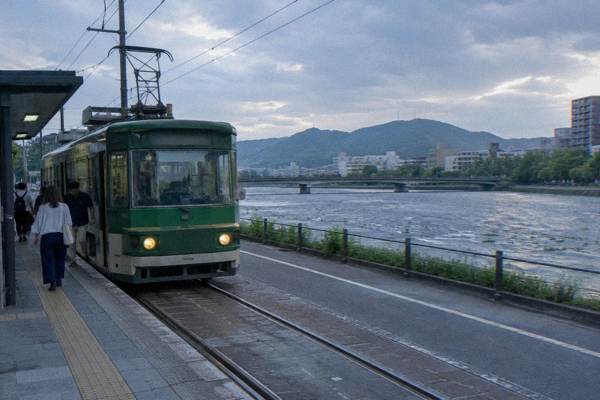
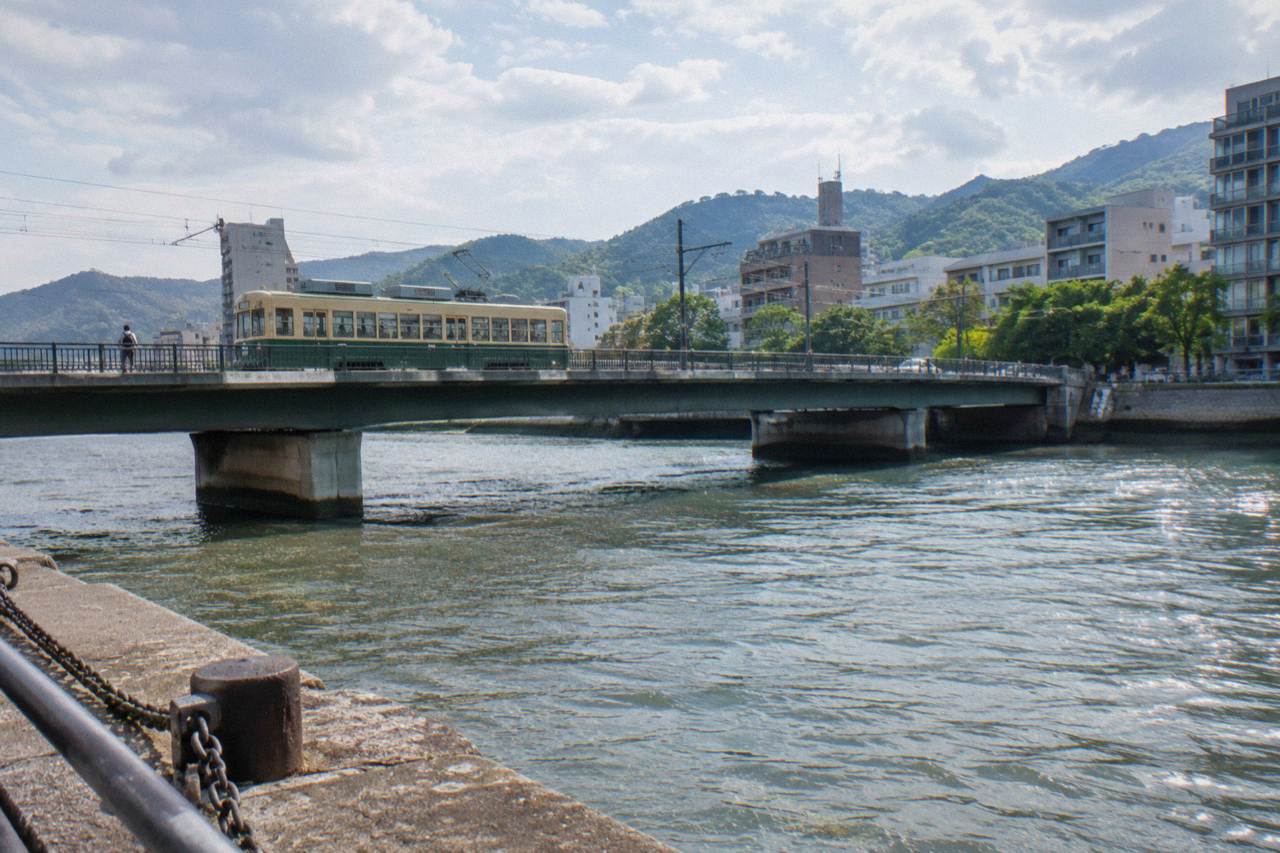
The Hiroden streetcar network is the backbone of independent travel in Hiroshima, charging a flat 240 yen for adults and 120 yen for children on every line, with first departures between about 5:30 and 6:45 in the morning and last runs between about 10:00 and 11:30 at night depending on line and direction. Hiroden is also reported to offer a one-day pass at 700 yen for adults and 350 yen for children covering all lines. Three flat rides a day already exceed the pass price, so a packed itinerary of Peace Park, castle, Shukkeien and back pays for the pass on arithmetic alone. The streetcar system is reported to have entered the Hiroshima Station building itself, on the second floor, since August 2025, which shortens the transfer from a Shinkansen arrival.
For a day that includes Miyajima, the Visit Hiroshima Tourist Pass changes the maths. The one-day version costs 1,000 yen and covers all Hiroden streetcars plus the ferries to Miyajima and select buses. Hiroden's own one-day streetcar-and-ferry alternative costs 1,000 yen for adults and includes the Miyajima Matsudai Kisen ferry plus the island's visitor tax. Either way, a Miyajima day is a pass day if you are riding from the city centre.
| Ticket | Price | Coverage |
|---|---|---|
| Hiroden single ride | 240 yen adult, 120 yen child | Any distance on any line, including the Miyajima line |
| Hiroden one-day pass | 700 yen adult, 350 yen child | All lines, reported by Hiroden |
| Visit Hiroshima Tourist Pass, 1 day | 1,000 yen | All Hiroden lines, Miyajima ferries, select buses |
| Hiroden 1-day streetcar and ferry pass | 1,000 yen adult | All lines, Matsudai Kisen ferry, Miyajima visitor tax |
Arriving by air, the limousine bus from Hiroshima Airport to the Hiroshima Bus Center takes about 55 minutes, with the airport's timetable page listing the fare and stops. From the station end of town, the route and fare details for reaching the park are laid out in how to get from Hiroshima Station to the Peace Park.
To sort mobile data before you land, book a Japan travel eSIM here.
What Can You See In Hiroshima Without A Tour?
The Peace Memorial Park at 122,100 square meters is free and open 24 hours, the museum beside it runs 7:30 in the morning to 18:00 or later depending on season, and the castle grounds, Shukkeien garden and downtown districts all sit on the same flat-fare network. No booking is needed for any of these beyond the museum's extended-hours slots. The park's own rules are simple and published: barbecue, fireworks and open flames are prohibited. Behaviour at the park and museum is a quiet, respectful matter, and the etiquette expectations are covered on the site's dedicated page.
The museum's hours are generous. It opens at 7:30 year-round and closes at 19:00 from March to July and September to November, at 20:00 in August, extended to 21:00 on 5 and 6 August, and at 18:00 from December to February. The A-Bomb Dome stands viewable from outside its fence at no fee, as the city's page reports.
Museum ticketing is one area where the question of whether you need tickets for Hiroshima Peace Memorial Park is worth a direct look, because the park and the museum inside it follow different rules: the park is free, the museum is not. Beyond the peace area, the castle exterior, Shukkeien and the shopping districts need no arrangements at all.
Is Miyajima Easy To Visit Independently?
Miyajima is a ten-minute ferry crossing from Miyajimaguchi, with the JR ferry charging 200 yen one way for adults and 100 yen for children aged 6 to 12, plus a separate 100 yen Miyajima visitor tax on arrival, and Japan Rail Pass holders ride the JR ferry free of charge while still paying the tax. The crossing runs roughly every fifteen minutes, so no schedule stress is needed. The JR ferry's timetable lists Miyajimaguchi departures from about 6:25 in the morning to about 22:00 at night, with Great Torii sailings between 9:10 and 16:10. Matsudai Kisen runs its own boats about every fifteen minutes from 7:00 into the evening.
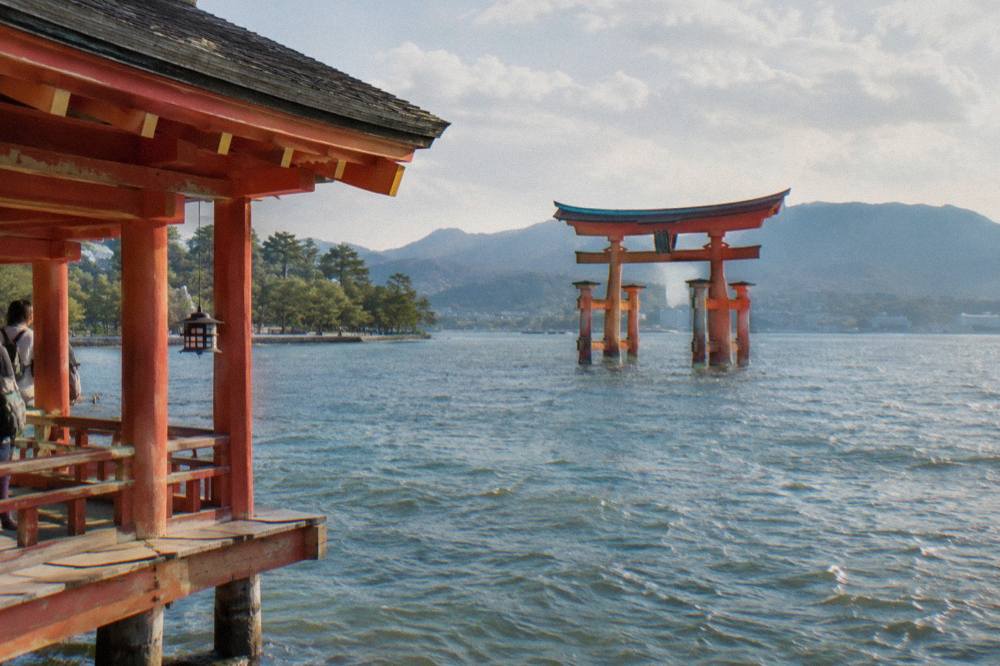
Itsukushima Shrine opens at 6:30 except on 1 January, and closes between 17:00 and 18:00 depending on the season. The shrine's admission page notes the corridor floorboards have gaps that allow high-tide pressure through, and advises comfortable shoes. The Mount Misen ropeway charges 2,000 yen for an adult return ticket, runs 9:00 to 16:00 with last descent at 16:30. Tides matter for the torii: below about 100 cm referenced to Hiroshima Port you can walk out to it, above 250 cm it appears to float, a phenomenon explained on the site's Miyajima low tide page.
One small indulgence fits an independent day well: the Rickshaw Experience in Miyajima, a culture-experience listing on the island, pairs a short ride with a puller who talks through the sights. Check availability if that appeals. The deer on the island are wild animals; the rules on feeding and touching them are on the site's Miyajima deer page.
When Does A Guided Tour Still Make Sense In Hiroshima?
A guided tour makes sense in Hiroshima when interpretation carries the day, not access: the peace history walks, the licensed-guide private days and the bus tours that bundle Hiroshima and Miyajima into one itinerary all sell knowledge and routing, because the underlying sites are open to anyone. The city's transport and admissions never require a guide. That distinction is worth being honest about. A visitor with two days, a streetcar pass and a museum ticket can see everything a bus tour sees, at a slower pace and lower cost, using the Hiroshima Travel Guide planning pages. A visitor with one day, or one who wants the bombing history explained rather than read, may prefer to buy that explanation.
Timing also matters. The question of how many days in Hiroshima is enough has a real answer for most itineraries, and squeezing both the city and Miyajima into a single day is exactly the case where a bus tour's fixed routing earns its keep. Independent travellers can do the same day with the 1,000 yen passes above, but they trade the schedule freedom for the need to watch ferry and museum hours themselves.
| Situation | Independent plan | Guided alternative |
|---|---|---|
| Peace Park and museum only | Streetcar 240 yen each way, museum 200 yen | A peace history walking tour |
| Hiroshima plus Miyajima in one day | 1,000 yen day pass, museum 200 yen, shrine 300 yen | A bus day tour or licensed-guide private day |
| Miyajima only | Ferry 200 yen plus 100 yen tax, shrine 300 yen | A half-day guided island tour |
| Deep history questions | Museum exhibits and free Memorial Hall | A guided walk with a licensed guide |
There is no wrong answer, only different purchases. The independent route buys flexibility and a low daily cost, bounded by the flat streetcar fare and a handful of small admissions. The guided route buys narrative, and for many visitors the story of what happened in this city in the closing phase of the war is the reason they came, which is a fair thing to pay for.
Common Questions About Touring Hiroshima On Your Own
Can I Tour Hiroshima On My Own?
Yes. Hiroshima's streetcars, museum, park and Miyajima ferries are all open to independent visitors, with a flat 240 yen adult streetcar fare, 200 yen museum admission and a 200 yen ferry crossing to Miyajima plus a 100 yen island tax. No guide or tour booking is required to enter any of the main sites.
Do I Need To Book The Hiroshima Peace Memorial Museum In Advance?
Only for the extended-hours slots. The museum's information page states that the 7:30 to 8:30 entry and evening slots require an online reservation, while standard admission during published hours is sold at the door for 200 yen for adults.
Is The Hiroden Streetcar Pass Worth It?
Reported by Hiroden, the one-day pass costs 700 yen for adults against a flat 240 yen single fare, so a third ride in one day already breaks even. A day that includes Miyajima is better served by the 1,000 yen passes that add the ferry.
Can I Use A Japan Rail Pass To Reach Miyajima?
Yes, on the JR West Miyajima Ferry, which the ferry's fare page confirms is covered by the Japan Rail Pass. The 100 yen Miyajima visitor tax is separate and still applies. The Matsudai Kisen ferry is not covered.
Is The Peace Memorial Park Open At Night?
Yes. The city's page for the park states it is open 24 hours daily with no closing days, covers 122,100 square meters, and has free entry. The museum beside it keeps seasonal hours and closes on 30 and 31 December and in mid-February.
Independent travel in Hiroshima is not a compromise version of a guided visit. The same streets, the same museum halls and the same island ferry are available to anyone with a 240 yen coin and a plan, and the figures in this page come from the operators' own published fares and hours rather than from any tour brochure.