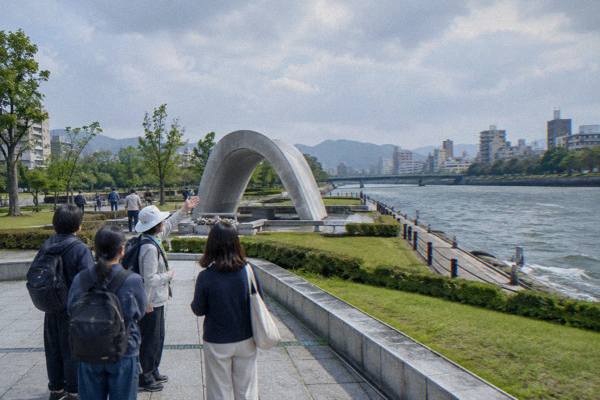
August 6 In Hiroshima: The Peace Ceremony And Lantern Floating
The Hiroshima Peace Memorial Ceremony runs from 8:00 to 8:50 on the morning of August 6 in Peace Memorial Park, and the lantern floating follows the same evening on the Motoyasu River. Here is what the city and the organisers publish about attending both.
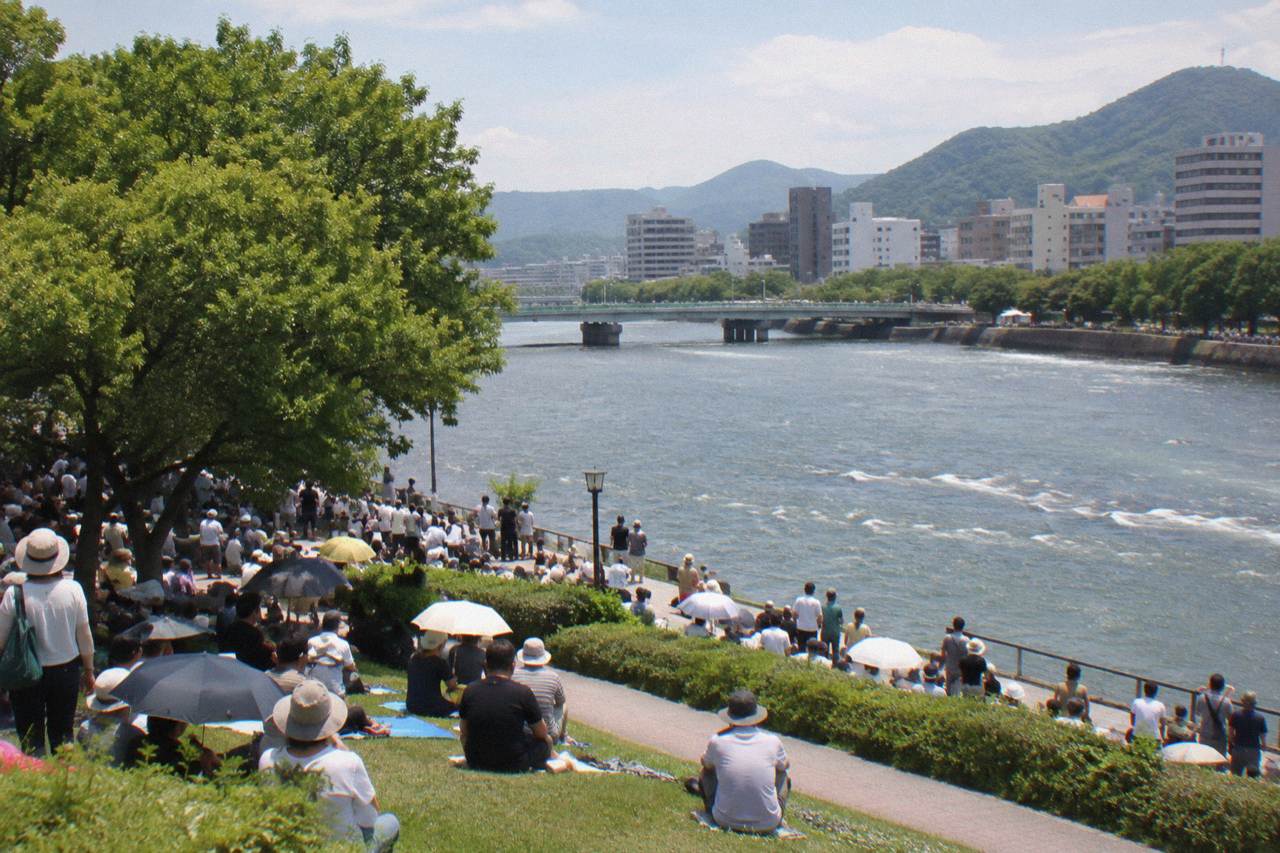
The 2026 Hiroshima Peace Memorial Ceremony is held on Thursday, August 6, 2026, from 8:00 am to 8:50 am at Peace Memorial Park, open to the public with no tickets required. The lantern floating runs the same evening from 6:00 pm to 9:00 pm on the Motoyasu River riverside.
The city's own ceremony page publishes the running order, the seat numbers and the entry rules, and the lantern floating organisers publish the evening schedule separately. This guide sets out what those pages say, in order of the day: getting there before dawn, the ceremony from 8:00 to 8:50, the museum's extended hours on August 5 and 6, and the lantern floating from 6:00 pm to 9:00 pm on the Motoyasu River.
What Is The Hiroshima Peace Memorial Ceremony?
The Hiroshima Peace Memorial Ceremony is the city's annual memorial held every August 6 in Peace Memorial Park, marking the atomic bombing of Hiroshima with a 50-minute ceremony from 8:00 am to 8:50 am, including a one-minute silent prayer and the ringing of the Peace Bell at exactly 8:15 am. The city of Hiroshima organises it, and its English-language page publishes the full sequence for the 2026 ceremony, which falls on Thursday, August 6, 2026.
The published running order is: opening at 8:00 am, dedication of the register of names, addresses, flower dedication, silent prayer, Peace Declaration, dove release, commitment to peace, addresses, Hiroshima Peace Song, and closing at 8:50 am. The silence at 8:15 am marks the minute the bomb was dropped, and it is the moment the whole event is built around. The park itself is public ground, open 24 hours with free admission and no holidays, as the city's park page states, and it covers 122,100 square metres on the former delta near ground zero.
For background on the site itself, the Hiroshima Peace Memorial Park guide covers the Cenotaph, the Peace Flame and the other memorials, and the Hiroshima Peace Memorial Museum guide covers what is inside the museum building. The park's monuments and memorials are typically given 1 to 2 hours by visitors, according to a local guide article, but on the morning of August 6 the whole park is given over to the ceremony.
The history is handled factually by the city and the museum: the park was established under the Hiroshima Peace Memorial City Construction Law to commemorate the victims and pray for lasting peace. The Cenotaph for the A-bomb Victims was established on August 6, 1952, designed by Kenzo Tange, and the Peace Flame was lit on August 1, 1964, designed to burn until all nuclear weapons are abolished. Anyone wanting the fuller historical frame before attending can read the site's history for visitors overview or the detailed page on the Children's Peace Monument.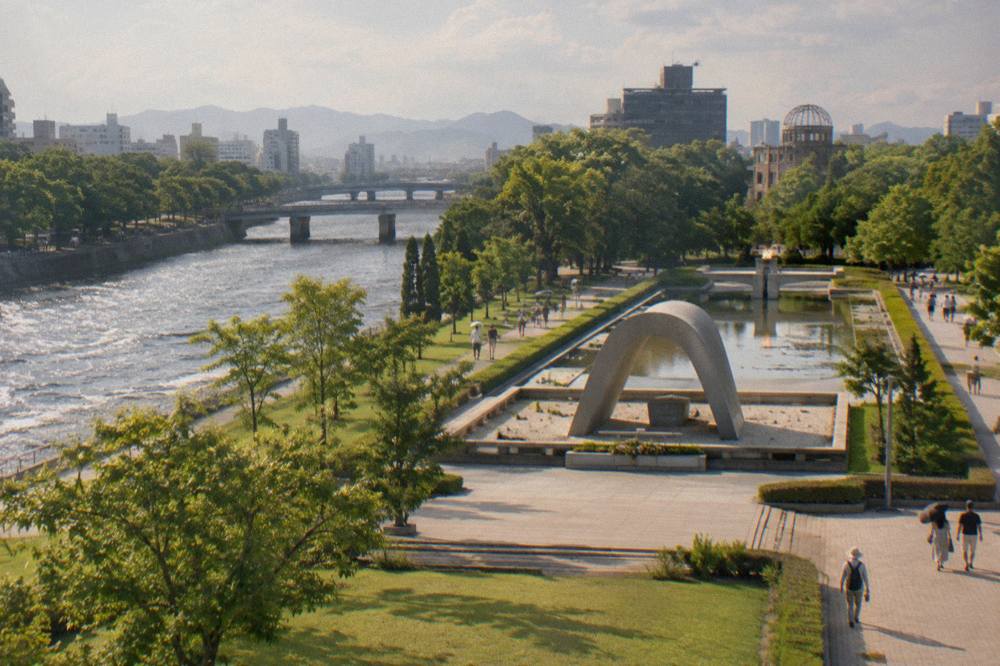
Can Tourists Attend The Hiroshima Peace Ceremony On August 6?
Yes, tourists can attend the Hiroshima Peace Ceremony on August 6: the Peace Memorial Ceremony is open to the public with no tickets and no advance registration, and the city's English page confirms that visitors simply take a seat, with general public seating of about 1,200 seats closing when full. Hibakusha and bereaved family seating, about 1,600 seats, is reserved, and when the general seats are gone the venue is closed to further arrivals.
That single fact, no tickets required, is the most useful thing to know, because it shapes the whole morning. Entry to the main venue begins at 6:00 am, two hours before the ceremony starts, and the park operates entry restrictions from 5:00 am to 9:00 am. Anyone wanting a general public seat needs to be inside the venue early, and the city asks visitors to use public transportation because no parking is available at Peace Memorial Park for the ceremony. For anyone who cannot reach the park by dawn, the roughly 2,200 indoor seats at the International Conference Center Hiroshima carry a simultaneous broadcast of the ceremony.
There are rules inside the venue. The city's page lists prohibited items during the ceremony restrictions: dangerous objects, loud sound devices, signs, drones, and disruptive activities. The tone of the morning is solemn, and the site's separate etiquette at the Peace Park guide covers respectful behaviour and photography in detail. Quiet dress and quiet conduct are the norm; the ceremony is a memorial attended by survivors and bereaved families, not a spectacle.
The evening lantern floating is likewise free to watch. The organisers state that viewing the lantern floating ceremony is free, and participants pay only for the lanterns they purchase to float. So a full August 6 day in Hiroshima, ceremony in the morning and lanterns in the evening, costs nothing to attend beyond a 1,000 yen lantern and transport.
How Do You Get To Peace Memorial Park For The Ceremony?
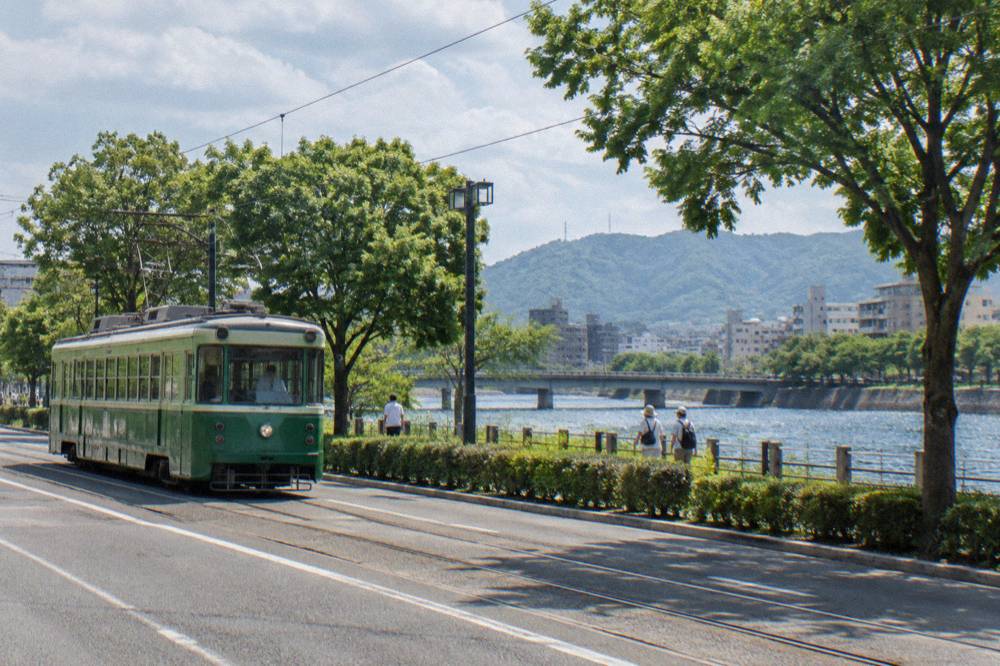
From JR Hiroshima Station, Hiroden streetcar Line 2 or Line 6 reaches the Genbaku Dome-mae stop in approximately 25 minutes, and the lantern floating venue is a 5-minute walk from that stop, according to the ceremony organisers' own access page. The Maple-Loop sightseeing bus from the Shinkansen exit of Hiroshima Station reaches Genbaku Dome-mae in about 20 minutes. No parking is available at the park for the ceremony, so public transport is the only practical option the city promotes.
The streetcar fare is a flat 240 yen for adults and 120 yen for children on all Hiroden lines, a fare in force since 1 February 2025, including the Miyajima line. The tram now enters the Hiroshima Station building itself, reported since 3 August 2025, which makes the connection from a Shinkansen arrival a short one. The museum's own access page gives the same journey, about 25 minutes to Genbaku Dome-mae followed by a 10-minute walk to the museum entrance.
The same morning logic applies to arriving from outside the city. The Nozomi Shinkansen covers Shin-Osaka to Hiroshima in about 80 to 85 minutes, and Tokyo to Hiroshima in about 3 hours 45 minutes to 4 hours, per secondary timetable sources. Anyone planning the trip can compare approaches in the site's day trip from Osaka and day trip from Tokyo guides, and the getting around Hiroshima overview covers trams, passes and the flat fare in full. The station area itself is covered in the Hiroshima Station guide.
| Option | From | To | Time Given |
|---|---|---|---|
| Hiroden Line 2 or 6 | JR Hiroshima Station | Genbaku Dome-mae | About 25 minutes |
| Maple-Loop sightseeing bus | Hiroshima Station Shinkansen exit | Genbaku Dome-mae | About 20 minutes |
| Walk | Genbaku Dome-mae stop | Lantern floating venue | 5 minutes |
| Walk | Genbaku Dome-mae stop | Museum entrance | 10 minutes |
| Nozomi Shinkansen | Shin-Osaka | Hiroshima | About 80 to 85 minutes |
A guided walk can turn the transport leg into the explanation itself. The Hiroshima Peace Park walking tour and the history walk both cover the route from the station side into the park with the history attached, and a visitor with a dawn start on August 6 may prefer a guided walk on August 5 to arrive informed. Check availability for the history walk if that framing suits.
What Time Does The Ceremony Start And What Happens During It?
The ceremony starts at 8:00 am sharp and closes at 8:50 am, a 50-minute programme whose centre point is the one-minute silent prayer and the ringing of the Peace Bell at exactly 8:15 am, the time the atomic bomb was dropped on Hiroshima on the morning of August 6. The city's page lists the sequence in full, and every element runs to that published order.
| Time | Programme Item |
|---|---|
| 6:00 am | Entry to the main ceremony venue opens |
| 8:00 am | Ceremony opens |
| 8:00 to 8:50 am | Dedication of the register of names |
| 8:00 to 8:50 am | Addresses |
| 8:00 to 8:50 am | Flower dedication |
| 8:15 am | One-minute silent prayer and Peace Bell |
| 8:15 to 8:50 am | Peace Declaration |
| 8:15 to 8:50 am | Dove release |
| 8:15 to 8:50 am | Commitment to peace |
| 8:15 to 8:50 am | Hiroshima Peace Song |
| 8:50 am | Closing |
The seating figures are published alongside the programme. Approximately 7,000 seats are available in the main ceremony venue at Peace Memorial Park, and about 2,200 additional indoor seats at the International Conference Center Hiroshima carry a simultaneous broadcast. Hibakusha and bereaved family seating, roughly 1,600 seats, and general public seating, roughly 1,200 seats, close when full, which is the whole reason the 6:00 am venue opening matters.
Park entry restrictions operate from 5:00 am to 9:00 am on the day, so the park is not freely wanderable during those hours in the way it is on any other day of the year. Visitors who want the dome and the park without the ceremony crowds can find the quieter corners in the peace park and Nakajima area guide or the hidden gems of Hiroshima.
What Are The Peace Memorial Museum Hours On August 5 And 6?
The Hiroshima Peace Memorial Museum is open in August from 7:30 am to 8:00 pm, extending to 9:00 pm on August 5 and 6, and adult admission is 200 yen for college students and up, 100 yen for high school students, free for junior high school students and younger, and 100 yen for visitors aged 65 and older with a passport. The museum's own practical-information page publishes all of these figures.
| Period | Hours |
|---|---|
| March to July | 7:30 am to 7:00 pm |
| August | 7:30 am to 8:00 pm |
| August 5 and 6 | 7:30 am to 9:00 pm |
| September to November | 7:30 am to 7:00 pm |
| December to February | 7:30 am to 6:00 pm |
One reservation rule sits inside those hours: prior online reservation is required to enter the permanent exhibition room during extended hours such as 7:30 am to 8:30 am, or the final hour before closing. On August 5 and 6, when closing moves to 9:00 pm, that final-hour rule is the one to check before planning an evening visit. The museum is closed on December 30 and 31 and for several days in mid-February for exhibition changes.
| Visitor | Admission |
|---|---|
| Adult, college students and up | 200 yen |
| High school student | 100 yen |
| Junior high school students and younger | Free |
| Visitors 65 and older with passport | 100 yen |
| Adult group of 30 or more | 160 yen each |
| High school group of 20 or more | Free |
The museum's layout is published room by room: the East Building 1F holds the ticket counter, audio guide rental, special exhibition room, video theater and visitor's lounge; the East Building 2F holds the permanent exhibition section on Hiroshima history; and the East Building 3F holds the sections on Hiroshima before the bombing, a lost way of life, the dangers of nuclear weapons, and A-bomb survivor video testimony. A visitor with a full August 6 in the city can move from the 8:50 am ceremony close into the museum, which opens at 7:30 am and keeps extended hours on August 6, then return to the river for the lanterns at 6:00 pm. The National Hiroshima Peace Memorial Hall for the Atomic Bomb Victims, adjacent in the park, charges no admission fee and opens 8:30 am to 6:00 pm from March 1 to July 31.
What Is The Lantern Floating Ceremony On The Motoyasu River?
The Hiroshima Lantern Floating Ceremony takes place on the evening of August 6 on the Motoyasu River riverside in Peace Memorial Park, facing the Atomic Bomb Dome, with lanterns floated from 6:00 pm to 9:00 pm and a Music Ceremony running the same hours on the river waterside. The organisers' English page publishes the schedule, and the venue is at Nakajima-cho, Naka-ku, Hiroshima, near the Motoyasu River inside Peace Memorial Park.
The Genbaku Dome-mae Hiroden streetcar stop is a 5-minute walk from the venue, the same stop used for the morning ceremony. Viewing is free, and participants pay only for the lanterns they purchase to float.
The dome's own history and the reason it survives as it does are covered in the site's Atomic Bomb Dome page, and the broader question of whether the park and dome need tickets is answered in do you need tickets for Hiroshima Peace Memorial Park. The short answer there is that the park is a public park with no ticket, while the museum inside it charges admission.
How Much Does A Lantern Cost And When Do They Float?
Each lantern for the floating ceremony costs 1,000 yen, tax included, and payment is cash only, with lantern sales opening at 7:00 am and ending at 8:30 pm on August 6, and floating running from 6:00 pm to 9:00 pm on the Motoyasu River riverside. The organisers' English page states all of these figures directly.
| Item | Detail |
|---|---|
| Lantern price | 1,000 yen, tax included |
| Payment | Cash only |
| Sales open | 7:00 am, August 6 |
| Sales close | 8:30 pm, August 6 |
| Floating | 6:00 pm to 9:00 pm |
| Viewing | Free |
| Music Ceremony | 6:00 pm to 9:00 pm, Motoyasu River waterside |
The 7:00 am opening of lantern sales is worth noticing: sales begin during the morning ceremony build-up, so a visitor already in the park at dawn can buy a lantern hours before floating begins, and the sales point stays open until 8:30 pm for evening arrivals. The cash-only rule matters in a city where cards are widely taken elsewhere; the site's do you need cash in Hiroshima question covers the wider cash picture.
Because the floating runs until 9:00 pm, the evening pairs naturally with dinner in the centre. The okonomiyaki guide and the what to eat in Hiroshima overview cover the city's food districts.
What Is The Weather Like In Hiroshima In Early August?
The Japan Meteorological Agency (JMA) 1991-2020 station normals for Hiroshima show an average August daily high of about 32.8 °C and an average overnight low of about 25.1 °C, with about 131.4 mm of rain across the month, so the ceremony day is hot, humid and occasionally wet, and the lantern evening stays warm. July, not August, carries the highest monthly rain total in the normals at 279.8 mm.
| Month | Average High °C | Average Low °C | Rain mm | Sunshine Hours |
|---|---|---|---|---|
| July | 30.9 | 24.1 | 279.8 | 173.4 |
| August | 32.8 | 25.1 | 131.4 | 207.3 |
| September | 29.1 | 21.1 | 162.7 | 167.3 |
For a 6:00 am arrival and an 8:00 am ceremony start, the practical reading of those normals is heat building through the morning and a night that barely cools. Water, a hat and shade for the midday gap between ceremony and lanterns are reasonable planning; the Hiroshima weather guide unpacks the full year, and the best time to visit Hiroshima guide compares August against the spring and autumn windows if the date is flexible.
August 6 sits inside the museum's extended summer hours and the city's festival calendar, both covered elsewhere on the site. The Hiroshima in summer guide collects the season's other events, and the festivals and events overview places the ceremony in its context.
What Else Can You Do In Hiroshima On August 6?
A full August 6 in Hiroshima can run through the 8:00 to 8:50 am ceremony, into the museum from its 7:30 am opening, out to Shukkeien garden or the castle grounds in the midday hours, and back to the Motoyasu River for lantern sales and the 6:00 pm to 9:00 pm floating, all within the flat 240 yen Hiroden fare.
The midday options are covered across the site. Shukkeien garden charges 350 yen for adults, 150 yen for university students and is free for elementary to high school students, open 9:00 to 18:00 from 16 March to 15 September with last entry 30 minutes before closing. The Hiroshima Castle keep has been closed to visitors since 22 March 2026, so the castle visit is an exterior and grounds visit only, with a Sannomaru history museum planned. The one day in Hiroshima itinerary sequences the city sights for a single day, and where to stay in Hiroshima covers the districts closest to the park for anyone who wants a short pre-dawn walk instead of a tram ride.
Miyajima is a same-day addition if the pace allows: the JR ferry crossing runs about 10 minutes from Miyajimaguchi, with departures roughly every 15 minutes from 8:00 to 18:00 and beyond, and the Miyajima Visitor Tax of 100 yen is charged separately on entering the island. The Miyajima tour and Itsukushima Shrine pages cover the island in full, though anyone planning both the ceremony and Miyajima on the same day is packing a great deal into daylight hours. The shrine charges 300 yen for adults, 200 yen for high school students and 100 yen for elementary and junior high students.
Common Questions About The August 6 Ceremony In Hiroshima
Can Tourists Attend The Hiroshima Peace Ceremony On August 6?
Yes. The Peace Memorial Ceremony is open to the public with no tickets or advance registration required, per the city's English page. Entry to the main venue begins at 6:00 am, and general public seating of about 1,200 seats closes when full, so early arrival matters.
Do You Need Tickets For The Peace Memorial Ceremony?
No. The ceremony and the park are free and open to all, and the evening lantern floating is free to watch. The only costs are a 1,000 yen lantern if you choose to float one, cash only, and your transport.
What Time Should You Arrive At Peace Memorial Park?
Park entry restrictions run from 5:00 am to 9:00 am and venue entry opens at 6:00 am, two hours before the 8:00 am start. Seating closes when full, so the city's own guidance points to the 6:00 am opening as the practical arrival window.
Is The Hiroshima Peace Memorial Museum Open On August 6?
Yes. In August the museum is open 7:30 am to 8:00 pm, extending to 9:00 pm on August 5 and 6. Online reservation is required for the permanent exhibition room during the 7:30 to 8:30 am slot and the final hour before closing.
How Do You Get To The Lantern Floating?
The venue is the Motoyasu River riverside in Peace Memorial Park, facing the Atomic Bomb Dome, a 5-minute walk from the Genbaku Dome-mae Hiroden streetcar stop. Hiroden Line 2 or 6 from Hiroshima Station takes about 25 minutes, at the flat fare of 240 yen for adults.
Can You Float A Lantern Yourself?
Yes. Lanterns cost 1,000 yen each, tax included, cash only, with sales from 7:00 am to 8:30 pm on August 6 and floating from 6:00 pm to 9:00 pm. Watching from the riverbank is free.
A day built on the published figures is straightforward: streetcar before dawn, seat by 6:00 am, silence at 8:15, museum in the middle hours, and a lantern on the Motoyasu River after dark, with the Hiroshima Travel Guide covering every stop in between.