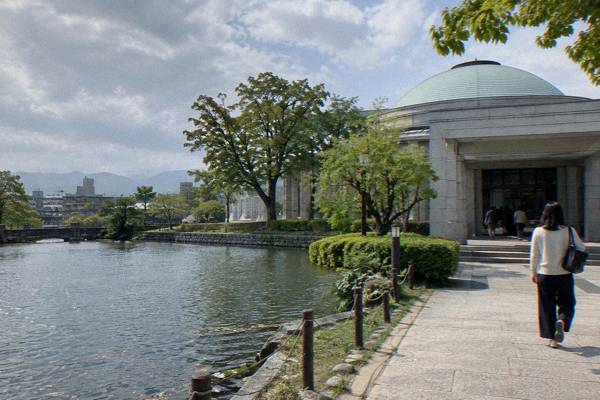
Visit Hiroshima Tourist Pass And Other Local Passes
The Visit Hiroshima Tourist Pass bundles Hiroden streetcars, Miyajima ferries and central Hiroshima buses into one ticket. Here is what it costs, what it covers, and when a cheaper Hiroden pass or a JR West pass is the better buy.
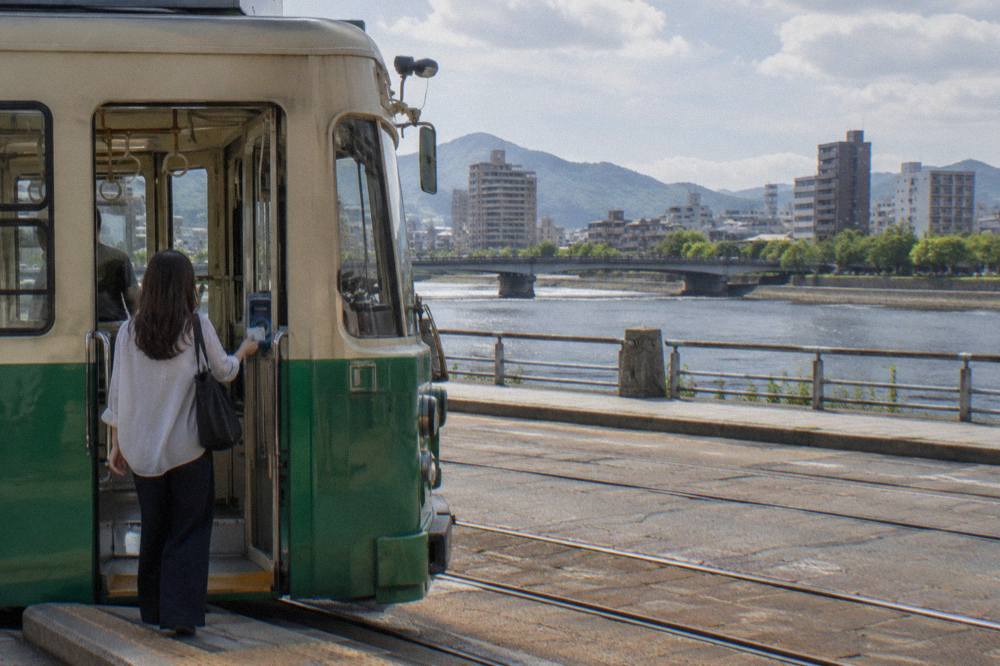
The Visit Hiroshima Tourist Pass costs 1,000 yen for one day and covers all Hiroden streetcar lines, both Miyajima ferries and designated city buses. A 2-day version costs 1,500 yen and a 3-day version 2,000 yen. A Hiroden-only day pass costs 700 yen, so the full pass pays off mainly when Miyajima is on the itinerary.
The Visit Hiroshima Tourist Pass bundles nearly all of Hiroshima's local transport into one ticket: every Hiroden streetcar line, both ferry operators to Miyajima, and the designated city buses of central Hiroshima, including the Meipuru-pu sightseeing bus loop. Each version of the pass has its own price, the pass leaves out some services, and it compares with the cheaper Hiroden-only day passes and the JR West area passes that cover the Shinkansen instead. The Hiroden fare page reports the coverage.
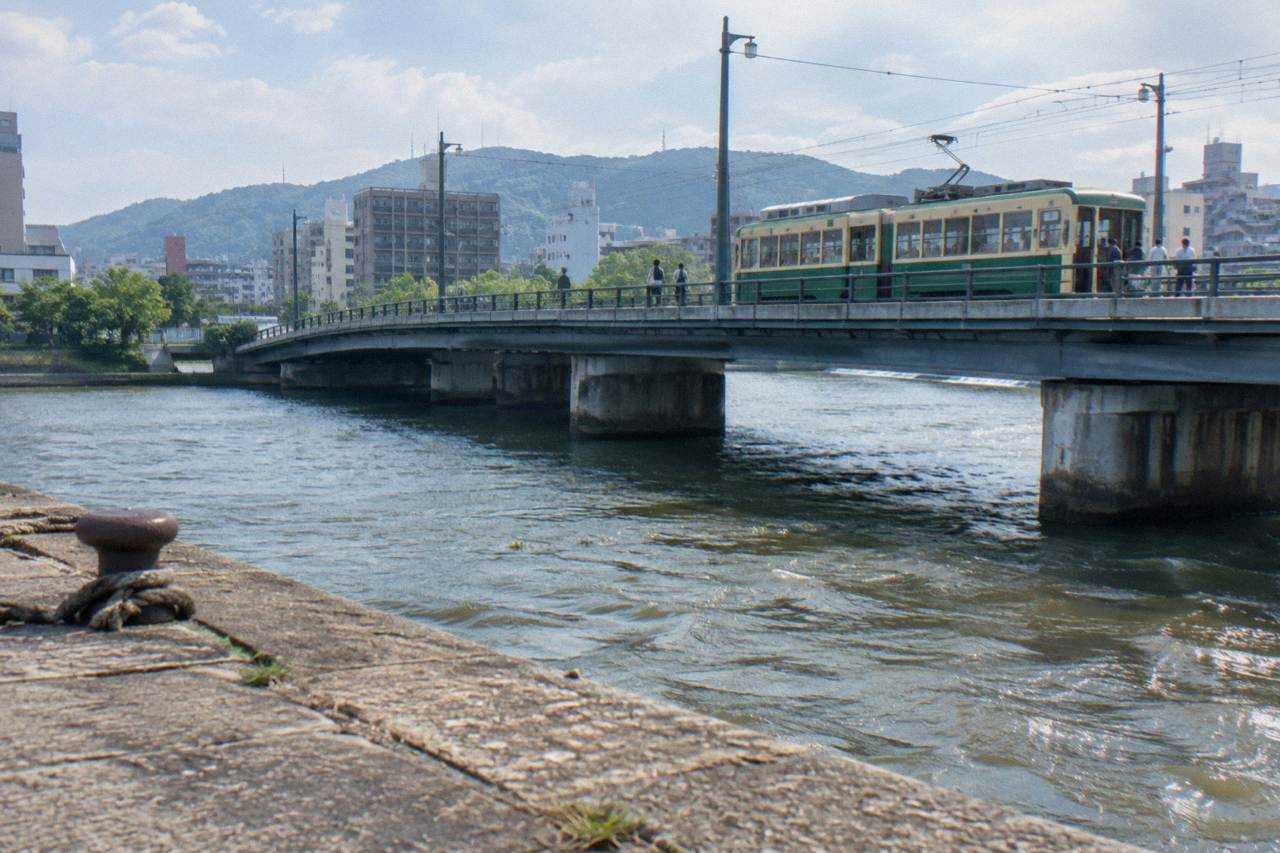
What Is The Visit Hiroshima Tourist Pass And What Does It Cover In Hiroshima?
The Visit Hiroshima Tourist Pass is a multi-operator transport ticket for Hiroshima that, per the Hiroden ticket page, covers all Hiroden streetcar lines, the Miyajima ferries run by Matsudai Kisen and JR West, and designated city buses from six operators, including the Meipuru-pu sightseeing bus. It exists as a 1-day paper ticket, a 24-hour digital ticket, and 2-day and 3-day versions with the same core coverage.
The bus coverage adds the six operating companies within the mapped central area: Hiroshima Electric Railway, Hiroshima Bus, Hiroshima Kotsu, Geiyo Bus, Chugoku JR Bus and HD Nishihiroshima (Bon-Bus), as reported by the Hiroden ticket page.
The pass is the English name for what the operator calls the "Hiroshima Tabi Pass". It is sold in paper form at counters in the city and in digital form through the MOBIRY TRAVEL website, with the digital versions running on the clock: 24, 48 or 72 hours from activation. For planning a first visit, the getting around Hiroshima guide puts the streetcar network at the centre of the picture, and the pass is effectively a bundle of that network plus the island boats plus the city buses.
One point to hold onto early: the pass covers the ferry crossing itself, but not the Miyajima visitor tax. That 100 yen charge is separate, paid at the Miyajimaguchi terminal, and applies to every visitor entering the island regardless of which ticket brought them there. The Hiroshima to Miyajima guide covers the crossing in detail.
How Much Does The Hiroshima Tourist Pass Cost?
The Visit Hiroshima Tourist Pass costs 1,000 yen for one day, 1,500 yen for two days and 2,000 yen for three days, all with the same core coverage of Hiroden streetcars, both Miyajima ferries and central Hiroshima buses, per the Hiroden ticket page. A wider 3-day Middle Area version costs 4,500 yen and adds selected suburban buses and designated express buses.
The 2-day and 3-day prices are those listed on the Hiroden page. The Middle Area version costs more because it stretches well beyond the city: it adds selected suburban buses in Kure, Takehara, Mihara, Miyoshi, Shobara, Higashihiroshima and Iwakuni, plus designated express buses on the Sandankyo Line, Kurea Line, Kaguyahime, Miyoshi-Shobara and Hiroshima-Iwakuni routes, each usable twice. Reported sales of the Middle Area version began in March 2024, with usage from April 2024.
| Pass version | Adult price | Coverage |
|---|---|---|
| 1-day paper / 24-hour digital | 1,000 yen | Hiroden streetcars, Miyajima ferries, central city buses |
| 2-day paper / 48-hour digital | 1,500 yen | Same core coverage |
| 3-day paper / 72-hour digital | 2,000 yen | Same core coverage |
| 3-day Middle Area | 4,500 yen | Core coverage plus suburban buses in Kure, Takehara, Mihara, Miyoshi, Shobara, Higashihiroshima and Iwakuni, plus designated express buses usable twice |
Buyers also receive digital coupons for discounts at tourist facilities and restaurants, valid only during the pass usage period, per the Hiroden English pass page. That is a small side benefit rather than a reason to buy, but it is part of what the price includes.
A digital version of the pass can also be bought through this site's booking partner:
Does The Hiroshima Tourist Pass Include The Miyajima Ferry?
Yes, the pass covers the Miyajima ferry crossings of both operators, Matsudai Kisen and JR West, on the route between Miyajimaguchi and the island, per the Hiroden ticket page. The crossing takes about 10 minutes, with JR departures roughly every 15 minutes through the day. The 100 yen Miyajima visitor tax is not included and must be paid separately at the Miyajimaguchi terminal vending machine.
This ferry inclusion is what separates the tourist pass from a plain city tram ticket. The streetcar ride out to Miyajimaguchi is covered by the pass, the ferry is covered, and the streetcar ride back is covered, so the whole journey from central Hiroshima to the island and back runs on one ticket apart from the visitor tax. The JR ferry page lists Great Torii sailings between 9:10 and 16:10 for boats that route past the gate, and Matsudai Kisen runs its own timetable at roughly 15-minute intervals.
For visitors heading to Itsukushima Shrine, the shrine's admission page lists 300 yen for adults, 200 yen for high school students and 100 yen for elementary and junior high students, with a combined ticket covering the Treasure Hall at 500 yen for adults. None of that is transport, so none of it is covered by any pass. The Itsukushima Shrine guide carries the full admission and hours detail.
The tide decides how the Great Torii looks on arrival, walkable at low water and appearing to float at high water, so the live Hiroshima Bay tide block on the shrine and Miyajima pages is the reference for timing a crossing rather than any fixed statement here.
How Do The Hiroden One-Day Passes Compare With The Tourist Pass?
Hiroden sells its own cheaper day passes: a streetcar-only 1-day pass at 700 yen for adults and 350 yen for children covering all Hiroden lines, and a 1-day streetcar and ferry pass at 1,000 yen for adults and 550 yen for children that adds the Miyajima ferry, per the Hiroden day-pass page. The streetcar and ferry version matches the 1-day tourist pass price but does not include the city buses.
The distinction matters for how a day is planned. A visitor spending one day on streetcars and the Miyajima ferry gains nothing over the Hiroden streetcar and ferry pass unless a bus ride is actually going to happen. A visitor using the Meipuru-pu loop or any of the six city bus operators gets that coverage only on the tourist pass. The streetcar and ferry pass also includes a discount on the Miyajima Ropeway, per the same page, and the ropeway's own fare page lists 2,000 yen for an adult return ticket.
| Ticket | Adult | Child | Covers |
|---|---|---|---|
| Hiroden single fare, city zone | 240 yen | 120 yen | One streetcar ride, flat fare since February 2025 |
| Hiroden 1-day streetcar pass | 700 yen | 350 yen | All Hiroden lines, one calendar day |
| Hiroden 1-day streetcar and ferry pass | 1,000 yen | 550 yen | All Hiroden lines plus Miyajima ferry, ropeway discount |
| Visit Hiroshima Tourist Pass, 1-day | 1,000 yen | - | Hiroden lines, Miyajima ferries, central city buses, facility coupons |
The single fare is the baseline for all of this. Since 1 February 2025 the Hiroden flat fare has been 240 yen for adults and 120 yen for children on all lines including the Miyajima line.
Do JR West Area Passes Cover Hiroshima And Miyajima?
JR West sells two regional passes that reach Hiroshima: the Kansai-Hiroshima Area Pass at 17,000 yen for adults and 8,500 yen for children for 5 consecutive days, and the Hiroshima-Yamaguchi Area Pass at 15,000 yen for adults and 7,500 yen for children for 5 days, per the JR West pass pages. Both require a foreign passport with a Temporary Visitor stamp, and the Kansai-Hiroshima pass covers reserved seats on the Sanyo Shinkansen between Shin-Osaka and Hiroshima plus the JR West Miyajima Ferry.
These are a different species of ticket from the city pass. The Kansai-Hiroshima Area Pass covers the Shinkansen from Shin-Osaka to Hiroshima, JR limited expresses and local lines in the area, and the JR ferry to Miyajima. It does not cover the Sanyo Shinkansen beyond Hiroshima to Hakata, or the Tokaido Shinkansen. The Hiroshima-Yamaguchi Area Pass covers JR lines in its area including Sanyo Shinkansen segments from Mihara to Hakata. Both allow up to two children aged 1 to 5 free per adult or child pass holder.
| JR West pass | Adult | Child | Days | Key coverage |
|---|---|---|---|---|
| Kansai-Hiroshima Area Pass | 17,000 yen | 8,500 yen | 5 | Sanyo Shinkansen Shin-Osaka to Hiroshima, limited expresses, local JR lines, JR Miyajima Ferry |
| Hiroshima-Yamaguchi Area Pass | 15,000 yen | 7,500 yen | 5 | JR lines in the area including Sanyo Shinkansen Mihara to Hakata |
The JR West passes do not cover the Hiroden streetcars or the city buses, so a visitor arriving on one still needs either single fares or a local pass for getting around inside Hiroshima. The JR Pass for Hiroshima guide works through the national-pass arithmetic, and the day trip from Osaka guide covers the Shinkansen corridor these regional passes serve.
When Does A Hiroshima Pass Actually Pay Off?
A 700 yen Hiroden day pass pays off once a day includes several streetcar rides, since single fares are a flat 240 yen each and repeat rides add up fast. The 1,000 yen tourist pass pays off once the Miyajima ferry is in the day, because two ferry crossings plus streetcar rides in the city quickly exceed the pass price even before any bus ride is counted.
The arithmetic is simple enough to run on a phone using the single fare. A day that adds Miyajima involves the streetcar out to Miyajimaguchi and the ferry across, and on the Hiroden streetcar and ferry pass those are bundled at 1,000 yen, the same price as the tourist pass but without the buses. Other pages covering the same trip are gathered on Hiroshima Travel Guide.
| Day plan | Transport needed | Cheapest ticket |
|---|---|---|
| Museum and Peace Park only, walking between | Few streetcar rides | Single fares at 240 yen each |
| Park, castle area and Shukkeien by streetcar | Several streetcar rides | 700 yen day pass |
| City morning plus Miyajima afternoon | Streetcar rides plus 2 ferry crossings | 1,000 yen tourist pass or streetcar and ferry pass |
| Two days with Miyajima and city buses | Mixed streetcar, ferry and bus rides | 1,500 yen 2-day tourist pass |
The visitor tax sits outside every one of these columns: 100 yen, charged on entering Miyajima, preschool children exempt, per the JR ferry fare page. The Hiroshima trip cost guide folds these transport figures into a full daily budget.
For pairing the pass with a guided day that handles the itinerary instead, the UNESCO sites tour is the natural companion, since it moves the logistics off the pass question entirely:
Where Can You Buy The Hiroshima Tourist Pass?
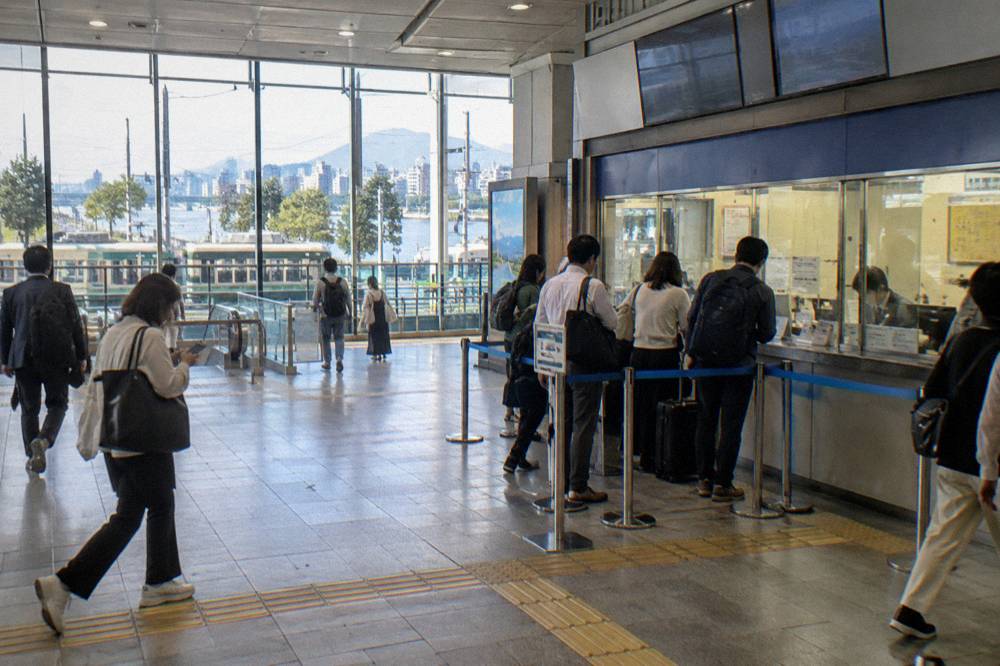
Paper Visit Hiroshima Tourist Pass tickets can be purchased up to 7 days before the start date at the JR Hiroshima Station Shinkansen exit bus ticket counter, Hiroshima Bus Center, multiple Hiroden sales offices, the Peace Memorial Park Rest House and the Hiroshima Airport domestic counter, per the Hiroden ticket page. Digital tickets are bought through the MOBIRY TRAVEL website and must be activated within 90 days of purchase.
The 7-day advance window on paper tickets is a reported detail from the Hiroden page and worth knowing for anyone landing at Hiroshima Airport and wanting the pass valid from day one. The airport counter is in the domestic terminal, and the Hiroshima airport guide covers the limousine bus connection into the city, which is a separate fare: 1,500 yen adult to Hiroshima Station, and not covered by the tourist pass.
Paper passes need the date scratched or stamped, and the pass must be shown to staff when alighting from streetcars or buses, per the Hiroden English page. On the Middle Area version's express buses, users must show the stamped date, tear off the express bus coupon and deposit it in the fare box, as the ticket page reports. None of this is complicated, but it explains why the paper ticket stays a physical souvenir of the date rather than a phone screen.
What Does The Hiroshima Tourist Pass Not Cover?
The Visit Hiroshima Tourist Pass excludes JR trains, the Hiroshima Airport limousine buses, the Kure-Hiroshima Airport bus, most other express buses, midnight buses, community buses, event buses and regular sightseeing buses, per the Hiroden English pass page. It is also not valid on the route to The Outlets Hiroshima, where an extra 200 yen applies from Koi Shiroyama Memorial Hills stop.
The JR exclusion is the one that catches visitors out. The Shinkansen, the JR local lines and any JR express into the city are all separate fares, which is why travellers coming from Osaka, Kyoto or Tokyo on JR tickets often pair a regional pass with the city pass rather than expecting one to do both jobs. The Osaka to Hiroshima guide and the Tokyo to Hiroshima guide cover those corridors.
Admission fees are a separate matter from transport entirely. The Peace Memorial Museum charges 200 yen for adults, Shukkeien charges 350 yen for adults with school students free, and Itsukushima Shrine charges 300 yen for adults, and no transport pass touches any of those. The Peace Memorial Museum guide and the Shukkeien Garden guide carry those figures with their hours and seasonal detail.
| Item | Covered by tourist pass? | Cost if not |
|---|---|---|
| Hiroden streetcar ride | Yes | 240 yen adult single |
| Miyajima ferry, both operators | Yes | Payable per crossing |
| Miyajima visitor tax | No | 100 yen at Miyajimaguchi terminal |
| Airport limousine bus | No | 1,500 yen adult to Hiroshima Station |
| JR trains including Shinkansen | No | Separate JR fares or a JR West pass |
| Museum and garden admissions | No | 200 yen Peace Museum, 350 yen Shukkeien, 300 yen Itsukushima |
Is The Digital Or Paper Version Of The Pass Better?
The digital Visit Hiroshima Tourist Pass, bought via the MOBIRY TRAVEL website, runs on hours rather than calendar days, with 24, 48 and 72-hour options activated within 90 days of purchase, per the Hiroden ticket page. The paper version runs on calendar days, can be bought up to 7 days ahead at city counters, and needs its date scratched or stamped before first use.
The choice comes down to when the travel actually starts. A paper 1-day pass bought on the morning of use covers that calendar day regardless of when boarding begins. A 24-hour digital pass activated at 2 p.m. runs to 2 p.m. the next day, which suits an itinerary that starts mid-afternoon with an evening in the city and a Miyajima morning after. Neither version covers the airport bus, so the clock question starts at the city boundary either way.
How Do Passes Fit A First Visit To Hiroshima?
For a first visit built on the standard pattern, Peace Memorial Park and the museum, the castle area and Shukkeien, then Miyajima, a 1-day or 2-day Visit Hiroshima Tourist Pass covers every leg except the Miyajima visitor tax and admissions, per the coverage list on the Hiroden ticket page. The itinerary pages for one day and two days map cleanly onto the streetcar and ferry network the pass rides.
The Hiroshima in one day guide and the Hiroshima and Miyajima in one day guide both lean on the Miyajima line streetcar and the ferry, which is exactly the bundle the pass prices. Anyone stretching to three days and adding Iwakuni or the Saijo sake district crosses into Middle Area territory, where the 4,500 yen version and its twice-usable express buses come into play, with the Saijo sake district guide and the Iwakuni guide covering what waits at the far end.
Does Weather Or Season Change The Pass Decision?
No season changes what the pass covers, but the Japan Meteorological Agency station normals for Hiroshima, 1991 to 2020, show July is the wettest month at 279.8 mm of rain and January the driest at 46.2 mm, with August the warmest at an average daily high of 32.8 °C, and wet days push more of a day's movement onto streetcars and buses, which the pass already includes.
The climate normals matter less for the pass price than for the shape of the day. A rainy August day built on the museum, Okonomimura and the Hondori arcade keeps a visitor on the streetcars between covered stops, and the Hiroshima rainy day guide plans for exactly that. A dry November day aimed at the Momijidani maple colour, which typically peaks mid to late November, puts the ferry and the ropeway at the centre instead, and the Miyajima autumn leaves guide carries that timing.
| Month | Average daily high | Average daily low | Rain mm |
|---|---|---|---|
| January | 9.9 °C | 2.0 °C | 46.2 |
| April | 19.8 °C | 10.1 °C | 141.0 |
| July | 30.9 °C | 24.1 °C | 279.8 |
| August | 32.8 °C | 25.1 °C | 131.4 |
| October | 23.7 °C | 14.9 °C | 109.2 |
| November | 17.7 °C | 8.9 °C | 69.3 |
The best time to visit Hiroshima guide and the Hiroshima weather guide work through the full year table, and the cherry blossom pages add the JMA specimen-tree dates, an average first bloom of 25 March and full bloom of 4 April over 30 years of records.
What Do The Passes Mean For Where You Stay?
Where you stay in Hiroshima changes how many paid rides a day needs, and the Hiroden route data shows the main line covers 2.2 km from Hiroshima Station to the Genbaku Dome-mae stop near the Atomic Bomb Dome, with streetcars running at 10 to 15 minute intervals on main lines and last departures from the station area around 22:00 to 23:00 depending on line and direction.
A stay near the Peace Park or along Hondori, where the where to stay in Hiroshima guide places several walkable options, can leave a visitor on foot for whole days, which weakens the case for any day pass. A stay by Hiroshima Station flips that, putting the streetcar ride to the Peace Park area into the day's plan from the first morning. The station-adjacent hotel stock in the Hiroshima station area guide pairs naturally with the 2-day tourist pass for exactly that reason.
The reported detail that the Hiroden tram now enters the Hiroshima Station building, since August 2025, tightens that pairing further: a station hotel and a station tram platform make the pass a door-to-door product on the Miyajima line. The Hiroshima station guide carries the terminal layout.
Common Questions About The Hiroshima Tourist Pass
Does The Hiroshima Tourist Pass Cover The Miyajima Ferry?
Yes. Per the Hiroden ticket page, the Visit Hiroshima Tourist Pass covers the Miyajima ferries of both Matsudai Kisen and JR West, along with all Hiroden streetcar lines and designated city buses. The 100 yen Miyajima visitor tax is separate and paid at the Miyajimaguchi terminal.
How Much Is The Visit Hiroshima Tourist Pass?
The pass costs 1,000 yen for one day, 1,500 yen for two days and 2,000 yen for three days with the same core coverage, per the Hiroden ticket page. A 3-day Middle Area version costs 4,500 yen and adds suburban buses in Kure, Takehara, Mihara, Miyoshi, Shobara, Higashihiroshima and Iwakuni plus designated express buses usable twice.
Is The Hiroden One-Day Pass Cheaper Than The Tourist Pass?
Yes. The Hiroden streetcar-only day pass costs 700 yen for adults and 350 yen for children, and the streetcar and ferry version costs 1,000 yen for adults and 550 yen for children, per the Hiroden day-pass page. The tourist pass costs more than the tram-only version because it adds the city buses and facility discount coupons.
Can You Buy The Hiroshima Tourist Pass At The Airport?
Yes. Paper tickets can be purchased up to 7 days before the start date at the Hiroshima Airport domestic counter, as well as at the JR Hiroshima Station Shinkansen exit bus ticket counter, Hiroshima Bus Center, multiple Hiroden sales offices and the Peace Memorial Park Rest House. Digital versions are bought via the MOBIRY TRAVEL website and activated within 90 days.
Does The Hiroshima Tourist Pass Cover The Shinkansen?
No. The pass excludes JR trains entirely, including the Shinkansen, and also excludes the Hiroshima Airport limousine buses and most express buses. Shinkansen coverage to Hiroshima comes from the JR West regional passes, the Kansai-Hiroshima Area Pass at 17,000 yen or the Hiroshima-Yamaguchi Area Pass at 15,000 yen for adults, both for 5 consecutive days.
Is The Miyajima Visitor Tax Included In The Pass?
No. The Miyajima visitor tax of 100 yen is charged separately when entering the island, is not included in any Visit Hiroshima Tourist Pass, and is paid at the Miyajimaguchi ferry terminal vending machine. Preschool children are exempt from the tax.