How Much A Hiroshima Trip Costs
Admission, transport and pass prices for a Hiroshima trip, in yen, drawn from the museums, transit operators and shrine that set them.
Hiroshima is a low-admission city: the Peace Memorial Museum is 200 yen, the Hiroden streetcar flat fare is 240 yen, and a one-day streetcar pass is 700 yen, so a day of sightseeing costs far less than the rail fare to reach the city.
The big line in any Hiroshima budget is usually the rail fare to get there, not what waits on arrival. This page sets out every cost figure the primary sources publish, in yen, so a realistic daily budget can be built from the ground up.
What Does A Day Of Sightseeing In Hiroshima Cost?
A full day of paid sightseeing in Hiroshima runs to only a handful of small fees per person in admission and local transport, before food. The Peace Memorial Museum is 200 yen for adults, Shukkeien garden is 350 yen, the Hiroden streetcar charges a flat 240 yen per ride, and a one-day streetcar pass covering unlimited rides is 700 yen, so even an ambitious day stays in pocket-change territory.
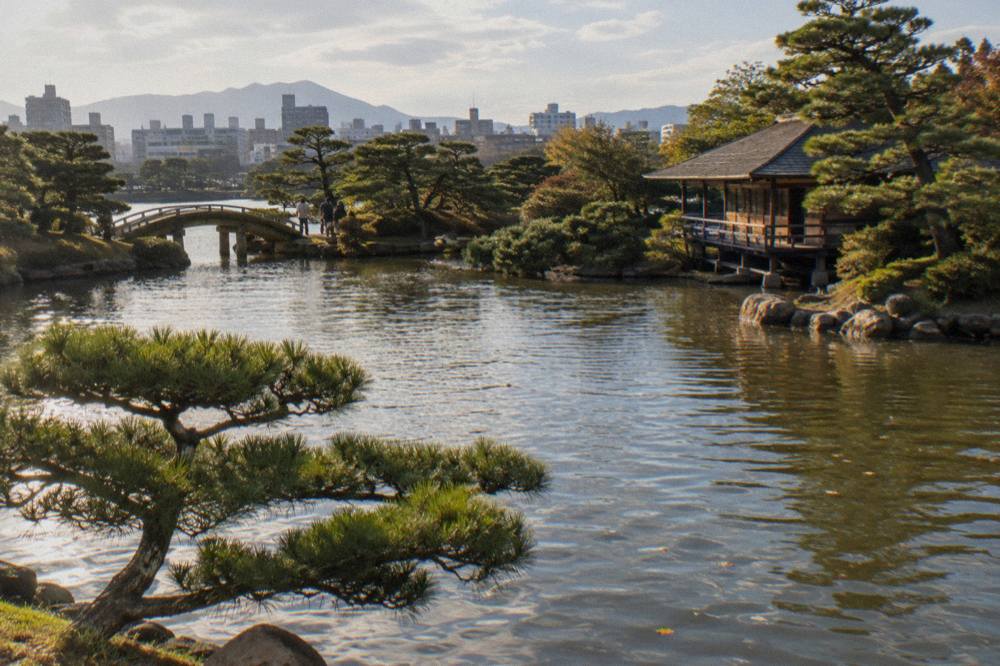
That figure comes straight from the operators. The museum's own practical-information page lists 200 yen for adults, meaning college students and up, 100 yen for high school students, and free entry for junior high school students and younger, with visitors aged 65 and over paying 100 yen on showing a passport. Shukkeien, the strolling garden a short streetcar ride from the centre, charges 350 yen for adults, 150 yen for university students, and has admitted school students free since 14 April 2025. Peace Memorial Park itself is free to enter and, per the city's park page, open 24 hours year-round with no closing days.
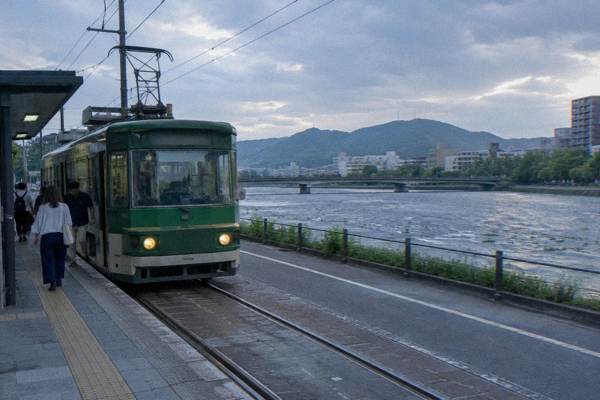
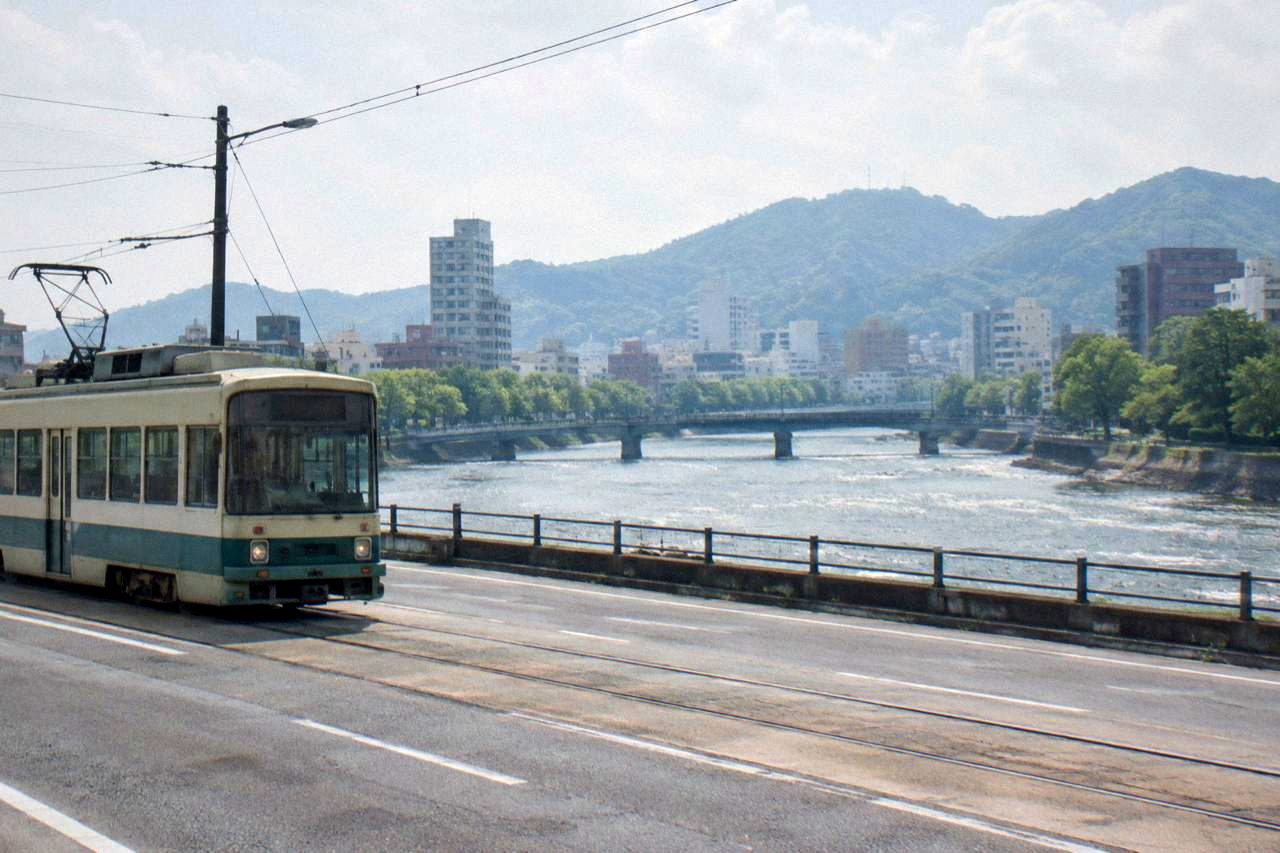
The Hiroden streetcar network holds the rest of the budget together. Since 1 February 2025 the flat fare has been 240 yen for adults and 120 yen for children on every line, including the long Miyajima line out to Miyajimaguchi. Two rides and one museum entry therefore land under 700 yen, which is exactly the price of the one-day streetcar pass, 700 yen for adults and 350 yen for children: anyone planning three or more rides in a day crosses the break-even point. The pass is sold at the Hiroshima Station transportation information centre, major hotels and on board the trams.
A reasonable planning table for the core city sights, using only published fees:
| Item | Adult price | Concessions |
|---|---|---|
| Peace Memorial Museum | 200 yen | High school 100 yen, 65+ 100 yen with passport, junior high and younger free |
| Peace Memorial Park | Free | Free, open 24 hours |
| Shukkeien garden | 350 yen | University 150 yen, school students free |
| Hiroshima Castle grounds | Exterior and grounds only, keep closed since 22 March 2026 | Sannomaru history museum planned for 1 June 2027 |
| Hiroden single ride | 240 yen | Child 120 yen |
| Hiroden one-day streetcar pass | 700 yen | Child 350 yen |
| Meipuru-pu loop bus one-day pass | 600 yen | Per the city transportation listing |
One dated item matters here: the Hiroshima Castle keep closed permanently to visitors on 22 March 2026, so no keep admission should be budgeted at all. The castle exterior and grounds remain viewable, and a Sannomaru history museum is planned for 1 June 2027. Visitors weighing how the city's sights stack up can start with the overview at things to do across Hiroshima.
What Do The Main Hiroshima Attractions Charge For Entry?
The Peace Memorial Museum lists adults at 200 yen, high school students at 100 yen, junior high and younger free, groups of 30 or more at 160 yen each, and visitors aged 65 and over at 100 yen with a passport.
The museum's hours shape the budget too. The museum's page lists 7:30 to 19:00 from March to July and September to November, 7:30 to 20:00 in August, extending to 21:00 on 5 and 6 August, and 7:30 to 18:00 from December to February, with last entry 30 minutes before closing. It closes on 30 and 31 December and in mid-February for exhibit changes. Some early-morning slots between 7:30 and 8:30 and certain evening slots require prior online reservation, a planning detail rather than a cost.
Across the river, the A-Bomb Dome is viewable from outside its fence at no charge, per the city's page on the site. There is no ticket, no queue fee and no timed entry, so the two anchors of any peace-themed itinerary together cost 200 yen total. For context on how the pieces fit together, the itinerary page for three days in Hiroshima sequences them.
Shukkeien's fee schedule is worth a second look because it changed recently. The official garden site now lists 350 yen for adults, 150 yen for university students and free entry for elementary through high school students, a structure in place since 14 April 2025, replacing an older and lower schedule that still circulates on many travel pages. Hours run 9:00 to 18:00 from 16 March to 15 September and 9:00 to 17:00 from 16 September to 15 March, with last entry 30 minutes before closing.
Booked activities sit outside the admission budget because their prices are set by the operators who run them rather than by posted admission signage. Two examples from the city itself: a traditional archery session, and a guided group visit that pairs the Peace Memorial Park, the museum and the A-Bomb Dome with commentary. Both are covered further down this page with live pricing.
How Much Does Local Transport In Hiroshima Cost?
The Hiroden streetcar charges a flat 240 yen for adults and 120 yen for children on every line including the Miyajima line, the one-day streetcar pass is 700 yen for adults and 350 yen for children, and a combined one-day streetcar and ferry pass is 1,000 yen for adults and 550 yen for children including the Miyajima Visitor Tax, figures published on the Hiroden fare pages.
The Hiroden network is the budget traveller's friend precisely because the fare is flat. Hiroden's schedule page lists trams on main routes roughly every 10 to 15 minutes.
| Transport item | Adult price | Notes |
|---|---|---|
| Hiroden single ride, any line | 240 yen | Child 120 yen, flat fare since 1 February 2025 |
| Hiroden 1-Day Streetcar Pass | 700 yen | Child 350 yen, unlimited rides |
| 1-Day Streetcar and Ferry Pass | 1,000 yen | Child 550 yen, valid on Matsudai Kisen ferry, includes Miyajima Visitor Tax |
| JR Sanyo Line, Hiroshima Station to Miyajimaguchi | 420 yen one way | About 25 to 30 minutes |
| Meipuru-pu loop bus one-day pass | 600 yen | City loop bus |
| Astram Line one-day pass | 950 yen | Reported on the city FAQ |
The combined streetcar and ferry pass deserves a close look for any Miyajima day. At 1,000 yen it bundles unlimited streetcar rides with the Matsudai Kisen ferry crossing and the 100 yen Miyajima Visitor Tax, and Hiroden's bargain-ticket page reports it also carries a discount on the Miyajima Ropeway, cutting the adult round trip from 2,000 yen to 1,500 yen. Against the bare 700 yen streetcar pass, the ferry-and-ropeway bundle can pay for itself in a single island day. The full crossing logistics are laid out on the guide to getting from Hiroshima to Miyajima.
What Does The Shinkansen To Hiroshima Cost?
The Shinkansen fare to Hiroshima depends sharply on the starting city: the discounted one-way Sanyo Shinkansen fare from Osaka for foreign Temporary Visitors is 7,900 yen for adults, the Nozomi fare from Kyoto is 10,770 yen unreserved and 11,940 yen reserved, so the rail ticket can cost many times more than everything spent inside the city.
Arriving by air instead of the train. Book a flight to Hiroshima here.
Those are the published regular fares. From Kyoto, the green car fare is 15,600 yen. Nozomi trains run direct between Tokyo and Hiroshima multiple times per hour from approximately 06:00 to 20:00, and the fastest Kyoto-Hiroshima Nozomi takes about 1 hour 40 minutes, while the Shin-Osaka to Hiroshima run is reported at about 80 to 85 minutes.
| Route | Unreserved | Reserved | Green car |
|---|---|---|---|
| Kyoto to Hiroshima (Nozomi) | 10,770 yen | 11,940 yen | 15,600 yen |
For a Kansai-based itinerary, one pass changes the arithmetic: the Kansai-Hiroshima Area Pass costs 17,000 yen for adults and 8,500 yen for children for five consecutive days and covers reserved seats on the Sanyo Shinkansen between Shin-Osaka and Hiroshima plus the JR West Miyajima Ferry. Set the 17,000 yen pass against two 7,900 yen one-way fares from Osaka, and any traveller adding further JR travel in the region crosses the pass price quickly. The pass question is examined in full on the JR pass for Hiroshima page, and city-pair planning pages cover Tokyo to Hiroshima, Osaka to Hiroshima and Kyoto to Hiroshima.
One caution from the fare tables: the standard Japan Rail Pass does not cover Nozomi trains on the Tokyo-Hiroshima route. Pass holders ride Hikari services with a transfer at Shin-Osaka, taking about 4 hours 50 minutes. Day-trip framing for each origin, including how the timings fit the museum's opening hours, is on the itinerary pages for a day trip from Tokyo, from Osaka and from Kyoto.
How Much Does A Miyajima Day Add To The Budget?
A Miyajima day adds a small number of fixed charges: the Miyajima Visitor Tax is 100 yen per person collected with the ferry ticket on the way to the island, Itsukushima Shrine charges 300 yen for adults with a 500 yen combined shrine and Treasure Hall ticket, and the Mount Misen ropeway is 2,000 yen adult return, so the island's core costs are a short list of low fees before the ropeway.
The visitor tax applies to everyone of elementary school age and above, with preschool children exempt, and it is collected with the ferry ticket rather than at a separate booth. The JR West Miyajima Ferry crossing from Miyajimaguchi takes about 10 minutes, with departures roughly every 15 minutes during the day, the first departure around 6:25 and the last around 22:00; Great Torii route sailings, which pass in front of the shrine gate, run from 9:10 to 16:10. Japan Rail Pass and JR-West rail passes are valid on the JR ferry. Matsudai Kisen runs a competing ferry on its own timetable, also about every 15 minutes. The rest of the planning pages sit on Hiroshima Travel Guide.
| Miyajima item | Adult price | Notes |
|---|---|---|
| Miyajima Visitor Tax | 100 yen | Collected with inbound ferry ticket, preschool children exempt |
| Itsukushima Shrine | 300 yen | High school 200 yen, elementary and junior high 100 yen |
| Combined shrine and Treasure Hall ticket | 500 yen | High school 300 yen, elementary and junior high 150 yen |
| Mount Misen ropeway, return | 2,000 yen | One way 1,100 yen, child 1,000 yen return |
| Hiroden Streetcar and Ferry Pass holders, ropeway return | 1,500 yen | Reported discount with the 1,000 yen combined pass |
Itsukushima Shrine opens at 6:30 except on 1 January, and closing times that shift by season from 17:00 in December to 18:00 in the warmer months. The shrine's admission page notes that the corridor floorboards have gaps that allow high-tide water pressure to pass, and recommends comfortable shoes: a practical note that costs nothing. Repair work continues in places, with East Corridor reinforcement reported through December 2026 and five-storey pagoda repair to 2027, but the shrine is open throughout. The wider island picture, including tide timing around the Great Torii, is on the Miyajima guide.
What Does Food Cost In A Hiroshima Budget?
Food is the least precisely documented line in a Hiroshima budget, because the city's signature dishes are restaurant items whose prices each venue sets itself, but the shape of the costs is clear: okonomiyaki is a griddle-cooked pancake prepared in front of the diner, momiji manju are small maple-leaf-shaped cakes sold as street snacks, and anago-meshi is conger eel over rice, so a day of local eating spans a street snack, a counter lunch and a dinner stop.
Each restaurant in Okonomimura and the Nagarekawa lanes prices its own menu, so a planning page cannot carry a fixed price for an individual okonomiyaki plate. The food culture pages carry the detail: Hiroshima okonomiyaki and what to eat in Hiroshima.
A booked food or culture experience replaces an unpredictable restaurant line with a fixed, known price. A hands-on cooking class for the local dish is covered on the okonomiyaki cooking class page, and the traditional archery session below is a culture option with the same fixed-price character. For the archery experience, see the site's own tour page for traditional archery in Hiroshima, or Check availability directly.
When Do Hiroshima Costs Change With The Seasons?
Hiroshima's costs barely move with the seasons, because admissions and transit fares are fixed year-round, but the weather does: Japan Meteorological Agency station normals for 1991-2020 show July as the month with the highest rain total at 279.8 mm and January the lowest at 46.2 mm, with August the warmest at an average daily high of 32.8 °C and January the coolest at an average daily low of 2.0 °C, and those differences shape spending on indoor versus outdoor time.
The climate table itself, from the Japan Meteorological Agency station data for Hiroshima:
| Month | Average high °C | Average low °C | Rain mm |
|---|---|---|---|
| January | 9.9 | 2.0 | 46.2 |
| February | 10.9 | 2.4 | 64.0 |
| March | 14.5 | 5.1 | 118.3 |
| April | 19.8 | 10.1 | 141.0 |
| May | 24.4 | 15.1 | 169.8 |
| June | 27.2 | 19.8 | 226.5 |
| July | 30.9 | 24.1 | 279.8 |
| August | 32.8 | 25.1 | 131.4 |
| September | 29.1 | 21.1 | 162.7 |
| October | 23.7 | 14.9 | 109.2 |
| November | 17.7 | 8.9 | 69.3 |
| December | 12.1 | 4.0 | 54.0 |
The fixed-fee point matters for planning: the Peace Memorial Museum charges 200 yen in February and in August alike, and its hours actually extend in August, to 20:00, and to 21:00 on 5 and 6 August around the annual Peace Memorial Ceremony, held from 8:00 to 8:50 on 6 August in Peace Memorial Park. Season-by-season planning context sits on the best time to visit Hiroshima page, with the Hiroshima weather page carrying the full normals picture.
What Does A Realistic Hiroshima Day Budget Look Like?
A one-day Hiroshima city budget built entirely from published fees comes together from just three figures: 200 yen Peace Memorial Museum entry, 350 yen Shukkeien garden, and 700 yen for a one-day streetcar pass covering every tram ride, a structure that treats lunch and dinner as separate restaurant lines and excludes any booked activity.
Working the arithmetic helps. Museum at 200 yen plus garden at 350 yen is 550 yen in admission. Three or more streetcar rides at 240 yen each exceed the 700 yen pass, so the pass is the rational buy for anyone moving between the station, the peace park, Shukkeien and the castle area. Add the free peace park, the free A-Bomb Dome viewing and free walking between the central districts, and the fixed costs of a full city day are a short, fully published list.
| Budget line | One-day city plan | City plus Miyajima plan |
|---|---|---|
| Museum and garden | 550 yen | 550 yen |
| Hiroden travel | 700 yen (day pass) | 1,000 yen (streetcar and ferry pass) |
| Miyajima Visitor Tax | Not applicable | 100 yen |
| Itsukushima Shrine | Not applicable | 300 yen |
| Ropeway, optional | Not applicable | 2,000 yen, or 1,500 yen with the combined pass discount |
The Miyajima column shows why the combined pass earns its keep: it converts the island day from a set of separate fares into one 1,000 yen ticket and simultaneously knocks 500 yen off the ropeway. Against that, the JR Sanyo Line alternative to Miyajimaguchi, at 420 yen one way and about 25 to 30 minutes, suits travellers already holding a rail pass that covers the JR ferry crossing.
For multi-day framing, the three-day Hiroshima itinerary spreads these same fixed fees across a longer stay, and where to base the stay is covered in where to stay in Hiroshima. A day trip into the prefecture, such as the naval-city sights on the Kure day trip page, adds its own rail fares on top of the city budget.
Which Hiroshima Passes Actually Save Money?
Two Hiroshima passes clear the break-even test on the published arithmetic alone: the 700 yen Hiroden one-day streetcar pass pays off on a third ride of the day given the 240 yen flat fare, and the 1,000 yen streetcar and ferry pass pays off for any Miyajima day once the ferry crossing, the 100 yen visitor tax and unlimited tram rides are counted together, with the reported 1,500 yen ropeway discount as further upside.
The rail-side pass decision is bigger and depends on the origin city. The Kansai-Hiroshima Area Pass at 17,000 yen for five days beats two 7,900 yen Osaka one-way fares on its own once any additional JR travel in the covered region is added, and it includes reserved Sanyo Shinkansen seats and the JR ferry. From Tokyo, a Nozomi round trip costs far more than the Kansai pass, and the pass does not cover the Tokaido Shinkansen from Tokyo, so the comparison only works from Kansai origins. The full pass landscape, including what each area pass covers, is on the JR pass for Hiroshima page.
Common Questions About Hiroshima Trip Costs
Is Hiroshima Expensive To Visit?
No, and the published fees make the case plainly. The Peace Memorial Museum charges 200 yen, Shukkeien 350 yen, the streetcar flat fare is 240 yen and a full day pass is 700 yen, so a day of sightseeing is a short list of small fixed fees before food. The expensive line is usually the Shinkansen ticket to reach the city, at 7,900 yen one way from Osaka and 10,770 yen from Kyoto.
How Much Is The Hiroshima Peace Memorial Museum?
Adults pay 200 yen, high school students 100 yen, and junior high school students and younger enter free. Visitors aged 65 and over pay 100 yen on showing a passport, and groups of 30 or more pay 160 yen each.
Is The Hiroden Streetcar Pass Worth Buying?
At 700 yen against a 240 yen flat fare, the pass pays for itself on the third ride of the day. Anyone moving between Hiroshima Station, the peace park, Shukkeien and other districts in one day will typically pass that threshold, and the pass is sold at the station transportation information centre, major hotels and on board trams.
How Much Extra Does Miyajima Cost?
Budget 100 yen for the Miyajima Visitor Tax, 300 yen for Itsukushima Shrine admission or 500 yen for the combined shrine and Treasure Hall ticket, and 2,000 yen for the Mount Misen ropeway return if the summit is on the plan. The 1,000 yen streetcar and ferry pass bundles tram travel and the Matsudai Kisen ferry with the visitor tax and adds a reported ropeway discount.
Does The Kansai-Hiroshima Area Pass Save Money?
For Kansai-based travel it can. The pass costs 17,000 yen for adults for five consecutive days, covers reserved Sanyo Shinkansen seats between Shin-Osaka and Hiroshima, and includes the JR West Miyajima Ferry, while the regular Osaka-Hiroshima one-way fare is 7,900 yen.
What Is The Cheapest Way To Reach Miyajima From Hiroshima?
The Hiroden Line 2 streetcar runs from Hiroshima Station to Miyajimaguchi in about 66 minutes at the 240 yen flat fare, or unlimited rides on the 700 yen day pass. The JR Sanyo Line train covers the same corridor in about 25 to 30 minutes for 420 yen one way.
The pattern across every figure on this page is consistent: Hiroshima's own admissions and transit fares are small and stable, the passes have clean break-even points that can be checked before travel, and the only line worth long deliberation is the rail fare in.