Where To Stay In Hiroshima: Station, Downtown Or Peace Park?
Hiroshima splits neatly into three usable bases, the station area, the downtown core around Hacchobori and Hondori, and the Peace Park side of the Motoyasu River, plus one outlier, an overnight stay on Miyajima.
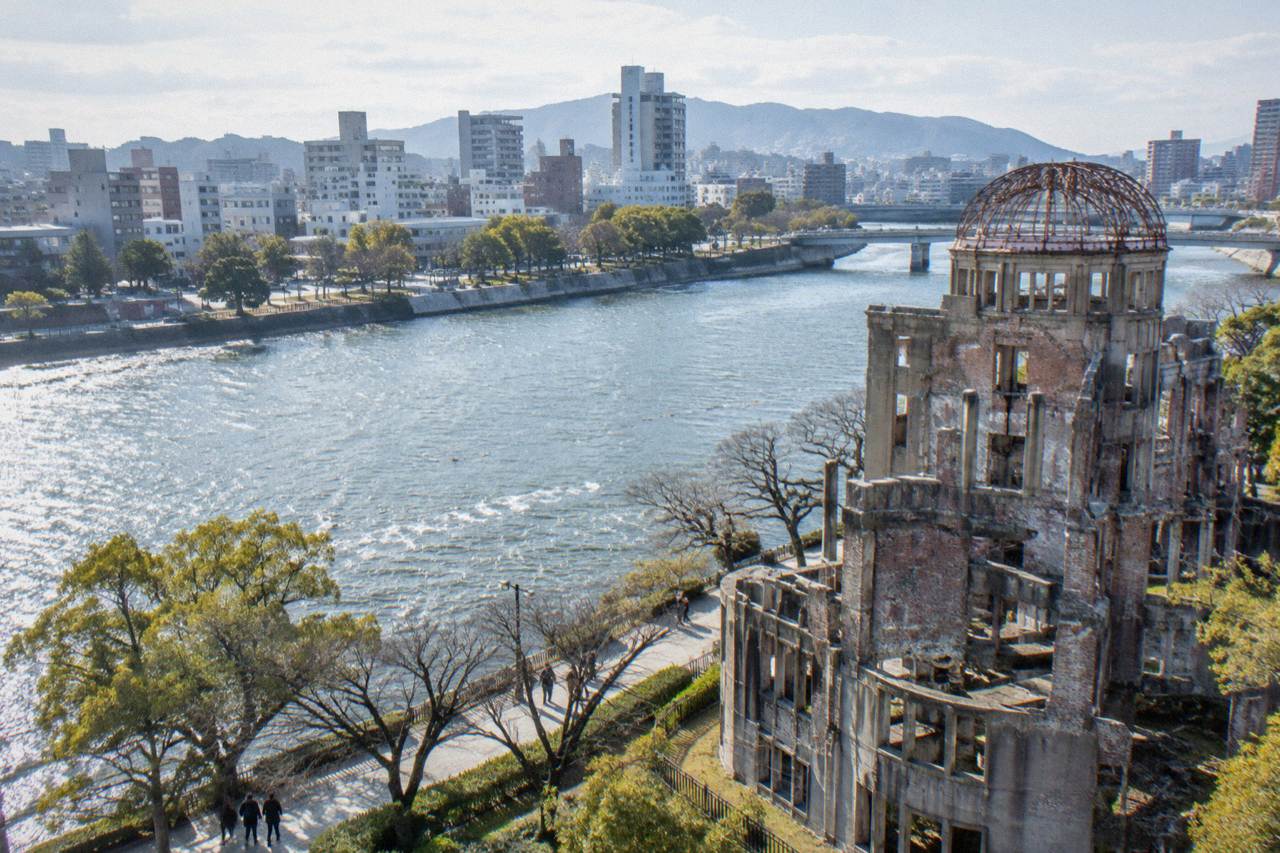
For a first visit, downtown Hiroshima between Hacchobori and the Peace Park is the most convenient base: the whole central area is flat and walkable, the Hiroden tram flat fare is 240 yen, and the Peace Memorial Museum, Hondori arcade and Hiroshima Station are all easy to reach by tram or on foot.
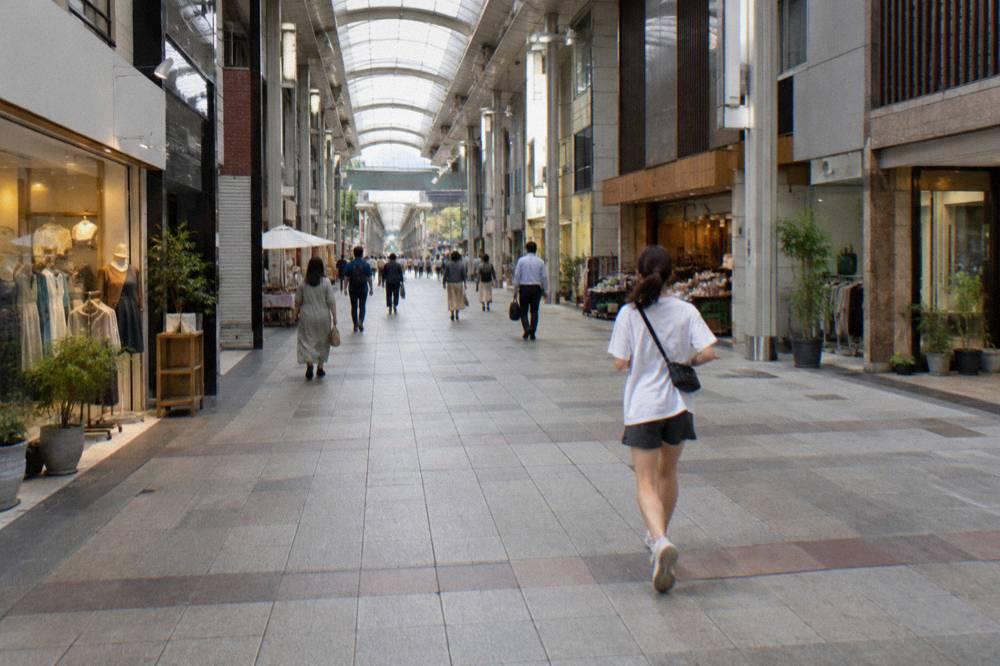
The park alone covers 122,100 square metres between the Motoyasu and Hon rivers, and the covered Hondori shopping arcade runs about 577 metres eastward from near the park edge. Choosing a base is therefore less about distance and more about which end of that belt fits the trip: transport-first travellers lean toward the station, walkers and eaters lean downtown, and anyone whose visit centres on the memorials often prefers the Peace Park side. Each area comes with the tram fares, times and hotel names the sources actually give, and the overnight alternative sits on Miyajima.
The transport backbone matters before any neighbourhood does. The Hiroden streetcar charges a flat 240 yen for adults and 120 yen for children on every line, including the Miyajima line, and the tram now serves the Hiroshima Station building directly, reported since 3 August 2025. A one-day streetcar pass costs 700 yen for adults and 350 yen for children, and a one-day streetcar-and-ferry pass covering Miyajima costs 1,000 yen for adults. Streetcars on main lines run at 10 to 15 minute intervals, with last departures from the station area typically around 22:00 to 23:00 depending on line and direction. For trip timing, see the best months to visit Hiroshima.
Where To Stay In Hiroshima: Which Base Suits Your Trip?
For almost every first visit, the strongest base is central downtown Hiroshima, the flat belt between Hacchobori and the Peace Memorial Park, because the whole downtown area and the park sit within about 25 minutes' walk of each other on flat terrain, and the Hiroden tram connects it all for a flat 240 yen adult fare. The station area wins only when the Shinkansen schedule dominates the trip, and the Peace Park side wins when the memorials are the single reason for coming. Miyajima is a different proposition entirely, an island base reached by a 10 minute JR ferry from Miyajimaguchi.
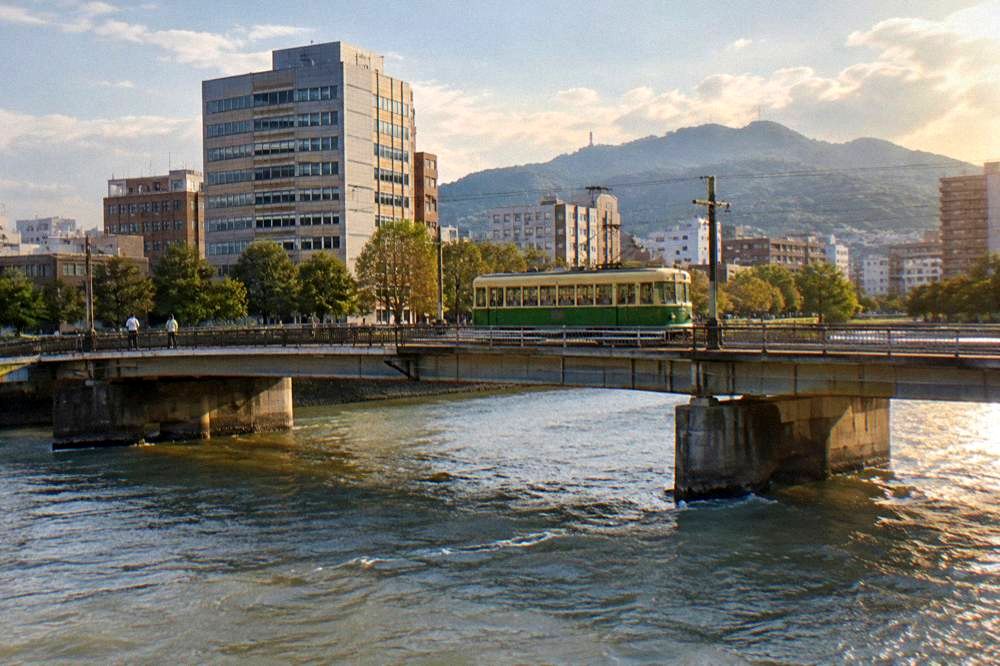
The numbers behind that judgement are short and verifiable. Hiroshima Station and the Peace Memorial Park are about 2 kilometres apart in a straight line, and the cumulative Hiroden main line distance from Hiroshima Station to Genbaku Dome-mae stop beside the park is 2.2 kilometres. By tram, lines 2 or 6 cover that run in a reported 7 minutes; independent guides put it at 15 to 20 minutes depending on traffic. Either figure leaves the whole city within a single cheap ride, which is why the choice of neighbourhood is about atmosphere rather than access.
| Area | Tram stops that serve it | Reported link to the core | Suits |
|---|---|---|---|
| Hiroshima Station area | Station terminal (2nd floor) | Starting point of every Hiroden line | Shinkansen arrivals, early departures, rail pass users |
| Hacchobori and Kamiyacho | Hacchobori, Kamiyacho | About 15 minutes by tram from the station | Restaurant and bar nights, shopping, walking everywhere |
| Peace Park and Nakajima | Genbaku Dome-mae, Hondori, Fukuro-machi | About 7 to 20 minutes by tram from the station | Memorial-centred visits, quiet riverside mornings |
| Miyajima (island) | Miyajimaguchi then ferry | 10 minute ferry from Miyajimaguchi | Torii at low and high tide, Mount Misen, slow evenings |
The comparison above is the short version. The rest of this page works through each area in turn, with the hotels the sources name, the admissions within walking reach of each base, and the walking and tram figures that make one base better than another for a given trip.
What Is The Best Area To Stay In Hiroshima?
Downtown Hiroshima around Hacchobori, Kamiyacho and the Hondori arcade is the best all-round area to stay, because it sits between the station and the Peace Park, the covered Hondori arcade runs about 577 metres from near the park eastward, and the eastern end of Hondori is about a 5 minute tram ride or 15 to 20 minute walk from Hiroshima Station. From downtown, the Peace Memorial Museum is about 400 metres west of the Hondori or Fukuro-machi tram stops, and the tram fare to reach those stops from the station is a flat 240 yen. Nothing in the central belt needs a transfer or a timetable.
Hondori deserves its place at the centre of this recommendation for a concrete reason: it is covered. Rain in Hiroshima is real, with July averaging 279.8 mm and June 226.5 mm in the Japan Meteorological Agency (JMA) 1991-2020 station normals, and a covered arcade between hotel and dinner has practical value in those months. The same normals show milder, drier winters, with January averaging 46.2 mm of rain and a mean daily low of 2.0 °C, so winter visitors walk more and care less about cover.
For anyone structuring a single day around both the park and the island, the itinerary page on spending one day in Hiroshima shows how the geography stacks up, and the wider list of things to do in Hiroshima covers the sights beyond the core belt.
Peace Park And Nakajima: Waking Up Next To The Memorials
Staying on the Peace Park side of the Motoyasu River puts the Atomic Bomb Dome, the Cenotaph and the Hiroshima Peace Memorial Museum within a short walk of the hotel door, with the museum's adult admission at 200 yen and the park itself open 24 hours a day with free admission and no closing days.
The practical case for this base is timing. The museum opens 7:30am across the year, closing at 7:00pm from March to July and September to November, 8:00pm in August, and 6:00pm from December to February, with 30 and 31 December closures plus a mid-February exhibit change. A hotel five minutes from the gate makes an early entry straightforward, and early morning slots from 7:30 to 8:30 require online reservation. Visitor behaviour at the park and museum follows simple etiquette rules, quiet exhibition rooms and no touching of displays, which the Peace Park etiquette guide sets out fully.
| Sight in or beside the Peace Park | Admission | Hours the official pages give |
|---|---|---|
| Peace Memorial Park grounds | Free, open 24 hours | No closing days |
| Hiroshima Peace Memorial Museum | 200 yen adult, 100 yen high school, free junior high and younger, 100 yen for 65+ with passport | 7:30am opening; 6:00pm to 8:00pm closing by season; closed 30 to 31 Dec and mid-February |
| National Peace Memorial Hall | Free | 8:30am to 6:00pm in the March to July season, with seasonal variations |
| A-Bomb Dome exterior | No fee | Viewable from outside the fence |
Hotel Mystays Hiroshima Peace Park, at 3-3-1 Otemachi with 284 rooms, is reported to sit close to the park. Grand Base Hiroshima Peace Memorial Park is at 1-7-9 Sakaimachi in Naka-ku, and Hotel Park Side Hiroshima Peace Park sits within walking distance of Hiroshima Castle. RIHGA Royal Hotel Hiroshima sits between the park and the castle, with city views from upper floors. Any of these makes a morning visit to the children's peace monument a two-minute errand rather than a tram trip.
The one trade-off is evening life. Visitors whose evenings matter more than their mornings should read the downtown section below before booking.
Hiroshima Station Area: The Transport-First Base
Around Hiroshima Station, the tram terminal is reported inside the station building on the 2nd floor since August 2025, the airport limousine bus reaches the Shinkansen exit in about 50 minutes for 1,500 yen, and the Peace Park is a flat 240 yen ride away. For arrivals by Shinkansen, reported journey times run about 80 to 85 minutes from Shin-Osaka and about 3 hours 45 minutes to 4 hours from Tokyo, so a station hotel turns a late arrival into a short walk to bed.
The station's own district page covers the immediate surroundings, and what to eat around Hiroshima Station answers the first question every station-side guest has. Via Inn Prime Hiroshima Shinkansen-guchi is a 2-minute walk from the south exit, the kind of hotel that exists to make early trains painless. The trade is atmosphere: the downtown belt, not the station, holds the covered arcade and the restaurant nights.
Getting from this base to the park is a solved problem with several answers, and the station-to-Peace-Park route guide compares them in full. The short version sits in the table below.
| Route from Hiroshima Station to the Peace Park | Reported time | Fare |
|---|---|---|
| Hiroden Line 2 or 6 to Genbaku Dome-mae | About 7 to 20 minutes | 240 yen adult, 120 yen child |
| Hiroden Line 1 to Hondori, then about 400 m walk west | About 15 minutes plus the walk | 240 yen adult |
| Meipuru-pu Orange Route loop bus to Genbaku Dome-mae | About 15 to 16 minutes | Check the bus |
| Hiroshima Bus No. 25 (Kusatsu Line) to Peace Memorial Park stop | Timetabled service | Check the bus |
| On foot | About 2 km straight line | Free |
Downtown Hiroshima: Hacchobori, Kamiyacho And The Arcade Belt
Hacchobori and Kamiyacho form Hiroshima's commercial middle, about a 15 minute tram ride from the station on lines 1, 2 or 6, with the covered Hondori arcade, the Mitsui Garden Hotel Hiroshima near the arcade, and the whole downtown area inside a 25 minute flat walk of the Peace Park sites. The district suits visitors who want restaurants, bars and shopping around the hotel and are happy to tram or walk to the memorials.
Staying here also puts the Hiroshima Museum of Art and the contemporary art spaces within reach on a rainy afternoon, which the JMA normals suggest is worth planning for: the station normals show 1,572.2 mm of rain across an average year, peaking in July.
The related walk above covers the memorial ground with a licensed guide, and the full Peace Park walking tour overview explains what a guided version adds. To book the flexible walking tour directly, use Check availability.
Downtown also holds the middle of the tram network. From Hacchobori or Kamiyacho the same flat 240 yen fare reaches the station eastward or the park westward, and the one-day passes, 700 yen for streetcars alone or 1,000 yen including the Miyajima ferry connection, only pay for themselves once a day's riding stacks up. Three single adult rides at 240 yen already exceed the 700 yen day pass, simple arithmetic a visitor can do against their own plan. The full index of guides sits on Hiroshima Travel Guide.
| Hiroden ticket | Adult | Child | Covers |
|---|---|---|---|
| Single ride, any line | 240 yen | 120 yen | One journey, includes the Miyajima line |
| One-day streetcar pass | 700 yen | 350 yen | All streetcars for one day |
| One-day streetcar and ferry pass | 1,000 yen | 550 yen | Streetcars plus the Miyajima ferry connection |
What Is The Best Hotel In Hiroshima?
No single hotel earns the title on the evidence: the sources name Hotel Mystays Hiroshima Peace Park, at 3-3-1 Otemachi with 284 rooms and a reported 4-minute walk to the park, Grand Base Hiroshima Peace Memorial Park and Hotel Park Side Hiroshima Peace Park, both a 5-minute walk from the park and dome respectively, plus Via Inn Prime by the station and Mitsui Garden Hotel and RIHGA Royal in the downtown belt. The right pick follows the area choice, not a ranking.
The honest framing is that each named hotel anchors one of the three bases. On the park side, Hotel Park Side's 5-minute walk to the Atomic Bomb Dome and 15-minute walk to Hiroshima Castle is the strongest location figure the sources give, while Grand Base offers apartment-style stays at 1-7-9 Sakaimachi. At the station, Via Inn Prime's 2-minute walk from the south exit suits rail-first trips. Downtown, Mitsui Garden Hotel Hiroshima sits near the Hondori arcade and RIHGA Royal Hotel Hiroshima sits between the park and the castle with city views from upper floors.
Check current rates and room types with each property when booking. The walking arithmetic, which no rate can change, is what separates these properties from each other.
Nagarekawa Nights And The Western Downtown Edge
Staying within walking distance of Hiroshima's Nagarekawa night district means the last-tram problem disappears, since Hiroden's final departures from the station area typically run between 22:00 and 23:00 depending on line and direction. The walk home is flat the whole way back toward the arcade belt, and distances stay inside the same 25-minute envelope that defines the whole downtown area. The district also serves as a base for Hiroshima at night exploration, from the izakaya rows to the skyline perspectives across the rivers.
One planning note belongs in this section because it shapes evenings citywide: the Peace Memorial Museum's late hours belong to August, 7:30am to 8:00pm, extending to 9:00pm on 5 and 6 August. Visitors in town for the 6 August Peace Memorial Ceremony, held 8:00 to 8:50 in Peace Memorial Park with about 7,000 seats plus about 2,200 indoor seats at the International Conference Center, usually want to be on the park side or downtown side rather than at the station; the August 6 ceremony guide covers the morning in detail.
Staying On Miyajima: The Overnight Alternative
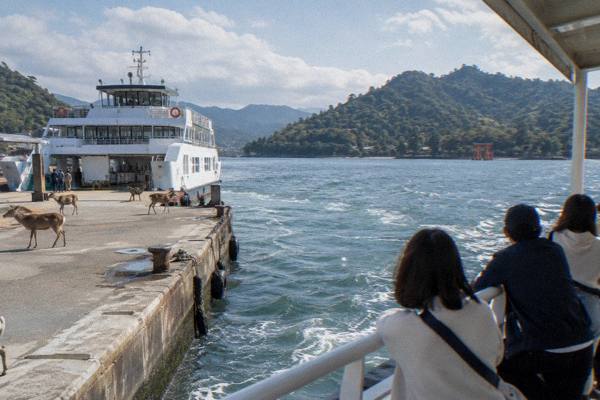
Miyajima, the island in Hiroshima Bay reached by a 10 minute JR ferry from Miyajimaguchi, is the one base outside the city, and it rewards an overnight stay because the Great Torii can be walked to at low tide and appears to float at high tide, a rhythm day-trippers mostly miss. The Miyajima Visitor Tax is 100 yen, charged separately on entering the island, and preschool children are exempt. JR ferries run roughly every 15 minutes from Miyajimaguchi from 8:00 into the evening, with a first departure from Miyajimaguchi at 6:25 and a last at 22:42.
The island's costs are modest and stated. Itsukushima Shrine charges 300 yen for adults, 200 yen for high school students and 100 yen for elementary and junior high students, with a combined shrine and Treasure Hall ticket at 500 yen for adults. The Mount Misen ropeway costs 2,000 yen return for adults, runs 9:00 to 16:00 with last descent at 16:30. Some corridor and pagoda repair is under way at the shrine, reported by the shrine's own construction page, and the shrine remains open. The full case for the ferry-and-fare arithmetic is on the Miyajima overnight itinerary.
Miyajima as a base suits a second or third night, not a substitute for the city. The tram from central Hiroshima to Miyajimaguchi runs on the same flat 240 yen fare as every other Hiroden line, so the island pairs naturally with a downtown hotel: ride out, stay over, ride back. Cyclists heading further afield have a separate question, and where to stay on the Shimanami Kaido covers that route's own lodging logic.
| Miyajima cost | Figure |
|---|---|
| Miyajima Visitor Tax | 100 yen, charged on entering the island, preschool children exempt |
| Itsukushima Shrine admission | 300 yen adult, 200 yen high school, 100 yen elementary and junior high |
| Shrine plus Treasure Hall combined ticket | 500 yen adult, 300 yen high school, 150 yen elementary and junior high |
| Mount Misen ropeway | 2,000 yen adult return, 1,100 yen one way; 9:00 to 16:00, last descent 16:30 |
Getting Around From Any Base: Trams, Buses And Feet
Every Hiroshima base runs on the same arithmetic: a flat 240 yen adult Hiroden fare on all lines including Miyajima, streetcars at 10 to 15 minute intervals on main lines, an airport limousine bus at 1,500 yen adult to the station's Shinkansen exit in about 50 minutes, and a downtown core flat enough that the Peace Park sites, Hondori and the museum quarter all sit within a 25 minute walk of each other. Fares are paid on exit, by IC card tap or cash in the fare box.
The airport connection deserves its own line because it fixes the first and last hotel decisions. The limousine bus serves two stops, Bus Stop 2 at the Hiroshima Station Shinkansen exit in about 50 minutes and Bus Stop 1 at the Hiroshima Bus Center in about 55 minutes, both at 1,500 yen adult and 750 yen child, with IC cards accepted. The Bus Center sits about 300 metres east of the Peace Park along Aioi Street, which quietly makes the park-side hotels almost as airport-friendly as the station ones.
To have data working the moment you land, book a Japan travel eSIM here.
Weather belongs in the same decision, and the JMA 1991-2020 station normals give the pattern without picking a season for anyone. August has the highest mean daily high at 32.8 °C; January the lowest mean daily low at 2.0 C. July carries the heaviest average rain at 279.8 mm, January the lightest at 46.2 mm. A winter base near covered Hondori and a summer base near the riverside park edge are both reasonable readings of the same table, and the Hiroshima weather guide works through it month by month.
| Season | Mean high | Mean low | Average rain |
|---|---|---|---|
| March | 14.5 °C | 5.1 °C | 118.3 mm |
| July | 30.9 °C | 24.1 °C | 279.8 mm |
| October | 23.7 °C | 14.9 °C | 109.2 mm |
| January | 9.9 °C | 2.0 °C | 46.2 mm |
One last practical note: the Peace Memorial Park has no public parking for visitors, and the museum's pages direct drivers to nearby paid facilities, so a car-free base in the central belt is simpler than a rented one. The Hiroshima Station guide covers the station district in full for anyone weighting that option heavily.
Common Questions About Where To Stay In Hiroshima
What Is The Best Area To Stay In Hiroshima?
Downtown Hiroshima can be covered on foot in about 25 minutes, the covered Hondori arcade runs 577 metres through it, and every Hiroden line crosses it for a flat 240 yen. Choose the station area for rail-first trips and the Peace Park side for memorial-centred ones.
What Is The Best Hotel In Hiroshima?
No single property wins on the evidence. Hotel Mystays Hiroshima Peace Park (284 rooms, reported 4-minute walk to the park), Grand Base Hiroshima Peace Memorial Park and Hotel Park Side Hiroshima Peace Park anchor the park side, Via Inn Prime sits 2 minutes from the station's south exit, and Mitsui Garden Hotel and RIHGA Royal hold the downtown belt. Pick by area first, then by rate and room.
Is It Better To Stay Near Hiroshima Station Or Downtown?
Stay near the station if the Shinkansen schedule dominates, since reported journeys run about 80 to 85 minutes from Shin-Osaka and the tram terminal is inside the station building. Stay downtown for restaurants, the covered arcade and walkability, with the park a 240 yen tram ride away.
Can You Stay Overnight On Miyajima?
Yes, and it is the one base outside the city. The island is a 10 minute JR ferry from Miyajimaguchi, the Miyajima Visitor Tax is 100 yen on entry, and an overnight stay is how visitors see both the low-tide walk to the Great Torii and its high-tide floating appearance.
How Much Does Transport Cost From Any Hiroshima Base?
The Hiroden flat fare is 240 yen for adults and 120 yen for children on all lines including the Miyajima line. A one-day streetcar pass costs 700 yen adult and 350 yen child, and the streetcar-and-ferry day pass covering Miyajima costs 1,000 yen for adults.
Do You Need A Car To Stay In Hiroshima?
No. The central sites sit within a 25 minute flat walk of each other, trams run every 10 to 15 minutes on main lines, and the Peace Memorial Park has no public visitor parking at all, with the museum directing drivers to nearby paid facilities.