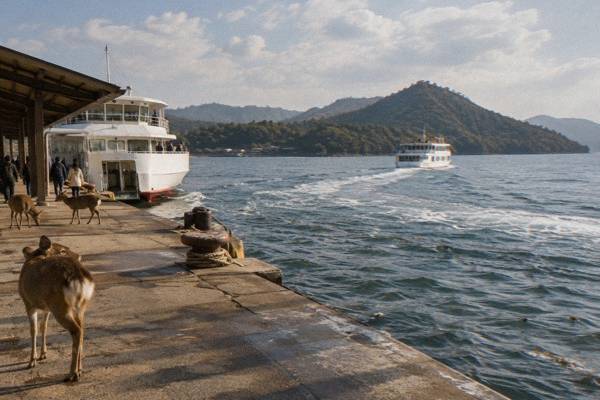
Ujina: Hiroshima Port And The Island Ferries
Ujina Port is Hiroshima's passenger ferry terminal, linking the city to the islands of Hiroshima Bay and to Matsuyama in Shikoku, and serving cruise ships at the Ujina Passenger Terminal.
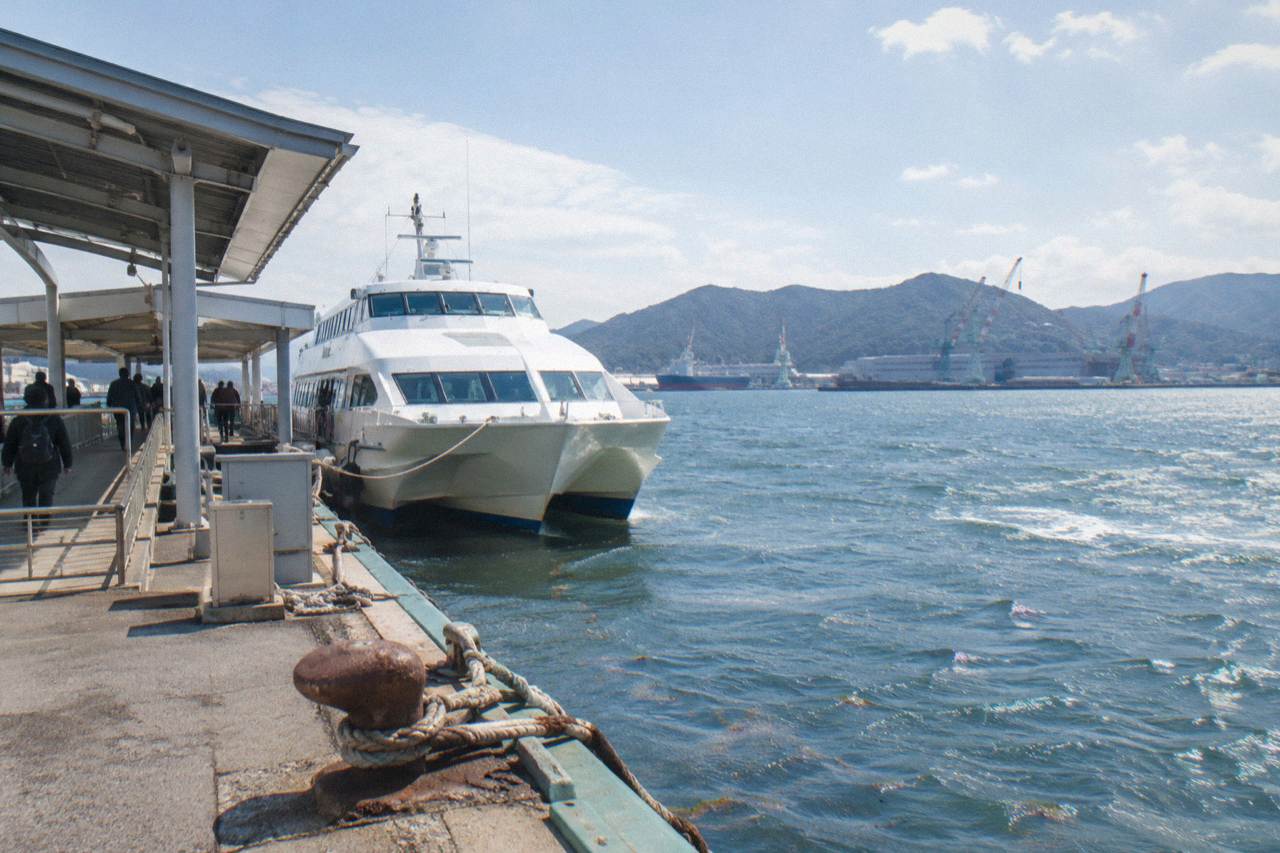
Ujina Port sits in Minami Ward, about 30 to 50 minutes from Hiroshima Station by Hiroden streetcar Line 5 or local bus, and runs ferries to Etajima, Nomijima, Ninoshima, Miyajima and Matsuyama.
Ujina, in the south of the city of Hiroshima on Hiroshima Bay, is where the city meets the Seto Inland Sea. The Hiroshima Port Ujina Passenger Terminal, at 1-13-26 Ujina Kaigan, Minami Ward, is the departure point for regular ferries to Etajima, Nomijima, Ninoshima, Miyajima and Matsuyama in Shikoku, and it also receives cruise ships. The terminal is open all year round and is barrier-free, per the city's facility page. This Hiroshima Travel Guide page covers what the port does, how to reach it, and what each ferry route offers.
Where Is Ujina Port In Hiroshima?
Ujina Port lies in Minami Ward on Hiroshima Bay, at the southern edge of the city of Hiroshima on the Seto Inland Sea, and its passenger terminal sits at 1-13-26 Ujina Kaigan. The city's facility page lists the terminal as open all year round and barrier-free, and the port area is the city's working link to the islands of Hiroshima Bay and to Shikoku.
The port faces south across Hiroshima Bay. The Miyajimaguchi area on the city's western edge handles the short JR crossing to Miyajima, while Ujina handles the longer island routes and the connection to Matsuyama.
Which Ferries Leave Ujina Port?
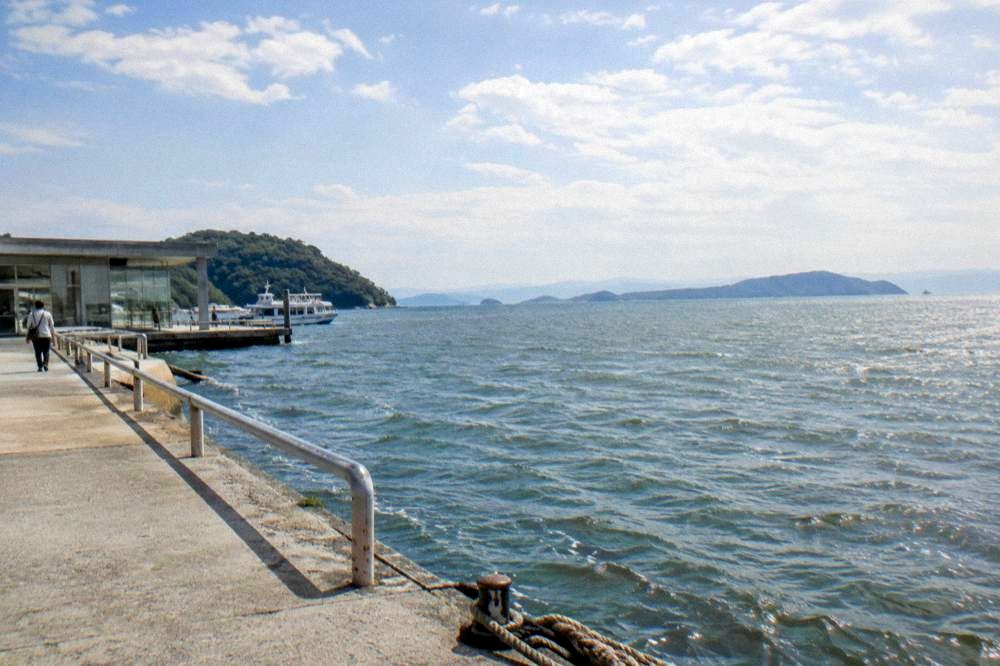
Ujina Port runs regular ferries to five destinations: Etajima, Nomijima, Ninoshima, Miyajima and Matsuyama in Shikoku, plus calls by cruise ships, as listed on the port's own information. Each route leaves from a numbered dock at the Ujina Passenger Terminal, with tickets sold at specified windows or, for the Ninoshima ferry, onboard the boat.
The dock layout matters because the terminal building serves several operators at once. The city's English page assigns each route its own dock and ticket point, so the table below is the practical map of the building.
| Route | Dock | Tickets |
|---|---|---|
| Miyajima high-speed boat | Dock No. 6 | Window B, Setouchi Sea Line |
| Ninoshima ferry | Dock No. 5 | Purchased onboard |
| Etajima (Mitaka) ferry | Dock No. 3 | Machine A or Window B |
The Miyajima high-speed boat from Ujina is a separate product from the famous short crossing at Miyajimaguchi, which is covered on the Hiroshima to Miyajima guide. The Miyajimaguchi route is the one most itineraries use, running about every 15 minutes with a 10-minute crossing. The Ujina boat is the option that starts from the southern port instead of the west side of the city.
The Matsuyama ferry is covered in more detail further down this page, and the islands of the wider sea have their own overview on the things to do in Hiroshima index.
How Do You Get To Ujina Port From Hiroshima Station?
From JR Hiroshima Station, the city's facility page gives the journey to Ujina Passenger Terminal as about 30 to 50 minutes by Hiroden streetcar Line 5 via Hijiyamashita, or by local bus, alighting at the Hiroshima Port stop. The Hiroden schedule page lists Line 5 at 29 minutes, Line 1 at 44 minutes, and the first Line 5 departure of the day at 5:56am.
Two streetcar lines serve the port from the station, and they differ in speed. Line 5 runs via Hijiyama-shita and is the quicker of the two; Line 1 takes the longer way at 44 minutes and runs at 12-minute intervals. Both cost the same flat fare, because every Hiroden line in the city charges one adult rate regardless of distance.
| Service | Route | Time | Notes |
|---|---|---|---|
| Hiroden Line 5 | Hiroshima Station to Hiroshima Port via Hijiyama-shita | 29 minutes | First departure 5:56am |
| Hiroden Line 1 | Hiroshima Station to Hiroshima Port | 44 minutes | 12-minute intervals |
| Hiroden Line 2 | Hiroshima Station to Hiroden-Miyajimaguchi | 66 minutes | Serves the west side, not Ujina |
The fare is a flat 240 yen for adults and 120 yen for children on all lines, including the Miyajima line, a rate in force since 1 February 2025. Two passes change the arithmetic for a day of riding. The 1-Day Streetcar Pass costs 700 yen adult and 350 yen child and covers all Hiroden lines. The 1 Day Streetcar and Ferry Pass costs 1,000 yen adult and 550 yen child and adds the Matsudai Kisen Miyajima ferry plus the visitor tax, though not the JR ferry.
The tram has entered the Hiroshima Station building itself since 3 August 2025, as reported, which makes the transfer from a Shinkansen arrival to a Ujina-bound streetcar a single-building move. The Hiroshima Station area page covers that side of the trip.
What Facilities Does The Ujina Passenger Terminal Have?
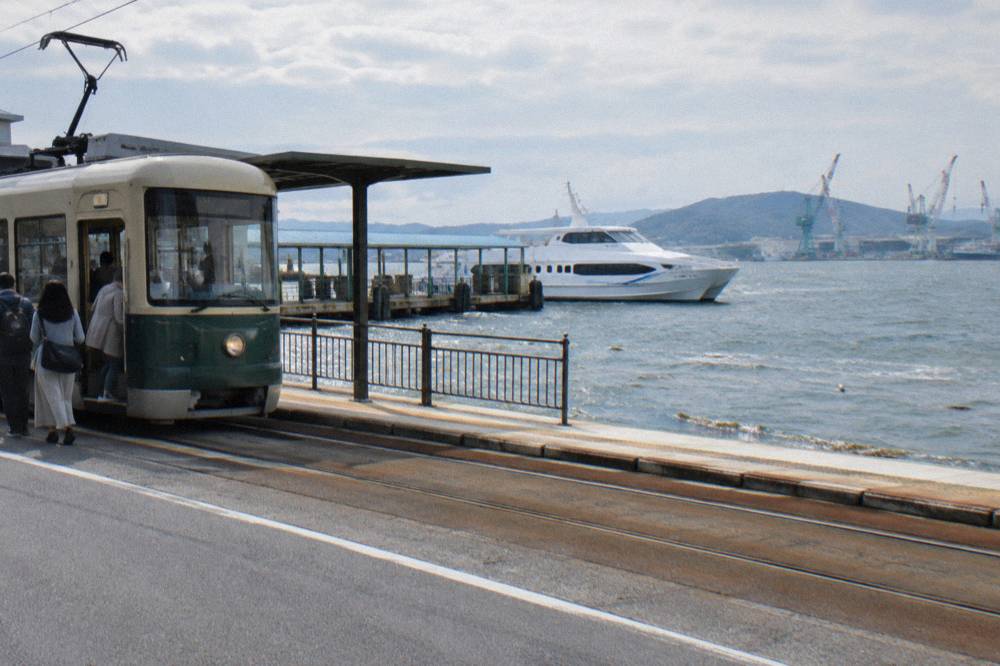
The Ujina Passenger Terminal is barrier-free, open all year round, and equipped with coin-operated lockers running 5:30am to 11:00pm, with small lockers at 300 yen and medium at 400 yen, plus a general information desk at 082-251-5191 and a Tourist Information Center open 9am to 4pm with English-speaking staff.
The lockers answer the classic island-day problem: luggage and boats do not mix, and the port's own page gives the operating hours and the two prices. The locker block runs from early morning to late evening, which covers the span of a day trip to any of the islands the port serves.
The Tourist Information Center inside the terminal, reported open 9am to 4pm year-round with English-speaking staff, is the place to confirm same-day sailing details. Ferry timetables shift with the season and the operator, and the port page routes each dock's questions to its own window.
| Facility | Detail |
|---|---|
| Terminal hours | Open all year round |
| Accessibility | Barrier-free terminal |
| Lockers | 5:30am to 11:00pm; small 300 yen, medium 400 yen |
| Information desk | 082-251-5191 |
| Tourist Information Center | 9am to 4pm, English-speaking staff |
What Does Ujina Port Offer Cruise Passengers?
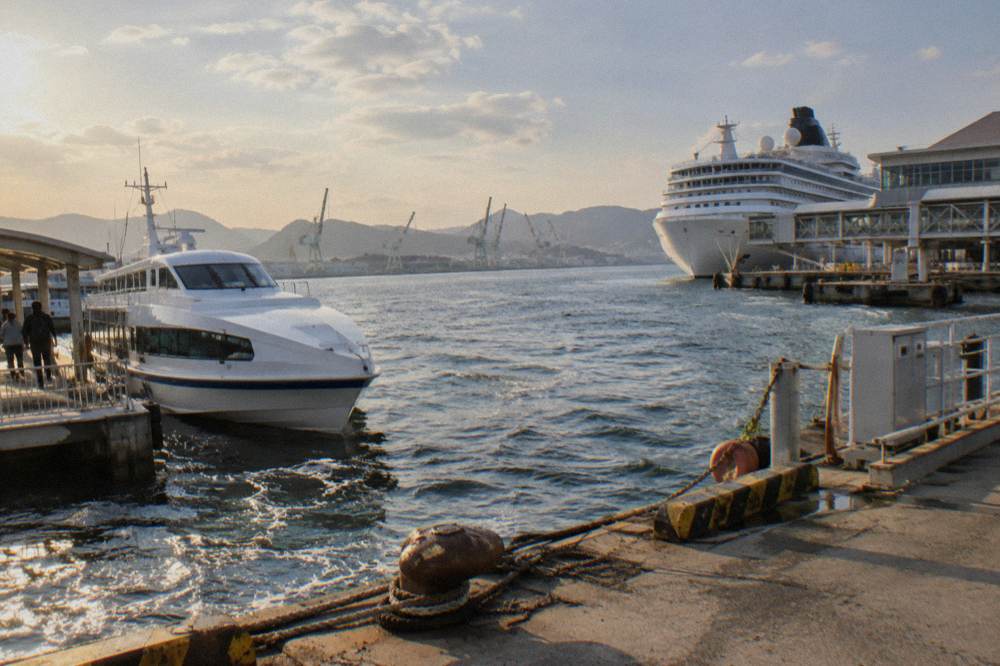
Ujina Port receives cruise ships as well as regular ferries, and the shore logistics are straightforward: the Tourist Information Center at the terminal is open 9am to 4pm year-round with English-speaking staff, and the streetcar to central Hiroshima runs on a flat 240 yen adult fare with the first Line 5 departure at 5:56am, so a cruise day can move between the port and the Peace Memorial Park by tram.
A shore day that starts at Ujina works inward, from the port to the city's central sites and, if the clock allows, outward again to the islands. The full sequence, with timings and ticket prices for the Peace Memorial Museum and the Miyajima crossings, is laid out on the Hiroshima cruise port day itinerary.
The two anchors of that day are the Hiroshima Peace Memorial Park, free to enter and open 24 hours year-round, and the Hiroshima Peace Memorial Museum, which opens 7:30am to 7pm March to November and 7:30am to 6pm December to February, with adult admission at 200 yen. The museum hours matter to a cruise passenger more than to anyone else, because the sailing window is fixed and the museum is the one site with a closing time attached.
Can You Take A Direct Ferry From Ujina To Miyajima?
Yes, a high-speed boat to Miyajima departs Ujina from Dock No. 6, with tickets at Window B operated by Setouchi Sea Line, per the city's port page. A separate Aqua Net service, the World Heritage Sea Route, runs direct from Peace Memorial Park to Miyajima in about 45 minutes at a reported 2,400 yen one way for adults, with a through-ticket option at about 2,500 yen.
The distinction is worth holding on to. The Setouchi Sea Line boat starts at Ujina in the south. The Aqua Net route starts at the Peace Memorial Park in the centre, which is the crossing that pairs naturally with a museum morning. Both end at Miyajima, where the Itsukushima Shrine charges 300 yen adult admission, 200 yen for high school students and 100 yen for elementary and junior high, with a combined shrine and Treasure Hall ticket at 500 yen adult.
Everyone stepping ashore on Miyajima pays the 100 yen visitor tax, charged separately on entering the island, with preschool children exempt. The ordinary route from the west side of the city, the 10-minute JR crossing from Miyajimaguchi, is the frequency option: roughly every 15 minutes through the day, and the Japan Rail Pass covers both the JR train to Miyajimaguchi and the JR ferry.
For a guided version of the island day that folds the crossings into one itinerary, the private Hiroshima & Miyajima Island UNESCO Sites Private Tour pairs the shrine and the island with a dedicated guide, and you can Check availability for your dates.
Which Islands Can You Reach From Ujina Port?
Ujina Port connects Hiroshima to four islands of Hiroshima Bay, Etajima, Nomijima, Ninoshima and Miyajima, and across the bay to Matsuyama on Shikoku, as the terminal's own route list states. The Etajima (Mitaka) ferry leaves Dock No. 3 with tickets at machine A or window B, and the Ninoshima ferry leaves Dock No. 5 with tickets sold onboard.
Miyajima, the best known of the set, is usually reached from Miyajimaguchi on the west side rather than from Ujina.
The Seto Inland Sea islands overview is its own guide to the islands of the wider sea, and two of the coastal day trips that leave the city heading east, Kure and Tomonoura, are separate routes that do not use Ujina at all.
| Island | Dock | Ticket point |
|---|---|---|
| Etajima (Mitaka) | No. 3 | Machine A or Window B |
| Ninoshima | No. 5 | Onboard |
| Miyajima | No. 6, high-speed boat | Window B, Setouchi Sea Line |
| Matsuyama (Shikoku) | See terminal information | See terminal information |
How Does The Ujina To Matsuyama Ferry Work?
The Ujina terminal's route list includes Matsuyama in Shikoku among its regular ferry destinations, making Ujina the Hiroshima end of the sea link between the two prefecture capitals. The city's English port page assigns each route its own dock, and the Matsuyama sailing is confirmed at the terminal's information desk at 082-251-5191, with the Tourist Information Center open 9am to 4pm.
Matsuyama is the one Ujina route that leaves Hiroshima Prefecture entirely, crossing the breadth of Hiroshima Bay toward the Shikoku shore. The site's Matsuyama by ferry guide covers that route in detail, and the practical planning point here is on the Hiroshima side: the sailing starts at Ujina, so the streetcar leg from the station, 29 minutes on Line 5, is part of the total journey time to Shikoku.
The flat Hiroden fare of 240 yen makes the transfer inexpensive, and the 1-Day Streetcar Pass at 700 yen covers it if the return leg into the city comes the same day. The Hiroshima neighborhoods overview explains what sits along the tram's path back through the city, from the port district through downtown to the station.
When Is The Best Time Of Day To Use Ujina Port?
The practical clock at Ujina runs from the first Hiroden Line 5 departure at 5:56am to the terminal lockers' 11:00pm cutoff, with the lockers opening at 5:30am and the Tourist Information Center staffed 9am to 4pm, so the port functions from early morning to late evening and the constraint on any island day is the return sailing, not the terminal.
The order of operations follows from the hours. The lockers open before the first tram even reaches the port, so an early start with luggage is not a problem. The information desk's 9am opening means a very early sailing is planned the day before, not on the spot.
On the climate side, the Japan Meteorological Agency (JMA) station data for 1991-2020 show July brings Hiroshima an average of 279.8 mm of rain while January averages 46.2 mm, with August the warmest at an average daily high of about 32.8 °C and January the coolest at an average daily low of about 2.0 C. Sea crossings in the Seto Inland Sea are generally sheltered by the islands, but the rain figures are the number to check when planning a day that depends on a boat.
| Month | Average high °C | Average low °C | Average rain mm |
|---|---|---|---|
| Jan | 9.9 | 2.0 | 46.2 |
| Apr | 19.8 | 10.1 | 141.0 |
| Jul | 30.9 | 24.1 | 279.8 |
| Oct | 23.7 | 14.9 | 109.2 |
How Much Does A Day Out Of Ujina Port Cost?
The fixed costs are small: the streetcar to the port is a flat 240 yen each way for adults, a 1-Day Streetcar Pass is 700 yen, the streetcar and ferry pass is 1,000 yen adult and 550 yen child, terminal lockers run 300 or 400 yen, the Miyajima visitor tax is 100 yen, and Itsukushima Shrine admission is 300 yen adult.
The table below assembles the numbers a planner actually multiplies. Every figure is a local yen price; bookable tour prices render separately from the operator's own data and are never typed here.
| Item | Cost |
|---|---|
| Hiroden streetcar, single ride | 240 yen adult, 120 yen child |
| 1-Day Streetcar Pass | 700 yen adult, 350 yen child |
| 1 Day Streetcar and Ferry Pass | 1,000 yen adult, 550 yen child |
| Terminal locker | 300 yen small, 400 yen medium |
| Miyajima visitor tax | 100 yen (preschool children exempt) |
| Itsukushima Shrine | 300 yen adult, 200 yen high school, 100 yen elementary and junior high |
| Peace Memorial Museum | 200 yen adult, 100 yen high school, free junior high and younger |
Two passes deserve a second look. The Streetcar and Ferry Pass at 1,000 yen only pays off against the Matsudai Kisen crossing it includes, so a rider heading to Ujina rather than Miyajima is better served by the 700-yen tram pass or single flat fares. The Japan Rail Pass, where held, covers the JR train and the JR ferry on the Miyajimaguchi route but not the 100 yen visitor tax.
Is Ujina Port Worth Visiting On A Hiroshima Trip?
Ujina Port earns its place on an itinerary in three situations: as the cruise gateway into the city, as the departure point for the Etajima and Ninoshima island routes that exist nowhere else, and as the Hiroshima end of the Matsuyama sea link, all reached on a flat 240 yen tram fare.
For a first visit built around the Peace Memorial Park, the museum and Miyajima, the port never needs to appear: the standard island crossing runs from Miyajimaguchi on the west side. The visitor who stays longer, or who arrives by ship, is the one Ujina serves. The distinction between the two ferry worlds of Hiroshima, the short western crossing and the southern island network, is the single most useful thing to hold in mind.
The site's first time in Hiroshima guide and the main things to do in Hiroshima index place the port in the wider itinerary order, and the Nagarekawa and Yagenbori pages cover where the evening goes after a day on the water.
Common Questions About Ujina Port In Hiroshima
How Do I Get From Hiroshima Station To Ujina Port?
Take Hiroden streetcar Line 5 via Hijiyamashita, which the Hiroden schedule lists at 29 minutes to Hiroshima Port, or Line 1 at 44 minutes, alighting at the Hiroshima Port stop. The flat fare is 240 yen for adults and 120 yen for children, and the first Line 5 departure of the day is at 5:56am.
Which Islands Can You Reach By Ferry From Ujina Port?
The Ujina Passenger Terminal serves regular ferries to Etajima, Nomijima, Ninoshima, Miyajima and Matsuyama in Shikoku, plus cruise ships. The Etajima (Mitaka) ferry uses Dock No. 3, the Ninoshima ferry Dock No. 5, and the Miyajima high-speed boat Dock No. 6.
Are There Lockers At Ujina Passenger Terminal?
Yes. Coin-operated lockers operate from 5:30am to 11:00pm, with small lockers at 300 yen and medium lockers at 400 yen, per the port's own facility page.
Can You Take A Ferry From Ujina Port To Miyajima?
Yes, a high-speed boat departs from Dock No. 6 with tickets at Window B, operated by Setouchi Sea Line. The short crossing from Miyajimaguchi offers another option, taking about 10 minutes and running roughly every 15 minutes through the day.
Is There A Tourist Information Desk At Ujina Port?
The terminal's general information desk is at 082-251-5191, and the Hiroshima Port Tourist Information Center at the terminal is reported open 9am to 4pm year-round with English-speaking staff.
Does The 1-Day Streetcar Pass Cover The Ujina Ferries?
The 700 yen 1-Day Streetcar Pass covers Hiroden streetcars only. The 1,000 yen 1 Day Streetcar and Ferry Pass adds the Matsudai Kisen Miyajima ferry and the visitor tax, but not the JR ferry.