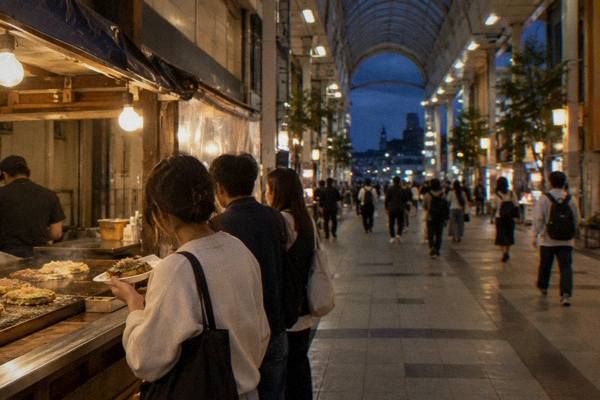
Hiroshima Oysters: Season, Grills And Where To Eat Them
In Hiroshima, the season, the grills and the festivals all follow the oyster harvest. This guide sets out when to come, what dishes to order and what the prices are.
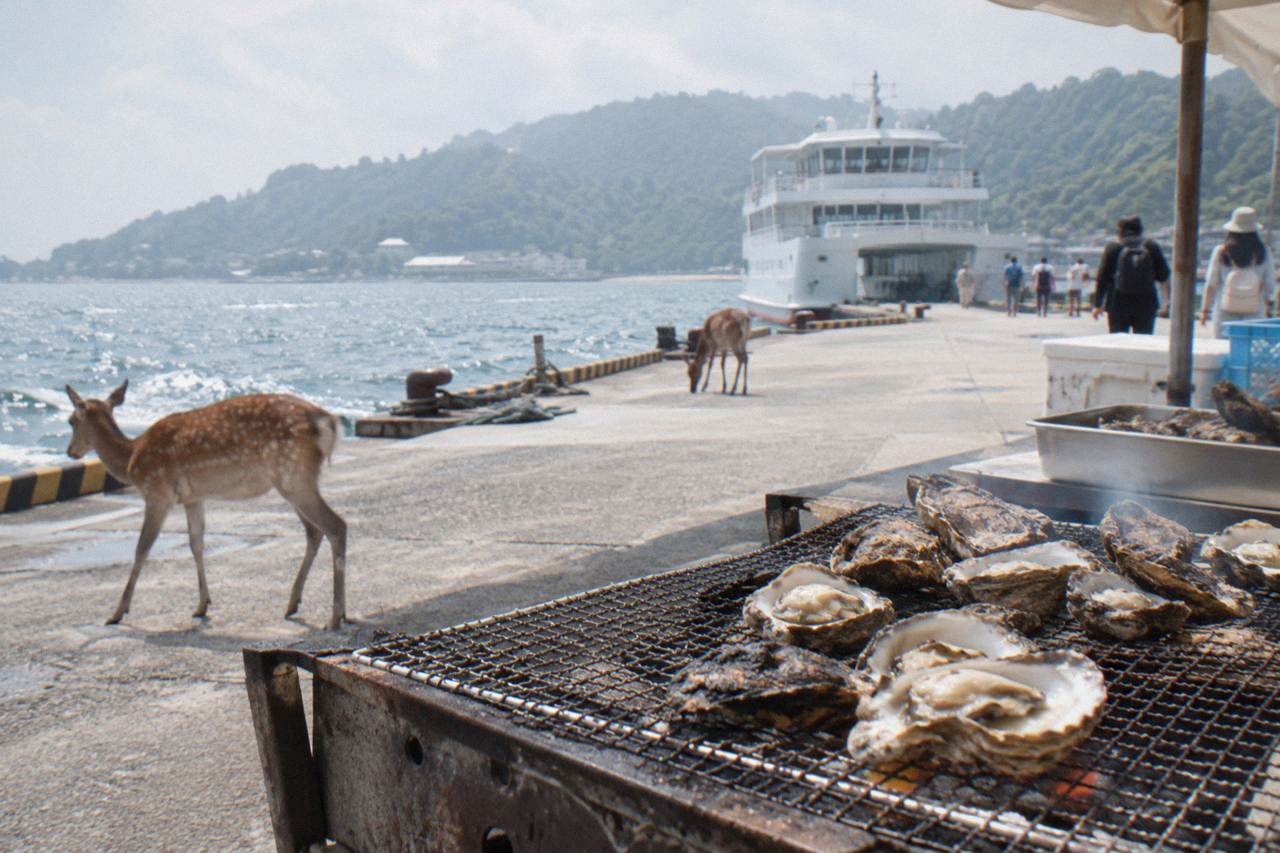
Hiroshima Prefecture defines the oyster harvest season as October to June, with the plumpest oysters and busiest grills from November to March. Raw oysters at restaurants are tied to a prefectural ban that is reported to lift around 20 October each year. Miyajima is the classic place to eat them, with grilled stalls along the Omotesando approach and dedicated oyster restaurants.
This guide covers the season, the raw-oyster ban dates, what the Miyajima grills charge, the festivals, the gift boxes and how oysters reach plates even in summer.
When Is Hiroshima Oyster Season In Hiroshima?
Hiroshima Prefecture defines the oyster harvest season as running from October to June, and the plumpest oysters and the busiest shop-front grills occur from November to March, according to the Miyajima visitor guide's oyster page. Producer pages on the city's Hiroshima Brand site list supply periods of November to March for raw oysters and October to April for heated product, which lines up with the same winter-to-spring window.
The distinction that matters when ordering is raw versus cooked. The Miyajima guide states plainly that oysters are available year-round on the island, but that summer stock is often frozen or specially handled rather than fresh-from-the-water. One producer supply figure makes the same point from the other direction: Yano Suisan lists its heated oyster supply as October to April, a longer window than its raw period.
The raw side has a regulatory date attached, one worth noting for anyone planning a trip with a Hiroshima Travel Guide in hand. The raw edible oyster ban in Hiroshima Prefecture is reported to lift on 20 October, which is why a plate of raw Hiroshima oysters in a restaurant is a distinctly late-October-to-spring pleasure rather than an all-year menu item. This is a prefectural food-safety rule that applies to raw oysters, not a shortage.
Here is how the season breaks down by month, using the prefecture's harvest definition and the producer supply periods:
| Month | Raw oysters at restaurants | Heated and grilled oysters | Notes |
|---|---|---|---|
| October | Reported to resume after the 20th | In season from the start of the harvest window | Grills fire up as the season opens |
| November | In season | In season | Start of the plumpest-oyster window |
| December | In season | In season | Gift-box supply at its fullest |
| January | In season | In season | Kusatsu kaki reported to supply December to March |
| February | In season | In season | Traditional Miyajima Oyster Festival month |
| March | In season | In season | End of the raw supply period for most producers |
| April | Winding down | Final month of Yano Suisan's heated window | Spring Oyster Festival runs into April |
| May to September | Off season for fresh raw | Frozen or specially handled stock | Kaki Komachi triploid and nitrogen-frozen supply |
Timing a trip around this calendar pairs naturally with the broader planning picture in the best time to visit Hiroshima, since the oyster peak and the coolest touring months overlap almost exactly.
Where To Eat Oysters In Hiroshima And Miyajima?
Miyajima is the classic place to eat Hiroshima oysters: Kakiya on the island's Omotesando shopping street opens at 10:00, takes no reservations and often closes around 16:00 or earlier when sold out, while Hayashi sells two grilled oysters for 1,500 yen, oyster rice for 1,600 yen and a special oyster fry set for 2,100 yen, tax included, at its October 2026 prices.
Single grilled oysters are sold at stall prices that change seasonally and are posted at each shop, so the honest answer to "what does one grilled oyster cost" is the sign at the stall in front of you. Both Hayashi and Kakiya also serve beer and sake alongside their oyster dishes, which turns a grill stop into a proper sit-down meal rather than a standing snack.
On the mainland side, oysters appear across the city rather than in one single district. Oyster rice appears as an ekiben: the Shamoji Oyster Rice Bento retails for 1,600 yen tax included and is available from mid-September to the end of March at lunch box shops inside Hiroshima Station. That window is longer than the raw season because the rice is cooked, and it makes the station itself a legitimate oyster stop on arrival or departure. The station area's broader food scene, okonomiyaki counters included, is mapped in what to eat around Hiroshima Station.
Getting to the grills is straightforward. Miyajima sits in Hiroshima Bay, reached by a ferry crossing of about 10 minutes from Miyajimaguchi, and the island charges a separate 100 yen visitor tax on entry. The full crossing, fare and connection picture is in how to get from Hiroshima to Miyajima, and the city-side tram network that carries you to the ferry is covered in getting around Hiroshima.
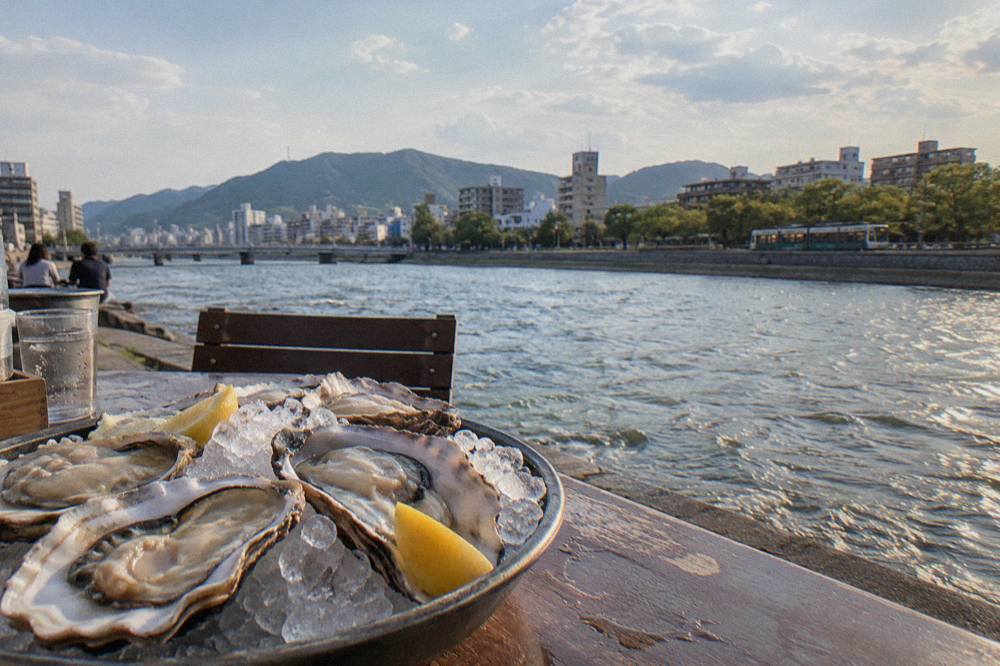
The dish prices on Miyajima, all tax included, give a realistic budget for a grill visit:
| Dish or shop | Price | Source detail |
|---|---|---|
| Hayashi, two grilled oysters | 1,500 yen | October 2026 menu price, tax included |
| Hayashi, oyster rice | 1,600 yen | October 2026 menu price, tax included |
| Hayashi, special oyster fry | 2,100 yen | October 2026 menu price, tax included |
| Kakiya, opening and closing | No price posted | Opens 10:00, no reservations, often closes near 16:00 or earlier when sold out |
| Single grilled oyster stalls | Seasonal, posted per shop | Prices change seasonally and are displayed at each stall |
| Shamoji Oyster Rice Bento, Hiroshima Station | 1,600 yen | Available mid-September to end of March, tax included |
What Are The Oyster Festivals In Hiroshima?
The Miyajima Oyster Festival is traditionally held on the second weekend of February from 10:00 to 15:00 in front of the ferry pier, and the Hiroshima Spring Oyster Festival ran 6 March to 19 April in 2026 with 179 participating restaurants, while a Hiroshima Castle Oyster Fes was reported for 14 to 15 February 2026 from 10:00 to 16:00 on the castle grounds.
That is three separate oyster events inside a single ten-week window, which tells you how central the harvest is to the local calendar. The Miyajima festival is the traditional anchor, but its 42nd edition, scheduled for February 2026, was cancelled due to insufficient oysters, and no 2027 date had been announced. A festival tradition is not a festival guarantee: check the pier-front notice before building a trip around it.
The Spring Oyster Festival is the opposite model. Rather than one weekend of stalls, it spreads across participating restaurants citywide for six weeks, which means an ordinary restaurant meal in March or April can double as a festival visit without any planning at all. The castle event, reported for February 2026 at the Hiroshima Castle grounds, folds oysters into a sightseeing stop; note that the castle keep itself has been closed to visitors since 22 March 2026, so a castle-grounds festival is an exterior-and-grounds occasion.
| Festival | Timing | Format | 2026 status |
|---|---|---|---|
| Miyajima Oyster Festival | Second weekend of February, 10:00 to 15:00 | Stalls in front of the Miyajima ferry pier | 42nd edition cancelled due to insufficient oysters |
| Hiroshima Castle Oyster Fes | Reported 14 to 15 February, 10:00 to 16:00 | Stalls on Hiroshima Castle grounds | Reported for 2026 |
| Hiroshima Spring Oyster Festival | 2026 edition ran 6 March to 19 April | 179 participating restaurants across the city | Ran as scheduled |
February and March visits sit inside the plumpest-oyster window, so the festivals and the eating are aligned. The season also overlaps the quieter touring months described in Hiroshima in winter, and a festival-and-grills itinerary can be built on the framework in the one-day Hiroshima itinerary.
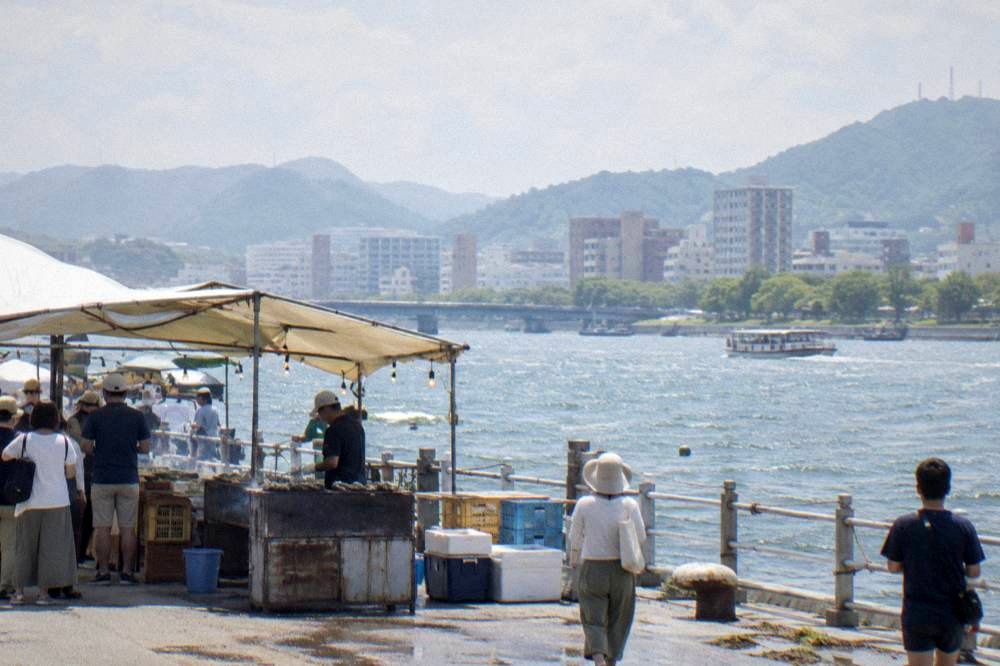
Can You Eat Hiroshima Oysters In Summer?
Yes, oysters are served on Miyajima year-round, but summer stock is often frozen or specially handled rather than fresh raw oyster, per the Miyajima oyster guide. Nitrogen-frozen Hiroshima oysters carry a 3-month frozen shelf life, and Kaki Komachi triploid oysters are farmed to stay plump through summer without spawning, which is how grills keep serving when the raw season is closed.
The triploid detail is the interesting one. A normal oyster spends its summer energy on spawning, which is why raw service is restricted and why summer oysters have a reputation for poor condition. A triploid oyster cannot spawn, so it keeps its condition through the warm months. Local oyster-growing sources describe Kaki Komachi as allowing plump harvests even in summer, which reframes "summer oysters" from a compromise into a distinct product.
Nitrogen freezing is the other mechanism. The Hiroshima Brand page on the technique lists a 3-month frozen shelf life for nitrogen-frozen oysters, and one producer, Watanabe Reishoku, sells a 1 kg L-size bag year-round on that basis. For a traveller this means a July grill stall on Miyajima is selling real Hiroshima oyster, just not oyster that came out of the bay that morning.
Summer travel context is worth having alongside this. July and August bring the heat: the Japan Meteorological Agency station normals for Hiroshima, 1991-2020, show an average daily high of about 30.9 °C in July and 32.8 °C in August. August also carries the Peace Memorial Ceremony on 6 August from 8:00 to about 8:50 in Peace Memorial Park, covered in detail in the August 6 ceremony guide. An oyster dinner is a reasonable evening plan either side of those daytime commitments.
What Do Hiroshima Oysters Cost To Buy And Take Home?
Gift-box prices from the city's Hiroshima Brand pages range from 2,862 yen for a 1 kg bag of nitrogen-frozen L-size oysters from Watanabe Reishoku up to 6,800 yen for a 1 kg shucked box from Yano Suisan, with raw-consumption boxes carrying short shelf lives of 4 to 5 days and the frozen and processed products lasting months.
The shelf-life column is where the decision actually gets made. A shucked raw box bought on Friday is a perishable cargo: Horiguchi Oysters list a 4-day shelf life for raw consumption, and Yoneda Kaisan list 5 days including the processing date. If the journey home is longer than that, the nitrogen-frozen bag or the Oyster Concentrate, a 140 g bottle at 1,620 yen with a 2-year unopened shelf life, are the practical souvenirs. The concentrate is essentially oyster essence in a bottle, usable in cooking long after the trip.
Where to buy matters too. Yoneda Kaisan's shucked boxes are retailed at Fukuya Hacchobori and at Hiroshima Station stores, which puts a perishable purchase within reach of a departure-day errand. The Kusatsu kaki box, reported at 4,300 yen tax included for a 1 kg shucked gift box with December-to-March supply, is a winter-only option.
| Product | Producer | Price, tax included | Supply period | Shelf life |
|---|---|---|---|---|
| Shucked 1 kg gift box | Kusatsu kaki | 4,300 yen | Reported December to March | Perishable, raw box |
| Shucked 1 kg box | Yoneda Kaisan | 5,951 yen | November to March | 5 days including processing date |
| Shucked 1 kg box | Yano Suisan | 6,800 yen | November to March, heated October to April | Perishable, raw box |
| Raw oysters, retail | Horiguchi Oysters | From 4,860 yen | November to March | 4 days for raw consumption |
| Nitrogen-frozen L size, 1 kg bag | Watanabe Reishoku | 2,862 yen | Year-round | 3 months frozen |
| Hiroshima Oyster Concentrate, 140 g | Hiroshima Brand | 1,620 yen | Year-round | 2 years unopened |
Budgeting a whole trip around oyster stops is easier with the framework in the Hiroshima trip cost guide, which sets the oyster spending inside the wider picture of transport, entries and meals.
How Does Hiroshima Bay Produce So Many Oysters?
Mitsu Bay is a Hiroshima oyster farming area designated for EU export, according to the city's Hiroshima Brand pages, and the prefecture's harvest window of October to June reflects a farming system built on the calm, nutrient-rich waters of Hiroshima Bay on the Seto Inland Sea, where rafts anchor across the bay's sheltered inlets.
The EU designation is a useful proxy for the rigor of the local system. That is not a claim that other Hiroshima growing areas are lesser, only that this one carries a specific external certification.
The season itself is a managed outcome rather than a natural accident. The October-to-June harvest definition, the November-to-March raw supply windows that producers publish, and the triploid and freezing technologies that extend supply beyond them are all layers of the same system. The visitor sees only the grill stall; behind it is a calendar that the prefecture, the producers and the food-safety rules have each had a hand in setting.
Which Oyster Dishes Should You Order In Hiroshima?
The four dishes to know are grilled oysters sold by the piece at seasonal stall prices, oyster rice at 1,600 yen at Hayashi on Miyajima, the special oyster fry set at 2,100 yen, and the Shamoji Oyster Rice Bento at 1,600 yen inside Hiroshima Station, all tax included; raw oysters on the half shell are the late-October-to-March option tied to the prefectural ban period.
Grilled first, because the grill is the Hiroshima oyster in its most public form: shells over charcoal, posted prices, eaten standing or at a bench. Oyster rice, kakimeshi, is the quieter classic, and the ekiben version at the station means you can eat it on a train. The oyster fry set is the full-meal version, and at Hayashi it comes with the same grill-side drinks list of beer and sake.
The pairing that locals would push is sake. The fuller food picture, including okonomiyaki culture where oysters also appear as a topping in season, is in what to eat in Hiroshima and the Hiroshima okonomiyaki guide.
Curious to taste that sake pairing where it is brewed? Book a sake brewery day tour here.
A traditional kagura performance is an easy way to round out an oyster-focused day or evening, and the Hiroshima Kagura performance entry ticket is a low-effort way to book a seat, with Check availability showing current dates and pricing.
What Should You Know About The Weather During Oyster Season?
Oyster season runs through the coolest part of the Hiroshima year: Japan Meteorological Agency station normals for 1991-2020 show average daily highs of about 17.7 °C in November and 12.1 °C in December, with January at about 46.2 mm of rain and July at about 279.8 mm, well outside the harvest calendar.
The practical reading is that oyster season and comfortable walking weather are the same season. Dress for it.
| Month | Average daily high | Average daily low | Average rain |
|---|---|---|---|
| October | 23.7 °C | 14.9 °C | 109.2 mm |
| November | 17.7 °C | 8.9 °C | 69.3 mm |
| December | 12.1 °C | 4.0 °C | 54.0 mm |
| January | 9.9 °C | 2.0 °C | 46.2 mm |
| February | 10.9 °C | 2.4 °C | 64.0 mm |
| March | 14.5 °C | 5.1 °C | 118.3 mm |
| April | 19.8 °C | 10.1 °C | 141.0 mm |
March rain rises toward the spring figures, which is worth knowing for the Spring Oyster Festival window. The month-by-month detail, including what it means for packing, is in the Hiroshima weather guide.
How Do You Build An Oyster Day Around Hiroshima?
A realistic oyster day pairs a Miyajima morning with a city evening: the JR ferry crossing takes about 10 minutes from Miyajimaguchi with departures roughly every 15 minutes from 8:00 into the evening, Kakiya opens at 10:00 on the Omotesando, and the return to the city lands you within tram reach of grill restaurants and evening food streets, with the Hiroden flat fare at 240 yen per adult ride.
The ordering matters. Kakiya takes no reservations and often closes around 16:00 or earlier when sold out, so an island oyster lunch wants a late-morning ferry rather than an afternoon one.
Back in the city, the evening options are documented elsewhere on this site, from the station-area counters to the nightlife streets. A guided food walk is one way to compress the decision-making, and visitors coming from Osaka or Kyoto for a single day can build the whole thing on a bullet-train day trip, which the Kyoto to Hiroshima and Osaka to Hiroshima guides cover in full.
Is It Safe To Eat Raw Oysters In Hiroshima?
The raw edible oyster ban is reported to lift on 20 October, restaurants serve raw oysters within the November-to-March supply windows that producers publish, and every raw gift box on the city's Hiroshima Brand pages carries a 4-to-5-day shelf life, so raw oyster service in Hiroshima is dated, monitored and short-leashed rather than open-ended.
For a visitor the practical rules are simple. Eat raw oysters inside the season, at businesses that post or state their sourcing, and treat any raw purchase as a same-week item. The graded risk sits with raw product: the heated window runs longer, from October, and the frozen and farmed-summer supply exists precisely because cooking and freezing change the risk profile. Questions about whether Hiroshima is safe as a destination generally are answered separately, and the answer there is not about oysters at all.
Common Questions About Hiroshima Oysters
When Is Hiroshima Oyster Season?
Hiroshima Prefecture defines the harvest season as October to June, with the plumpest oysters and busiest grills from November to March. Raw oyster supply windows published by producers run November to March, with heated product extending from October to April.
Where Is The Best Place To Eat Oysters In Hiroshima?
Miyajima is the classic location, with grill stalls along the Omotesando and restaurants such as Hayashi and Kakiya. Hiroshima Station also sells the Shamoji Oyster Rice Bento for 1,600 yen tax included from mid-September to the end of March.
How Much Do Grilled Oysters Cost On Miyajima?
At Hayashi, two grilled oysters cost 1,500 yen, oyster rice 1,600 yen and a special oyster fry 2,100 yen, tax included. Single grilled oysters at stalls are priced seasonally and posted at each shop.
Can You Eat Raw Oysters In Hiroshima In Summer?
Raw service is tied to the prefectural raw oyster ban, reported to lift on 20 October. Summer oysters on Miyajima are often frozen or specially handled, using nitrogen freezing or Kaki Komachi triploid stock that stays plump without spawning.
When Is The Miyajima Oyster Festival Held?
Traditionally on the second weekend of February from 10:00 to 15:00 in front of the ferry pier. The 42nd edition, scheduled for February 2026, was cancelled due to insufficient oysters, and no 2027 date had been announced.
Can You Take Hiroshima Oysters Home As A Souvenir?
Yes. Gift boxes from the Hiroshima Brand pages range from 2,862 yen for a 1 kg nitrogen-frozen bag to 6,800 yen for a 1 kg shucked box, tax included. Raw boxes last 4 to 5 days; frozen bags last 3 months and the 140 g Oyster Concentrate bottle lasts 2 years unopened.
The short version: come between November and March for the plumpest oysters and the posted grill prices on Miyajima, book nothing at Kakiya because it takes no reservations and closes when sold out, check the festival notice before relying on the February date, and buy the frozen bag rather than the shucked box if home is more than a few days away. Everything else beyond the season, the prices and the supply windows above is a matter of how many grilled oysters constitute a reasonable lunch.