Hiroshima Or Nagasaki: Which To Visit
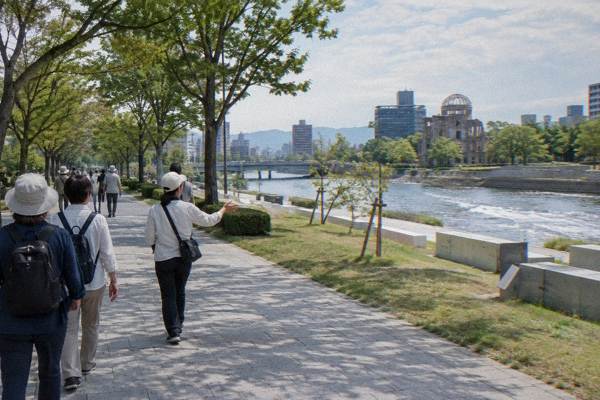
Hiroshima is one of two Japanese cities whose name the world associates with the atomic bombings, and travellers fitting both into one Japan itinerary keep asking the same question: Hiroshima or Nagasaki? The two cities are not interchangeable. Hiroshima pairs its Peace Memorial Museum and A-Bomb Dome with Miyajima island, a 10-minute ferry away, plus Shukkeien garden and a castle district. Nagasaki is a harbour city built on hills, with its own atomic bomb museum and a different, layered history of trade and exchange.
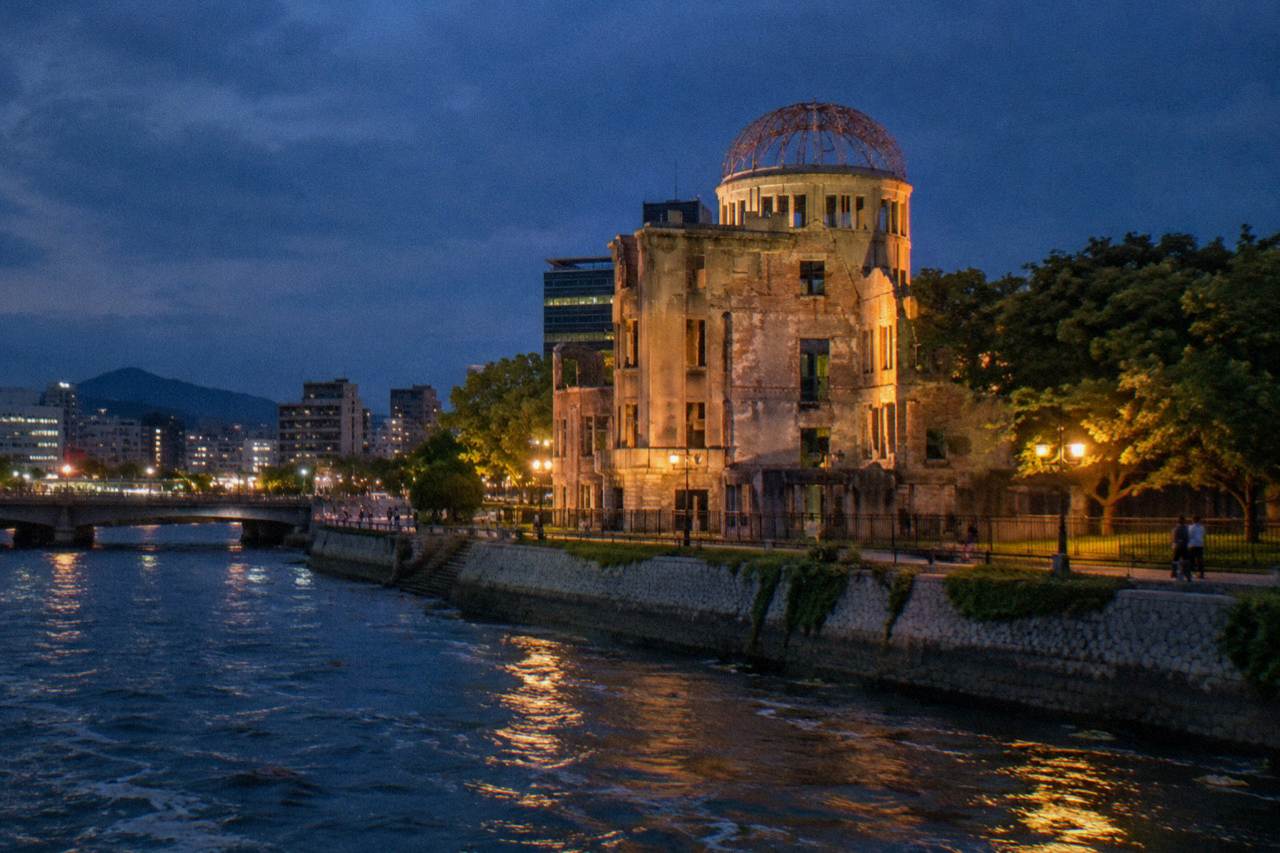
Hiroshima suits travellers who want a memorial city plus an island, a castle district and a garden on one ticket; Nagasaki suits a slower harbour-city visit. Both museums cost 200 yen and the cities link by rail in under three hours.
This page compares the two on admission prices, opening hours, rail times and fares, tram costs and seasonal climate from the Japan Meteorological Agency station normals. Where a figure is reported rather than fetched directly, it says so. The goal is not to crown a winner but to let the numbers decide which city fits a given trip. For the wider picture of the Hiroshima side, start with things to do in Hiroshima.
Is Hiroshima Or Nagasaki Better To Visit?
Neither city wins outright, and the honest answer is a scheduling one: Hiroshima pairs its Peace Memorial Museum with Miyajima island, Shukkeien garden and a castle district, while Nagasaki is a compact hillside harbour city with its own atomic bomb museum at the same 200 yen adult admission and a distinctly different history. How many days you hold, and whether a ferry ride to a shrine island belongs in the plan, decides it.
Think in terms of trip shape. The Hiroshima in 2 days planning question comes up constantly for exactly this reason, and the answer is that the island day is the part that overflows.
Nagasaki works as a one or two day stop on a Kyushu route. Its museum sits in a city of hills and harbour views, and the visitor experience is more vertical, more about walking slopes between sites than crossing a delta plain. Neither profile is better; they are different products.
For background on the Hiroshima side of the history, the site's Hiroshima history for visitors page sets out the documented record. For the onward rail logistics to Kyushu, see Hiroshima to Fukuoka and Nagasaki.
How Do You Get From Hiroshima To Nagasaki By Train?
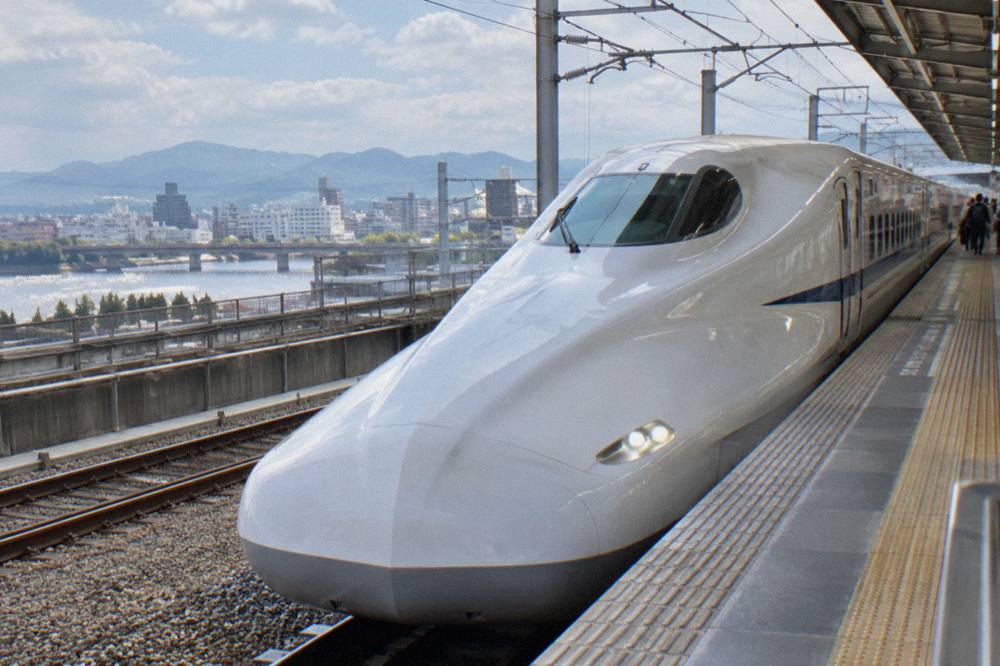
The fastest documented rail route from Hiroshima to Nagasaki takes about 2 hours 38 minutes with two transfers, running by Shinkansen to Hakata and then onward on the Kamome line, at a reported fare of about 13,870 yen one way. The Hiroshima to Hakata leg alone takes as little as 1 hour 1 minute, with an unreserved fare of 8,570 yen and a reserved Nozomi or Mizuho seat at 9,630 yen.
The route usually involves a transfer at Hakata and sometimes a second at Takeo Onsen for the Kamome Shinkansen, so the journey is two or three trains depending on connection. Hiroshima to Hakata is about 280 km on the Sanyo Shinkansen, and the fastest Mizuho or Nozomi services cover it in 1 hour 1 minute. A standard reserved seat on a Hikari or Sakura service is 9,100 yen, and a Green Car on Nozomi or Mizuho is 13,290 yen.
One discount worth knowing for the Hakata to Hiroshima direction: JR West sells a Sanyo Shinkansen one-way ticket to foreign visitors with temporary visitor status at 6,300 yen adult, passport required. Reservations for Sanyo and Kyushu Shinkansen seats can be made through JR West's online train reservation service up to one month in advance from 10:00 Japan time.
| Route | Fastest time | Fare | Notes |
|---|---|---|---|
| Hiroshima to Hakata | 1 h 1 min | 8,570 yen unreserved | 9,630 yen reserved on Nozomi or Mizuho |
| Hiroshima to Hakata | Standard reserved | 9,100 yen | Hikari or Sakura services |
| Hiroshima to Hakata | Green Car | 13,290 yen | Nozomi or Mizuho regular fare |
| Hakata to Hiroshima | Discount ticket | 6,300 yen | Foreign visitors with temporary visitor status, passport required |
| Hiroshima to Nagasaki | About 2 h 38 min | About 13,870 yen (reported) | Two transfers, via Hakata and sometimes Takeo Onsen |
| Tokyo to Hiroshima | Nozomi | Fare set by JR West and varies by seat type | Around 3 h 45 to 4 h |
| Shin-Osaka to Hiroshima | About 90 min | About 11,000 yen | Nozomi services |
For pass questions on the Hiroshima side, the JR Pass for Hiroshima page works through the maths, and the Japan Rail Pass is valid on the JR West Miyajima ferry, though it does not cover the island's 100 yen visitor tax.
What Do The Memorial Museums In Hiroshima And Nagasaki Cost?
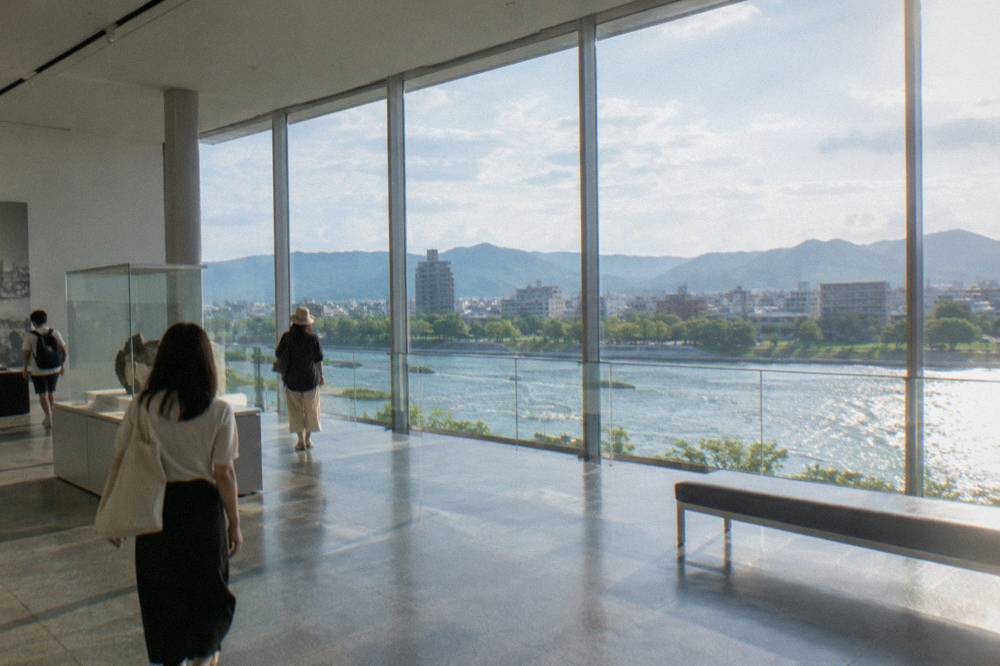
Both memorial museums charge 200 yen for standard adult admission. The Hiroshima Peace Memorial Museum prices high school students at 100 yen and admits junior high school students and younger free, while the Nagasaki Atomic Bomb Museum admits high school students and below free with student ID. Both keep long summer hours with evening extensions and both close briefly over the year-end holidays.
The two museums run parallel seasonal schedules. Hiroshima opens 7:30 year round and closes at 19:00 from March to July and September to November, 20:00 in August, and 18:00 from December to February, with closures on 30 and 31 December and in mid-February for exhibit changes. Nagasaki opens 8:30 and runs to 17:30 most of the year, 18:30 from May to August, and until 20:00 on 7 to 9 August, closing 29 to 31 December. Hiroshima's extended early-morning and evening slots need an online reservation.
Photography inside the Hiroshima museum is allowed without flash for personal use, with tripods and selfie sticks excluded. Etiquette at both sites is a visitor topic in itself, and the site's page on etiquette at the Peace Park covers the annual 6 August ceremony, held from 8:00 to about 8:50 in Peace Memorial Park.
| Item | Hiroshima Peace Memorial Museum | Nagasaki Atomic Bomb Museum |
|---|---|---|
| Adult admission | 200 yen | 200 yen |
| High school | 100 yen | Free with student ID |
| Junior high and younger | Free | Free |
| Group adult rate | 160 yen (30 or more) | Group rates abolished |
| Base hours | 7:30 to 19:00 (Mar-Jul, Sep-Nov) | 8:30 to 17:30 (Apr, Sep-Mar) |
| Summer hours | 7:30 to 20:00 in August | 8:30 to 18:30 (May-Aug) |
| Special late opening | Until 21:00 on 5 and 6 Aug | Until 20:00 on 7 to 9 Aug |
| Winter hours | 7:30 to 18:00 (Dec-Feb) | 8:30 to 17:30 |
| Closures | 30-31 Dec, mid-February | 29-31 Dec |
How Do The Cities Compare On Local Transport Costs?
Hiroshima's Hiroden streetcars charge a flat 240 yen adult fare and 120 yen child fare on every line including the Miyajima line, with a one-day pass at a reported 700 yen, while Nagasaki's trams sell a 700 yen 24-hour mobile pass and run a rear-board, front-alight system accepting nationwide IC cards. In both cities the core sightseeing areas are walkable, so a pass only pays for itself after three or more rides.
Three Hiroden rides at 240 yen each already exceed the 700 yen day pass, and the 1,000 yen streetcar-and-ferry version adds the Matsudai Miyajima ferry round trip and the 100 yen island visitor tax, which makes it the clear tool for a Miyajima day. A separate Visit Hiroshima Tourist Pass covers streetcars, ferries and buses for 1,000 yen per day. Streetcars on main lines such as line 2 from Hiroshima Station toward Miyajimaguchi run at intervals of 10 to 15 minutes, and the last departures from the station area leave around 22:00 to 23:00 depending on line and direction.
Nagasaki's tram network works on a different boarding logic: you board at the rear and settle at the front when you get off. The 700 yen 24-hour mobile pass is the direct equivalent of Hiroshima's day pass at the same price. Getting around either city without a pass is cheap either way.
| Transport item | Hiroshima | Nagasaki |
|---|---|---|
| Single tram fare, adult | 240 yen flat, all lines | Rear-board, front-alight fare system |
| Single tram fare, child | 120 yen | Rear-board, front-alight fare system |
| Day pass | 700 yen adult (reported) | 700 yen 24-hour mobile pass |
| Streetcar and ferry pass | 1,000 yen, includes Matsudai ferry round trip and visitor tax | Not applicable |
| Wider city pass | Visit Hiroshima Tourist Pass, 1,000 yen for 1 day | Not applicable |
| IC cards | Accepted on Hiroden | Nationwide IC cards accepted |
The site's getting around Hiroshima page expands on the streetcar network, and the where to stay in Hiroshima page locates the main districts relative to the tram lines.
Which City Offers More Beyond The Memorial?
Hiroshima's reach is wider: Miyajima sits a 10-minute ferry ride from the mainland, with Itsukushima Shrine at 300 yen, the Mount Misen ropeway at 2,000 yen return and a 100 yen island visitor tax, while the city itself holds Shukkeien garden at 350 yen and a castle district whose keep has been closed to visitors since 22 March 2026. Nagasaki's draw is its harbour setting and layered history rather than an island day trip on that scale.
Miyajima is the structural difference between the two cities as destinations. The JR ferry crosses in about 10 minutes, running roughly every 15 minutes from Miyajimaguchi with departures from early morning until about 22:00, and the one-way adult fare is 200 yen with a 100 yen visitor tax charged separately on entering the island, preschool children exempt. On the island, Itsukushima Shrine charges 300 yen adult, 200 yen high school and 100 yen elementary and junior high, with a combined ticket covering the Treasure Hall at 500, 300 and 150 yen. The ropeway runs 9:00 to 16:00 with last descent at 16:30, at 2,000 yen adult return.
Inside Hiroshima itself, Shukkeien garden costs 350 yen adult, 150 yen university and is free for school students, open 9:00 to 18:00 in the warmer half of the year and 9:00 to 17:00 otherwise. The castle keep closed permanently to visitors on 22 March 2026, so the castle is an exterior and grounds visit, with a Sannomaru history museum planned for 1 June 2027. The shrine's own pages note ongoing corridor and pagoda repair work, with the shrine open throughout.
| Miyajima item | Figure |
|---|---|
| JR ferry, one-way adult | 200 yen |
| Miyajima visitor tax | 100 yen per entry, preschool exempt |
| Ferry crossing time | About 10 minutes |
| Itsukushima Shrine, adult | 300 yen |
| Itsukushima Shrine, high school | 200 yen |
| Itsukushima Shrine, elementary and junior high | 100 yen |
| Combined shrine and Treasure Hall, adult | 500 yen |
| Mount Misen ropeway, adult return | 2,000 yen |
| Ropeway hours | 9:00 to 16:00, last descent 16:30 |
For the island in depth, see Hiroshima to Miyajima. Nagasaki counters with its harbour hills and churches rather than an island of this kind, which is why many travellers treat it as a city stop and Hiroshima as a city-plus-island stop.
When Is The Best Time To Visit Hiroshima Or Nagasaki?
Hiroshima's Japan Meteorological Agency station normals for 1991-2020 show average daily highs of 32.8°C in August against 9.9°C in January, with July recording 279.8 mm of rain and January 46.2 mm. The timing anchors are firm: cherry blossoms in Hiroshima average full bloom on April 4, and the autumn leaves of Miyajima's Momijidani Park typically peak mid-to-late November.
The seasonal shape is a hot, humid summer and a mild winter. July carries the heaviest rain total of the year at 279.8 mm, June follows at 226.5 mm, and August combines the highest average high, 32.8°C, with a lighter 131.4 mm of rain. Winter is gentle: January averages 5.4°C mean with 46.2 mm of rain. November, at 12.9°C mean and 69.3 mm, is the calm shoulder the autumn-leaf crowds aim for, and Miyajima's ropeway requires advance reservation on peak autumn dates including 1, 7, 8, 14, 15, 21, 22, 23, 28 and 29 November in 2026.
Two event dates shape the calendar. The Peace Memorial Ceremony falls on 6 August every year, 8:00 to about 8:50 in Peace Memorial Park, and the museum extends its hours around it. On the blossom side, the 30-year average first bloom date is March 25 with full bloom April 4; in 2026 the actual dates were March 19 and March 30.
| Month | Average high | Average low | Rain |
|---|---|---|---|
| Jan | 9.9°C | 2.0°C | 46.2 mm |
| Apr | 19.8°C | 10.1°C | 141.0 mm |
| Jul | 30.9°C | 24.1°C | 279.8 mm |
| Aug | 32.8°C | 25.1°C | 131.4 mm |
| Nov | 17.7°C | 8.9°C | 69.3 mm |
The site's Hiroshima weather, Hiroshima cherry blossom and Miyajima autumn leaves pages carry the month-by-month detail for the Hiroshima side.
How Much Does A Day In Each City Cost?
A sightseeing day in Hiroshima runs on yen figures: 200 yen museum entry, 240 yen per streetcar ride, 200 yen each way for the JR Miyajima ferry, 300 yen at Itsukushima Shrine and 350 yen at Shukkeien, so a full memorial-and-island day costs under 2,000 yen in admissions and local transport before food. Nagasaki's museum at 200 yen and its 700 yen tram pass land in the same band.
In Hiroshima, the 1,000 yen streetcar-and-ferry pass absorbs the Miyajima crossing and visitor tax, after which the island's shrine and ropeway are the only meaningful ticket costs.
The bigger variables are the ones that scale with comfort: lodging, food and any guided product. For the budget frame on the Hiroshima side, the Hiroshima trip cost page breaks the arithmetic down, and the what to eat in Hiroshima page covers the food layer, from okonomiyaki to anago-meshi.
| Day item | Hiroshima | Nagasaki |
|---|---|---|
| Memorial museum, adult | 200 yen | 200 yen |
| City transport | 240 yen per tram ride, or 700 yen day pass | 700 yen 24-hour tram pass |
| Island or garden add-on | Itsukushima Shrine 300 yen, Shukkeien 350 yen | Not applicable |
| Ferry crossing | 200 yen each way plus 100 yen visitor tax | Not applicable |
Can You Combine Hiroshima And Nagasaki On One Trip?
Yes, and the rail math favours it: Hiroshima to Hakata takes as little as 1 hour 1 minute at 8,570 yen unreserved, the reverse direction with the foreign-visitor Sanyo Shinkansen one-way ticket is 6,300 yen, and the reported through journey from Hiroshima to Nagasaki is about 2 hours 38 minutes. A week split across Hiroshima, Miyajima and Nagasaki is a realistic western-Japan circuit.
The natural shape is Hiroshima first, Miyajima as its island day, then the shinkansen southwest. Arriving from Tokyo or Kansai is straightforward: the Nozomi runs direct from Tokyo to Hiroshima, Shin-Osaka to Hiroshima takes around 90 minutes, and fares are set by JR West and vary by seat type. From Hiroshima Airport the limousine bus to the station's Shinkansen exit takes about 50 minutes at 1,500 yen adult. The Hiroshima airport and Hiroshima station pages hold the arrival detail.
Flying in works just as well. Book a flight to Hiroshima here.
Guided help on the Hiroshima leg can simplify the split itinerary. A Hiroshima and Miyajima private custom tour with a local guide lets a visitor set the depth of the Peace Memorial Park visit and the island timing in one planned block. The same logic applies to the Nagasaki leg, where a compact city core keeps self-guided movement simple.
Safety is rarely the deciding variable on this route; the is Hiroshima safe page covers the practicalities. The Hiroshima Travel Guide holds the full set of planning pages for the Hiroshima and Miyajima side of the circuit.
Common Questions About Visiting Hiroshima Or Nagasaki
Is Hiroshima Or Nagasaki Better To Visit?
Hiroshima suits a trip that wants a memorial city plus an island: Miyajima, its shrine, its ropeway and its ferry crossing sit 10 minutes from the mainland. Nagasaki suits a slower harbour-city visit with its own atomic bomb museum at the same 200 yen adult admission. If the itinerary has room for both, the rail link between them takes about 2 hours 38 minutes at the fastest documented connection.
Which Bomb Was Bigger, Hiroshima Or Nagasaki?
Each city's memorial museum presents its own documented account of the event and its aftermath. This site reports the museum record rather than restating technical comparisons: the Hiroshima Peace Memorial Museum and the Nagasaki Atomic Bomb Museum each set out the documented facts of the bombing, and both charge 200 yen adult admission for visitors who want to read that record first hand.
How Long Does The Train From Hiroshima To Nagasaki Take?
The fastest documented rail route takes about 2 hours 38 minutes with two transfers, running by Shinkansen to Hakata and onward on the Kamome line, at a reported fare of about 13,870 yen. The Hiroshima to Hakata leg alone takes as little as 1 hour 1 minute and costs 8,570 yen unreserved or 9,630 yen with a reserved Nozomi or Mizuho seat.
Do Both Memorial Museums Cost The Same?
Yes, at the standard adult level: both charge 200 yen. The student tiers differ, with Hiroshima pricing high school at 100 yen and junior high and younger free, while Nagasaki admits high school and below free with student ID. Nagasaki also abolished its group rates.
Can You Visit Hiroshima And Miyajima And Nagasaki In One Week?
Yes. A workable shape is two or three days in Hiroshima with one of them given to Miyajima, then the shinkansen southwest with a transfer at Hakata, and one or two days in Nagasaki. The streetcar-and-ferry day pass at 1,000 yen covers the Miyajima crossing and visitor tax on the island day.
Which City Is Cheaper For A Sightseeing Day?
The two land in the same band. Hiroshima's flat 240 yen tram fare, 200 yen museum entry and 300 yen shrine admission keep a city day under 1,000 yen in admissions and transport, while the Miyajima add-on with ferry, visitor tax and ropeway pushes an island day higher. Nagasaki's 200 yen museum and 700 yen 24-hour tram pass sit at the same level.