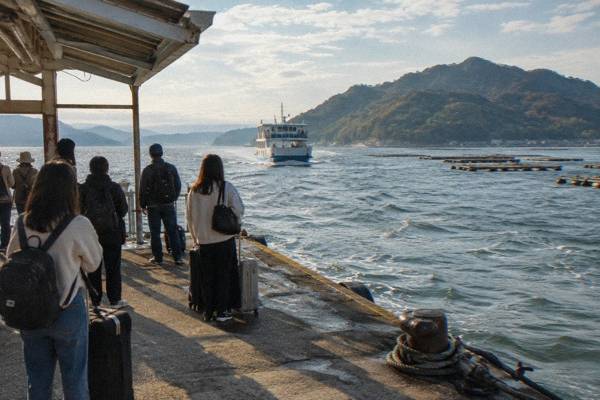
Is Hiroshima Safe To Visit?
Hiroshima is a Japanese city on the Seto Inland Sea, and the safety questions visitors ask most are about radiation, crime and natural disasters. Here is what official sources actually say.
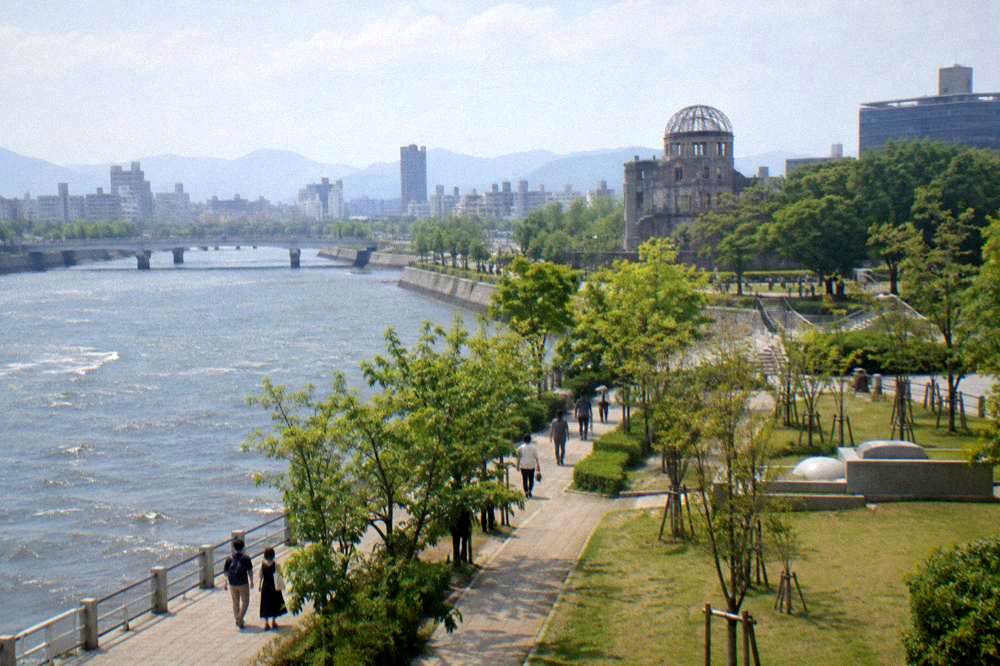
Yes. Hiroshima is safe to visit. The city's own English pages state that radiation levels today match natural background radiation found anywhere on Earth, crime fell in 2025, and Japan carries the lowest-level US travel advisory.
Hiroshima, the prefectural capital on the Seto Inland Sea, welcomes a steady stream of international visitors, and the first question many of them type into a search box is a simple one: is it safe? The short answer, on every official measure this page can report, is yes. The city's own English-language pages address radiation directly, the crime statistics the city publishes show a falling trend, and foreign governments maintain standard travel advice for the region. The sections below take each safety question in turn and report what primary sources say, without editorialising and without first-person anecdote.
Approximately 1.2 million international visitors come to Hiroshima annually, according to a travel-advisory aggregation service, with no significant safety incidents reported.
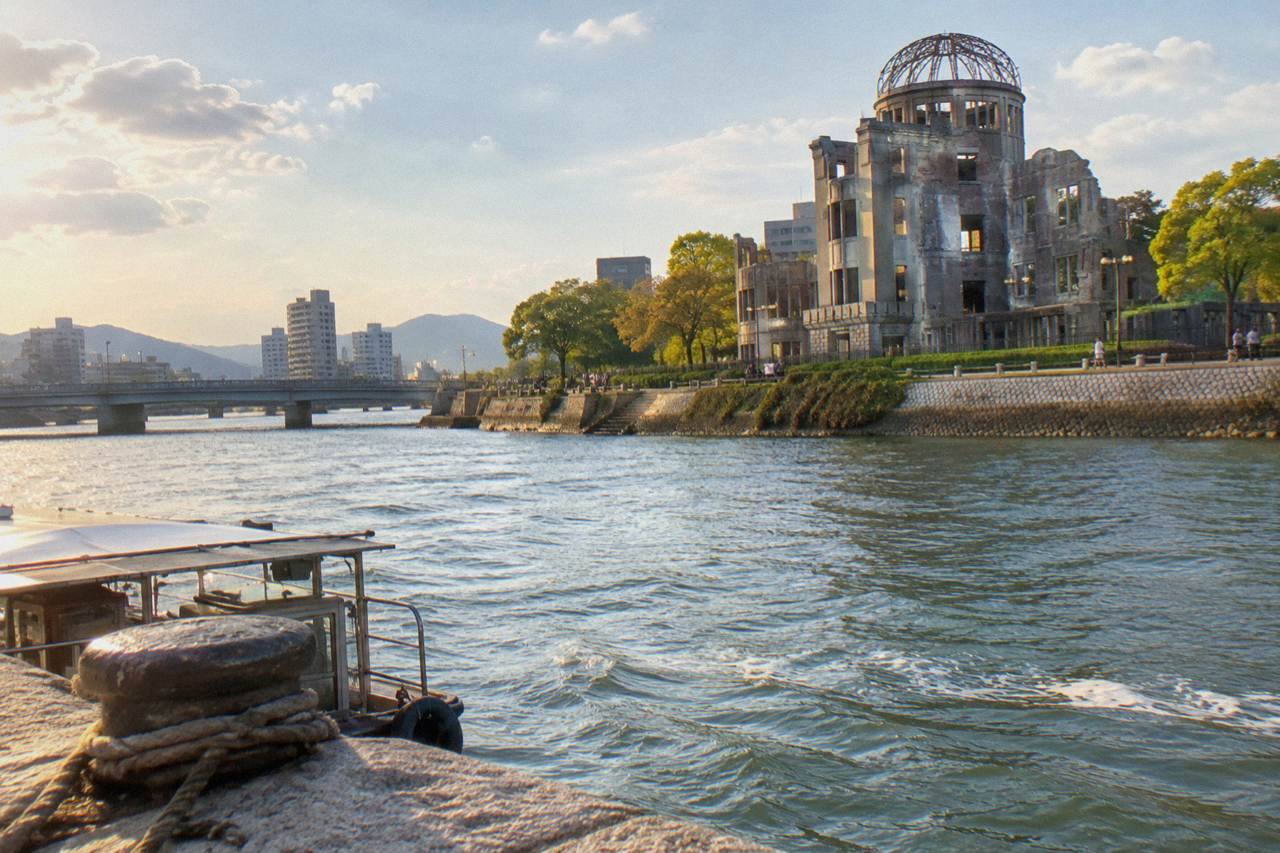
For trip planning beyond safety, the things to do in Hiroshima overview lists the Peace Memorial Park, Miyajima and the city districts, and when to go matters as much as where.
Is There Any Radiation Risk In Hiroshima Today?
No. Hiroshima's own city pages state that radiation levels in the city today match natural background radiation found anywhere on Earth and have no effect on human bodies, and the city adds that no health risks or special precautions are needed for visitors regarding residual radiation from 1945. The Peace Memorial Park and Museum require no radiation checks and carry no health restrictions for entry.
The city's radiation explainer, published on its official English site, sets out the physics plainly. Of the atomic bomb's emitted energy, 5 percent was initial radiation and 10 percent was residual radiation, and roughly 80 percent of that residual radiation was emitted within 24 hours of the bombing. At the hypocenter, the residual dose 24 hours after the bombing was one thousandth of the immediate post-explosion amount, dropping to one millionth after one week. Eight decades later, the site of the bombing is an ordinary modern city in radiological terms.
The same city page also records the human context that visitors often ask about before arrival. The pre-bomb population of Hiroshima was approximately 350,000, including mobilised workers and others, and estimated deaths from the atomic bombing reached roughly 140,000 by the end of December 1945. The city publishes these figures in its own historical record, and the museum presents them; a visitor encounters the history openly documented rather than hidden, which is itself part of the answer to the safety question.
The Peace Memorial Museum's own hours and fees apply to everyone equally: 200 yen for adults, with no health screening of any kind. The museum counted 2,580,926 visitors in FY2025, its third straight record year, of which 945,618 were foreign visitors, a figure reported from the museum's announcement. Nearly a million foreign guests walked the same exhibition rooms in a single year, which is the clearest practical evidence that the site carries no entry burden beyond a ticket.
| Measure | Figure | What it means for a visitor |
|---|---|---|
| Radiation levels today | Match natural background radiation anywhere on Earth | No effect on human bodies, per the city's page |
| Residual radiation emitted within 24 hours | About 80 percent of total residual | The vast majority decayed immediately |
| Dose at hypocenter after 24 hours | 1/1000th of the immediate amount | Ground zero itself decayed fast |
| Dose at hypocenter after one week | 1/1,000,000th | Effectively indistinguishable from background |
| Entry requirements at Peace Park and Museum | No radiation checks or health restrictions | Standard admission only |
The question of how the city's radiological history compares with other places is covered separately in is Hiroshima still radioactive, and the physics behind the difference is explained in why Hiroshima is not radioactive but Chernobyl is. The bombing's history and its aftermath are treated in Hiroshima history for visitors, and the choice between the two memorial cities is weighed in Hiroshima versus Nagasaki.
Is Hiroshima Safe For Solo Travellers And At Night?
Yes. Hiroshima, a city of about 1.2 million people, publishes its own crime statistics, and theft offenses, the largest category, totaled 4,572 in 2025, a low rate per resident. The US State Department maintains a Level 1 "Exercise Normal Precautions" advisory, its lowest level, for all of Japan, and ordinary urban precautions are enough for solo visitors day and night.
Those numbers describe a city where ordinary urban precautions are enough. Theft offenses, the largest single category, totaled 4,572 in 2025, which for a city of this size works out to a low rate per resident. The UK Foreign Office maintains standard travel advice for the Chugoku region, which includes Hiroshima, with no heightened risks flagged. Reported ward-level figures point the same way: the highest crime rate among the city's eight wards in 2025 was 14.62 per 1,000 residents in Naka Ward, the dense central ward where visitors spend their time, and even that figure is modest by the standards of large cities elsewhere.
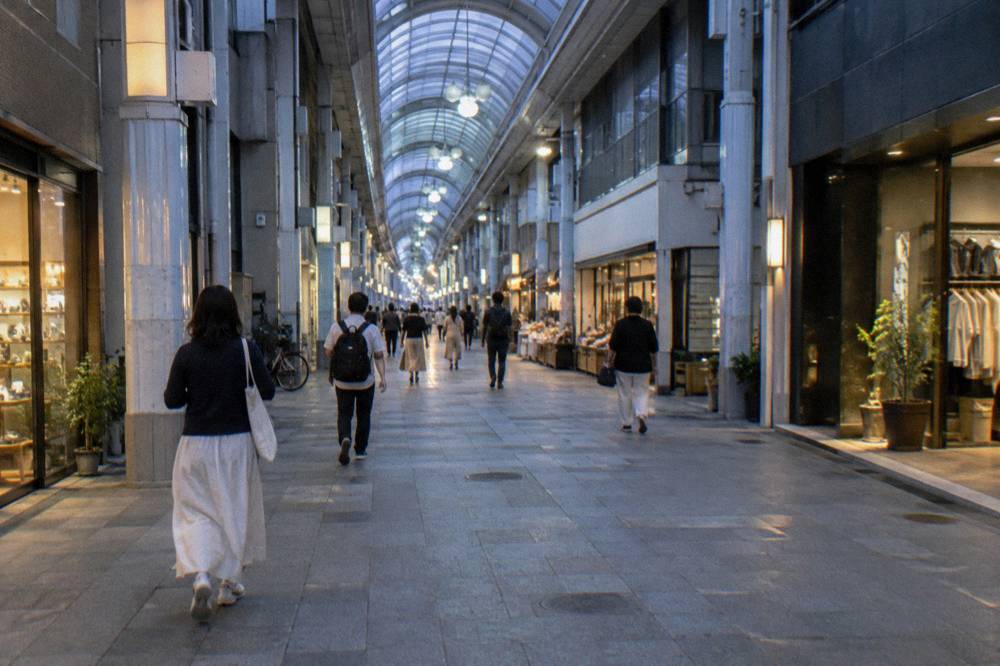
Night-time activity concentrates in a handful of compact districts. Nagarekawa and Yagenbori hold the city's bar and restaurant core, while Hacchobori and Kamiyacho carry the dining around the covered Hondori arcade, which stretches about 577 meters as a pedestrian street. The Hiroden streetcar network's last departures from the station area typically leave between about 22:00 and 23:00 depending on the line and direction, so late evenings generally end with a walk or a taxi rather than a tram.
A guided evening is one way to see the food districts with a local alongside: an izakaya night walk of Hiroshima moves between several standing bars with a guide who knows the quarter.
Is The Peace Memorial Area Safe And Respectful To Walk?
Yes, and the safety question here is less about risk than about conduct. The Peace Memorial Park covers over 120,000 square meters between the Motoyasu and Hon rivers, is open to the public, and the annual August 6 Peace Memorial Ceremony, held from 8:00 to about 8:50 in the morning, requires no tickets and no advance registration, with about 7,000 seats in the main venue and about 2,200 more indoors at the International Conference Center Hiroshima.
The etiquette is the part worth preparing for. The city and museum ask for quiet behaviour in the park and inside the museum, and respectful photography around the A-Bomb Dome, which is viewable from outside its fence with no fee. Nothing beyond ordinary decorum is demanded.
For the date itself, the August 6 ceremony and lantern floating guide covers the schedule in detail: park entry restrictions run from 5:00 to 9:00 am, venue entry opens at 6:00 am, and the silent prayer with the Peace Bell falls at exactly 8:15 am. No parking is available at the park for the ceremony, and the city directs everyone to public transport. In the evening the lantern floating takes place on the Motoyasu River riverside facing the Atomic Bomb Dome, with viewing free of charge and lanterns sold for 1,000 yen each, cash only, from 7:00 am to 8:30 pm, floating from 6:00 pm to 9:00 pm.
Is Miyajima Safe To Visit?
Yes. Miyajima is safe, with ferries departing Miyajimaguchi roughly every 15 minutes from 8:00 into the evening, and Itsukushima Shrine open from 6:30 in the morning except on 1 January, with 300 yen adult admission. Two cautions: wear comfortable shoes because the corridor floorboards have deliberate gaps for high tides, and walk out to the Great Torii only when the water is low.
Two practical cautions come straight from the shrine's own admission page. The corridor floorboards have deliberate gaps that allow pressure from high tides to pass through, so the shrine advises comfortable shoes. And the Great Torii behaves with the tide: visitors walk out to it when the water is low, and the live tide feed on this site, the Japan Meteorological Agency prediction for Hiroshima Bay, is the reference to check rather than any stated tide time in prose.
The ferries themselves run at high frequency through the day, which removes most timing pressure from a visit. JR ferries depart Miyajimaguchi roughly every 15 minutes from 8:00 into the evening, with the first sailing about 6:25 and the last about 22:00, and Matsudai Kisen runs its own timetable at a similar 15-minute cadence from 7:00. On peak autumn dates the Miyajima ropeway requires an advance reservation uphill, a dated rule reported for specific November days, so a Misen summit plan in leaf season is worth fixing before the ferry ride.
For the summit, the Mount Misen ropeway runs 9:00 to 16:00 with last descent at 16:30, and a 2,000 yen return adult ticket, so the timing constraint is the day's main planning item. The full Miyajima guide covers the ferries, the shrine hours and the ropeway in one place.
Are Hiroshima's Streets And Transport Safe?
Yes. The Hiroden streetcar network charges a flat 240 yen adult fare on every line including the Miyajima line, runs at intervals of 10 to 15 minutes on main lines, and, as reported, now enters the Hiroshima Station building directly, while the airport limousine bus covers the run from Hiroshima Airport to the station's Shinkansen exit in about 50 minutes for 1,500 yen. These are ordinary, well-used public systems with no special safety burden on visitors.
The practical risks in Hiroshima's transport are the mundane ones anywhere: mind the streetcar tracks when crossing on foot, and keep an IC card or coins ready, since IC cards are accepted on the airport bus. The Shinkansen connects Hiroshima to Shin-Osaka in about 80 to 85 minutes, a figure from secondary rail sources, and the route guides for Tokyo, Osaka and Kyoto break each journey down.
Within the city, the tram covers the trips visitors actually make. The run from Hiroshima Station to Genbaku Dome-mae, the stop for the Peace Memorial Park, is about 2.2 km along the main line, and streetcars on main lines such as line 2 run every 10 to 15 minutes, with the Miyajima-bound line continuing out of the centre at the same cadence. Everything else covered here is indexed on Hiroshima Travel Guide.
| Transport | Adult fare | Notes |
|---|---|---|
| Hiroden streetcar, any line | 240 yen flat | 120 yen child, flat since 1 February 2025 |
| Hiroden 1-day pass | 700 yen | Covers all Hiroden lines |
| Hiroden 1-day pass with ferry | 1,000 yen | Includes Miyajima Matsudai ferry and the 100 yen visitor tax |
| Airport limousine bus to station | 1,500 yen | About 50 minutes, IC cards accepted |
| JR ferry to Miyajima | 200 yen one way | Group fare is 160 yen |
| Mount Misen ropeway | 2,000 yen return | 9:00 to 16:00, last descent 16:30 |
Getting around by tram, bike and foot is mapped in getting around Hiroshima, and the station itself, including its rebuilt building, is covered in the Hiroshima Station guide. For the question of whether the city's compact centre can be done on foot, is Hiroshima walkable answers it directly.
What About Earthquakes And Typhoons In Hiroshima?
Hiroshima, like all of Japan, carries earthquake risk, and the city's own disaster-preparedness planning assumes a maximum seismic intensity of 6-strong from the Koi-Hiroshima West Edge Fault Zone or the Itsukaichi Fault, but no visitor-specific danger figure exists beyond that planning assumption. The city operates a Disaster Prevention Portal with hazard maps and real-time alerts, and the standard advice is to secure furniture, stock three or more days of supplies, and register for the city's disaster-prevention mail alerts.
The Japan Meteorological Agency station normals for Hiroshima show July as the month with the highest rainfall total on the record at 279.8 mm and August as the month with the highest average daily high at 32.8 degrees C, so summer visits pair heat and heavy rain in equal measure.
| Month | Average daily high | Average daily low | Rainfall |
|---|---|---|---|
| January | 9.9 °C | 2.0 °C | 46.2 mm |
| April | 19.8 °C | 10.1 °C | 141.0 mm |
| July | 30.9 °C | 24.1 °C | 279.8 mm |
| August | 32.8 °C | 25.1 °C | 131.4 mm |
| October | 23.7 °C | 14.9 °C | 109.2 mm |
| November | 17.7 °C | 8.9 °C | 69.3 mm |
Japan Meteorological Agency station data, 1991-2020, station 47765. Season-by-season planning is in Hiroshima weather and the best time to visit Hiroshima. Visitors with flexible dates may also want the cherry blossom guide, where the 30-year average first bloom of March 25 and full bloom of April 4 anchor the spring window.
Is Hiroshima Safe For Families With Kids?
Yes, and it is a practical family city. The Peace Memorial Museum admits junior-high and younger children free, Shukkeien garden has admitted school students free since 14 April 2025, and the Hiroden child fare is a flat 120 yen on every line, so a family moves around cheaply and easily. The safety profile that applies to adults, low crime and no radiation concern, applies equally to children.
The attractions that hold children's attention are spread sensibly. Shukkeien garden is a compact stroll garden at 350 yen adult admission, open 9:00 to 18:00 in the warmer half of the year. Hiroshima with kids collects the full set, and free things to do in Hiroshima lists places that cost nothing at all, useful for any family budget.
One dated fact worth knowing: the Hiroshima Castle keep has been closed to visitors since 22 March 2026, so castle visits are exterior and grounds only, with a Sannomaru history museum planned, as reported, for 1 June 2027. The Hiroshima Castle guide keeps the current state of the site in one place.
Is Food And Tap Water In Hiroshima Safe?
Yes. Vegetarian and dietary questions are answered on is Hiroshima good for vegetarians, drinking water guidance on can you drink tap water in Hiroshima, and for what to order the what to eat in Hiroshima guide and Hiroshima okonomiyaki guide are the two pages that matter, while do you need cash in Hiroshima is worth a read before a first restaurant visit, since smaller counters still prefer notes and coins.
Table manners at the griddle counters, including the local etiquette of eating straight from the hot plate, are set out in the okonomiyaki restaurant etiquette answers.
What Emergency Numbers And Help Lines Work In Hiroshima?
Japan's emergency numbers are 110 for police and 119 for fire and ambulance, and the Japan National Tourism Organization runs a 24-hour visitor hotline at 050-3816-2787, or +81-50-3816-2787 from overseas, in English, Chinese and Korean, for both emergencies and tourist information. Hiroshima City also publishes a Disaster Prevention Portal with hazard maps and real-time alerts.
Save these before arrival rather than during an incident. Consulate registration, such as the US Smart Traveler Enrollment Program or registration with your own embassy or consulate, is the other step foreign governments recommend for Japan. The nearest British consular presence, for example, is the consulate in Osaka, about 350 km away. Japan maintains no visa requirement for tourist stays under 90 days for most nationalities, so the administrative side of a visit is light, and a navigation app for real-time transport maps and emergency contacts is a sensible addition to the emergency numbers.
| Service | Number or resource | Hours |
|---|---|---|
| Police | 110 | 24 hours |
| Fire and ambulance | 119 | 24 hours |
| JNTO Japan Visitor Hotline | 050-3816-2787 | 24 hours, English, Chinese, Korean |
| Hiroshima Disaster Prevention Portal | bousai.city.hiroshima.lg.jp | Real-time alerts and hazard maps |
| US advisory level for Japan | Level 1, Exercise Normal Precautions | Maintained |
How Should You Plan A Safe Hiroshima Trip?
Plan a safe Hiroshima trip the way you would plan any Japanese city trip: standard urban care, an IC card or cash for trams and buses, the emergency numbers saved, and a tide check before any Miyajima day, since the city itself poses no unusual risk on any official measure. Radiation is a non-issue by the city's own published statement, crime fell year on year in 2025, and the lowest-level US advisory covers the whole country.
The remaining decisions are itinerary ones rather than safety ones. How many days in Hiroshima is enough settles the length of stay, where to stay in Hiroshima compares the station, downtown and Peace Park areas, and the Hiroshima trip cost guide budgets the whole visit. Visitors arriving from outside the region will find the day trip from Osaka and the day trip from Kyoto already mapped.
A guided day removes the last of the planning load, and a cycling tour with a local guide is this site's featured pick for seeing the river, the park and the dome on planned routes, with Check availability on the operator's live listing.
Common Questions About Safety In Hiroshima
Is Hiroshima Safe To Visit?
Yes. The city's own pages state radiation levels today match natural background radiation found anywhere on Earth, crime fell in 2025, and the US State Department keeps its lowest-level advisory on all of Japan.
Is Hiroshima Still Radioactive?
No. The city states today's levels match natural background radiation and have no effect on human bodies, with roughly 80 percent of residual radiation emitted within 24 hours of the 1945 bombing.
Is It Okay For Americans To Visit Hiroshima?
Yes. The US advisory for Japan stands at Level 1, Exercise Normal Precautions, and the Peace Memorial Park and Museum require no radiation checks or health restrictions for any nationality.
Is Miyajima Safe?
Yes. The island asks only ordinary care around the wild deer, the gaps in the shrine's corridor floorboards, and the tide at the Great Torii.
What Is The Emergency Number In Hiroshima?
Call 110 for police and 119 for fire or ambulance anywhere in Japan, and the JNTO visitor hotline at 050-3816-2787 answers in English 24 hours a day.
Is Hiroshima Safe At Night?
Yes. The city's published 2025 statistics show 65 violent crimes across the whole city for the year, with zero violent incidents against tourists.